At a glance
- Best for
- Salt flats, photography and a floating swim
- Distance
- About two hours by road west of Djibouti City
- Time needed
- A long day trip
- Getting there
- Organised tour or private driver with a 4x4
- Best time of day
- Early morning or late afternoon
- Best season
- November to March
Why Lake Assal is special
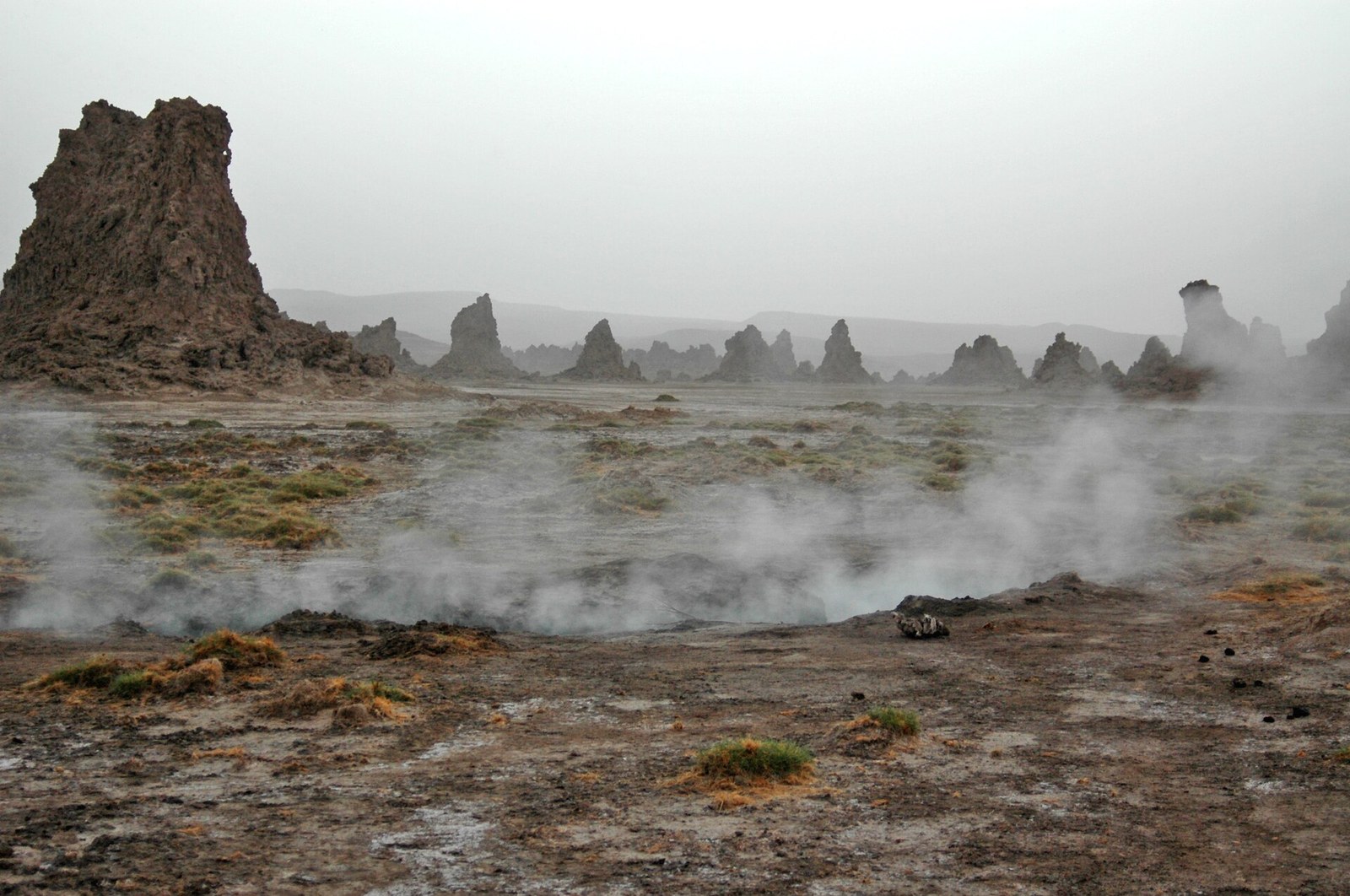
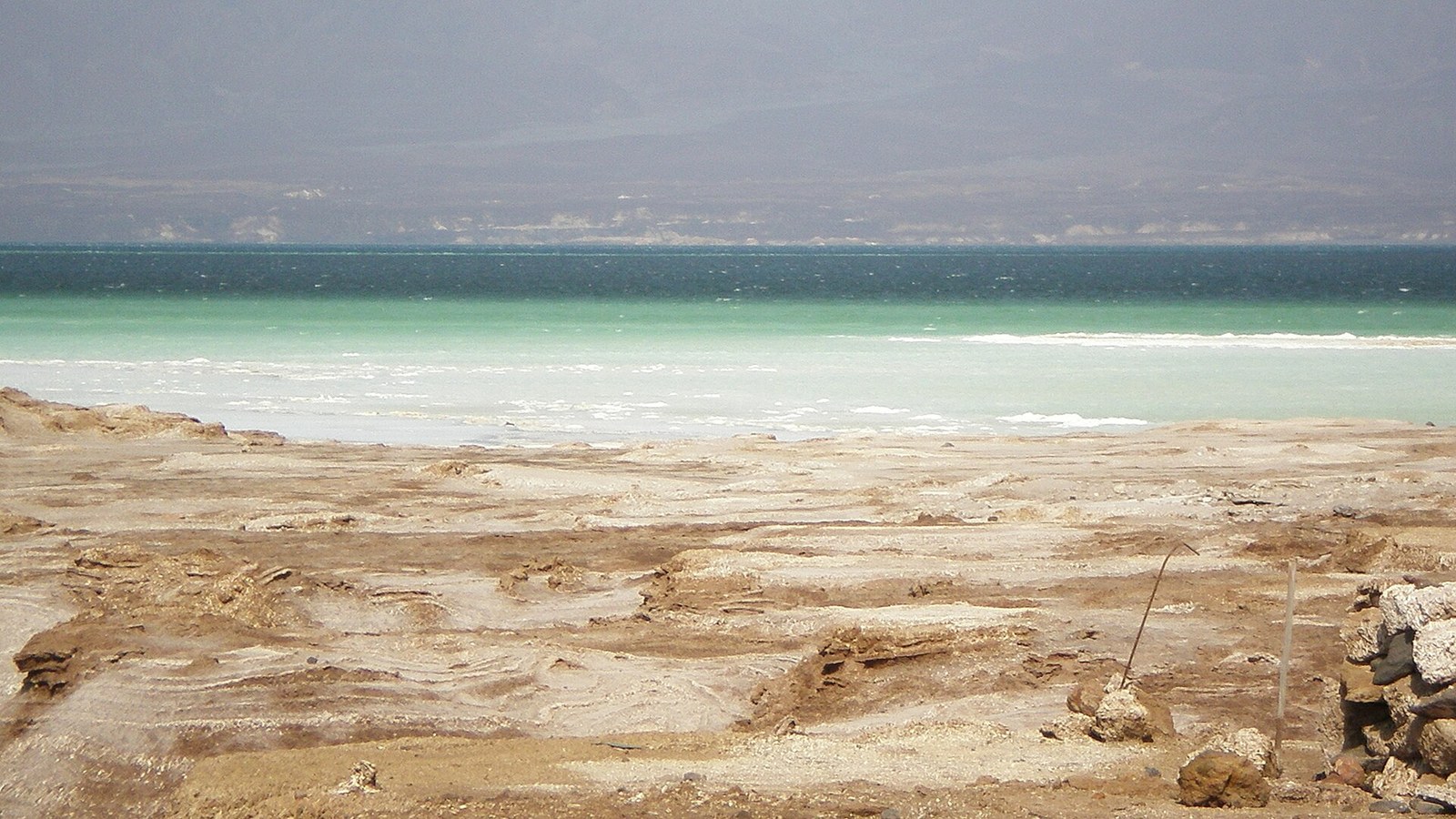
The lake sits at the meeting point of three tectonic plates, where Africa is slowly pulling apart. The result is a landscape that looks like another planet: black lava fields, dark hills and then, suddenly, a sheet of brilliant white salt and water in colours that shift from green to deep blue with the light. The salt crust is thick enough to walk on near the shore, and in places it forms delicate pearls and crystals.
The road from the capital
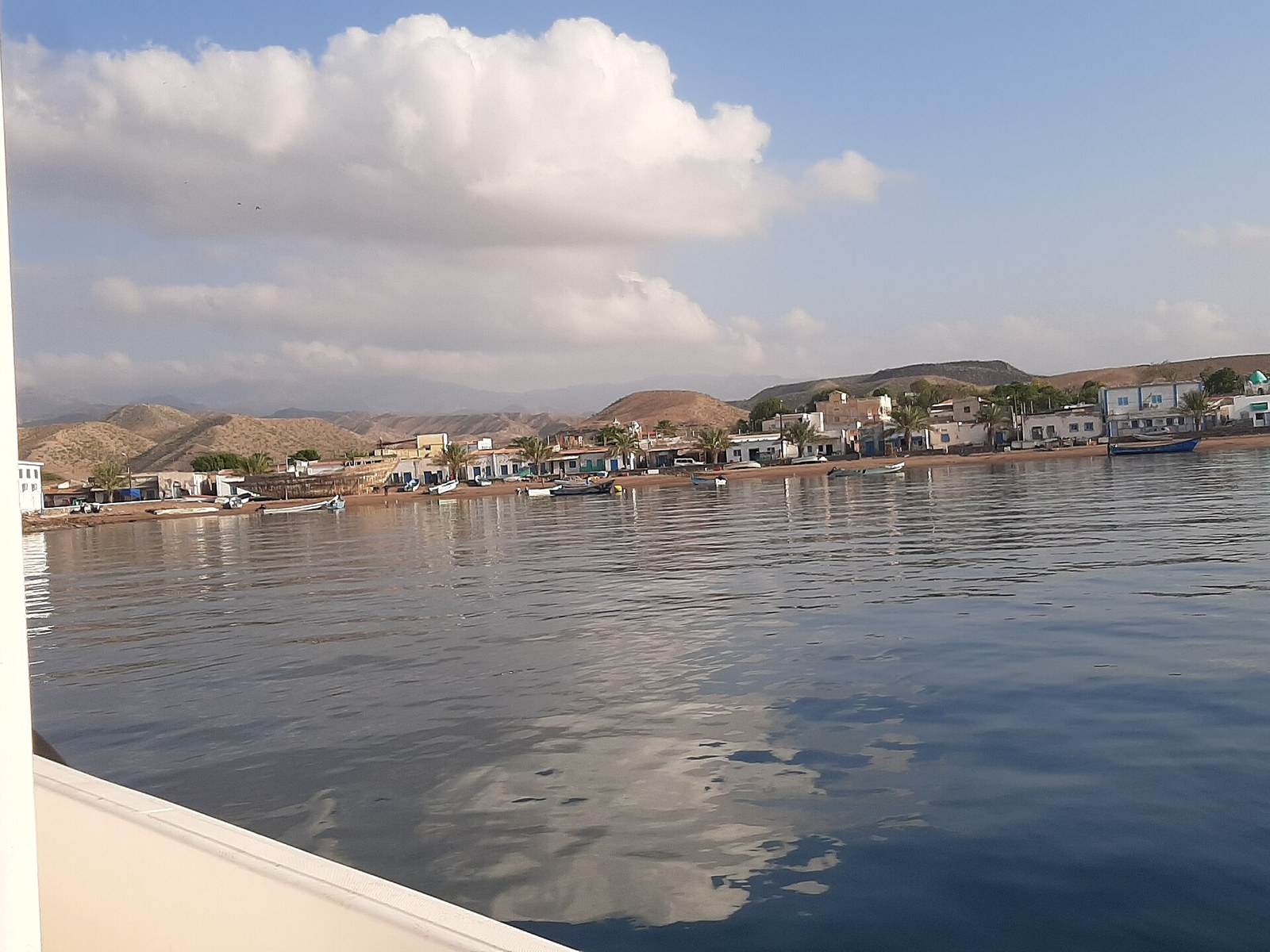
The drive is part of the experience. The road west from Djibouti City runs past the hills of Arta and along the Ghoubbet al Kharab, a deep bay whose name is often translated as the Devil's Cauldron. Look out for the Devil's Island, a dark volcanic cone in the bay, and the sweeping viewpoints above the water. Many tours stop at the Ardoukoba volcano area and the rift lava fields on the way.
Swimming and floating
You can float in the lake, much like the Dead Sea, but take it seriously. The water is extremely salty and stings any cut or graze, and it is painful in the eyes. Keep your head out of the water, wear sandals or water shoes because the salt crust is sharp, and bring plenty of fresh water to rinse off. Some visitors also bathe in the small hot springs near the shore.
The salt caravans
For centuries, Afar camel caravans have carried salt from Lake Assal to the Ethiopian highlands. Today most salt moves by truck, but you may still meet local people who collect and sell small bags of salt and salt formations by the lake. Buying from them is a small way to support the local community.
When to go
The cooler months from November to March are the most comfortable. Even then, the lake is very hot by midday, with fierce glare off the salt. Go early in the morning or late in the afternoon, when the colours are best for photos. From June to September, temperatures here can be dangerous, and a visit should be brief and well prepared.
How to get there
There is no public transport to the lake. Most visitors join a day tour from Djibouti City or hire a driver with a 4x4 through a hotel or tour company. Roads are paved for much of the way, but there is little shade, fuel or phone signal near the lake, so travel with an experienced driver and carry water.
What to bring
Pack sunglasses, a hat, high factor sunscreen, water shoes, a towel, a change of clothes and more water than you think you need. A small bottle of fresh water for rinsing your eyes is very useful. Light, long sleeved clothing protects you better than bare skin.
Combining it with other sights
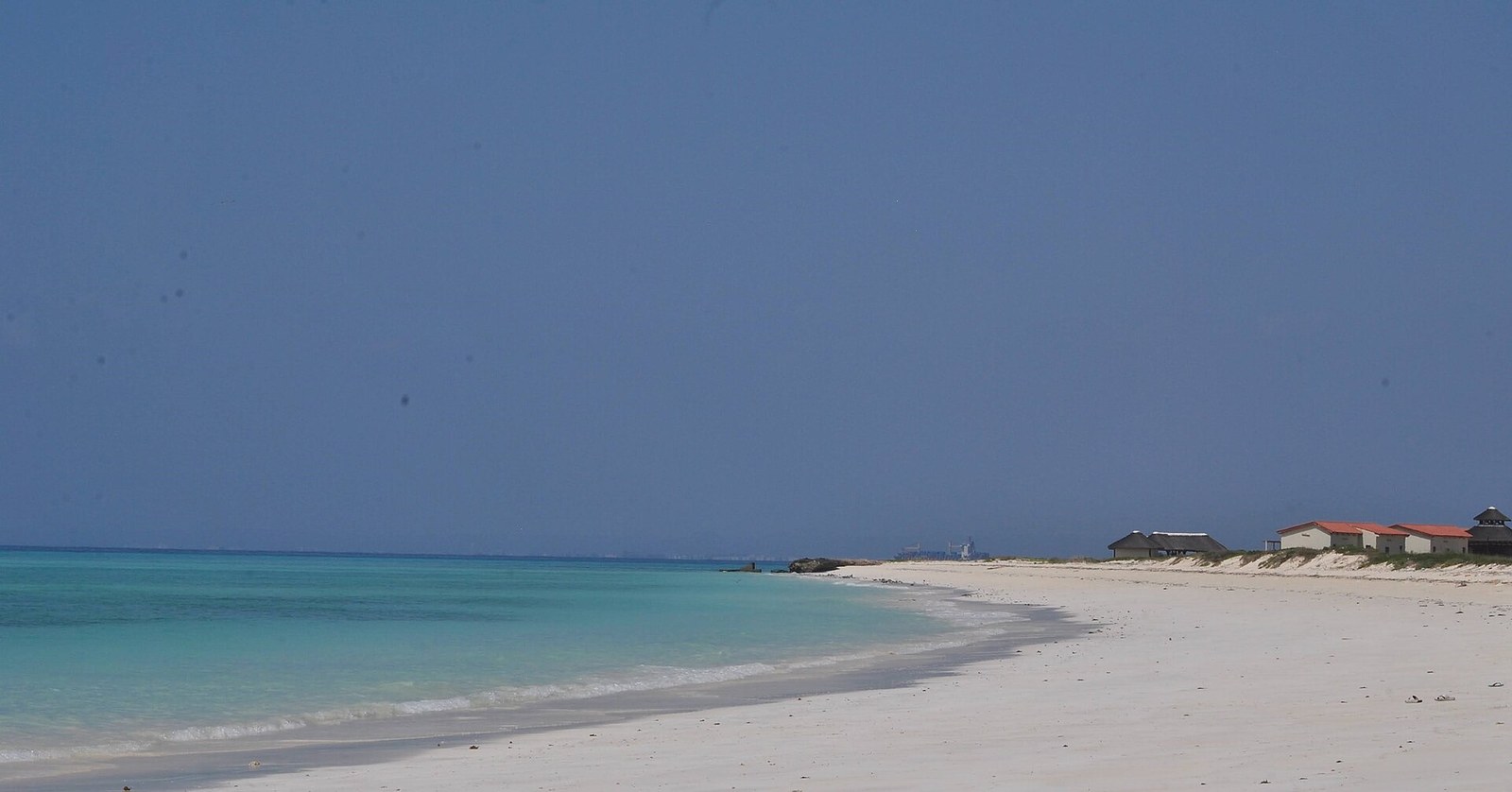
Lake Assal pairs well with a swim stop on the Ghoubbet coast and lunch in Arta or Tadjourah. Some tours continue around the gulf to Tadjourah and the Day Forest, making a two or three day loop through the north.
Questions about Lake Assal
Can you swim in Lake Assal?
You can float, but the water is extremely salty. Keep your head above water, protect cuts and eyes, wear shoes on the sharp salt crust and rinse off with fresh water afterwards.
How far is Lake Assal from Djibouti City?
Roughly two hours by road each way, depending on stops. Most visitors go on a day trip with a tour or a hired driver.
Is Lake Assal worth it?
Yes. It is the most striking landscape in Djibouti and one of the most unusual places on earth, and it is easy to reach from the capital.
Can I visit Lake Assal without a tour?
There is no public transport, so you need a vehicle and driver. A guided tour is the simplest and safest choice for most first-time visitors.
Facts checked . Fees, schedules and entry rules change, so always confirm the latest with the official source.