At a glance
- Best for
- Snorkelling, diving, beaches and whale sharks
- Distance
- Around thirty to forty five minutes by boat from the capital
- Time needed
- A day, or a night on the island
- Getting there
- Boat trips from Djibouti City's port
- Whale shark season
- Roughly November to February
- Best season
- October to March
Why go to the islands
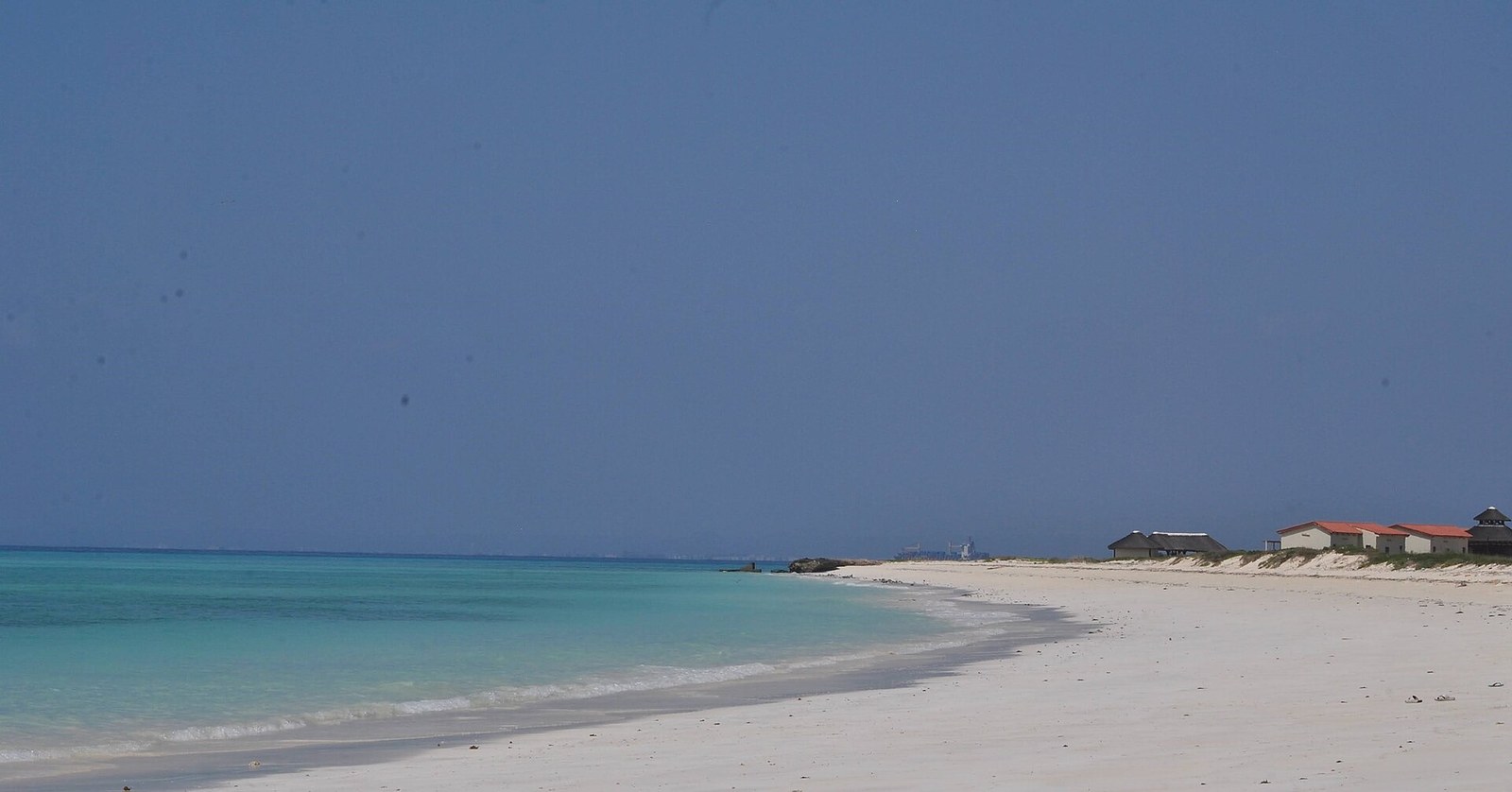
Djibouti sits at the meeting of the Red Sea and the Gulf of Aden, and its waters are rich with coral and fish. You do not need to travel far to see them. Moucha and Maskali are close enough for a day trip, yet feel a world away from the busy port, with calm turquoise water, quiet beaches and almost no development.
Snorkelling and diving
The reefs around both islands are good for snorkelling straight from the beach or from a boat, with parrotfish, angelfish, rays and sometimes turtles. Divers can explore coral walls, small wrecks and reef slopes. Dive operators in the capital run trips to the islands and further afield, including the Seven Brothers islands near Bab el Mandeb on longer liveaboard trips. Bring your certification card and check equipment carefully.
Whale sharks in the gulf
From roughly November to February, young whale sharks gather to feed on plankton in the Ghoubbet and around Arta beach, at the western end of the gulf. Boat trips leave from Djibouti City or the Arta coast to snorkel beside them. Choose an operator that follows responsible rules: no touching, keeping a respectful distance, limited swimmers in the water and no chasing. Sightings are common in season but never guaranteed.
Beaches and staying overnight
Moucha has a small resort and simple beach camps where you can stay the night, eat grilled fish and watch the stars. Maskali is wilder, with a sandy spit and very few facilities. Bring sun protection, plenty of water and anything you need, as there are no shops.
Getting there
Boats leave from the port area of Djibouti City, usually in the morning, and are arranged through hotels, dive centres and tour companies. The crossing takes around thirty to forty five minutes in calm weather. Check that the boat has life jackets and a radio, and agree the return time in advance.
Protecting the reefs
The islands are part of a protected marine area. Do not stand on coral, collect shells or feed fish, and use reef friendly sunscreen if you can. Take your rubbish back to the mainland.
When to go
The sea is calmest and the air coolest from about October to March, which is also whale shark season. In summer, the heat on the islands is intense, and strong winds can make crossings rough.
A perfect island day
Leave early from the capital, snorkel the reef at Moucha while the light is good, eat a lunch of grilled fish on the beach, rest in the shade and swim again before heading back in the late afternoon. In season, add a separate morning for the whale sharks.
What to bring
Pack sunscreen, a hat, a mask and snorkel if you have one, water shoes for rocky entries, a towel, a change of clothes, cash for lunch and tips, and plenty of drinking water. A dry bag keeps phones safe on the boat, and a light long sleeved top protects your back while snorkelling.
Questions about the Moucha and Maskali islands
When can I swim with whale sharks in Djibouti?
The season usually runs from about November to February, in the western Gulf of Tadjoura. Sightings are common but never guaranteed, so allow more than one chance if you can.
Can I stay overnight on Moucha?
Yes, there is a small resort and simple beach camps. Book ahead and confirm what is included, as there are no shops on the island.
Do I need to know how to dive?
No. Snorkelling is excellent around both islands and with whale sharks. Diving needs a certification or an introductory dive with a qualified instructor.
How do I get to the islands?
By boat from Djibouti City's port, arranged through a hotel, dive centre or tour company. The trip takes under an hour in calm seas.
Facts checked . Fees, schedules and entry rules change, so always confirm the latest with the official source.