At a glance
- Best for
- Sunrise, otherworldly scenery and Afar culture
- Distance
- Around four to five hours from Djibouti City
- Time needed
- One night, ideally two days
- Getting there
- 4x4 tour with an experienced driver
- Where to sleep
- Simple Afar style camps
- Best season
- November to March
Why Lake Abbe is unforgettable
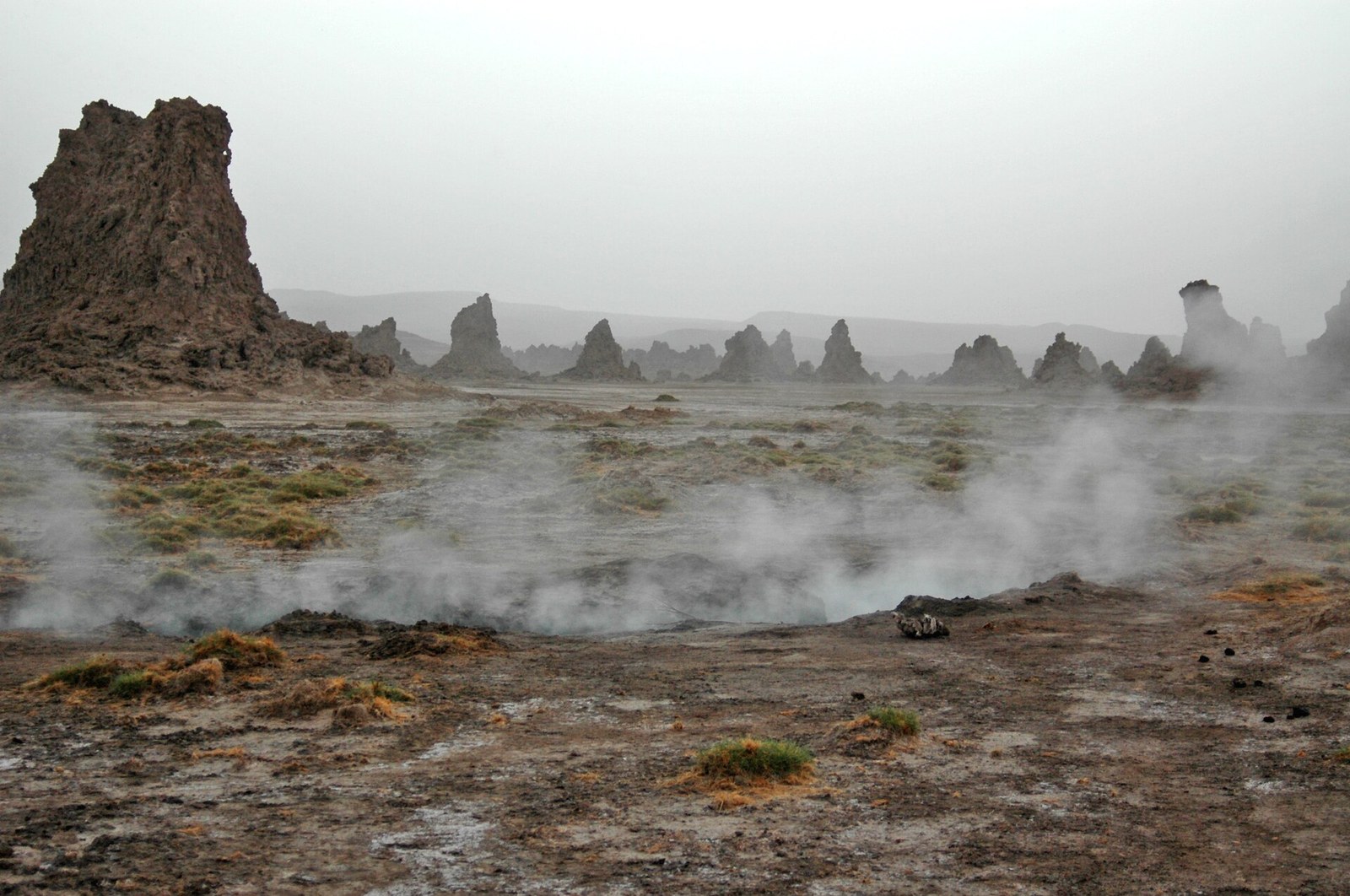
The chimneys formed over thousands of years as hot, mineral rich springs bubbled up through the bed of a much larger lake. As the water level fell, the towers were left standing in the open, and some still vent steam and hot water. At sunrise, with mist drifting between the spires and the light turning pink and gold, the scene is often compared to a science fiction film set. Parts of the original Planet of the Apes are said to have been filmed in the area.
Getting there
Lake Abbe lies in the far southwest of the country, past the town of Dikhil. The trip from Djibouti City takes around four to five hours, with the last stretch on rough tracks across the desert. This is not a drive to attempt alone. Go with an organised tour or an experienced driver in a well maintained 4x4 who knows the route, and carry extra water and fuel.
Where to stay
The usual base is a simple campement near the chimneys, with stone or traditional Afar huts, shared washrooms and meals of rice, goat, flatbread and tea. Facilities are basic and electricity may be limited, but the stars are spectacular. Most tours include the camp, meals and a guided walk at sunset and sunrise.
Sunrise and sunset walks
The best experience is to walk among the chimneys at first light, when the steam is most visible and the air is cool. A guide will lead you to the most active springs and the lake shore, where flamingos and other water birds gather in season. Sunset is lovely too, but the dawn walk is the one to wake up for.
Meeting the Afar
The area is home to Afar pastoralists who live in portable dome shaped huts. Your guide may introduce you to a family or a group of herders. Ask before taking photos, accept tea if it is offered, and follow your guide's lead on gifts and etiquette.
Safety near the border
Lake Abbe straddles the border with Ethiopia. Stay with your guide, do not wander off alone toward the border, and check your government's travel advice for the latest guidance on the area before you book. Carry your passport, as there may be checkpoints on the road.
Heat and health
Even in the cooler season, days on the plain are hot and the sun is intense. Drink regularly, cover up, and rest in the shade at midday. The hot springs can scald, so do not touch the water without your guide's advice. Bring a torch, warm layer for the early morning, toilet paper and any medicines you need.
Combining it with other sights
Many tours stop at Dikhil, a small market town, and at the desert plains of Grand Bara and Petit Bara on the way. Grand Bara is a vast, flat dry lake where a running race is held and where you may see gazelles. A two day trip that includes Lake Assal on the return is a popular way to see both lakes.
A note on photography
The chimneys are hugely photogenic, especially at dawn. Bring spare batteries, as camps may have limited charging, and a lens cloth for the dust. Ask before photographing Afar herders and their homes.
Questions about Lake Abbe
Can I visit Lake Abbe in a day?
It is possible but tiring and you miss the sunrise, which is the highlight. An overnight stay in a camp near the chimneys is strongly recommended.
Is Lake Abbe safe to visit?
Organised tours visit regularly. Stay with your guide, as the lake is on the Ethiopian border, and check your government's current travel advice before booking.
What are the facilities like?
Basic. Camps have simple huts, shared washrooms and set meals. Bring a torch, toilet paper, wet wipes and a warm layer for the early morning.
Will I see flamingos?
Often, especially in the cooler months, but numbers vary with water levels. Your guide will know the best spots.
Facts checked . Fees, schedules and entry rules change, so always confirm the latest with the official source.