At a glance
- Best for
- Food, markets, a seafront base and tour bookings
- Time needed
- Two to three days, plus day trips
- Airport
- Djibouti Ambouli International, on the edge of the city
- Getting around
- Taxis, minibuses and short walks
- Languages
- French, Arabic, Somali and Afar
- Best season
- November to March
Why the capital is worth your time
Many travellers treat the city as a transit stop on the way to the lakes, and that is a shame. Djibouti City is where the cultures of the Horn of Africa, Yemen, France and the wider Indian Ocean meet. Somali, Afar, Arab and French influences show up in the food, the music on the street and the mix of languages you hear in a single café. It is also small and fairly easy to understand, with most things a short taxi ride apart.
The European quarter and Place Menelik
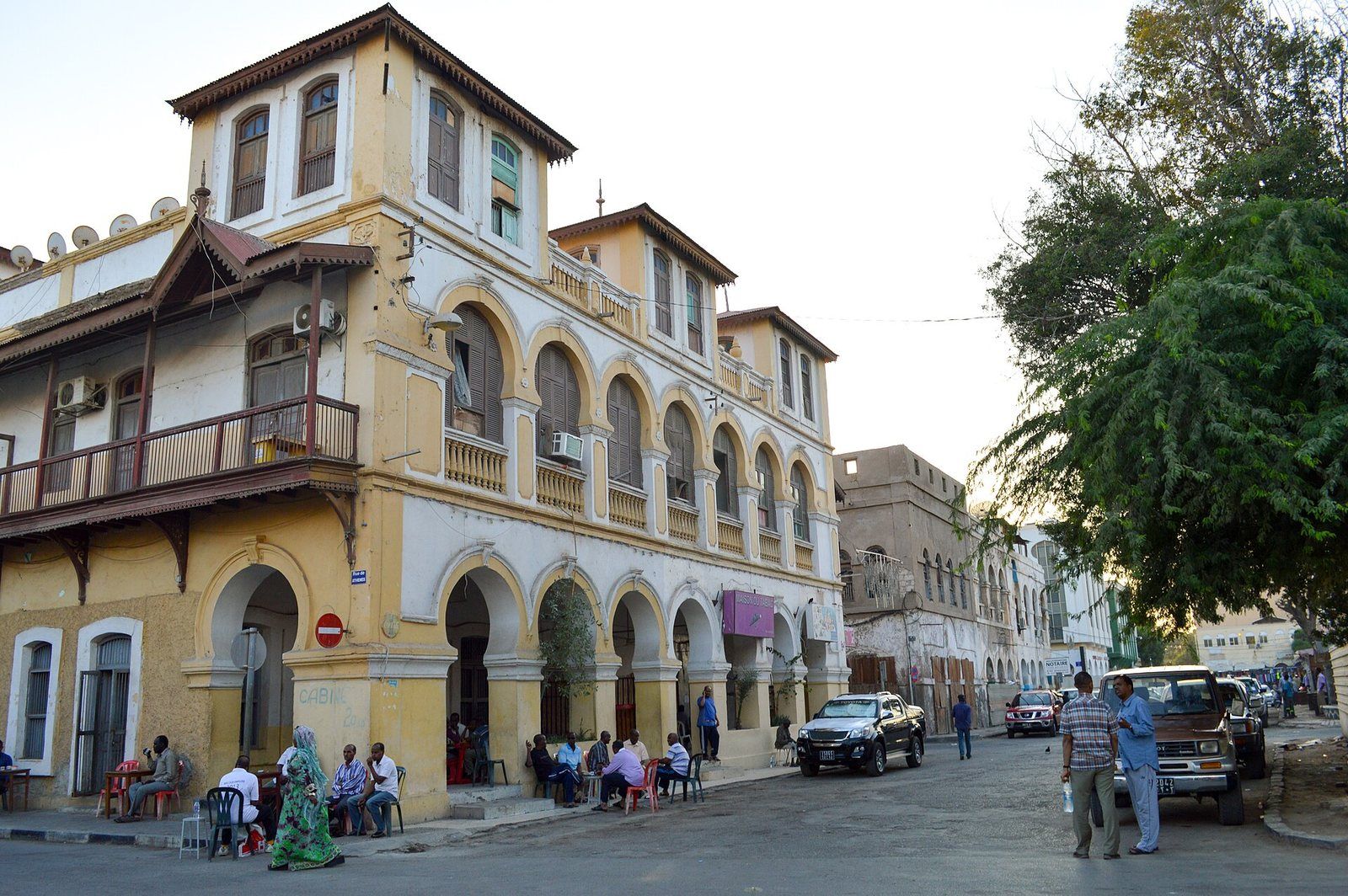
The historic heart of the city is the European quarter, laid out in the French colonial era. Place Menelik, the main square, is framed by whitewashed buildings with Moorish arches, and the streets around it hold banks, cafés, small shops and the presidential palace nearby. It is best explored early in the morning or after about four in the afternoon, when the heat eases and the cafés fill with people.
The African quarter and the central market
Just south of the old square, the African quarter is busier and more local. The central market around the Hamoudi Mosque, with its white minaret, is a maze of stalls selling spices, fabric, incense, fruit and household goods. In the afternoon you will see bundles of khat arriving from Ethiopia, the mild leaf stimulant chewed by many Djiboutians. Take photos of people only with permission, and keep valuables close in the crowds.
Food in the capital
Djibouti City has the best eating in the country. Try Yemeni style fish baked in a clay oven and served with flatbread, skoudehkaris, a spiced rice dish with lamb or goat, and fah-fah, a peppery goat soup. Breakfast is often laxoox, a spongy pancake, with tea or coffee. The Plateau du Serpent area and the streets near Place Menelik have restaurants for most budgets, from simple fish grills to hotel dining rooms.
Beaches and the seafront
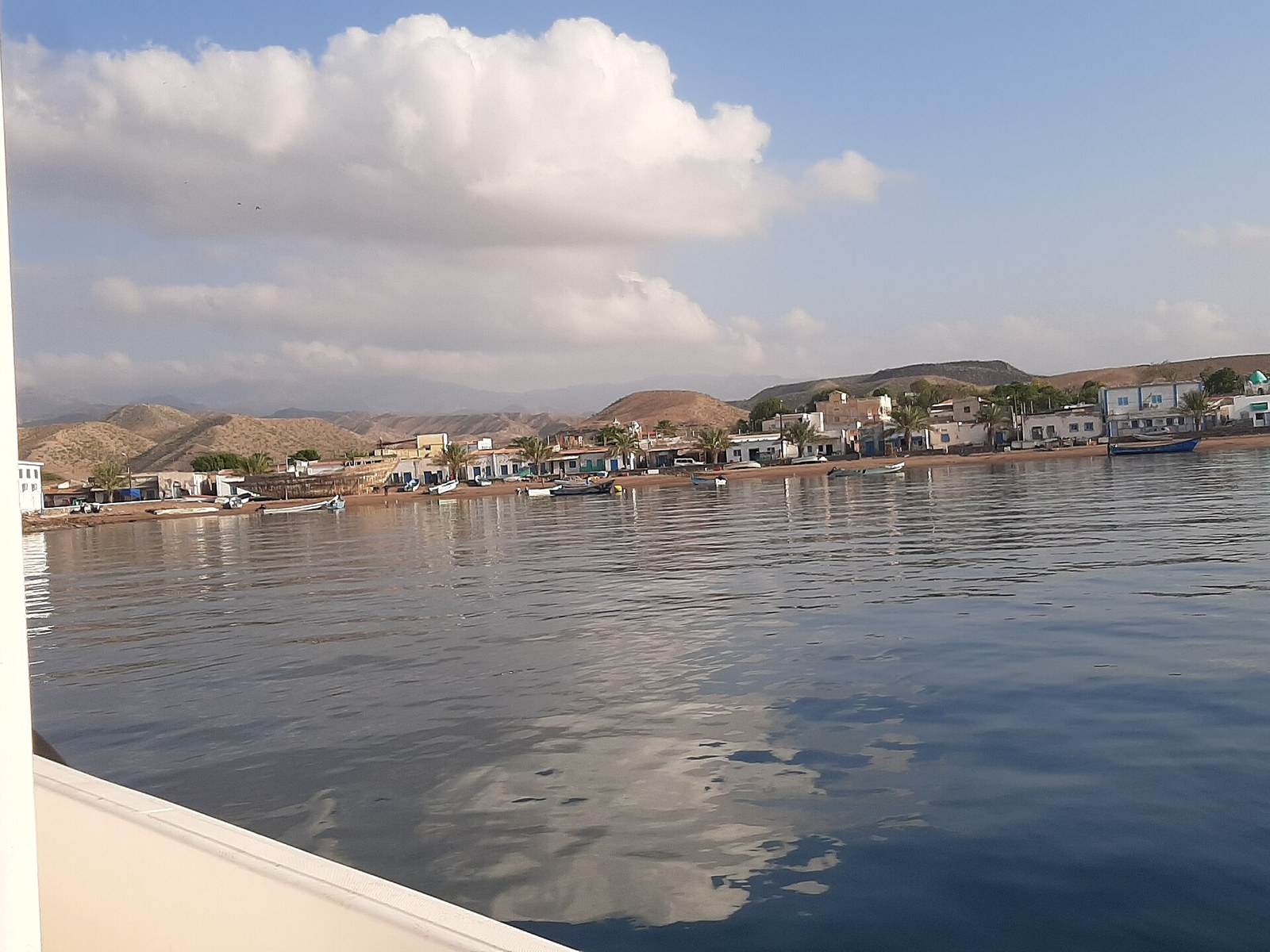
The city is not a beach resort, but there are places to swim. Some hotels have private beaches and pools that day visitors can sometimes use. The coastline south towards Doraleh and the beaches near Arta, about forty minutes west, are popular with families at weekends. For clear water and coral, take a boat to the Moucha islands.
Day trips from the city
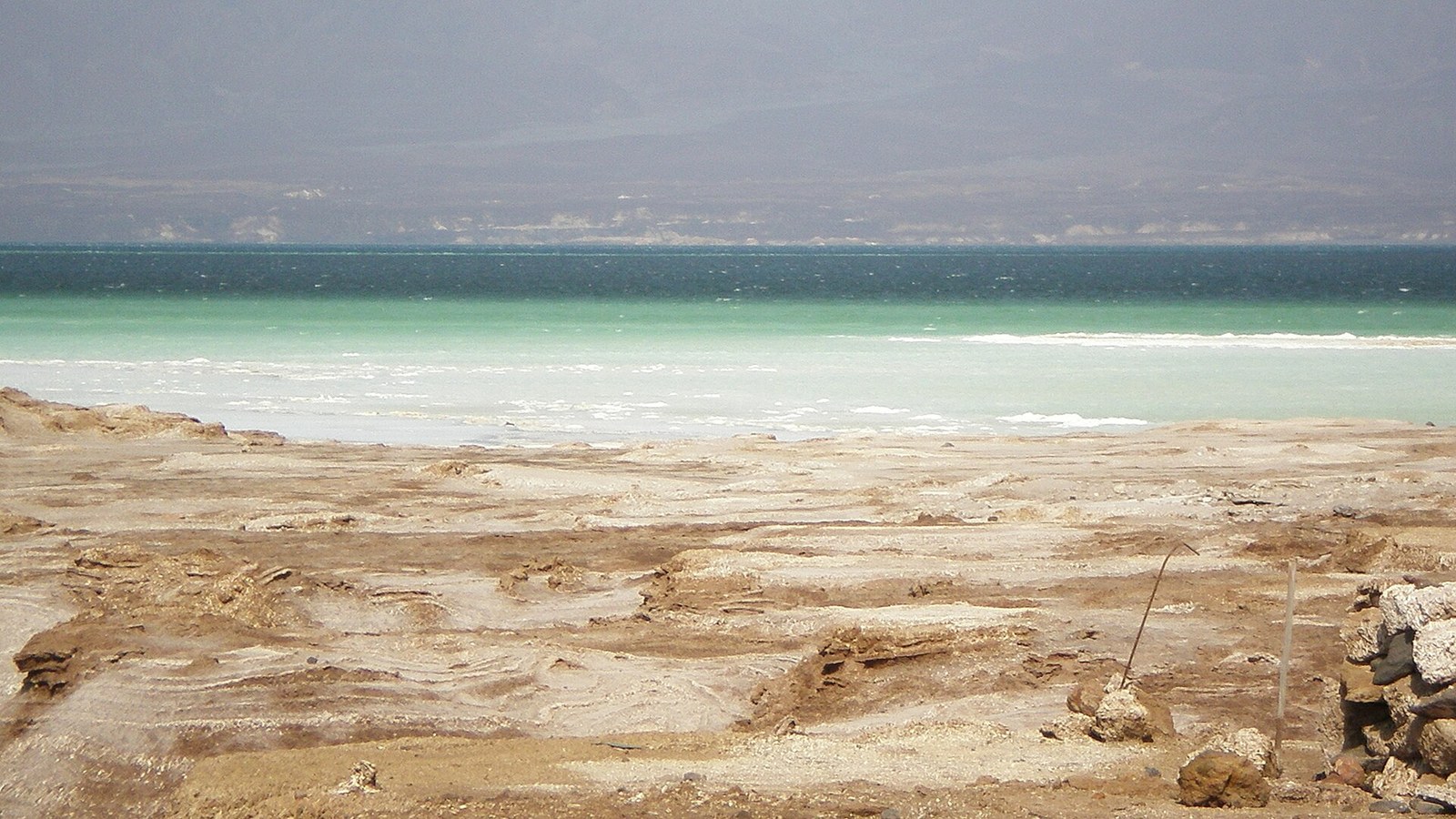
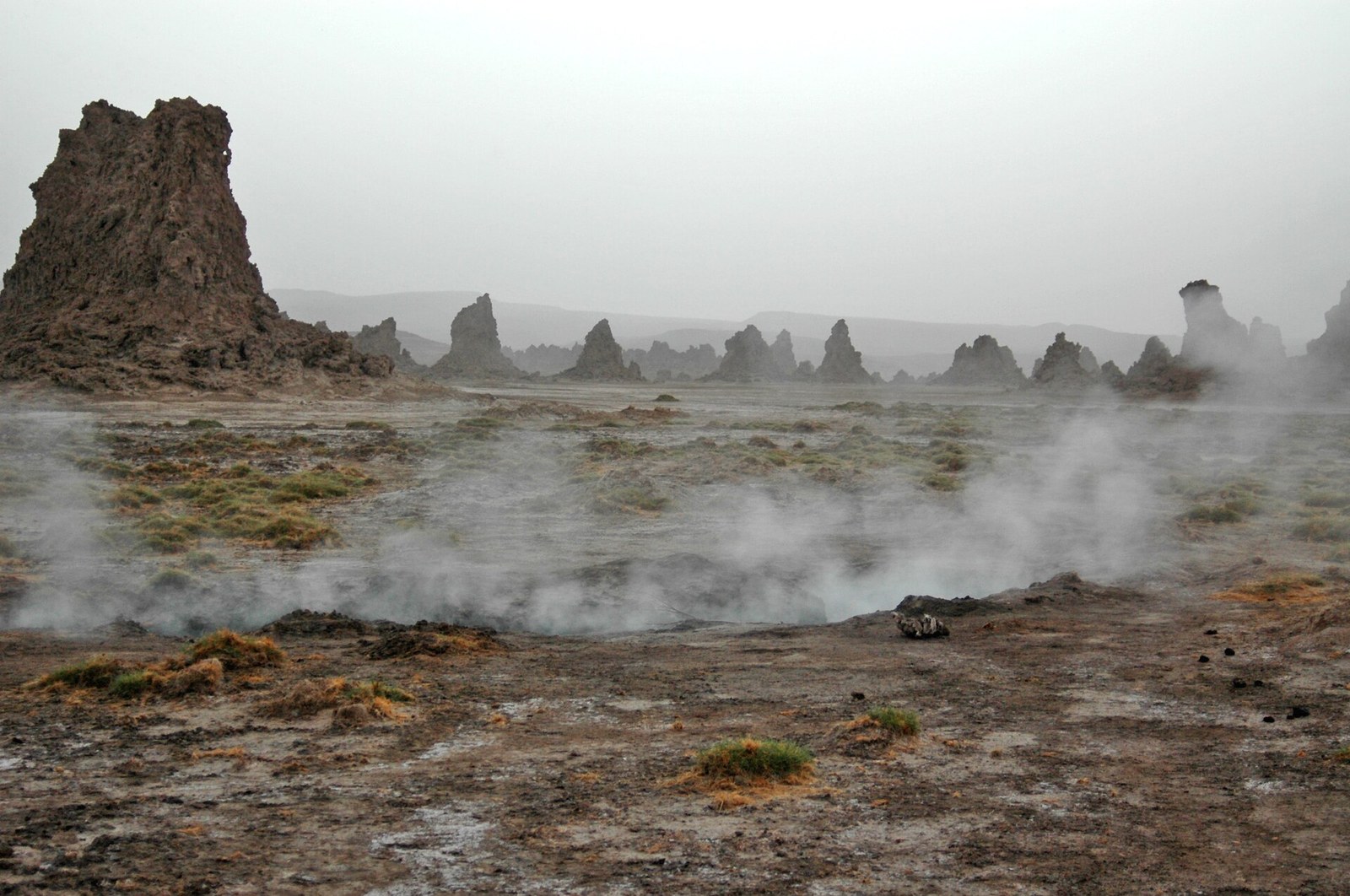
The capital is the base for almost everything. Lake Assal and the Ghoubbet bay can be seen in a long day. Arta, in the hills above the coast, is cooler and has views over the gulf. Whale shark trips run from the city's port in season, and tour companies organise overnight trips to Lake Abbe and the north.
Where to stay
Accommodation is mostly in the city. There are a few international and business hotels by the sea, mid-range hotels in the centre and simpler guesthouses. Rooms cost more than in neighbouring countries, because many guests are on business or linked to the foreign military bases. Book ahead in the cooler months.
Getting around
Taxis are the easiest way to move around and fares should be agreed before you get in. Minibuses are cheap and busy, and best used with a local friend. Walking is pleasant in the old quarter in the cooler hours, but distances in the heat are tiring.
Questions about Djibouti City
How many days do I need in Djibouti City?
Two days is enough for the old quarter, the market and a beach. Add more if you use the city as a base for day trips, which most visitors do.
Is Djibouti City safe to walk around?
The central areas are generally calm for visitors. Take normal care with bags and phones in markets, avoid demonstrations and use taxis at night.
Can I swim in Djibouti City?
Some hotels have beaches and pools, and there are public beaches outside the centre. For clear water and reefs, take a boat to the Moucha islands.
What is the best area to stay in?
The seafront and the area around Place Menelik and the Plateau du Serpent are the most convenient for restaurants, tours and the airport.
Facts checked . Fees, schedules and entry rules change, so always confirm the latest with the official source.