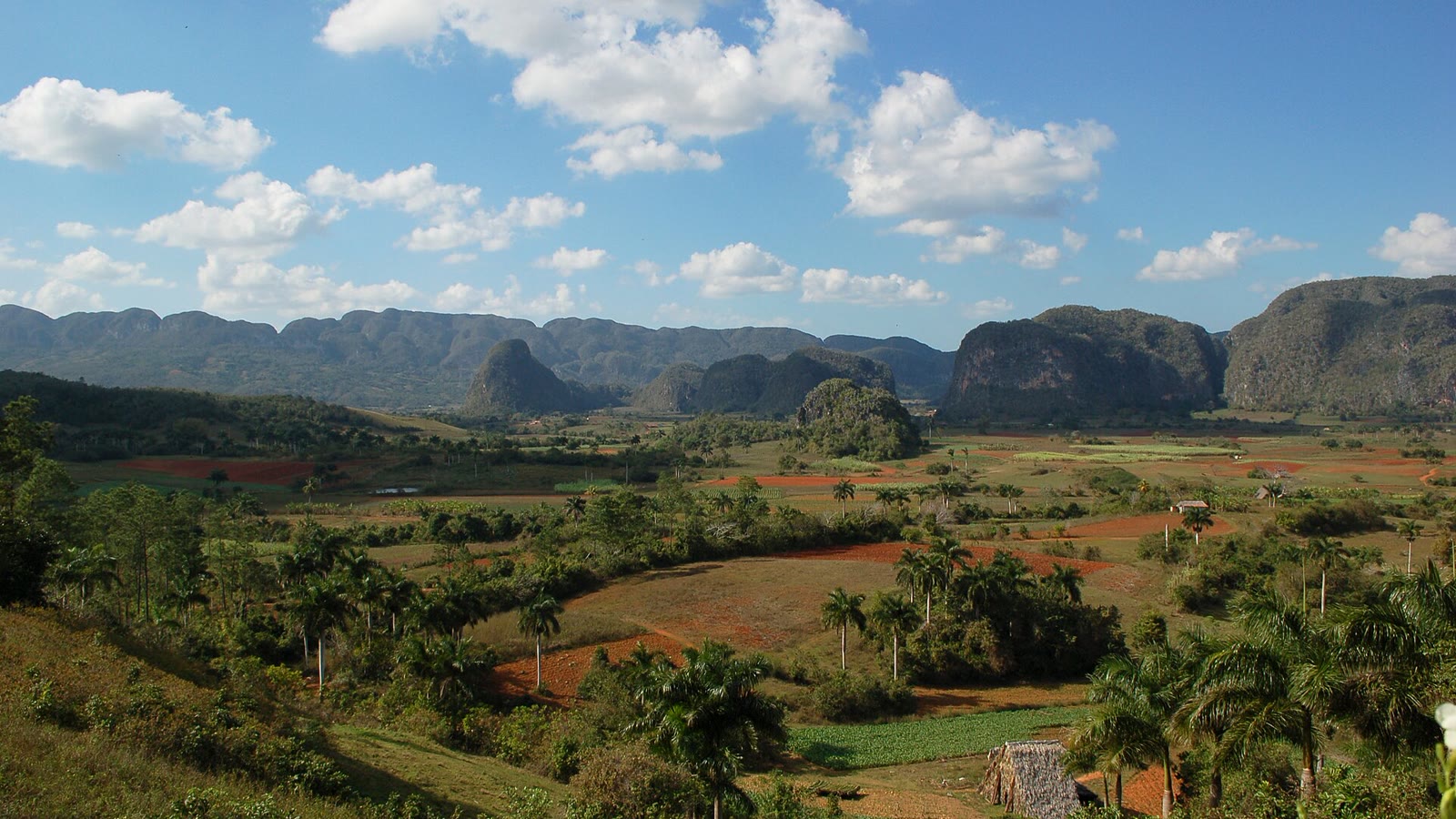
Vinales Valley, Photo: Ivan2010, CC BY-SA 3.0, via Wikimedia Commons
Find your Bliss in Cuba
Cuba, made simple: music spilling out of Old Havana, tobacco valleys in Viñales and colonial Trinidad at dusk
Cuba is the largest island in the Caribbean, known for its colonial cities, classic cars, son and salsa, white sand beaches and some of the warmest hospitality anywhere. It is also a country going through hard times, with shortages, power cuts and a confusing cash system. This guide explains how it all works so you arrive prepared, relaxed and ready to explore.
Your trip, step by step
- Before you goTourist card, the D'Viajeros form, insurance, cash and US rules, answered
- ArrivingJosé Martí airport, official taxis and your first night in a casa particular, explained
- Your days on the islandOld Havana, tobacco farms, colonial towns, beaches and live music, planned with care
- Heading homeDeparture timings, rum and cigar limits and a last mojito, so the end is calm too
Where to go, eat and stay
- Plain answersClear, honest guidance on the questions first-timers actually ask about Cuba.
- Official sourcesEntry, health and safety facts point you to the official pages to confirm.
- No price surprisesWe explain the cash economy, exchange rates and why foreign cards often fail, so nothing catches you off guard.
- Free to useEvery guide and the trip planner are free.
Our promise
Cuba should feel like rhythm and warmth, not a puzzle. We answer the questions about entry, money, power cuts, transport, food and safety before they start, so you arrive confident and ready to find your Bliss.
Many visitors spend three or four nights in Havana, then head west to Viñales or east to Cienfuegos and Trinidad, finishing with a few beach days in Varadero or on the cays. This guide shows how to do it at a calm, realistic pace.
How to use this guide
Four steps from first idea to a trip that feels easy.
- Choose your routeHavana and the west, the colonial centre, the beaches or the Afro Cuban east: start with the destinations that fit you.
- Sort the essentialsTourist card, the D'Viajeros form, insurance, enough cash and current travel advice, checked against official sources.
- Pick your placesUse our places to visit list for paladares, music venues, farms, beaches and casas in every stop.
- Plan your routeUse the free trip planner to balance city days, countryside and beach time at a pace that allows for delays.
Everything your Cuba trip needs
Free tools and guides for every stage of the journey.
Destinations
Havana, Viñales, Trinidad, Cienfuegos, Varadero and Santiago de Cuba, each explained in depth.
Explore destinationsPlaces to visit
More than a hundred paladares, music venues, farms, beaches, galleries and stays, from classics to hidden corners.
See places to visitFlights and stays
Search flights into Havana, Varadero and Santiago and stays across the island.
Plan travelPlaces finder
Restaurants, sights and stays mapped around each base.
Find placesFree trip planner
Tell us your dates and interests and build a route that fits.
Plan your trip
Rhythm and story
Colonial streets, tobacco valleys and music on every corner
Old Havana's squares and the Malecón sea wall, the limestone mogotes and tobacco farms of Viñales, the cobbled lanes of Trinidad and the French flavoured boulevards of Cienfuegos all sit within a few hours of each other. Further east, Santiago de Cuba is the home of son, carnival and Afro Cuban culture, while Varadero and the northern cays offer long white beaches and turquoise water.
- Old Havana, the Malecón and live son, rumba and jazz
- Viñales tobacco farms, caves and horse rides
- Trinidad, Cienfuegos and the Valley of the Sugar Mills
Start with the destinations
See how the capital, the countryside and the coast fit together.
Cuba destinationsPlan with confidence
Your Cuba trip, without the worry
Cuba rewards preparation more than almost anywhere in the region: entry checked for your passport, the D'Viajeros form completed, enough cash brought in, accommodation that copes with power cuts, and transport booked with room for delays. Our free planner helps you shape it.
- The right mix of city, countryside and beach
- Realistic travel times by Viazul bus and shared taxi
- Festival dates such as the Havana Jazz Festival and Santiago carnival
Where to go in Cuba
From the capital Havana and the tobacco valley of Viñales to colonial Trinidad and Cienfuegos, the beaches of Varadero and Santiago de Cuba in the east.
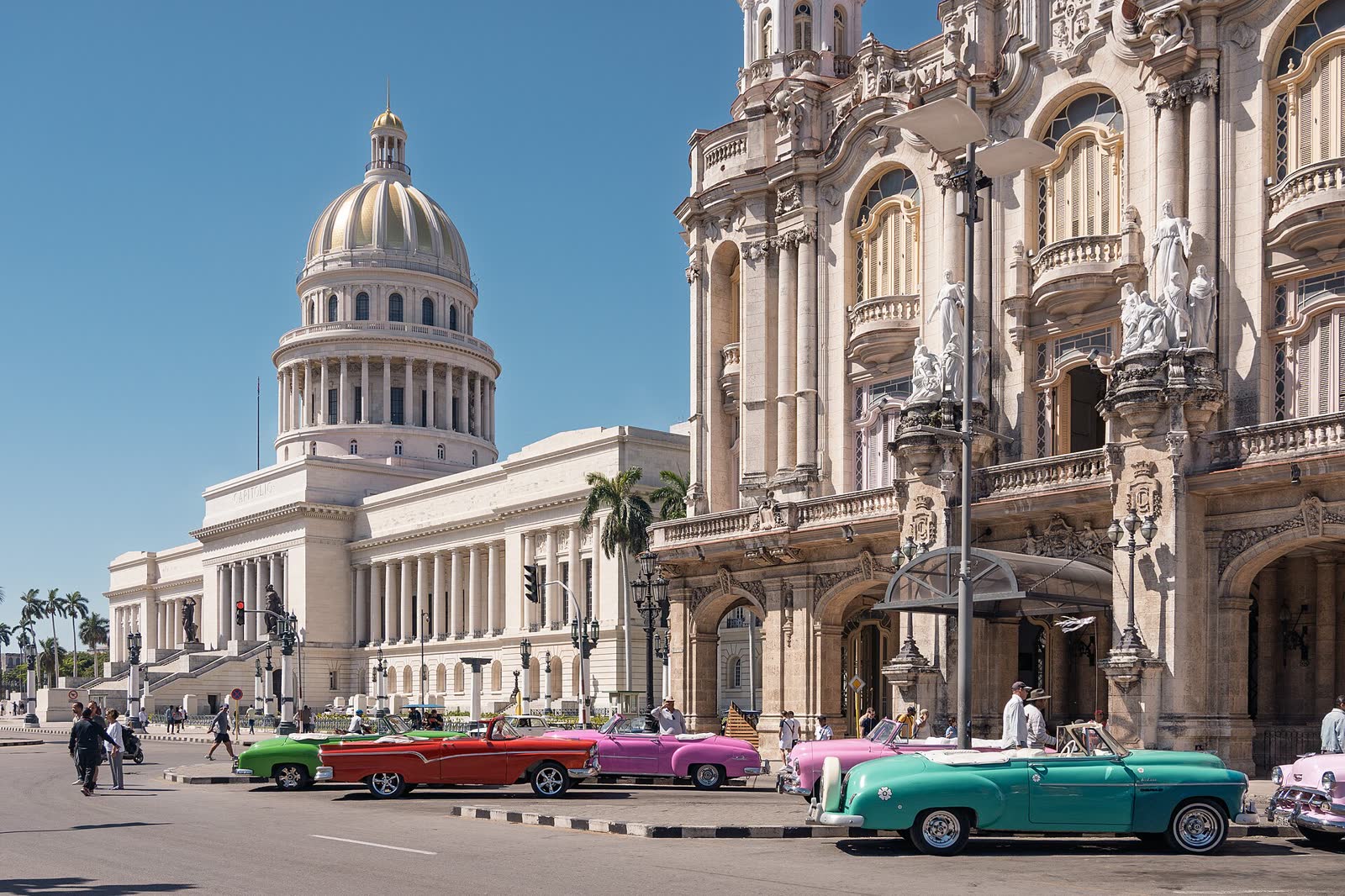
La Habana Province, Cuba
Havana
A crumbling, beautiful capital of colonial squares, a sea wall at sunset, art deco towers and music in every bar.
Read the guidePhoto: Fraganda, CC BY-SA 4.0 , via Wikimedia Commons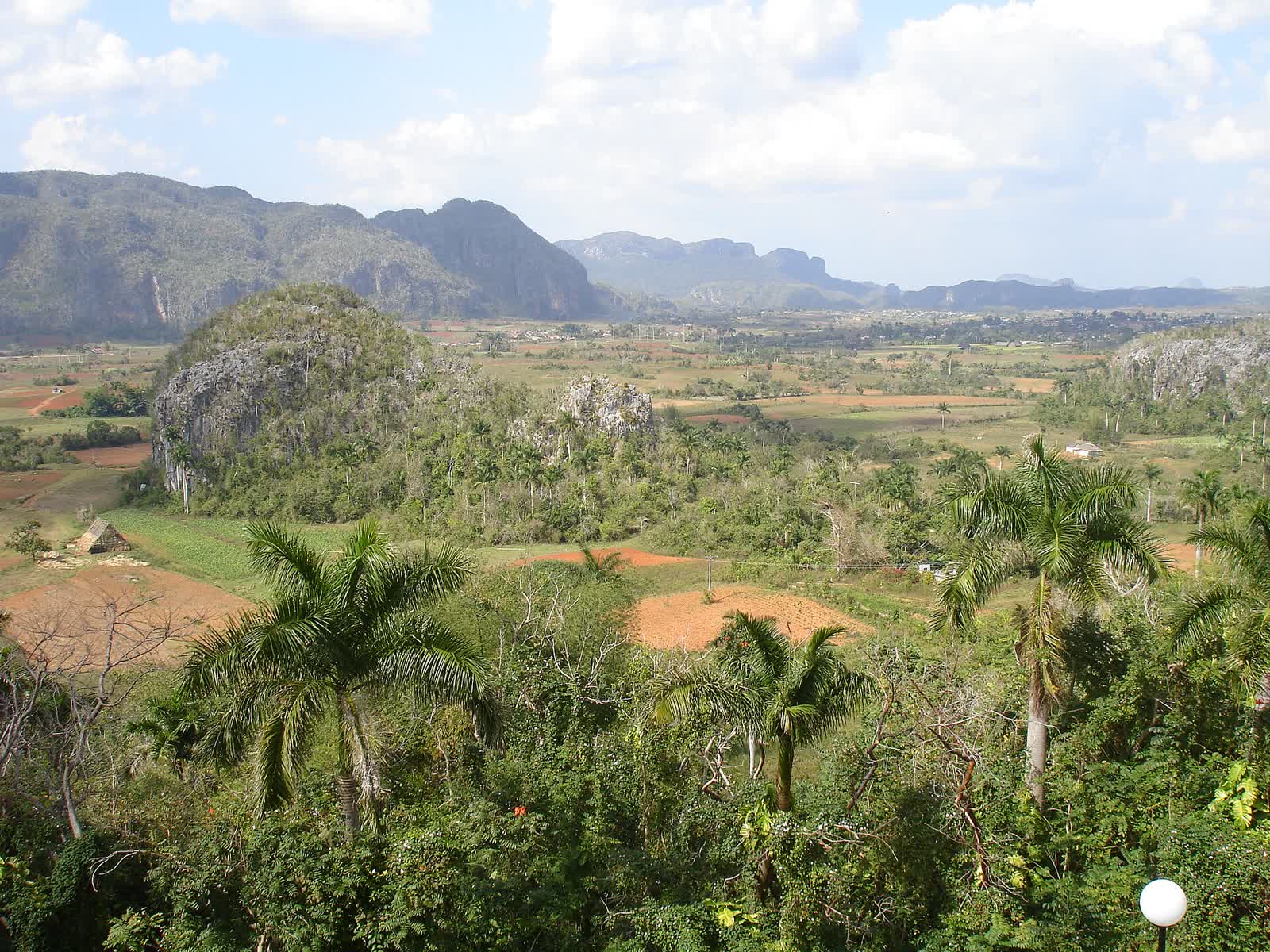
Pinar del Río Province, Cuba
Viñales
A UNESCO listed valley of limestone hills, tobacco farms and red earth, with a relaxed village at its heart.
Read the guidePhoto: Mauro Didier, CC0, via Wikimedia Commons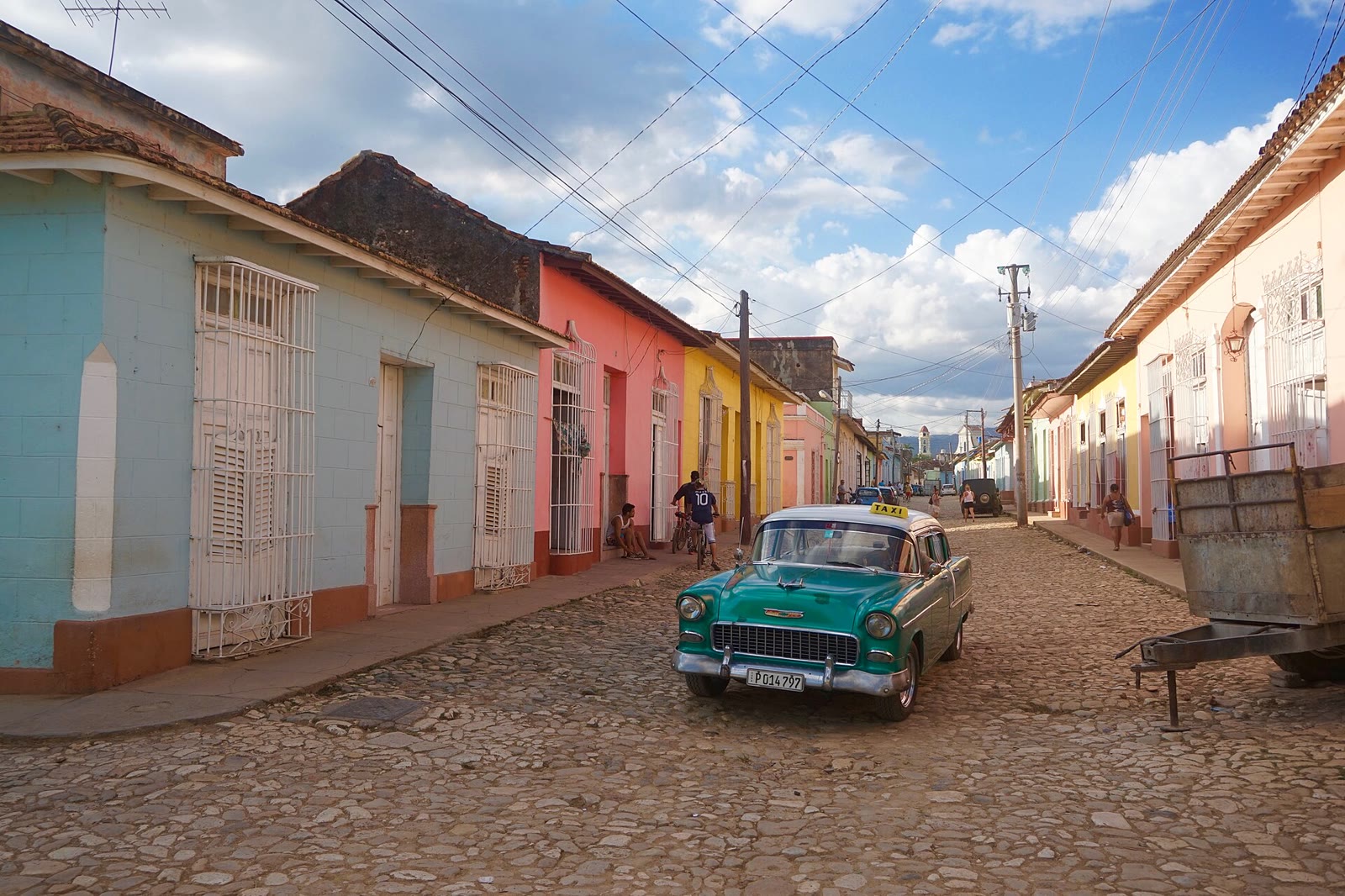
Sancti Spíritus Province, Cuba
Trinidad
A perfectly preserved sugar boom town of cobbled lanes and pastel houses, with music every night and the beach and mountains close by.
Read the guidePhoto: Elena.laps, CC BY-SA 4.0 , via Wikimedia Commons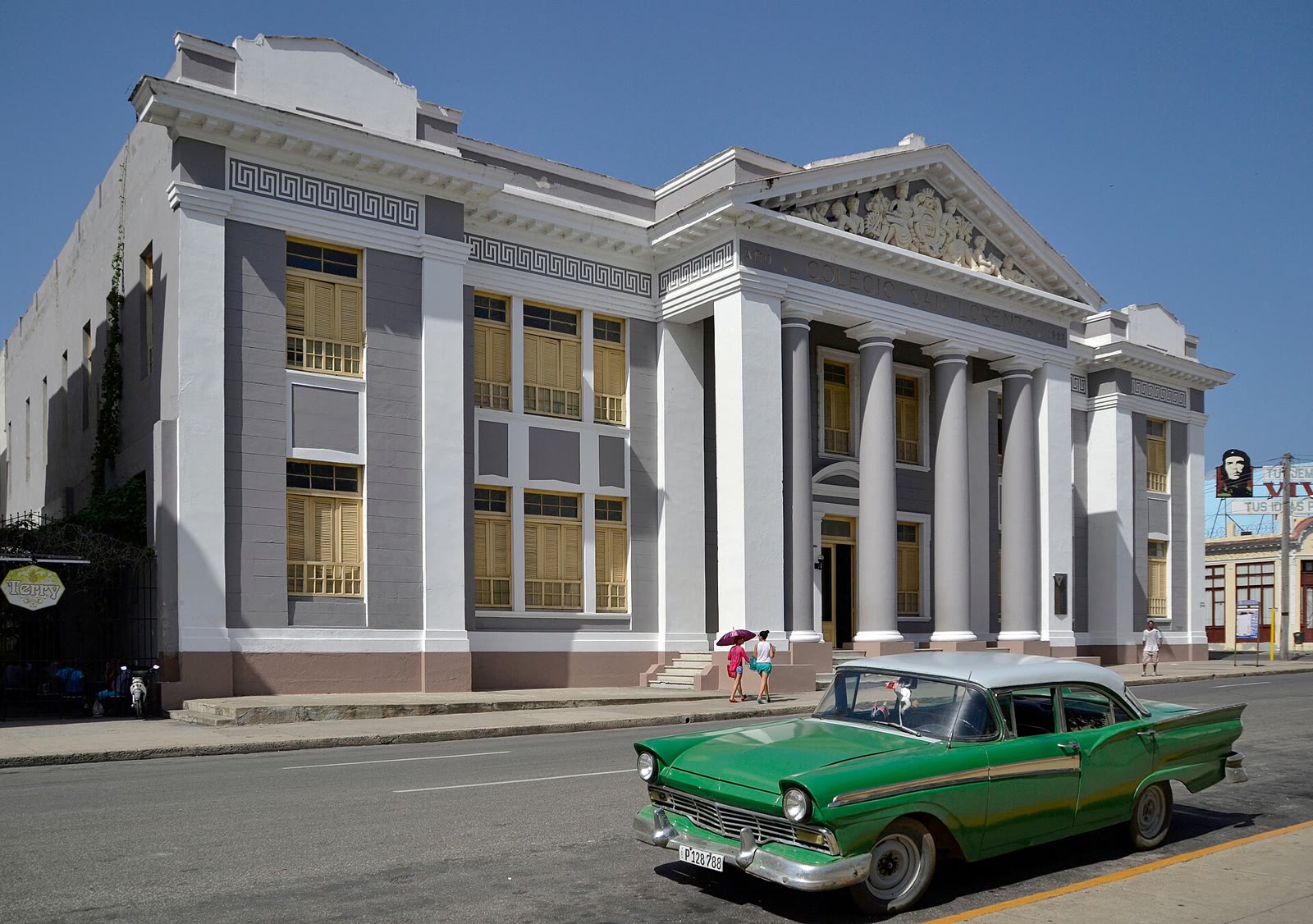
Cienfuegos Province, Cuba
Cienfuegos
An elegant bay city founded by French settlers, with neoclassical squares, a seaside promenade and waterfalls in the hills.
Read the guidePhoto: Photographer: Mosbatho, CC BY 4.0 , via Wikimedia Commons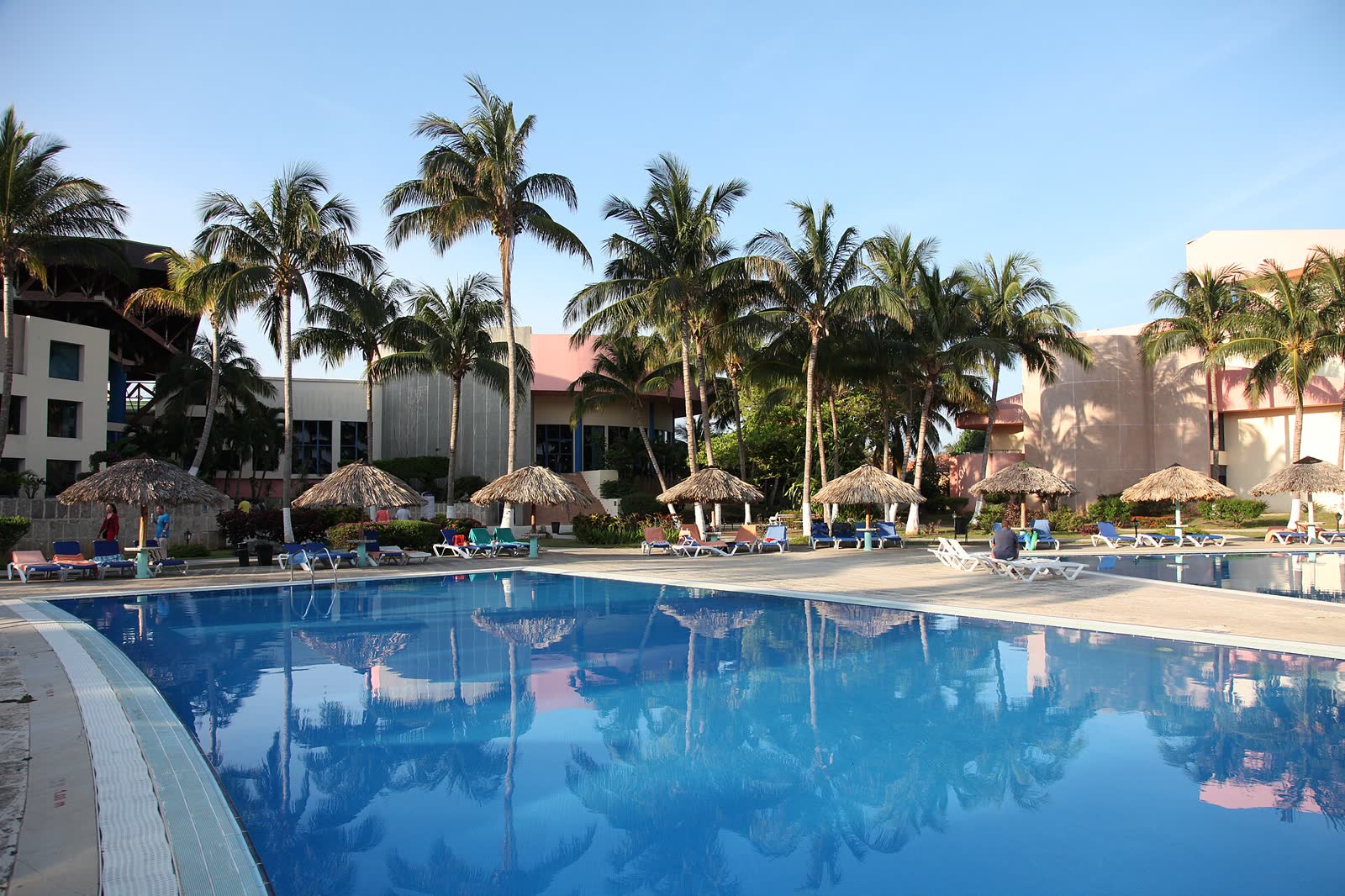
Matanzas Province, Cuba
Varadero
A long, thin peninsula of white sand and turquoise water, with big resorts at one end and a small, walkable town at the other.
Read the guidePhoto: Marc-Lautenbacher, CC BY-SA 4.0 , via Wikimedia Commons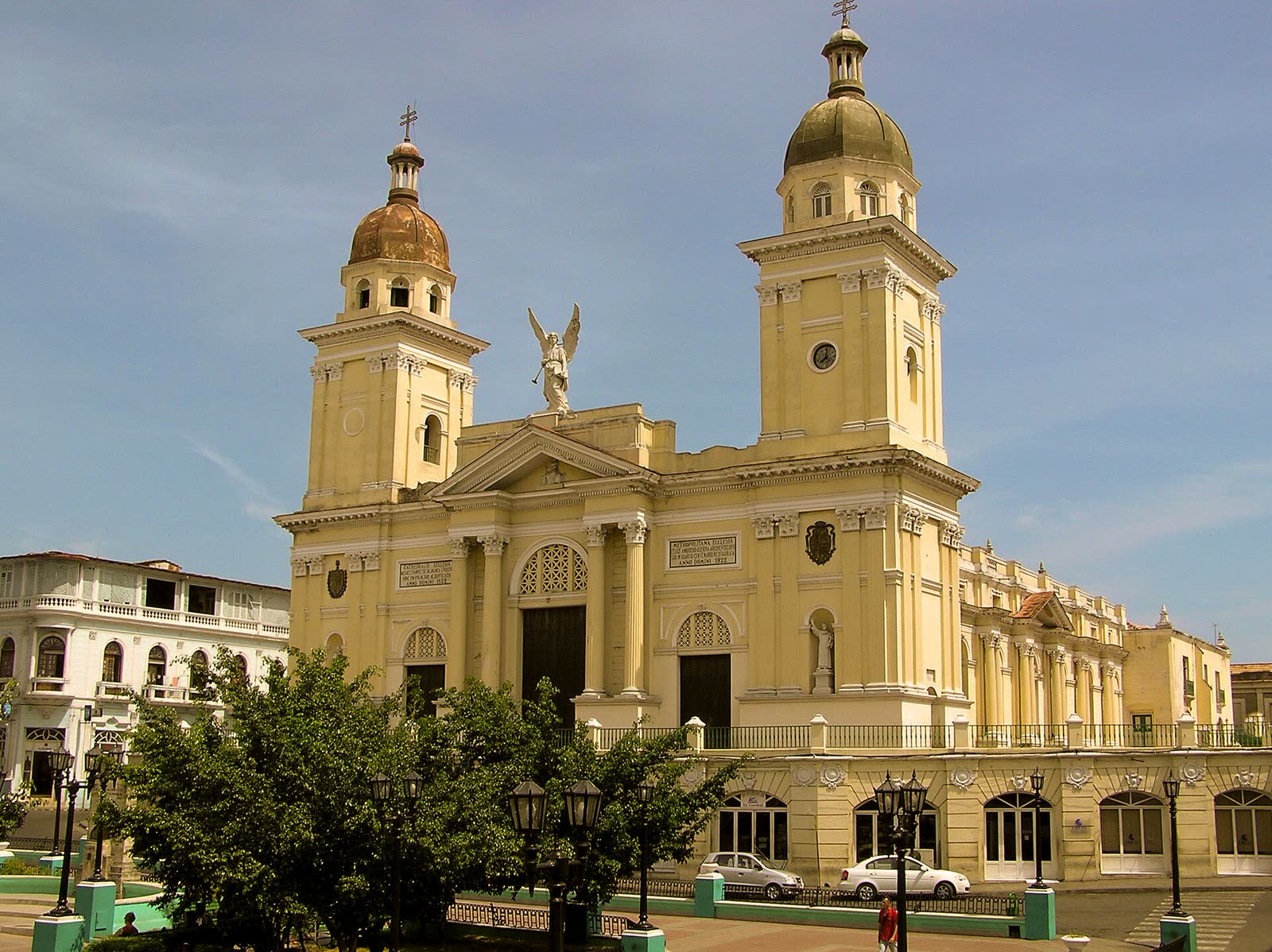
Santiago de Cuba Province, Cuba
Santiago de Cuba
Cuba's hot, hilly second city, the home of son and carnival, with Afro Caribbean roots and deep revolutionary history.
Read the guidePhoto: BluesyPete, CC BY-SA 3.0 , via Wikimedia Commons
A note from our founder
A note from our founder
My first time visiting Kenya, I was genuinely surprised with how fast it began feeling like home. The people are so friendly, the food is delicious and familiar, and the accommodations are modern and upscale.
During my travels throughout the continent, I commonly hear tourists share stories about being scammed or taken advantage of, which is both frustrating and disheartening.
Living in Kenya for the last 2 years, I have had the great fortune to meet a network of wonderful Kenyans who have continuously help guide my family's journey. Their shared knowledge has not only greatly enhanced our overall experience here, but it has also saved us tons of time, energy, and resources.
With BlissPoint Travel, my hope is to build a global community that is willing to share useful, uncommon knowledge so that we can all blissfully enjoy the wonders our world has to offer.
Questions we hear most
Is Cuba a good choice for first-time visitors?
Yes, if you go prepared. Cubans are welcoming, violent crime against visitors is uncommon and the main sights are easy to reach. The challenges are practical: power cuts, shortages of food, fuel and medicine, slow internet and a cash economy. Plan for those and Cuba is unforgettable.
Do I need a visa for Cuba?
Most visitors need a tourist card, also called a tourist visa, and every traveller must complete the online D'Viajeros form before arrival. Rules and how you get the card depend on your passport and airline, so check the Cuban embassy in your country and your own government's travel advice before you book.
Can Americans travel to Cuba?
US citizens and residents can visit only under one of the authorised categories set by the US Treasury, such as support for the Cuban people or family visits, and tourism as such is not permitted under US law. Read the US Treasury Cuba sanctions pages and the State Department's Cuba page before you plan.
What money should I bring to Cuba?
Bring enough cash for your whole trip, ideally in euros or US dollars in clean, undamaged notes. Cards issued by US banks do not work, and other foreign cards and ATMs are unreliable. The local currency is the Cuban peso, and the rate in the street differs from the official one.
When is the best time to visit Cuba?
November to April is dry, warm and the most comfortable time. May to October is hotter and wetter, and June to November is hurricane season, with the highest risk from August to October.
How many days do I need in Cuba?
Ten days to two weeks suits most first visits: three or four nights in Havana, two or three in Viñales, three in Trinidad with a stop in Cienfuegos, and a few days on the beach. Allow extra time, because transport in Cuba is often delayed.
Ready to find your Bliss in Cuba?
Tell us your dates and interests and use the free trip planner to shape a Cuba trip that feels easy.