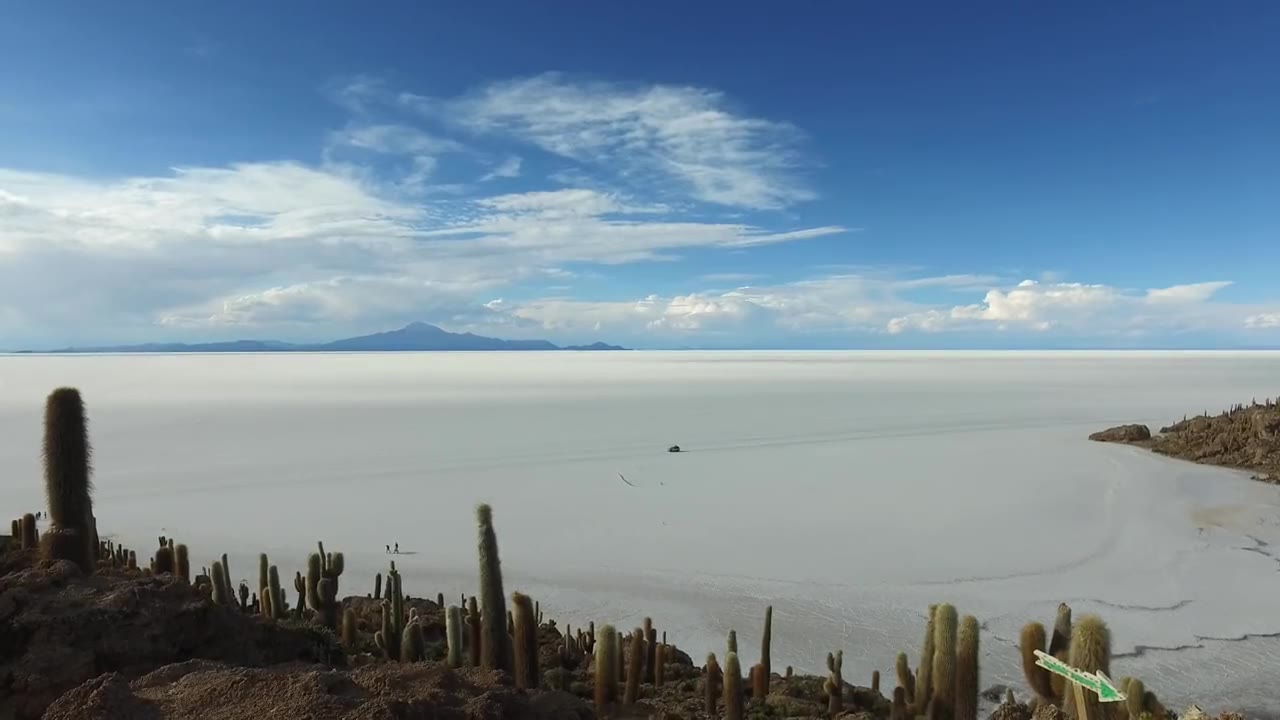
Isla Incahuasi, Salar de Uyuni, Video: Nomadik Footprints, CC BY 3.0, via Wikimedia Commons
Find your Bliss in Bolivia
Bolivia, made simple: the mirror of the salt flats, cable cars over La Paz and sacred islands on Lake Titicaca, without the worry
Bolivia is one of the most dramatic and least crowded countries in South America. La Paz spills down a canyon at the edge of the Altiplano, the Salar de Uyuni turns the sky into a mirror, Lake Titicaca holds Inca islands, and white colonial Sucre sits in a mild valley. This guide explains altitude, entry, money, safety and getting around, so you can travel with confidence.
Your trip, step by step
- Before you flyEntry rules, vaccinations, altitude and seasons, answered
- LandingEl Alto or Viru Viru airport and your first slow hours at altitude
- Your days in BoliviaCity, salt flats, lake and valleys, paced for your body
- Home againRoad blockades, departure tax and last-day tips covered
Where to go, eat and stay
- Plain answersClear, honest guidance on the questions first-timers actually ask.
- Official sourcesEntry, health and safety facts point you to the official pages to confirm.
- No price surprisesWe explain how cash, cards and exchange work in Bolivia, so your budget holds.
- Free to useEvery guide and the trip planner are free.
Our promise
Bolivia should feel like an adventure, not a worry. We answer the questions about altitude, transport and safety before they start, so you arrive confident and ready to find your Bliss.
First trip to the Andes, or coming back to see family in La Paz, Cochabamba, Santa Cruz or anywhere in between? This guide was written with you in mind.
How to use this guide
Four steps from first idea to a trip that feels easy.
- Choose your BoliviaLa Paz, the salt flats, Lake Titicaca, Sucre or the lowlands: start with the destinations.
- Sort the essentialsEntry rules, yellow fever advice, insurance and the right season, checked against official sources.
- Pick your placesUse our places to visit list for markets, salteña spots, peñas, hikes and stays in each area.
- Plan your routeUse the free trip planner to climb slowly, allow for long road journeys and leave a spare day for blockades.
Everything your Bolivia trip needs
Free tools and guides for every stage of the journey.
Destinations
La Paz, the Salar de Uyuni, Lake Titicaca, Sucre and Santa Cruz, each explained in depth.
Explore destinationsPlaces to visit
More than a hundred markets, cafés, peñas, viewpoints, trails and stays, from classics to hidden corners.
See places to visitFlights and stays
Search flights into La Paz and Santa Cruz and stays in each area.
Plan travelPlaces finder
Restaurants, sights and stays mapped around each base.
Find placesFree trip planner
Tell us your dates and interests and build a route that fits.
Plan your trip
The classic Bolivia trip
Canyon city, sacred lake, then the salt
Most first trips start in La Paz, with a couple of easy days to adjust to the altitude, then head to Copacabana and the Isla del Sol on Lake Titicaca. From there, an overnight bus or short flight takes you to Uyuni for a three day jeep journey across the salt flats and the coloured lagoons. Sucre, lower and gentler, makes a restful finish.
- Cable car rides over La Paz and El Alto
- Sunrise on the Isla del Sol
- Three days across the Salar and the Lípez lagoons
- Whitewashed streets and dinosaur tracks in Sucre
Start with the destinations
See how the capital, the lake, the salt flats and the valleys fit together.
Bolivia destinationsPlan with confidence
Your route, without the worry
Bolivia rewards a gentle pace: climb slowly, carry cash, check road conditions before long journeys and build a buffer day into your plans. Our free planner helps you shape a route that respects the altitude and the distances.
- Sensible altitude pacing from day one
- Realistic bus, flight and tour timings
- Seasonal tips for the wet and dry months
Where to go in Bolivia
Five bases that cover the country's highlands, salt flats, lake and lowlands.
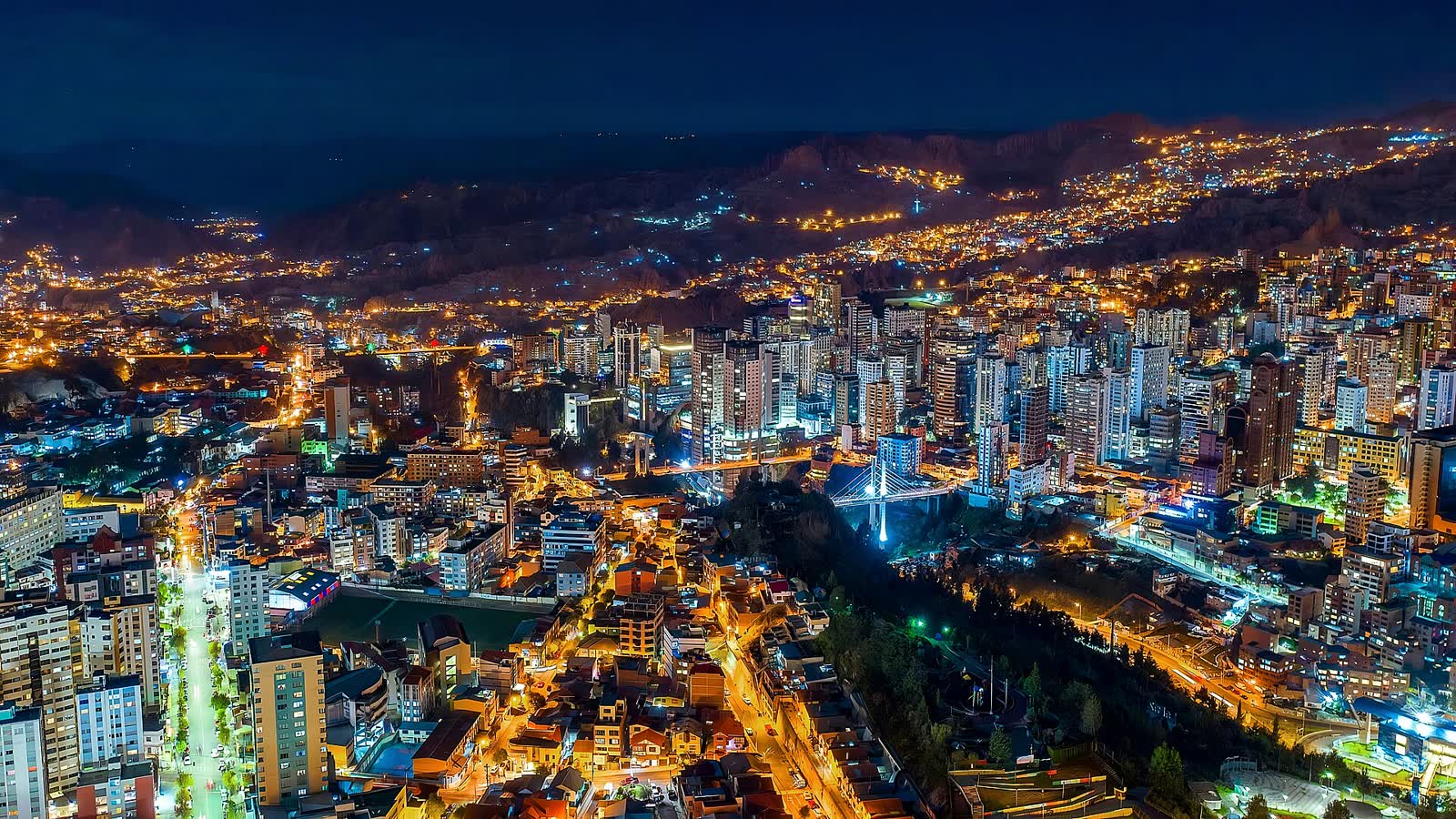
La Paz department, western Bolivia
La Paz
Bolivia's seat of government, a canyon city of cable cars, busy markets and snow-capped peaks at around 3,600 metres.
Read the guidePhoto: Parallelepiped09, CC BY-SA 4.0 , via Wikimedia Commons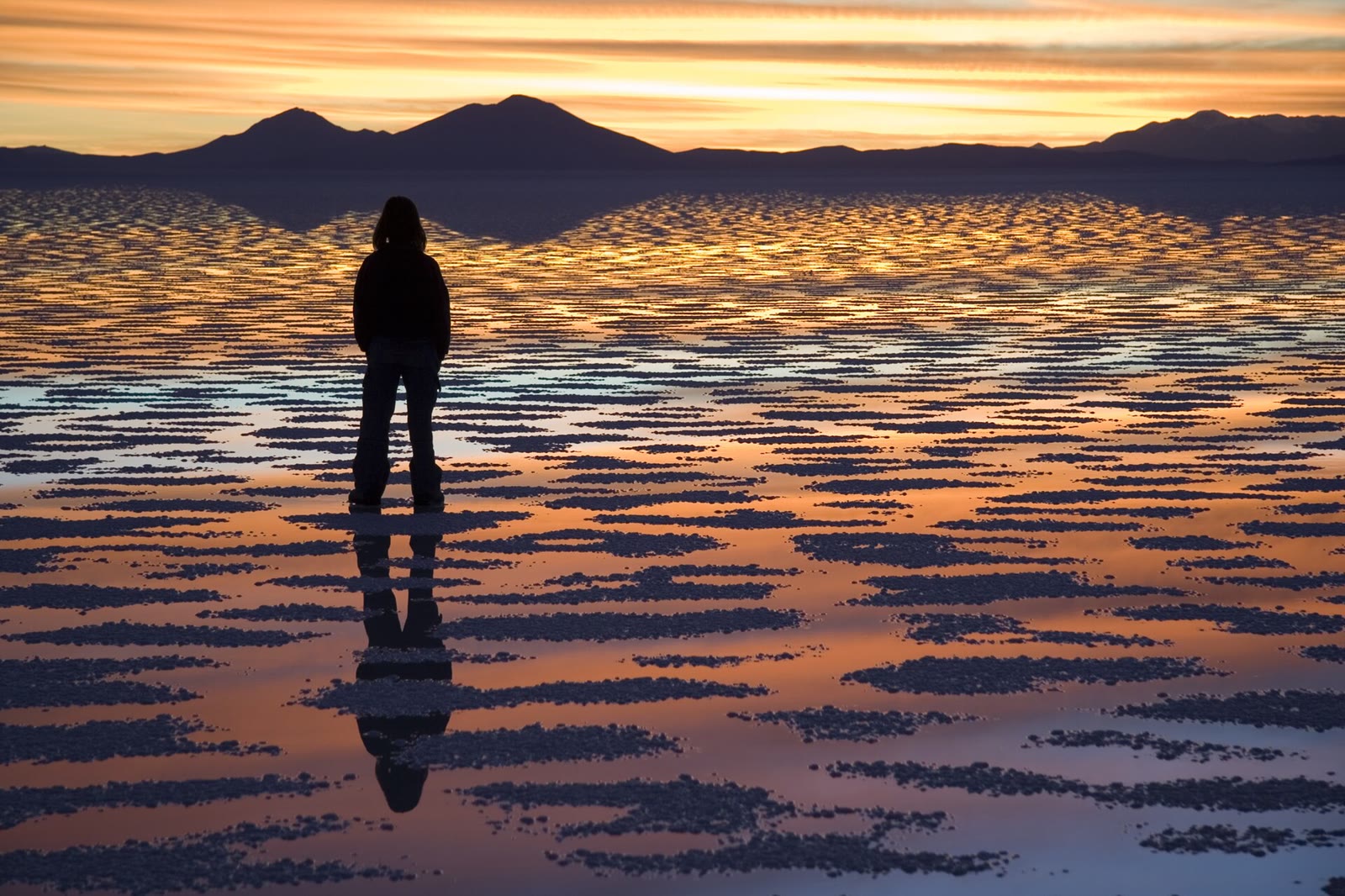
Potosí department, southwest Bolivia
Salar de Uyuni
The world's largest salt flat, a dazzling white plain that becomes a giant mirror in the rainy season, with flamingo lagoons beyond.
Read the guidePhoto: Luca Galuzzi (Lucag), CC BY-SA 2.5 , via Wikimedia Commons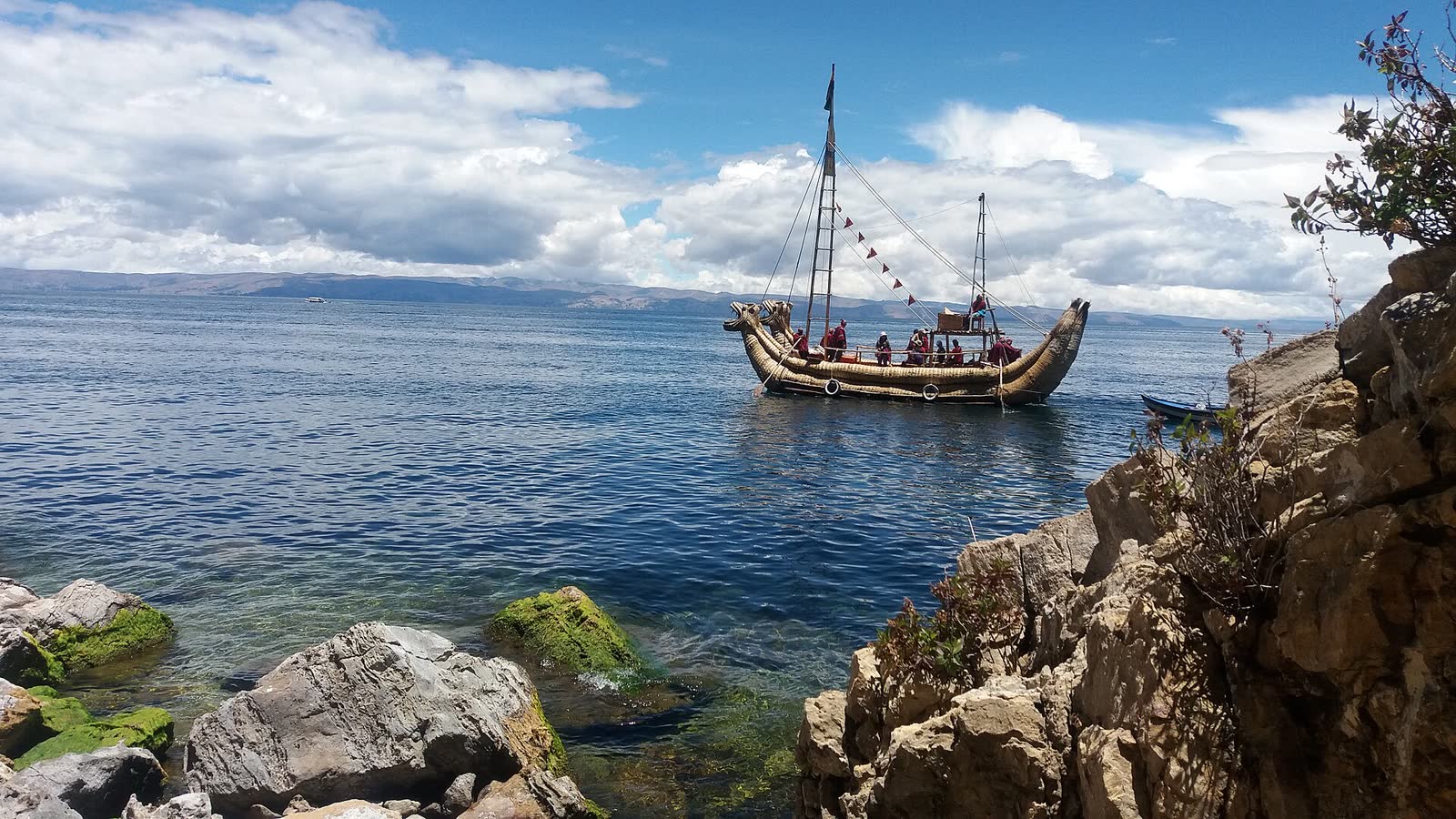
La Paz department, on the border with Peru
Lake Titicaca
The sacred lake of the Incas, with the pilgrimage town of Copacabana and car free islands of terraces, ruins and deep blue water.
Read the guidePhoto: Qhanaaru, CC0, via Wikimedia Commons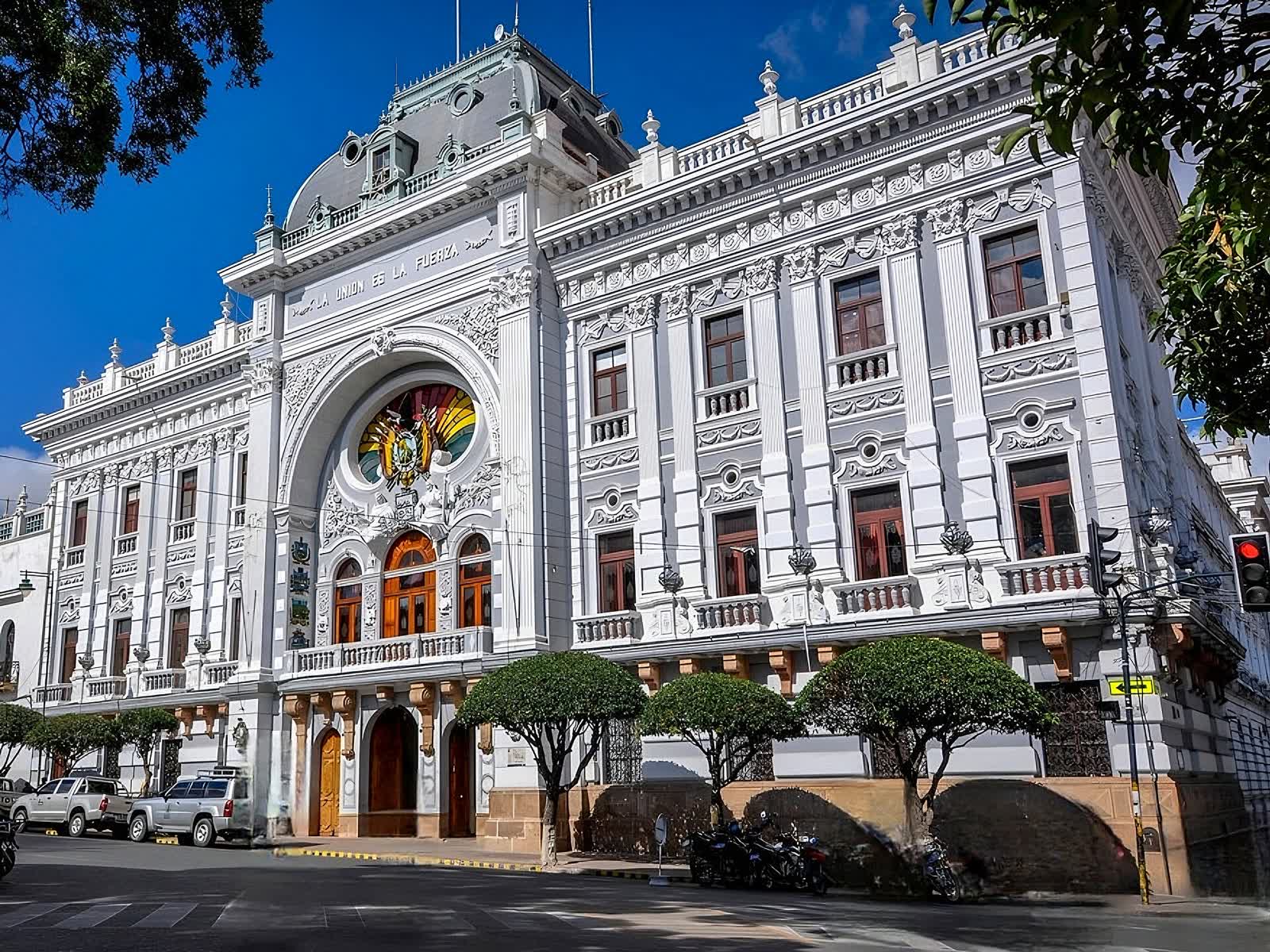
Chuquisaca department, south central Bolivia
Sucre
Bolivia's constitutional capital, a UNESCO listed colonial city of whitewashed streets, mild weather and relaxed plazas.
Read the guidePhoto: Parallelepiped09, CC BY-SA 4.0 , via Wikimedia Commons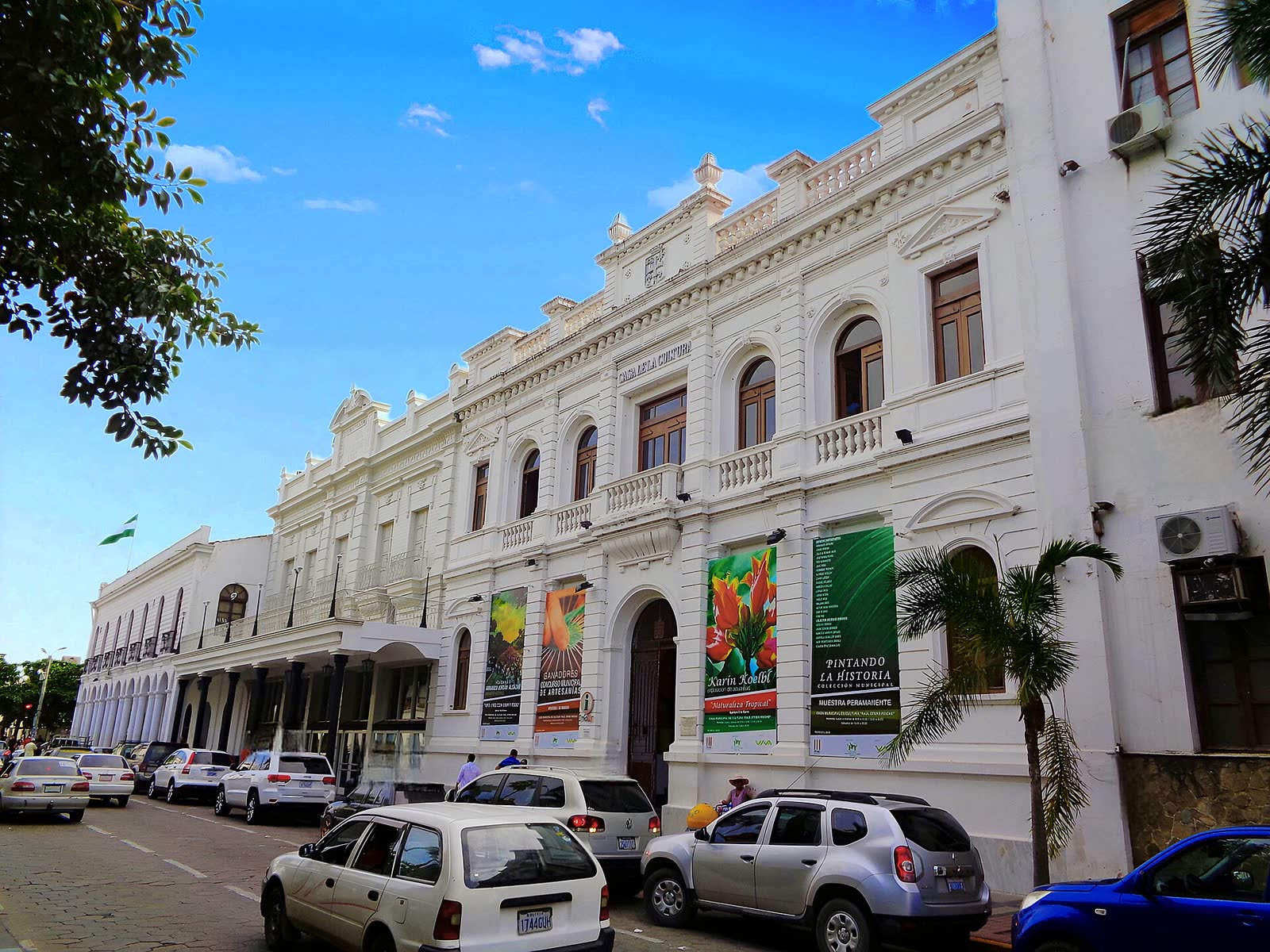
Santa Cruz department, eastern Bolivia
Santa Cruz
Bolivia's largest and warmest city, a lowland hub with a busy nightlife and easy trips to cloud forest, dunes and Jesuit missions.
Read the guidePhoto: Parallelepiped09, CC BY-SA 4.0 , via Wikimedia Commons
A note from our founder
A note from our founder
My first time visiting Kenya, I was genuinely surprised with how fast it began feeling like home. The people are so friendly, the food is delicious and familiar, and the accommodations are modern and upscale.
During my travels throughout the continent, I commonly hear tourists share stories about being scammed or taken advantage of, which is both frustrating and disheartening.
Living in Kenya for the last 2 years, I have had the great fortune to meet a network of wonderful Kenyans who have continuously help guide my family's journey. Their shared knowledge has not only greatly enhanced our overall experience here, but it has also saved us tons of time, energy, and resources.
With BlissPoint Travel, my hope is to build a global community that is willing to share useful, uncommon knowledge so that we can all blissfully enjoy the wonders our world has to offer.
Questions we hear most
Do I need a visa to visit Bolivia?
It depends on your passport. Some nationalities enter visa-free for a short stay, while others need a visa in advance or on arrival. Check the Bolivian Ministry of Foreign Affairs and the nearest Bolivian embassy before you book, as the rules have changed in recent years.
How bad is the altitude in Bolivia?
La Paz, Lake Titicaca, Potosí and Uyuni all sit well above 3,500 metres, so most visitors feel short of breath and some get headaches at first. Rest on day one, drink water, avoid alcohol early on and speak to a doctor before travel about prevention.
Is Bolivia safe for tourists?
Most visits are trouble free, but petty theft, fake police scams and road blockades during protests do happen. Read your government's current travel advice, use registered radio taxis and follow local news before long road journeys.
What is the best time to visit Bolivia?
May to October is the dry season, with clear skies and cold nights in the highlands. January to March brings rain, and with it the famous mirror effect on the Salar de Uyuni, but also flooded roads in places.
Can I use cards in Bolivia?
Cards work in larger hotels, some restaurants and supermarkets in big cities, but Bolivia is still mainly a cash country. Carry bolivianos in small notes, especially for markets, buses, tours and anywhere outside La Paz, Santa Cruz and Sucre.
How many days do I need in Bolivia?
Ten to fourteen days covers La Paz, Lake Titicaca, the Uyuni salt flats and Sucre at a comfortable pace with time to adjust to altitude. Add more for the Amazon lowlands or Santa Cruz.
Ready to plan your Bolivia trip?
Use the free trip planner to build a calm, realistic route, or contact us with any question.