At a glance
- Best for
- Colonial architecture, history, Spanish classes and a gentler altitude
- Main airport
- Alcantarí International (SRE), about thirty kilometres from town
- Altitude
- About 2,800 metres
- Time needed
- Three to five days
- Best season
- April to October, though the climate is mild all year
- Getting around
- Walking, taxis and local minibuses
Why go
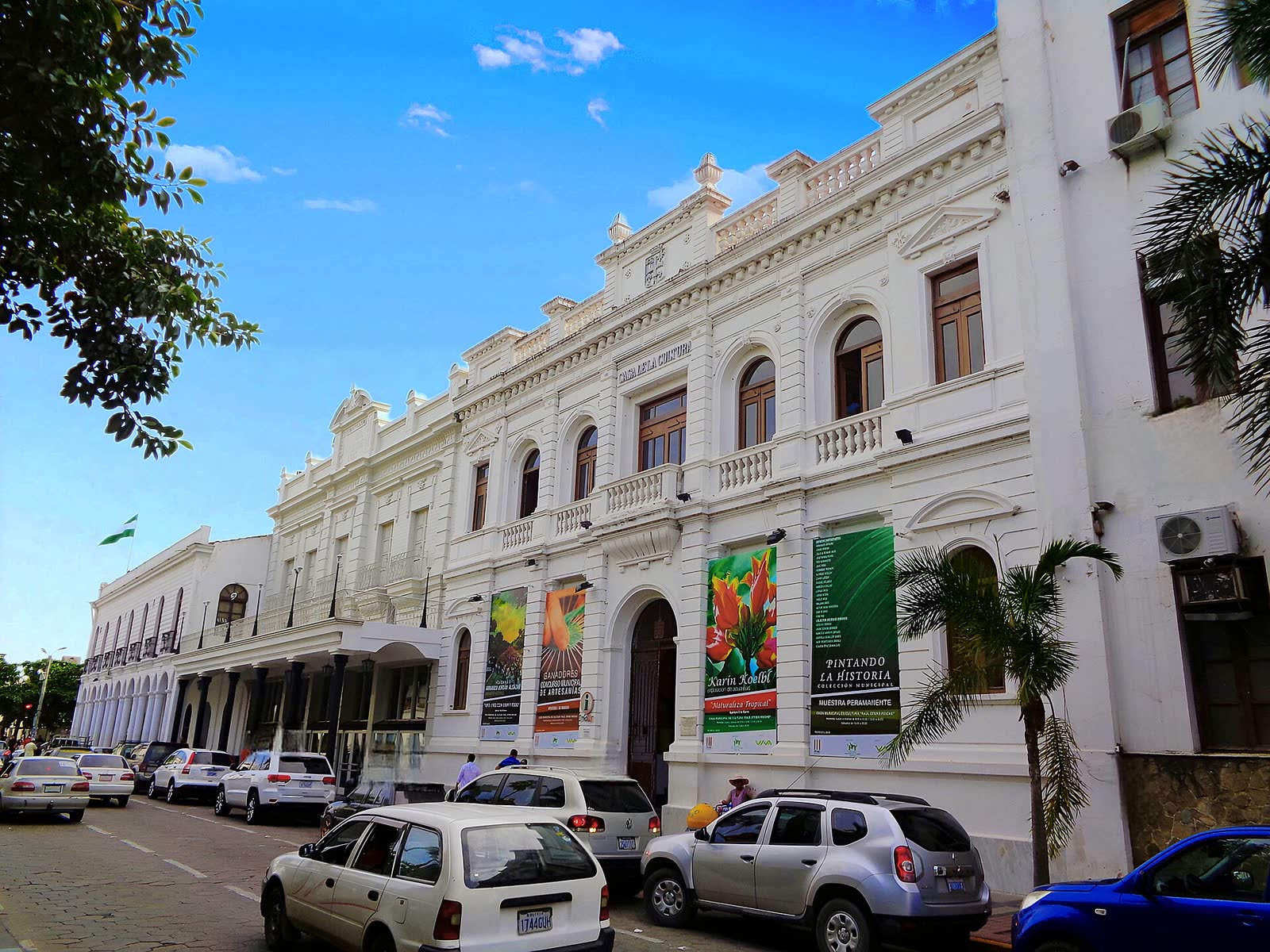
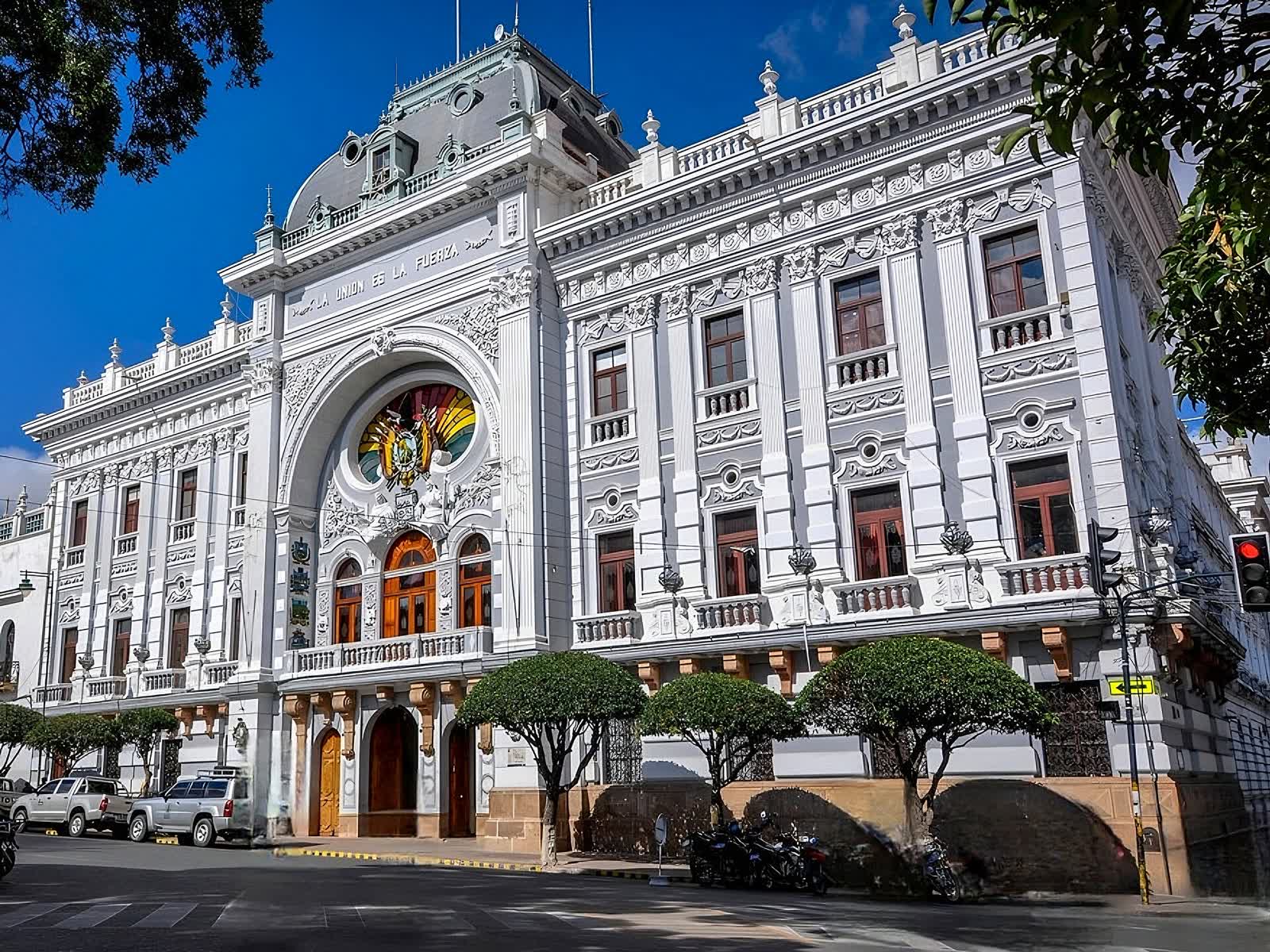
Sucre is where Bolivia declared independence in 1825, and its history is everywhere: in the churches and convents, the university founded in 1624, and the white facades with wooden balconies around the main square. It is a calm, walkable city with good cafés, a lively student population and some of the best value Spanish schools in South America.
The old town
Start at **Plaza 25 de Mayo**, the leafy main square, where locals sit in the sun and the cathedral rises on one side. The **Casa de la Libertad**, also on the plaza, is the building where the declaration of independence was signed and is the country's most important history museum. Guided visits explain Bolivia's founding and its early heroes, including Juana Azurduy.
Walk uphill to the **Recoleta** viewpoint, where a Franciscan monastery overlooks red tiled roofs and the hills beyond. The arches of the plaza here are the classic spot for sunset. Several churches, such as **San Felipe Neri**, allow visitors onto their rooftops for wide views of the city.
Museums and culture
The **Museo de Arte Indígena** (ASUR) showcases the fine weaving traditions of the Jalq'a and Tarabuco communities, with demonstrations by weavers. The **Cementerio General** is a peaceful, tree lined cemetery that locals enjoy walking through. In the evening, look for folk music and dance shows around the centre.
Dinosaur tracks
Just outside the city, at a cement quarry, a near vertical limestone wall holds thousands of dinosaur footprints. **Parque Cretácico** has a viewing platform, life size models and guided walks closer to the wall at set times. A tourist bus runs from the main plaza.
Day trips
On Sundays, the village of **Tarabuco** holds a large market where people from surrounding communities come to trade, many in traditional dress. In March, it hosts the **Pujllay** festival, one of the country's most colourful. Hikers can explore the **Cordillera de los Frailes** and the **Maragua Crater**, a red and purple bowl of folded rock, best with a local guide who can arrange community homestays.
Food and drink
Sucre is known for chocolate, with several long established chocolatiers around the plaza. The **Mercado Central** is a fun place for fruit juices, sandwiches and simple lunches, and the city's take on chorizo, **chorizo chuquisaqueño**, is a local favourite. Salteñas are good here too.
Getting there and around
Sucre has flights from La Paz, Santa Cruz and Cochabamba. Buses connect it with Potosí in about three hours and with La Paz overnight. The centre is compact and best explored on foot, with taxis cheap and plentiful for longer trips.
Where to stay
Stay within a few blocks of Plaza 25 de Mayo or around the Recoleta to walk everywhere. The city has a good range, from hostels popular with language students to restored colonial mansions with courtyards.
When to go
Sucre is pleasant all year, with sunny, mild days and cool nights. The rainy months from December to March bring afternoon showers but rarely spoil a visit. Independence celebrations on 25 May and the Pujllay festival in nearby Tarabuco in March are lively times to be in the area, so book rooms early.
Questions about Sucre
Is Sucre the capital of Bolivia?
Yes, Sucre is the constitutional capital and seat of the judiciary. The government and parliament are based in La Paz.
Is Sucre a good place to learn Spanish?
Yes. It is one of the most popular cities in South America for Spanish classes, with many schools, homestays, a clear local accent and a relaxed pace of life.
How do I get from Sucre to Uyuni?
Most travellers go by bus via Potosí, which takes around eight to nine hours in total, often with a night in Potosí. There are also direct night buses.
Is altitude a problem in Sucre?
Less than in the highlands. At about 2,800 metres most people feel only mild effects, which is why many use Sucre to rest between La Paz and the salt flats.
Facts checked . Fees, schedules and entry rules change, so always confirm the latest with the official source.