At a glance
- Best for
- Markets, cable car views, culture, food and mountain day trips
- Main airport
- El Alto International (LPB), on the plateau above the city
- Altitude
- Roughly 3,200 to 4,100 metres depending on the district
- Time needed
- Three to four days, including rest for altitude
- Getting around
- Mi Teleférico cable cars, radio taxis and walking
- Good base for
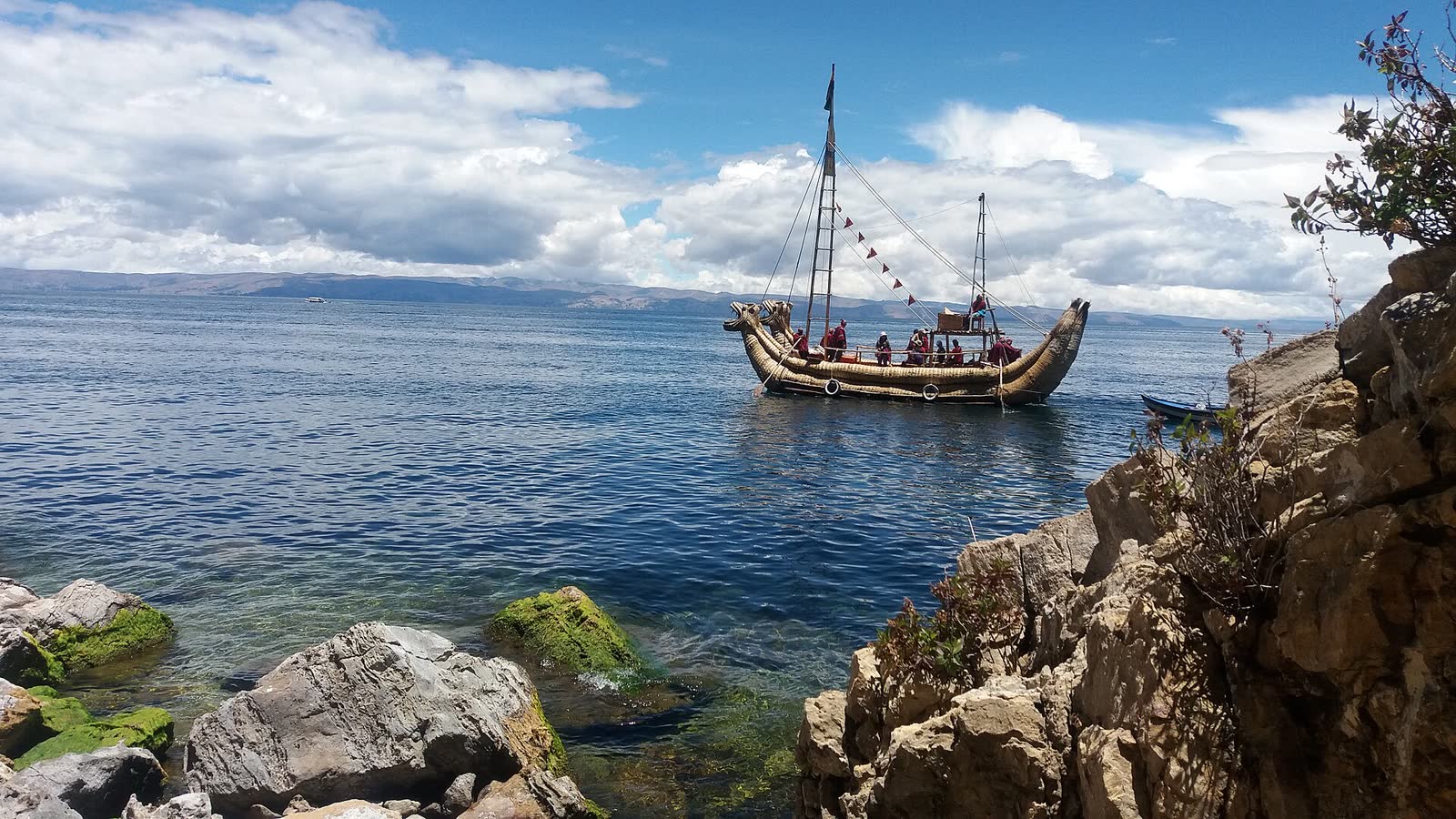
- Lake Titicaca, Tiwanaku, the Yungas and Huayna Potosí
Why go
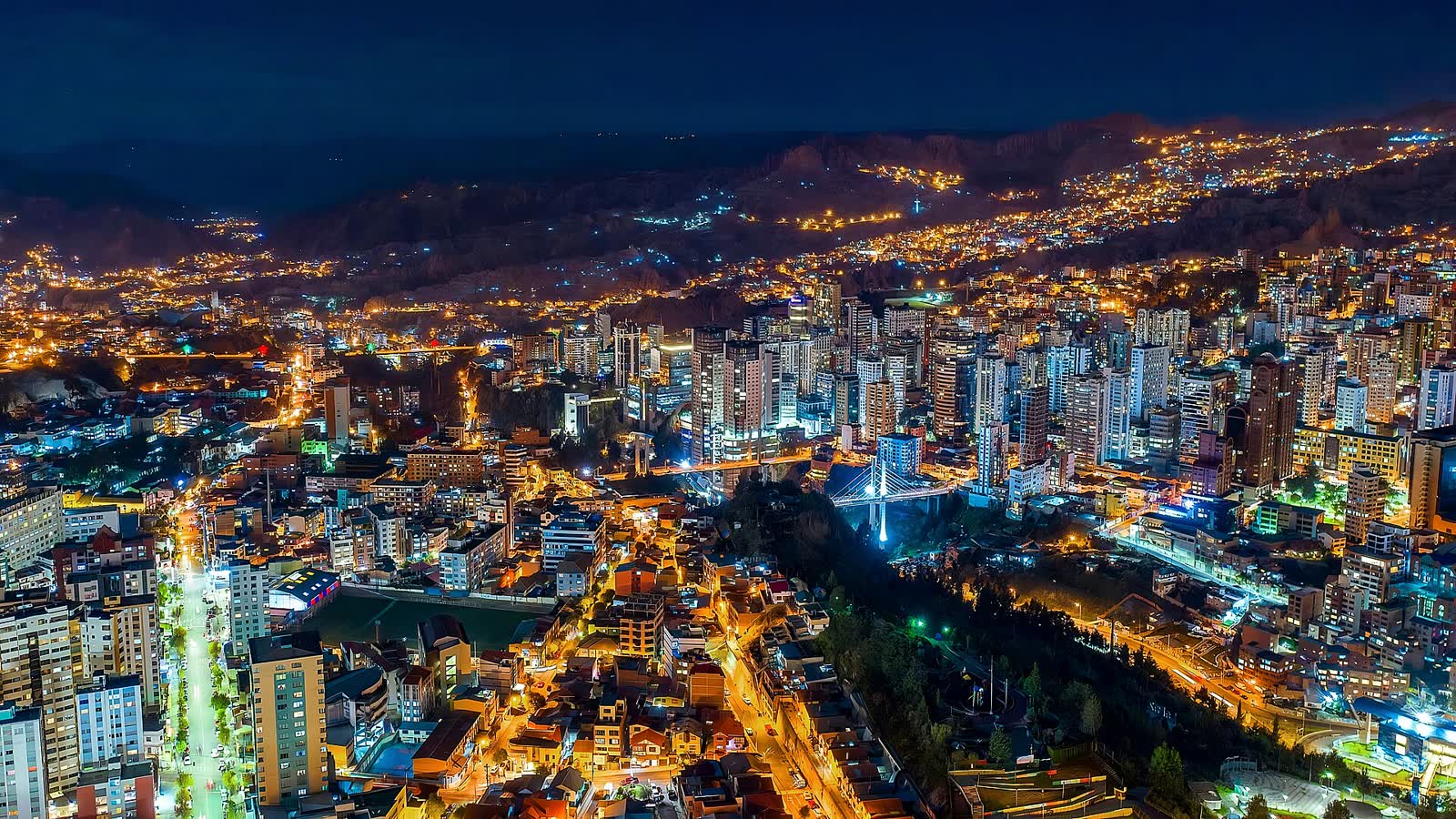
No other capital looks like La Paz. Red brick houses climb the canyon walls, cholitas in bowler hats and layered skirts run market stalls, and the snowy Cordillera Real fills the view from almost every corner. The city mixes colonial churches, Aymara traditions, a lively café scene and some of the most exciting new Bolivian cooking anywhere.
Getting your bearings
The city runs downhill from El Alto on the rim of the canyon to the leafy southern suburbs. The centre around **Plaza Murillo** holds the presidential palace, the cathedral and the parliament. Just west, the **Rosario** area around Calle Sagárnaga and Calle Linares is the backpacker and souvenir district, home to the famous **Witches' Market** with its dried llama foetuses, herbs and charms. Further down, **Sopocachi** is a residential neighbourhood of cafés, bars and restaurants, and the southern zone of **San Miguel** and **Calacoto** is lower, warmer and more modern.
What to do
Ride **Mi Teleférico**, the urban cable car system, for a cheap and spectacular overview of the city. The Red, Yellow and Silver lines give the best views, and a ride up to El Alto lets you see the huge **16 de Julio market**, held on Thursdays and Sundays. In the old town, walk **Calle Jaén**, the best preserved colonial street, with a cluster of small museums. **San Francisco Church** has a rooftop tour, and the **National Museum of Ethnography and Folklore** (MUSEF) explains masks, textiles and festivals beautifully.
On Sundays, the **cholita wrestling** shows in El Alto are loud, theatrical fun. South of the centre, **Valle de la Luna** is a maze of eroded clay spires, and the **Mirador Killi Killi** gives a classic sunset view.
Food and drink
Start the morning like a local with a **salteña**, a juicy baked pastry eaten mid morning, or an api morado corn drink with a buñuelo. Markets such as **Mercado Rodríguez** and **Mercado Lanza** sell fruit, cheese and set lunches. For an evening out, Sopocachi and San Miguel have the most choice, from classic peñas with folk music to modern restaurants using Andean grains, river fish and high altitude potatoes.
Day trips
The pre Inca ruins of **Tiwanaku** are about two hours west on the Altiplano. **Chacaltaya** and the Cordillera Real offer high mountain walks, and **Huayna Potosí** is a popular first big peak for climbers with a guide. The **Yungas Road**, once called the world's most dangerous road, is now mostly ridden by mountain bike groups; choose a well established operator with good bikes and safety gear.
Altitude and safety
El Alto airport is at over 4,000 metres, so take your first day slowly, drink water and eat lightly. Many people use coca tea. Speak to a doctor before travel about altitude medication. In crowds, watch for pickpockets and for the fake police and fake tourist scams described in government travel advice. Use radio taxis booked by your hotel or a ride-hailing app at night rather than hailing cars on the street.
Where to stay
First-timers often stay around Rosario and the centre for walking access to sights, or in Sopocachi for a quieter, more local feel with good restaurants. The southern zone is lower and warmer, which helps some people sleep better, but it is further from the old town.
Questions about La Paz
How many days do I need in La Paz?
Three days is a good minimum: one to rest and acclimatise, one for the centre and markets, and one for cable cars, El Alto and Valle de la Luna. Add extra days for Tiwanaku or mountain trips.
Is La Paz the capital of Bolivia?
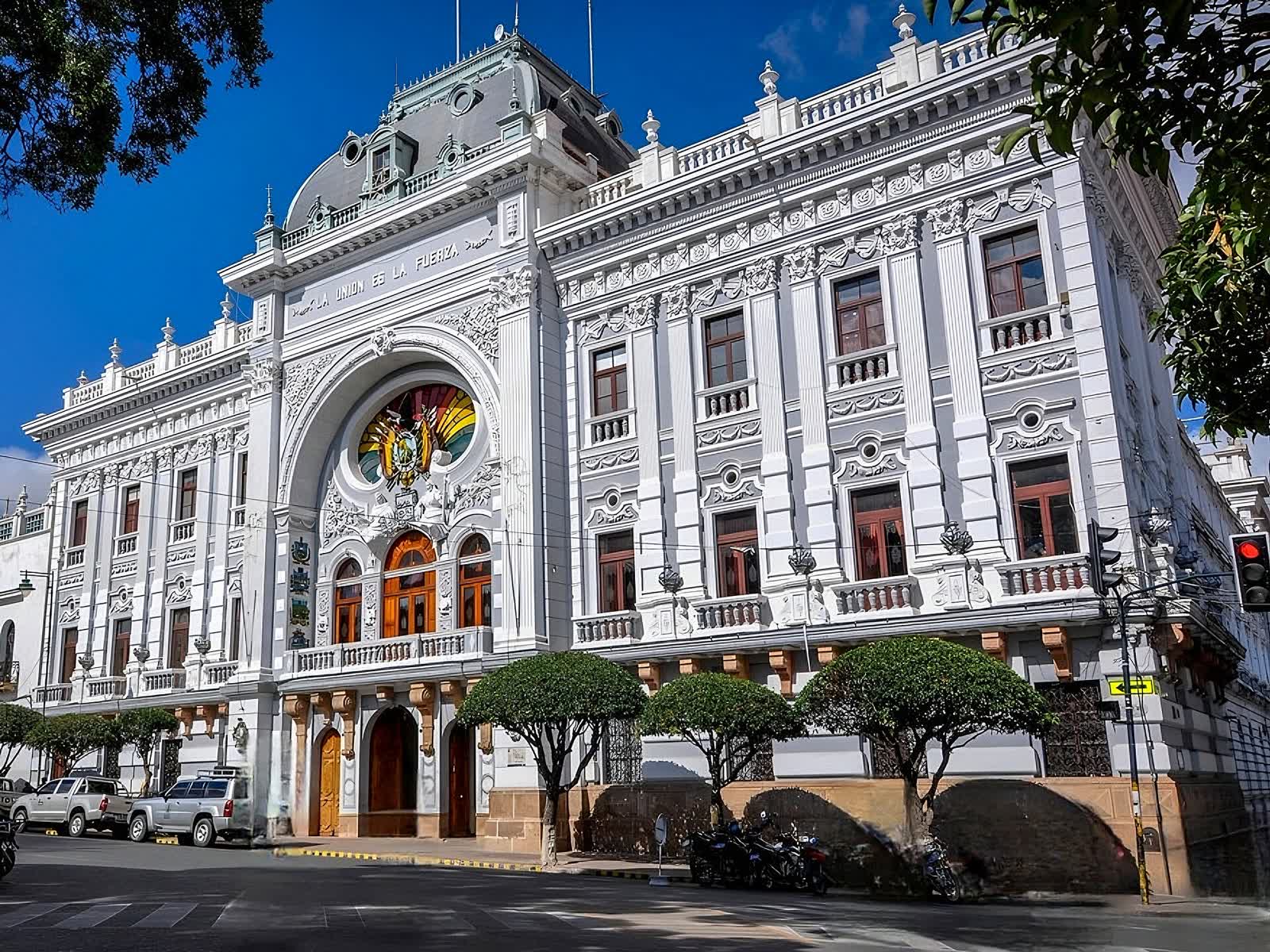
La Paz is the seat of government, where the president and parliament sit. Sucre is the constitutional capital and home of the Supreme Court.
Is La Paz safe for tourists?
Most visitors have no problems, but pickpocketing and taxi scams happen. Keep valuables hidden, use radio taxis or apps at night, and check your government's travel advice for current protest and blockade information.
How do I avoid altitude sickness in La Paz?
Arrive with a rest day planned, drink plenty of water, avoid alcohol and heavy meals for the first day or two, and walk slowly on hills. Ask your doctor about medication before you travel, and descend if symptoms are severe.
Facts checked . Fees, schedules and entry rules change, so always confirm the latest with the official source.