At a glance
- Best for
- Warm weather, nightlife, food and lowland nature
- Main airport
- Viru Viru International (VVI), Bolivia's busiest international gateway
- Altitude
- About 400 metres
- Time needed
- Two days in the city, more for Samaipata and the missions
- Best season
- May to September for drier, cooler days
- Getting around
- Taxis, ride-hailing apps and micro buses
Why go
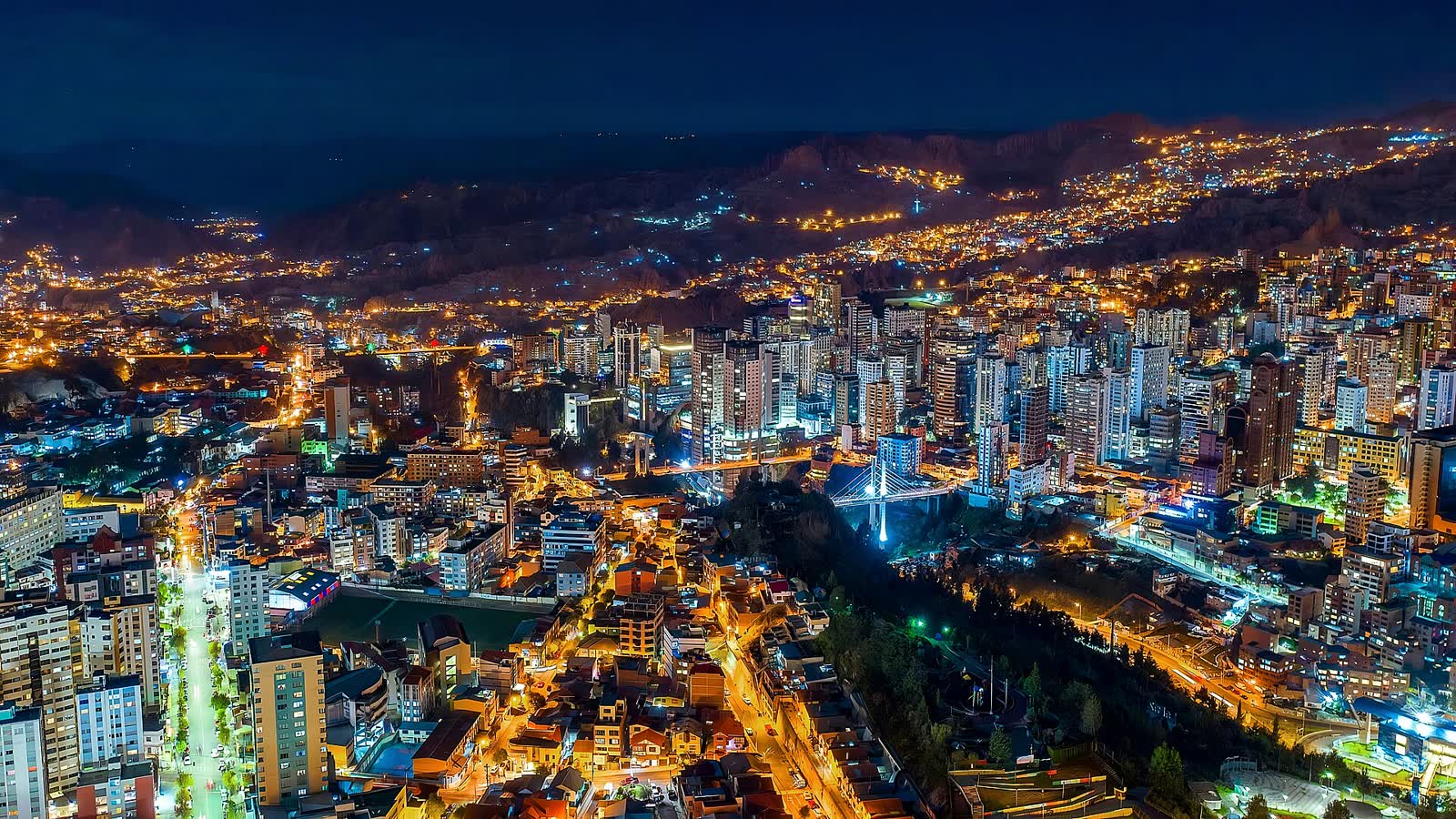
Santa Cruz shows a different Bolivia. The people, known as cruceños or cambas, are famously relaxed, the food leans on beef, yuca and rice, and the city stays up late. It is also a practical arrival point: many routes from Europe and other parts of South America land here, and there are domestic flights to almost every Bolivian city.
The city
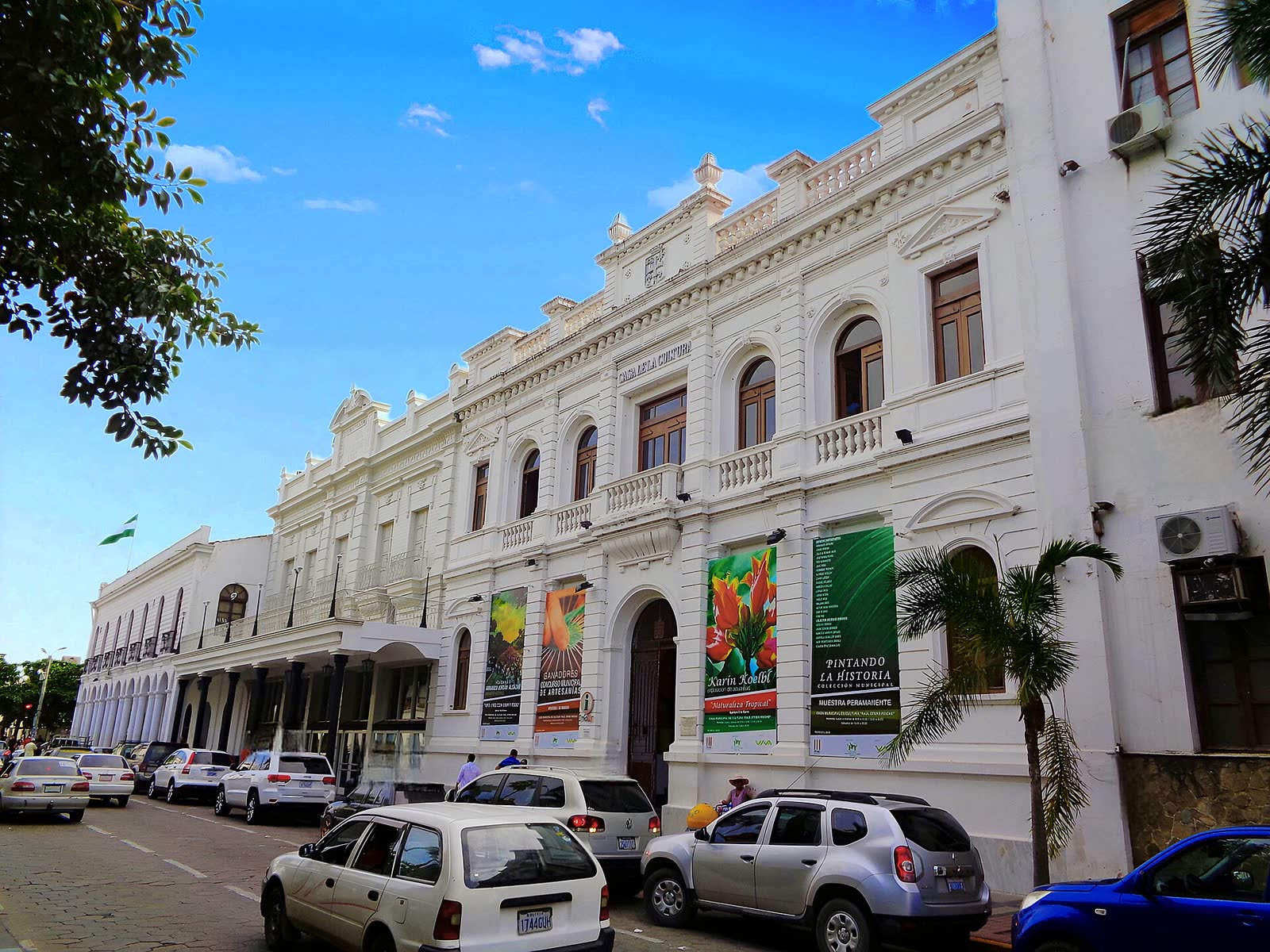
The centre is organised in rings, or anillos, around the main square. **Plaza 24 de Septiembre** is shaded by trees and sometimes visited by sloths, and the brick **Cathedral Basilica of San Lorenzo** has a bell tower you can climb for a view over the plaza. The streets around it have colonnaded pavements that keep off sun and rain.
North of the centre, the **Equipetrol** district is the modern side of the city, with hotels, restaurants, bars and nightclubs along Avenida San Martín. The **Biocentro Güembé** is a nature park with a butterfly dome, orchids, swimming pools and lagoons, popular with families. **Lomas de Arena Regional Park**, just south of the city, has surprising pale sand dunes surrounded by forest and small lagoons.
Food
Try **majadito**, rice cooked with dried beef and fried egg, **locro** chicken stew, and the cheesy yuca and corn snacks **cuñapé** and **sonso**. Breakfast often means **empanadas de arroz** with coffee. Grilled meat restaurants are everywhere. Markets such as **Los Pozos** are lively places for tropical fruit and juices.
Samaipata and Amboró
About three hours west, the village of **Samaipata** sits in green hills at a pleasant altitude of around 1,650 metres. Above it, **El Fuerte de Samaipata** is a UNESCO listed carved sandstone ridge used as a ceremonial site by pre Inca cultures and later the Incas. The village has a relaxed traveller scene, vineyards and guided walks into **Amboró National Park**, where giant tree ferns grow in the cloud forest, and to the waterfalls of **Las Cuevas**.
The Jesuit Missions of Chiquitos
To the east, six **Jesuit mission towns**, among them San Javier, Concepción and San José de Chiquitos, are listed by UNESCO. Their painted wooden churches still hold regular Mass, and a biennial baroque music festival brings concerts to the region. A circuit takes three to five days by road or tour.
Safety
Santa Cruz is generally manageable for visitors, but petty crime is more common than in Sucre, especially at night and around the bus terminal and markets. Use registered taxis or ride-hailing apps after dark, keep phones out of sight in busy areas and check government advice for current protest information.
When to go
The climate is tropical. Summer, from November to March, is hot, humid and rainy. The drier months from May to September are more comfortable, although cold southern winds called surazos can drop temperatures suddenly. Carnival in February or March is the city's biggest party.
Where to stay
First-timers usually choose the centre, close to the plaza and markets, or Equipetrol for modern hotels, restaurants and nightlife within a short taxi ride. Resort style hotels with gardens and pools suit families and anyone wanting a rest. In Samaipata, small guesthouses and eco lodges sit among gardens with views of the hills, and make a calm base for walks into Amboró.
Questions about Santa Cruz
Is Santa Cruz a good place to start a Bolivia trip?
Yes, especially if you are worried about altitude. Many international flights land at Viru Viru, and you can spend a few days at low altitude before flying or travelling up into the highlands.
How do I get to Samaipata from Santa Cruz?
Shared taxis and minibuses leave from the city for the roughly three hour drive. Many guesthouses can recommend a reliable shared taxi service.
Is Santa Cruz expensive?
It is one of Bolivia's pricier cities, especially in Equipetrol, but still affordable compared with most of South America. Local markets and set lunches keep costs low.
Facts checked . Fees, schedules and entry rules change, so always confirm the latest with the official source.