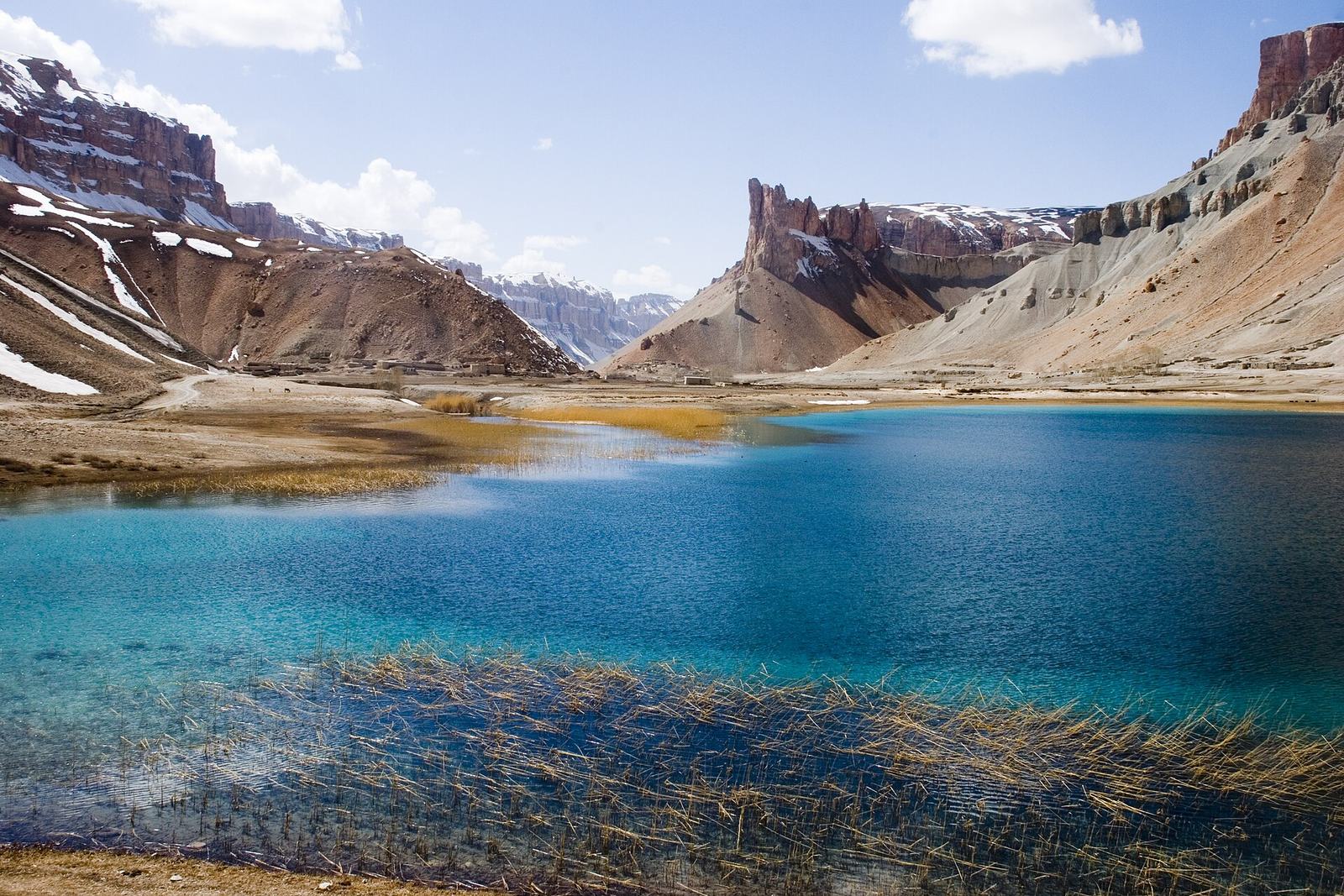
Band-e Amir National Park, AfghanistanPhoto: Afghanistan Matters from Brunssum, Netherlands, CC BY 2.0, via Wikimedia Commons
Find your Bliss in Afghanistan
Afghanistan, explained honestly: ancient cities, high valleys and serious risks
Afghanistan holds some of the most beautiful places in Asia: the tiled mosques of Herat and Mazar-i-Sharif, the cliffs of Bamiyan and the blue lakes of Band-e Amir. It is also a country where many governments advise against all travel. This guide gives you the plain facts on safety, visas, cash and culture, so any decision you make is an informed one.
Your trip, step by step
- Before you decideCurrent travel advice, insurance limits and visa rules, answered plainly
- LandingKabul airport, checkpoints, registration and your first day, explained
- Your days in AfghanistanMosques, bazaars, mountain valleys and family visits, planned with care
- Home againDeparture checks so the last day is calm too
Where to go, eat and stay
- Honest firstWe say clearly where governments advise against travel and why.
- Official sourcesVisa, health and safety facts point you to the official pages to confirm.
- No price surprisesWe explain Afghanistan's cash economy so nothing catches you out.
- Free to useEvery guide and the trip planner are free.
Our promise
Travel to Afghanistan should never be a gamble taken blind. We set out the risks, the rules and the rewards in plain words, so you can decide with confidence and, if you go, find your Bliss with care.
Visiting family in Kabul, Herat or Mazar after years away, or researching the country of your parents? This guide was written with you in mind.
How to use this guide
Four steps from first idea to a decision you feel sure about.
- Read the adviceStart with your government's travel advice and what your insurance will and will not cover.
- Sort the essentialsVisa, registration, cash in dollars and dress rules, checked against official sources.
- Pick your placesUse our places to visit list for mosques, bazaars, valleys and stays in each city.
- Plan your routeUse the free trip planner to shape your days and how you move between cities.
Everything your Afghanistan trip needs
Free tools and guides for every stage of the journey.
Destinations
Kabul, Herat, Mazar-i-Sharif, Bamiyan and Band-e Amir, each explained in depth.
Explore destinationsPlaces to visit
More than a hundred mosques, bazaars, gardens and stays, from classics to quiet corners.
See places to visitFlights and stays
Search flights into Kabul and the regional airports, and stays across the country.
Plan travelPlaces finder
Sights, food and stays mapped around each base.
Find placesFree trip planner
Tell us your dates and interests and build a route that fits.
Plan your trip
The classic Afghanistan route
Silk Road cities and the high valleys
Most visitors who do go start in Kabul, fly to Herat for its Friday Mosque and citadel, then to Mazar-i-Sharif for the Blue Mosque and ancient Balkh, and finish in the cliffs of Bamiyan and the lakes of Band-e Amir. Domestic flights avoid many long road journeys.
- Babur's Gardens and the old city of Kabul
- The Friday Mosque and citadel of Herat
- The Blue Mosque of Mazar-i-Sharif
- The Buddha niches of Bamiyan and the lakes of Band-e Amir
Start with the destinations
See how the cities and mountain valleys fit together.
Afghanistan destinationsPlan with care
A route that respects the risks
In Afghanistan, planning is not optional: permits, checkpoints, dress rules and changing security all shape what is possible. Our free planner helps you think through a realistic pace and order.
- Realistic travel times
- The right season for the mountains
- Where to base yourself
Where to go in Afghanistan
From the capital and the Silk Road cities to the cliffs and lakes of the central highlands.
Central Afghanistan
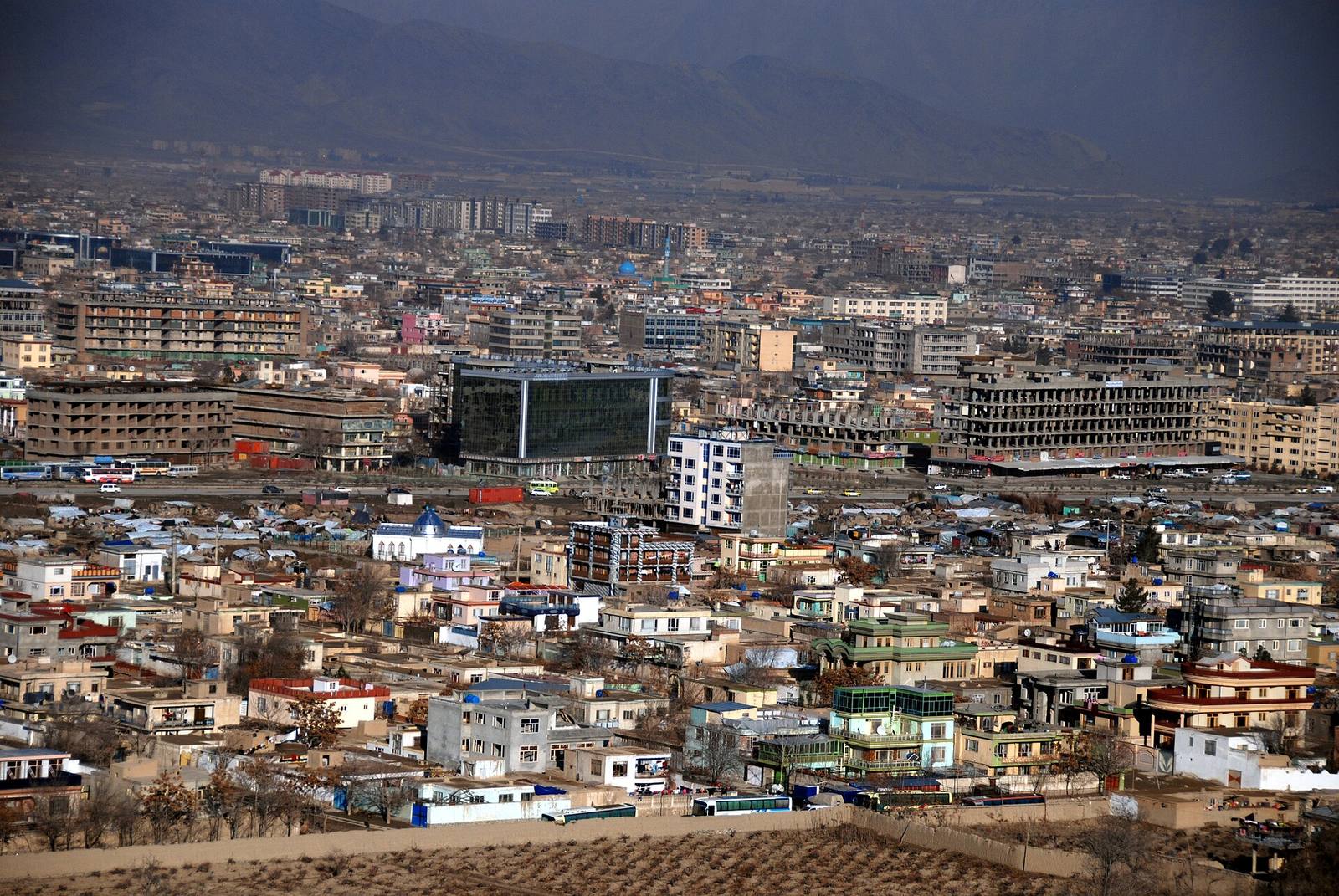
Kabul
Afghanistan's high mountain capital, a city of Mughal gardens, crowded bazaars and centuries of history.
Read the guidePhoto: Olgamielnikiewicz, CC BY-SA 4.0, via Wikimedia Commons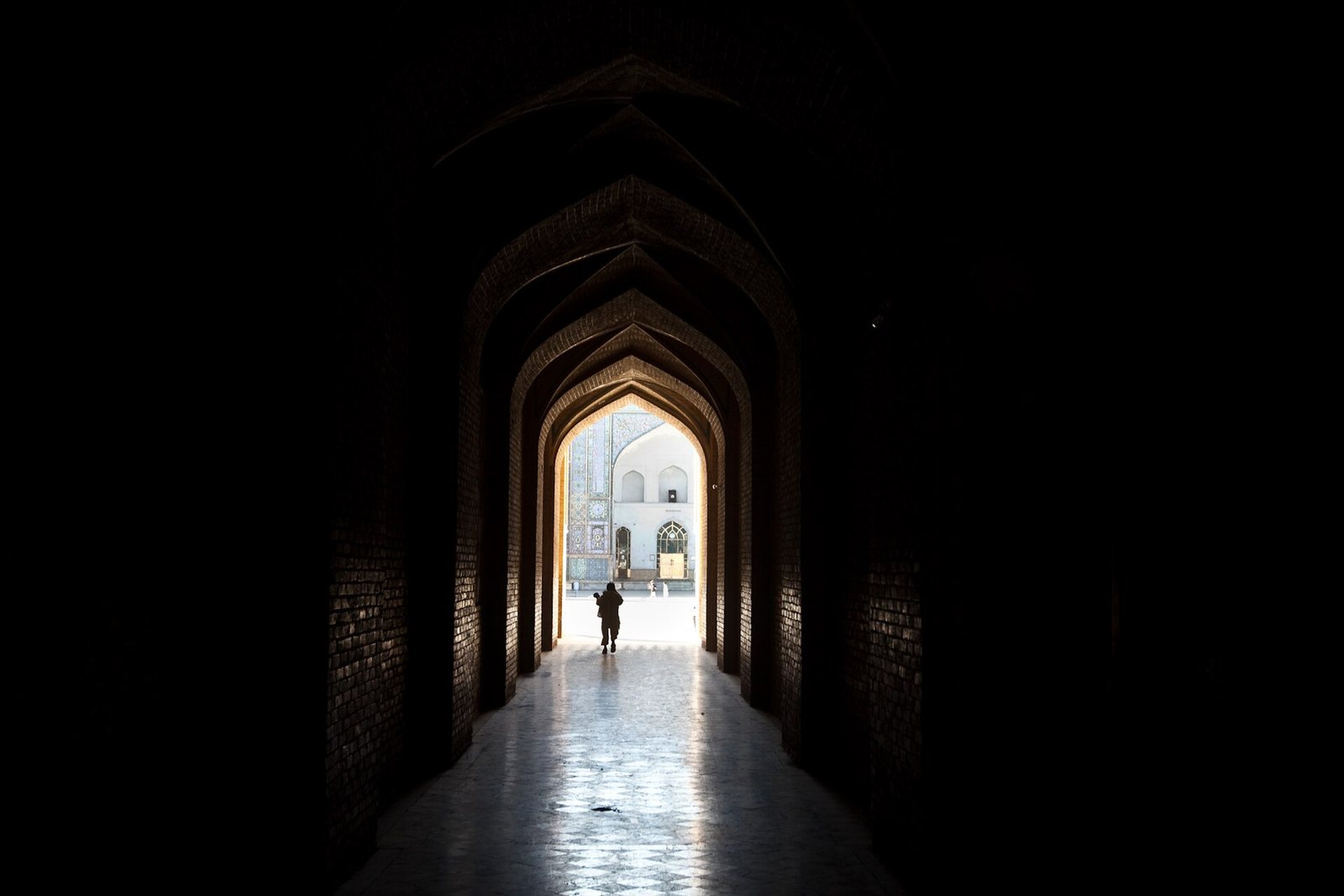
Western Afghanistan
Herat
The cultural capital of the west, with a great tiled mosque, a towering citadel and Timurid minarets.
Read the guidePhoto: Marius Arnesen from Oslo, Norway, CC BY-SA 2.0, via Wikimedia Commons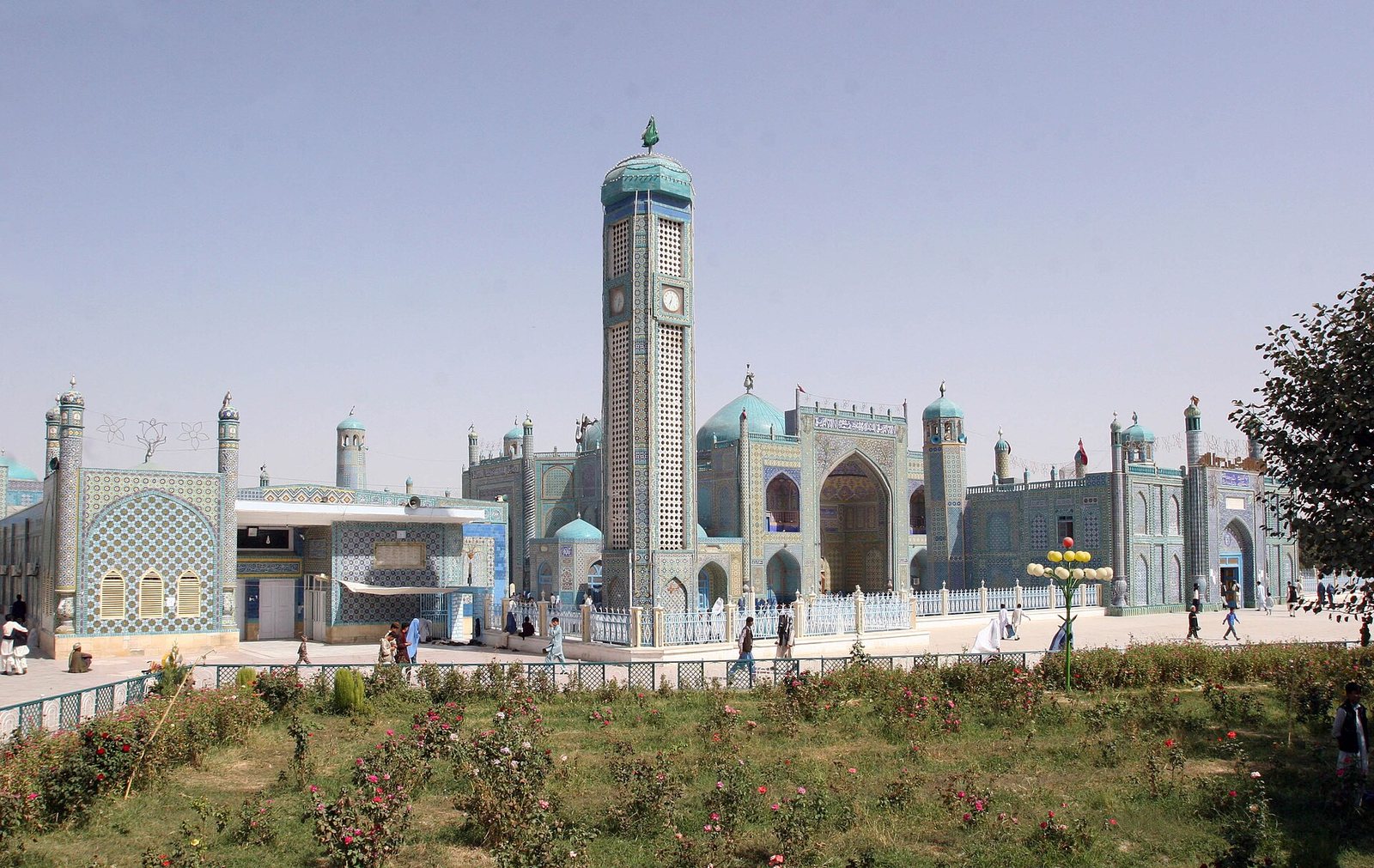
Northern Afghanistan
Mazar-i-Sharif
Northern Afghanistan's main city, built around the dazzling Blue Mosque and close to ancient Balkh.
Read the guidePhoto: ISAF Headquarters Public Affairs Office from Kabul, Afghanistan, CC BY 2.0, via Wikimedia Commons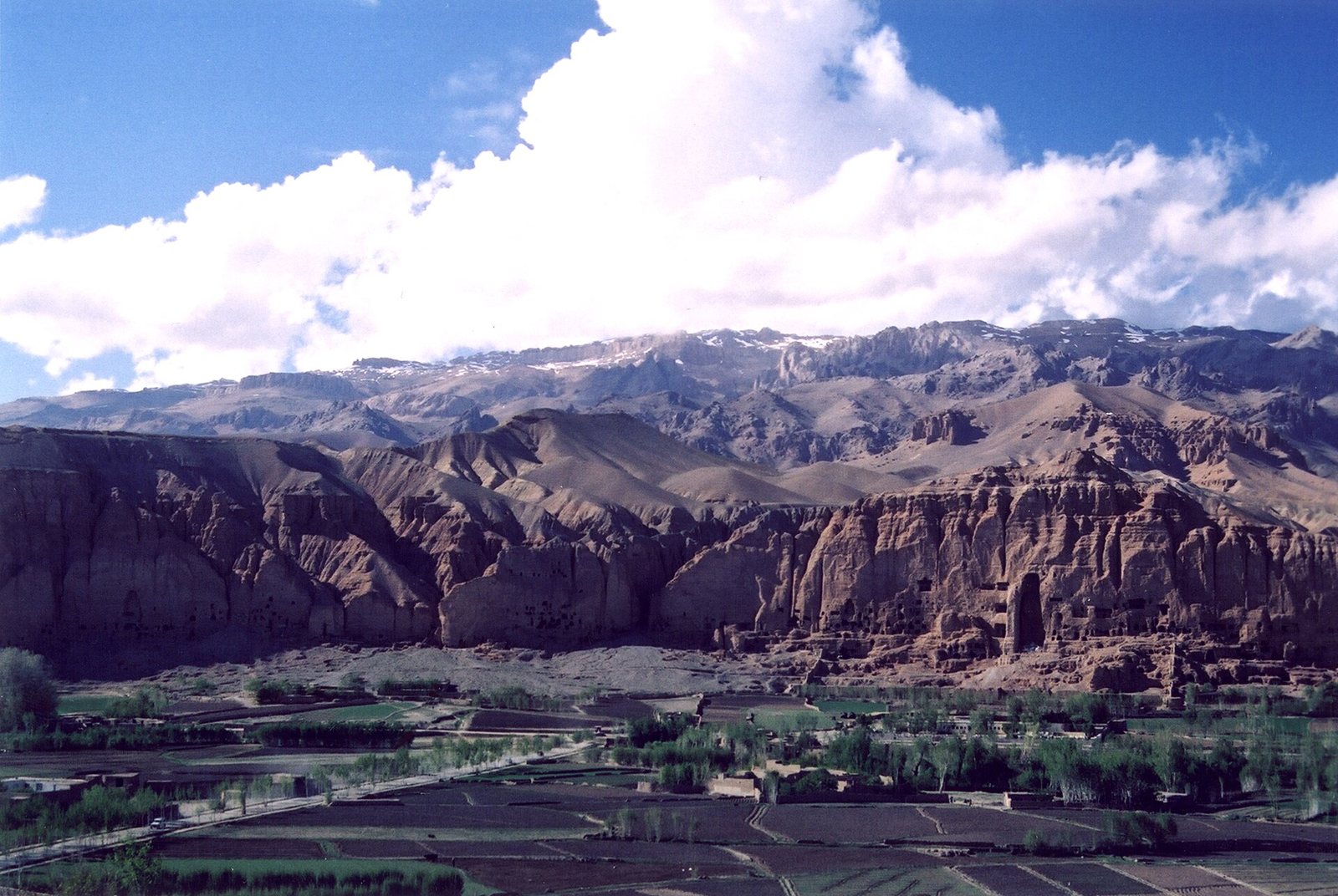
Central highlands
Bamiyan
A high green valley beneath sandstone cliffs, home to the empty Buddha niches and the gateway to Band-e Amir.
Read the guidePhoto: Alessandro Balsamo, CC BY-SA 3.0 igo, via Wikimedia Commons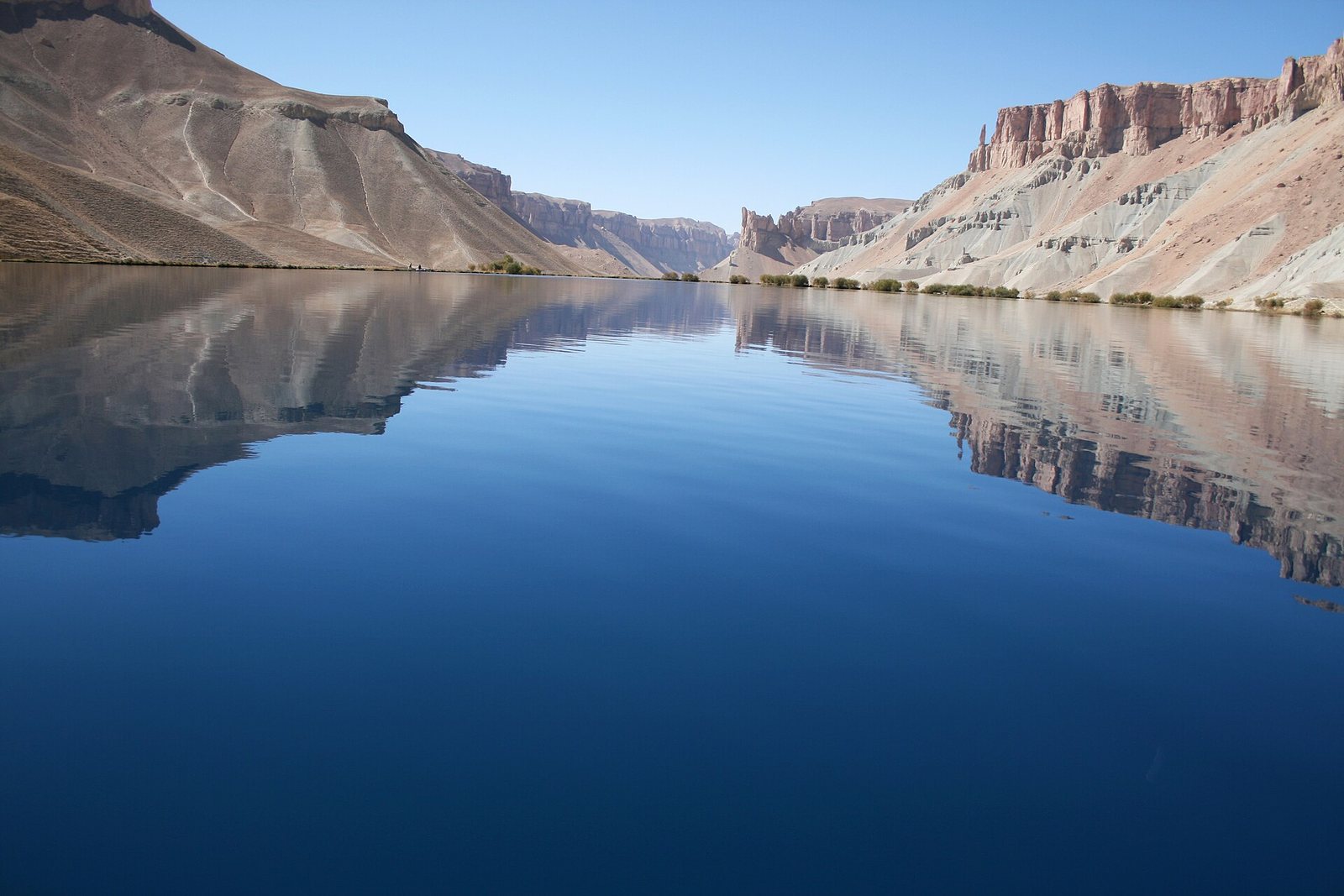
Central highlands
Band-e Amir
Afghanistan's first national park, a chain of deep blue lakes held back by natural walls of travertine.
Read the guidePhoto: AfghanistanMatters, CC BY 2.0, via Wikimedia Commons
A note from our founder
A note from our founder
My first time visiting Kenya, I was genuinely surprised with how fast it began feeling like home. The people are so friendly, the food is delicious and familiar, and the accommodations are modern and upscale.
During my travels throughout the continent, I commonly hear tourists share stories about being scammed or taken advantage of, which is both frustrating and disheartening.
Living in Kenya for the last 2 years, I have had the great fortune to meet a network of wonderful Kenyans who have continuously help guide my family's journey. Their shared knowledge has not only greatly enhanced our overall experience here, but it has also saved us tons of time, energy, and resources.
With BlissPoint Travel, my hope is to build a global community that is willing to share useful, uncommon knowledge so that we can all blissfully enjoy the wonders our world has to offer.
Questions we hear most
Is it safe to travel to Afghanistan?
Many governments, including the UK, US, Canada and Australia, advise against all travel to Afghanistan because of terrorism, kidnapping and the risk of detention. In May 2024 gunmen killed foreign tourists in Bamiyan. Most travel insurance is invalid against such advice, and most Western countries have no embassy in Kabul. Read your government's current advice before deciding anything.
Do I need a visa for Afghanistan?
Almost every foreign visitor needs a visa arranged before travel, issued by Afghan missions under the current authorities. Which missions issue visas, and the rules, change often and vary by passport. Check your government's entry requirements page and confirm with the issuing mission before you book.
Can I use cards in Afghanistan?
No, in practice. International cards do not work because of banking restrictions, and ATMs will not accept foreign cards. Bring clean, recent US dollar notes, change some into afghanis locally and keep cash secure.
What languages are spoken in Afghanistan?
Dari (Afghan Persian) and Pashto are the official languages. Dari is the common language in Kabul, Herat, Mazar-i-Sharif and Bamiyan, while Pashto dominates in the south and east. Uzbek, Turkmen and other languages are spoken in the north. English is limited.
What is the capital of Afghanistan?
Kabul, a city of several million people in a high valley ringed by mountains. It has the main international airport, the National Museum, Babur's Gardens and the busiest bazaars, so it is where nearly every journey begins.
How should women plan for Afghanistan?
Women face strict rules under the current authorities, including dress requirements, bans on parks and some public places, and a requirement for a male guardian on longer journeys. Foreign women report uneven enforcement. Read the official advice on women travellers before deciding.
Thinking about Afghanistan?
Use the free trip planner to think through dates, routes and timing, and read the latest official travel advice first.