At a glance
- Best for
- Lakes, scenery and short walks
- Nearest town
- Bamiyan
- Time needed
- One to two days
- Best season
- June to September
- Altitude
- About 2,900 metres
- Getting there
- By road from Bamiyan
Why visit Band-e Amir
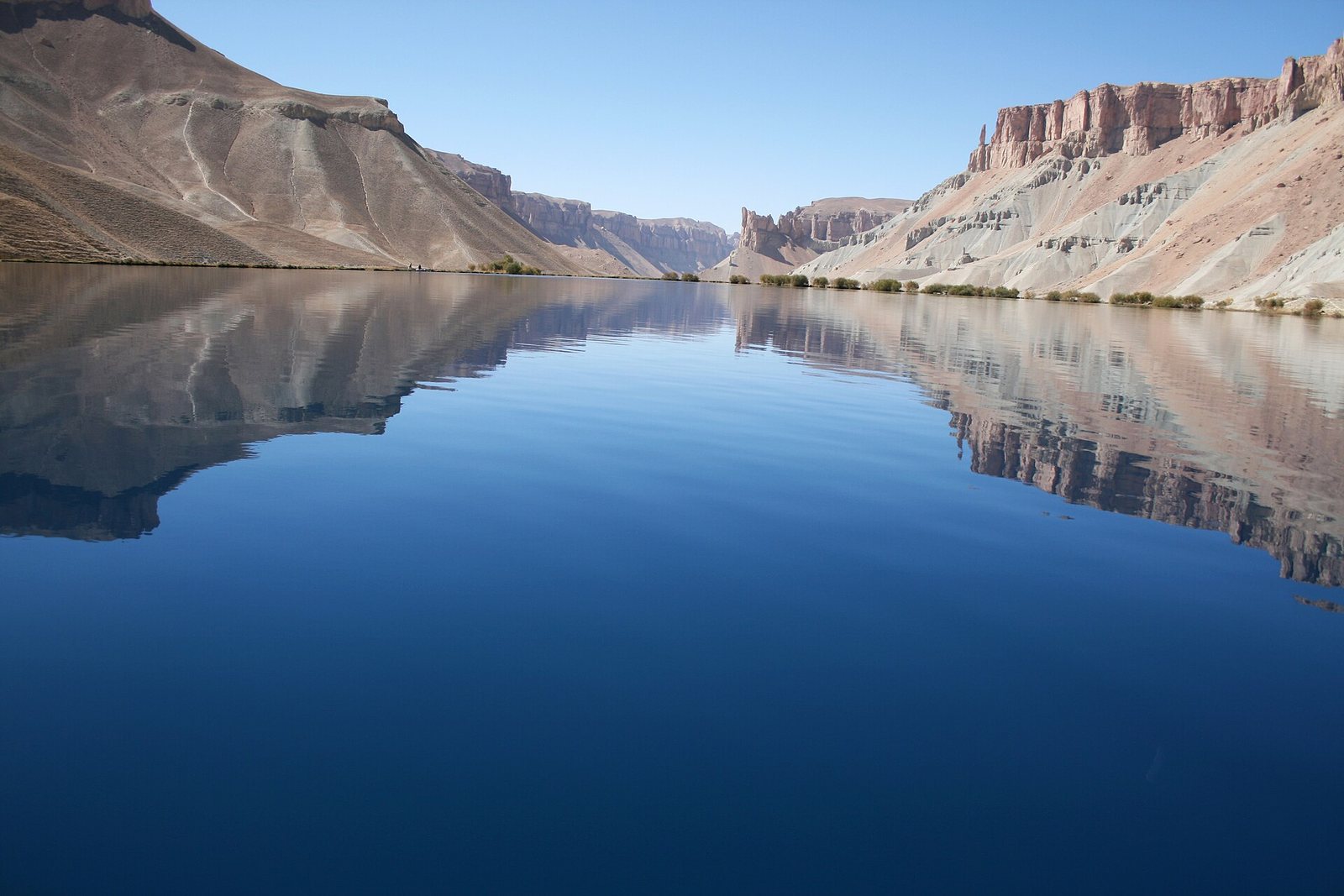
There is nothing quite like Band-e Amir anywhere else in Afghanistan. Above about 2,900 metres, bare cliffs and pale hills surround lakes of sapphire, turquoise and deep cobalt, fed by mineral rich springs. Families from across the country come to picnic, pray at the small shrine and take pedal boats out on the water. Travel advice against all travel to Afghanistan still applies, and the park is remote.
The six lakes
Band-e Haibat, the lake of awe, is the largest and most visited, with a shrine, simple tea houses and boats. Its terraced travertine wall, over which water spills, is the classic view. Band-e Panir, the lake of cheese, Band-e Pudina, the lake of mint, Band-e Zulfiqar, the lake of Ali's sword, Band-e Gholaman and Band-e Qambar lie along the valley, some reached by tracks and short walks.
The natural dams
The lakes are held back by walls of travertine, rock formed as calcium carbonate settles out of the spring water over thousands of years. The walls are fragile, so walk only on marked paths, never climb on the dams and take all rubbish away with you.
Rules for visitors
In 2022 the authorities barred women from visiting Band-e Amir, and access rules for both Afghans and foreigners have changed since. Swimming, music and mixed groups may be restricted. Confirm the current rules locally before you set out, and expect checkpoints with park officials and police.
Walking and views
The best way to see the park is on foot. A path runs along the ridge above Band-e Haibat for views of the lakes and cliffs, and quieter lakes reward an hour or two of walking. Bring sun protection: the high altitude sun is intense, and there is little shade.
When to go
June to September brings the warmest weather and the bluest water. Spring can be muddy and autumn cold, and in winter the lakes freeze and the road is often closed by snow. Even in summer, nights are cold.
Getting there
Band-e Amir is about two to three hours by road from Bamiyan, partly on rough surfaces. Most visitors hire a driver through their Bamiyan guesthouse and go as a day trip, leaving early to make the most of the light. Simple guesthouses near the lakes offer basic overnight stays, but most people return to Bamiyan.
The shrine and local legend
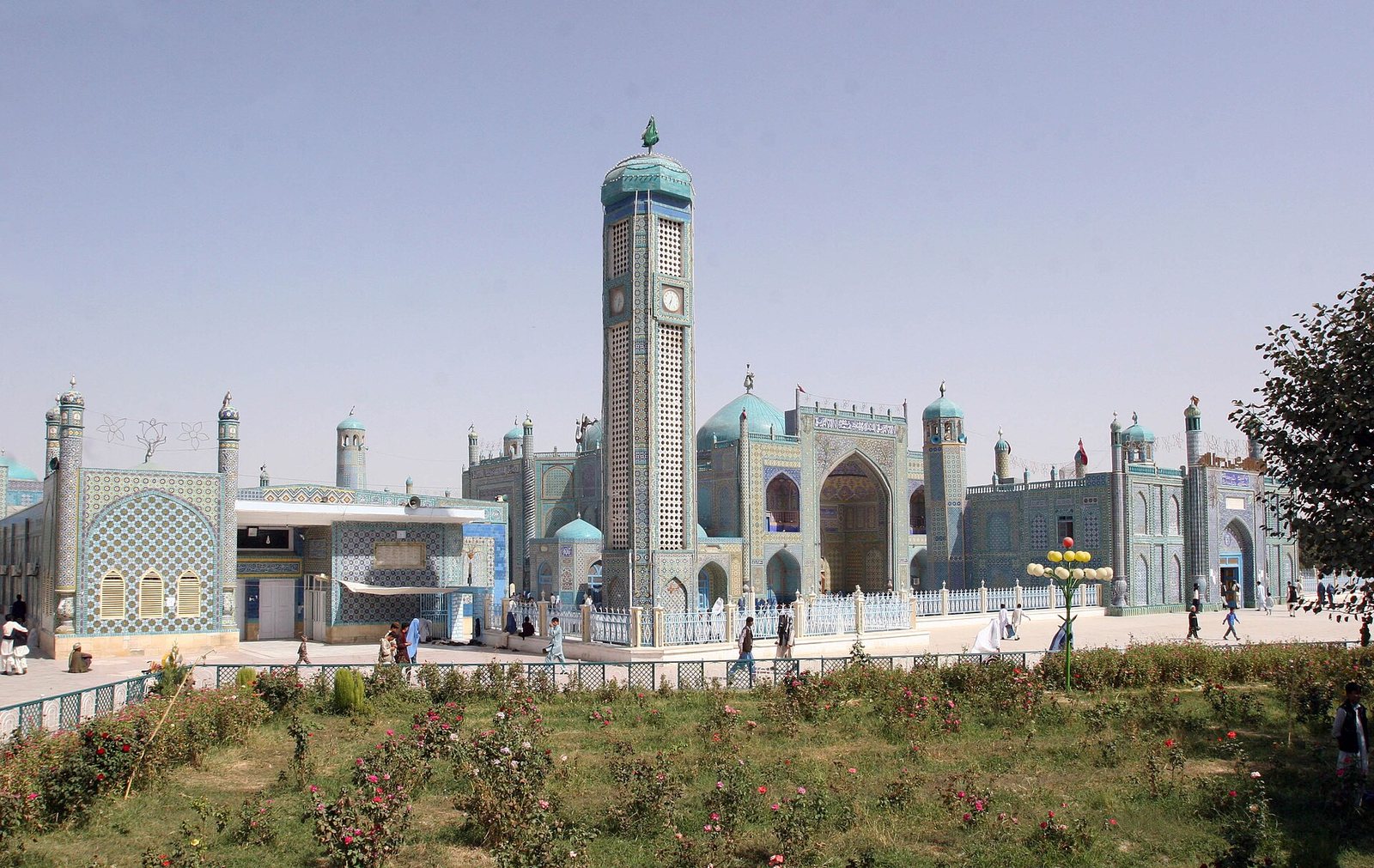
Beside Band-e Haibat stands a small shrine dedicated to Ali. Local legend says he created the lakes, damming the water with his sword to help the people of the valley, and the lake names reflect that story. Pilgrims come to pray and to bathe in the water, believed by some to have healing powers. Be respectful around the shrine and dress modestly.
Protecting the park
The park is fragile. Litter, vehicle access and building have all damaged the area in the past, and the travertine dams erode easily.
What to bring
Bring warm layers, sun protection, water, snacks and cash in afghanis. Facilities are basic and phone signal is patchy. Browse our places to visit and use the free trip planner to fit the park into a route.
Questions about Band-e Amir
Can women visit Band-e Amir?
In 2022 the current authorities barred women from the park, and enforcement has varied since. Check current rules locally and in your government's advice before planning a visit.
How far is Band-e Amir from Bamiyan?
Around two to three hours by road, depending on conditions. Most visitors go as a day trip from Bamiyan with a local driver.
Can you swim in Band-e Amir?
The water is very cold, and swimming may be restricted under current rules. Pedal boats have traditionally run on Band-e Haibat in summer.
When is Band-e Amir closed?
Snow often closes the road in winter, roughly from December to March, when the lakes freeze. Summer is the reliable season.
Facts checked . Fees, schedules and entry rules change, so always confirm the latest with the official source.