At a glance
- Best for
- History, bazaars, food and family visits
- Airport
- Kabul International Airport (KBL)
- Time needed
- Two to four days
- Best season
- April to June and September to October
- Languages
- Dari and Pashto
- Getting around
- Taxis and drivers arranged through your hotel or guide
Why visit Kabul
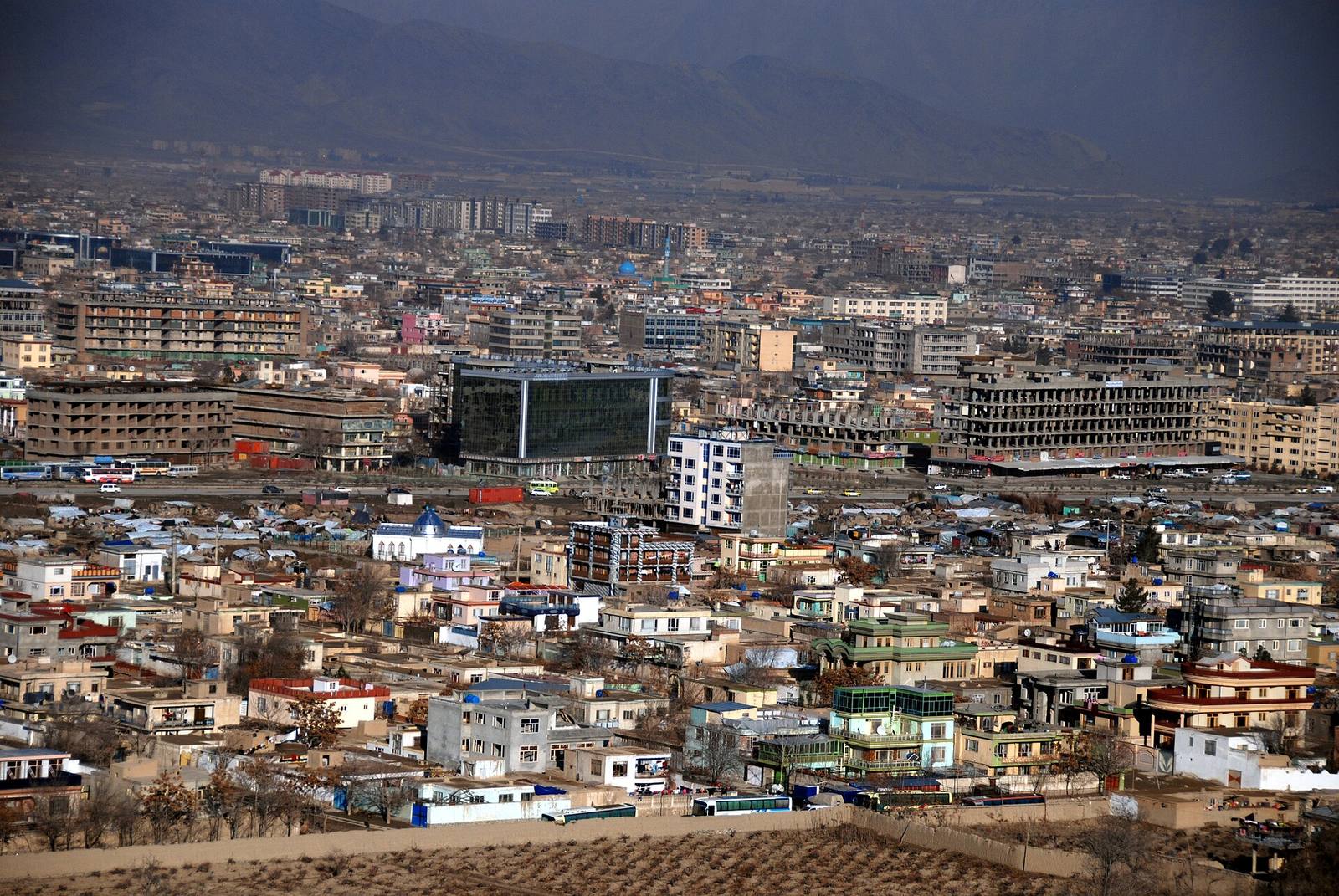
Kabul is where almost every journey into Afghanistan starts and ends. It has the main international airport, the widest choice of guesthouses and hotels, and the ministries where visitors sometimes need paperwork. For families in the diaspora, it is often the city where relatives live. It is also the place where risk is most visible: blast walls, armed checkpoints and the memory of serious attacks. Read your government's travel advice before you plan anything here.
Babur's Gardens
Bagh-e Babur, the terraced garden where the first Mughal emperor Babur chose to be buried in the sixteenth century, is the most peaceful place in the city. Restored with help from the Aga Khan Trust for Culture, it climbs the hillside in walled terraces of plane trees and water channels, with a small marble mosque built by Shah Jahan and a pavilion that looks across the valley. Rules on who may enter public gardens have changed since 2021, particularly for women, so check locally on the day.
The National Museum and Darul Aman
The National Museum of Afghanistan once held one of the finest collections in Asia. Much was looted or destroyed in the civil war, and statues were smashed in 2001, but patient conservation has brought back Buddhist sculpture, Islamic metalwork and objects from Ai Khanum and Bagram. Across the road, the vast Darul Aman Palace, built in the 1920s for King Amanullah, has been restored after decades as a ruin.
The old city and Murad Khani
Murad Khani, on the north bank of the Kabul River, is one of the last surviving neighbourhoods of traditional houses with carved wooden screens. The Turquoise Mountain foundation restored many of its buildings and trained woodworkers, calligraphers and jewellers there. Nearby, the Shah-Do Shamshira Mosque, with its unusual yellow baroque facade, and the Pul-e Khishti Mosque mark the edge of the old bazaar.
Bazaars
The Mandawi market, near the river, is a dense maze of spice sellers, dried fruit stalls, rice merchants and tea shops. Chicken Street, in Shahr-e Naw, is the old traveller street of carpets, lapis lazuli, embroidered textiles and antiques. Ka Faroshi, the bird market in the old city, sells songbirds and fighting partridges in a lane barely wide enough for two people. Keep valuables out of sight and go with someone who knows the area.
Views and day trips
Hills ring the city. Koh-e Asamai, known as TV Hill, and the Bala Hissar fortress give views over Kabul when access is allowed. On Fridays, families head out to Qargha reservoir in the west or to the green orchards of Paghman, with its triumphal arch. North of the city, the village of Istalif is famous for blue glazed pottery and terraced vineyards, and the road continues towards the Panjshir valley and the Salang Pass.
Eating in Kabul
Kabul is the best place to try Afghan food at its fullest. Qabuli palao, rice cooked with lamb, carrots and raisins, is the national dish. Look for mantu dumplings, aushak filled with leeks, kebabs grilled over charcoal, bolani flatbreads and endless cups of green tea with sugared almonds. Hotel and guesthouse restaurants are the usual choice for visitors.
Getting around and staying safe
Visitors do not use public buses. Most travel with a driver or guide arranged through a hotel or licensed tour operator, which also helps at checkpoints. Avoid crowds, government buildings, places of worship at busy times and anywhere foreigners gather. Keep your passport, visa and any permit letters with you at all times, and register your presence with your country's representation if it offers that service. Read the safety advice on the destinations page and use the free trip planner to think through timing.
Questions about Kabul
Is Kabul safe for tourists?
Major governments advise against all travel to Afghanistan, Kabul included. The city has seen bombings, including attacks claimed by the Islamic State group, and foreigners have been detained. If you go, keep a low profile, avoid crowds and follow current advice closely.
How many days do I need in Kabul?
Two to three days covers Babur's Gardens, the National Museum, Murad Khani and the bazaars, with a day trip to Paghman or Istalif. Many visitors use Kabul as a base between flights to Herat, Mazar-i-Sharif and Bamiyan.
What should I wear in Kabul?
Men should wear long trousers and long sleeves, and the local shalwar kameez is practical. Women must cover their hair and body fully, with loose, long clothing. Rules are enforced by the authorities and change, so check current guidance.
Can I take photos in Kabul?
Avoid photographing checkpoints, soldiers, government buildings and women. Always ask before photographing people. Drone use is not allowed without permission, and cameras can draw unwanted attention.
Facts checked . Fees, schedules and entry rules change, so always confirm the latest with the official source.