At a glance
- Best for
- History, mountain scenery and walking
- Airport
- Bamiyan Airport, domestic only
- Time needed
- Two to four days
- Best season
- May to October
- Languages
- Dari, with the Hazaragi dialect
- Getting around
- Drivers arranged locally
Why visit Bamiyan
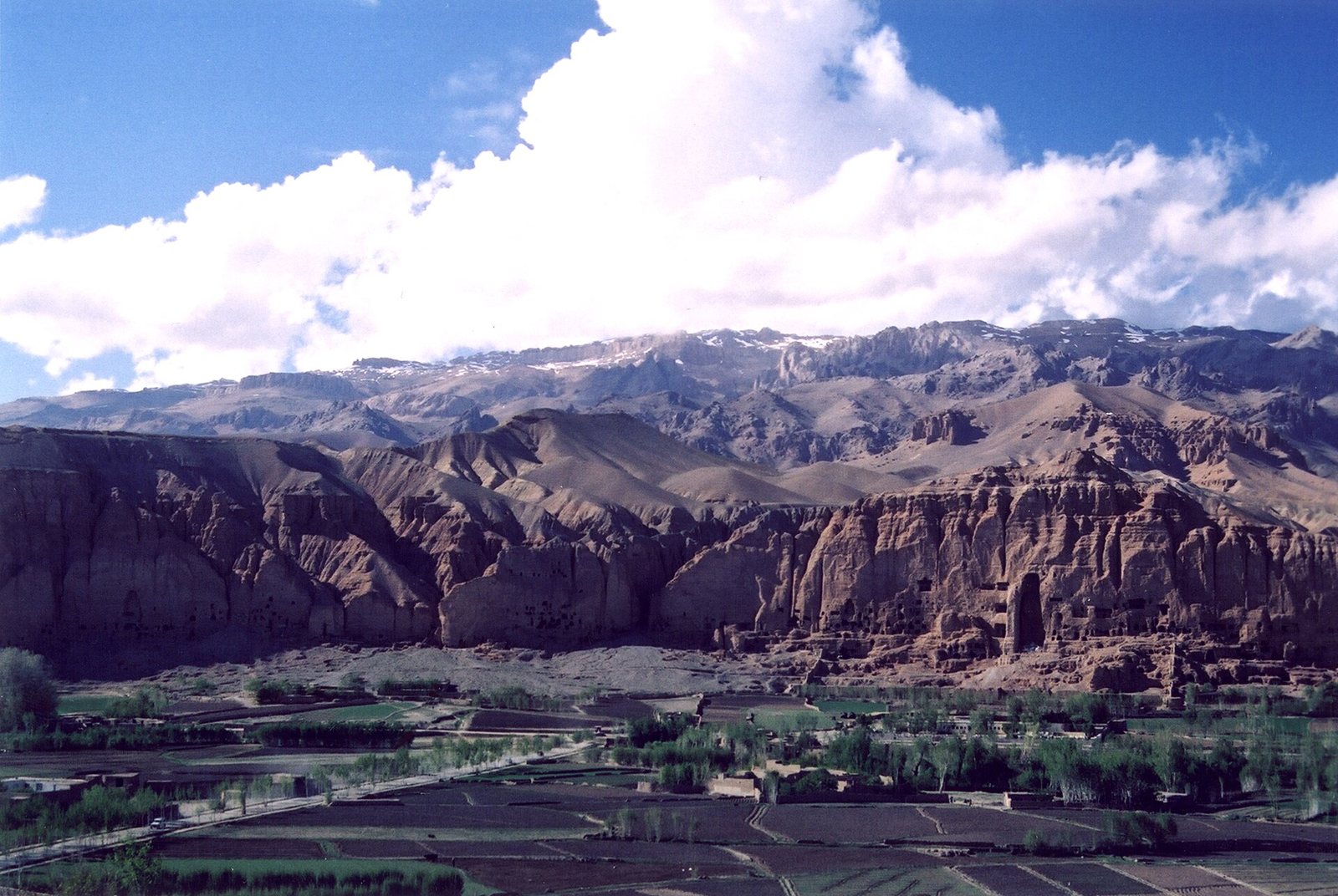
For many travellers, Bamiyan is the most beautiful part of Afghanistan: poplar trees and potato fields beneath red and gold cliffs, clear mountain air and a calm that is rare elsewhere. It is home mostly to the Hazara people. It is also where gunmen killed three Spanish tourists and three Afghans in May 2024, a reminder that official advice against all travel applies here too.
The Buddha niches
The Cultural Landscape and Archaeological Remains of the Bamiyan Valley is a UNESCO World Heritage Site. The two niches that held the Buddhas, known locally as Salsal and Shahmama, are 55 and 38 metres high. Around them, hundreds of caves were once monasteries and chapels, some with traces of painted murals. Access arrangements change, so ask locally about entry and tickets.
Shahr-e Gholghola and Shahr-e Zohak
On a hill in the middle of the valley, Shahr-e Gholghola, the city of screams, is the ruin of the old town destroyed by Genghis Khan's army in 1221. The climb gives fine views of the cliffs. At the entrance to the valley, Shahr-e Zohak is a red fortress clinging to a cliff above the river confluence.
Dragon Valley
A short drive west, Darya-e Ajdahar, the Dragon Valley, is a long rock ridge split by a crack that local legend says was made when Ali slew a dragon. Mineral springs streak the rock with colour.
Band-e Amir
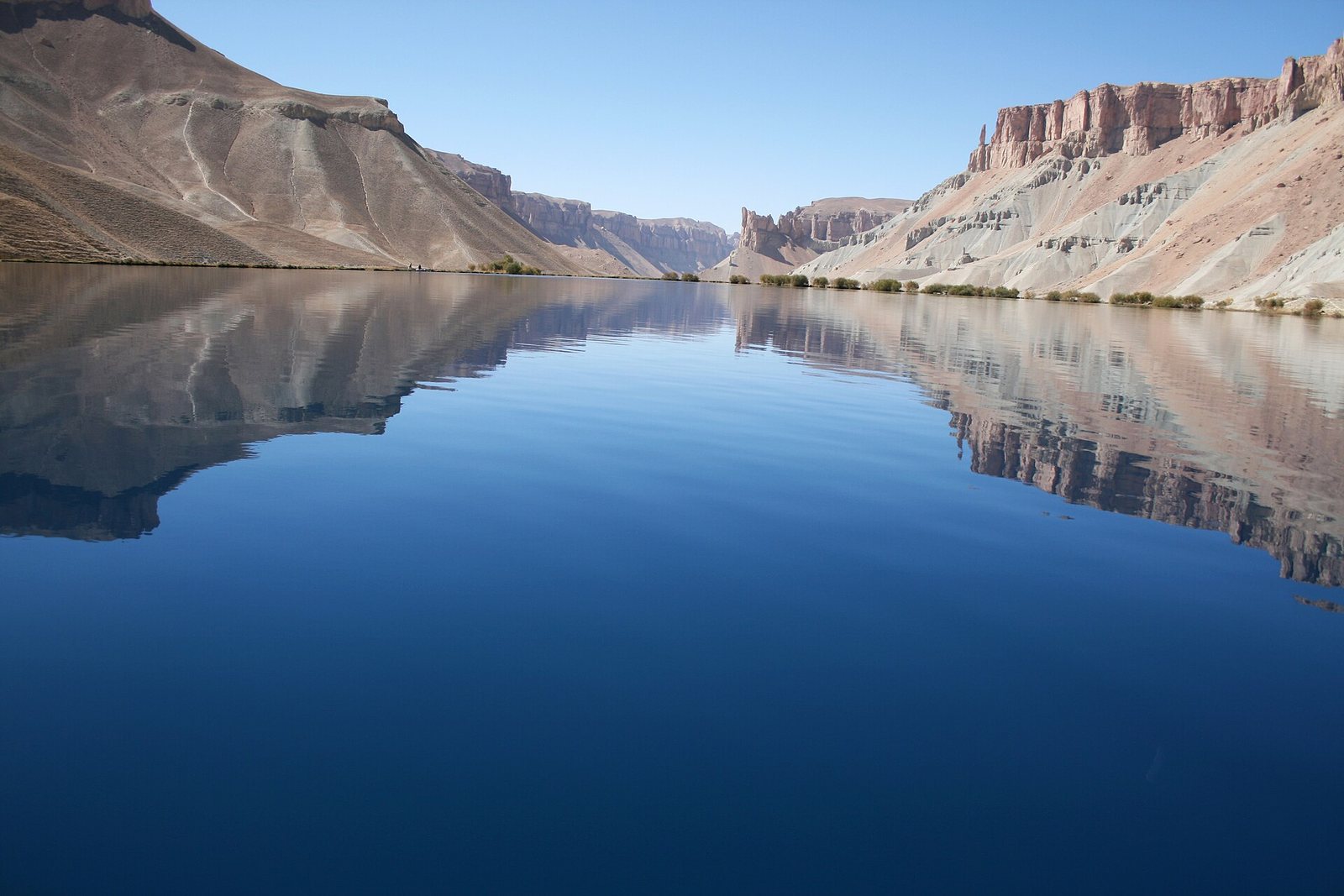
Bamiyan is the base for Band-e Amir, Afghanistan's first national park, a chain of six deep blue lakes about two to three hours' drive away. Most visitors make it a day trip or stay overnight nearby.
A layered history
Bamiyan was a major Buddhist centre on the Silk Road from around the third century, visited by the Chinese pilgrim Xuanzang in the seventh century, who described the statues as gleaming with gold. Islam arrived later, and the valley was devastated by the Mongols in 1221. Since 2001 archaeologists have uncovered more caves, paintings and a reclining Buddha site still being searched for.
Walking and the Koh-e Baba
The valley invites walking, through villages and up side valleys such as Kakrak and Foladi, where more caves and small ruins hide. The Koh-e Baba mountains rise above, with longer treks in summer and skiing in winter in some years. Go with local guides who know the paths and the current situation.
Getting there and around
Domestic flights to Bamiyan are limited and change often. The road from Kabul is long and passes areas with security risks, so ask experienced operators about the current route. In the valley, guesthouses can arrange drivers. Nights are cold even in summer, and the valley is snowbound for much of winter.
Culture and respect
Most people in Bamiyan are Hazara, a largely Shia community that has faced long persecution. Hosts are warm and welcoming. Ask before photographing people, especially women, and dress modestly. Respect the fragile caves: do not touch remaining paintings or climb on unstable walls.
Weather
Even in July, nights can drop close to freezing, so pack warm layers and a hat. Days are bright, and the high altitude sun burns quickly.
Food and stays
Guesthouses serve simple, hearty food: potatoes from the valley, bread, rice, lentils and mutton, with green tea. Browse our places to visit and use the free trip planner to plan your days.
Questions about Bamiyan
Can I still see the Bamiyan Buddhas?
The statues were destroyed in 2001, but the vast empty niches and surrounding caves remain, and they are a powerful sight. Entry rules and tickets are set locally.
Is Bamiyan safe after the 2024 attack?
In May 2024 gunmen attacked a tourist group in Bamiyan, killing six people. Governments advise against all travel to Afghanistan. Read current advice before deciding.
When is the best time to visit Bamiyan?
May to October, when roads are open and the valley is green. Winter is very cold and snowy, and flights and roads can be disrupted.
How long should I spend in Bamiyan?
Plan at least two full days for the niches, Shahr-e Gholghola, Shahr-e Zohak and Dragon Valley, plus a day for Band-e Amir.
Facts checked . Fees, schedules and entry rules change, so always confirm the latest with the official source.