
The north
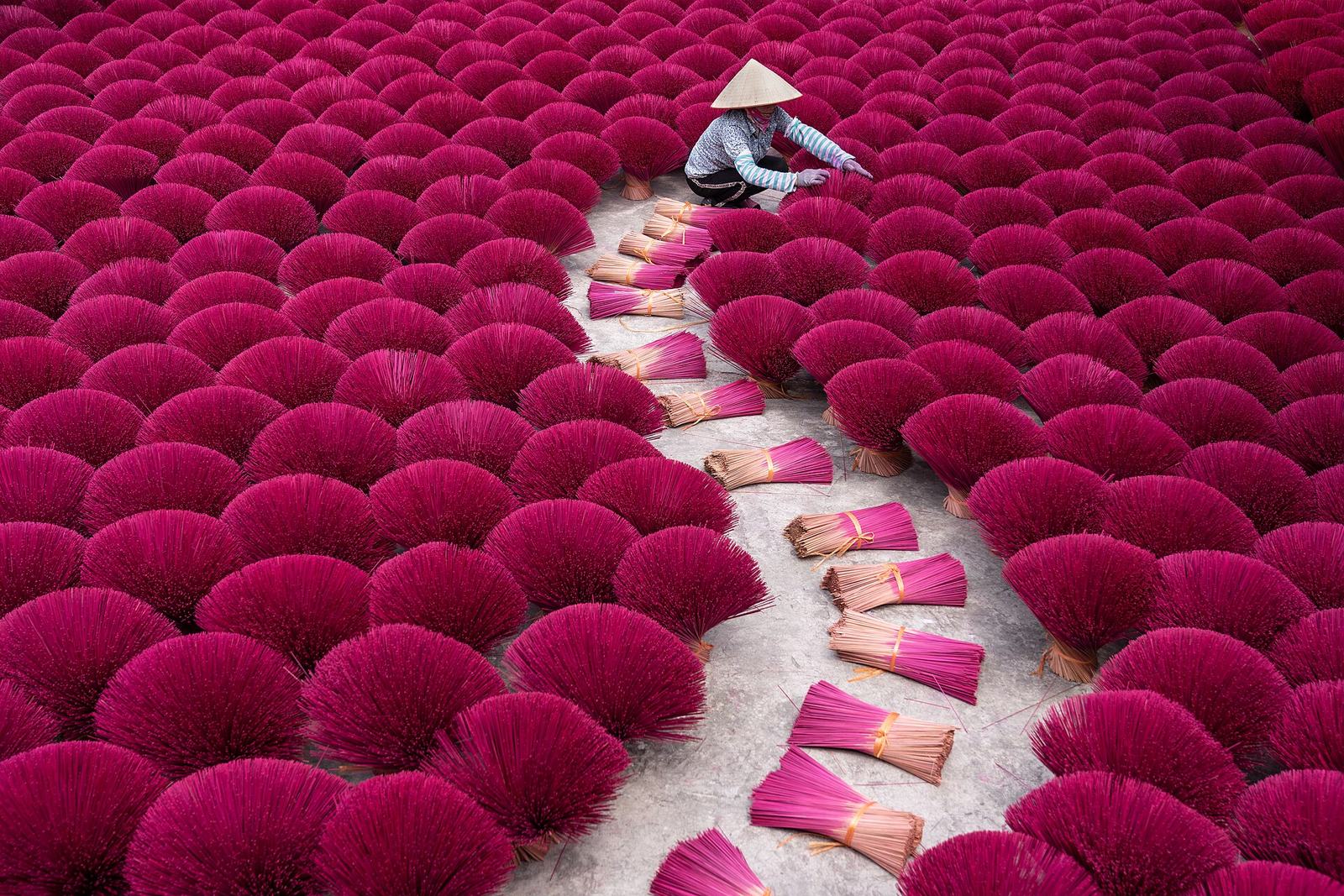
Most trips start or end in Hanoi, the thousand year old capital. Its Old Quarter of narrow trade streets, the lakes, the Temple of Literature and a food scene built on pho, bun cha and egg coffee make it the best introduction to the country. Give it three days, including an evening on the weekend walking street around Hoan Kiem Lake.
From Hanoi, the classic side trip is Ha Long Bay, a UNESCO listed seascape of limestone islands best seen on an overnight cruise. Quieter Lan Ha Bay and the rice fields and caves of Ninh Binh, often called Ha Long Bay on land, are easy additions. Further north, Sapa and Ha Giang offer mountain trekking and some of Asia's most dramatic roads.
The centre
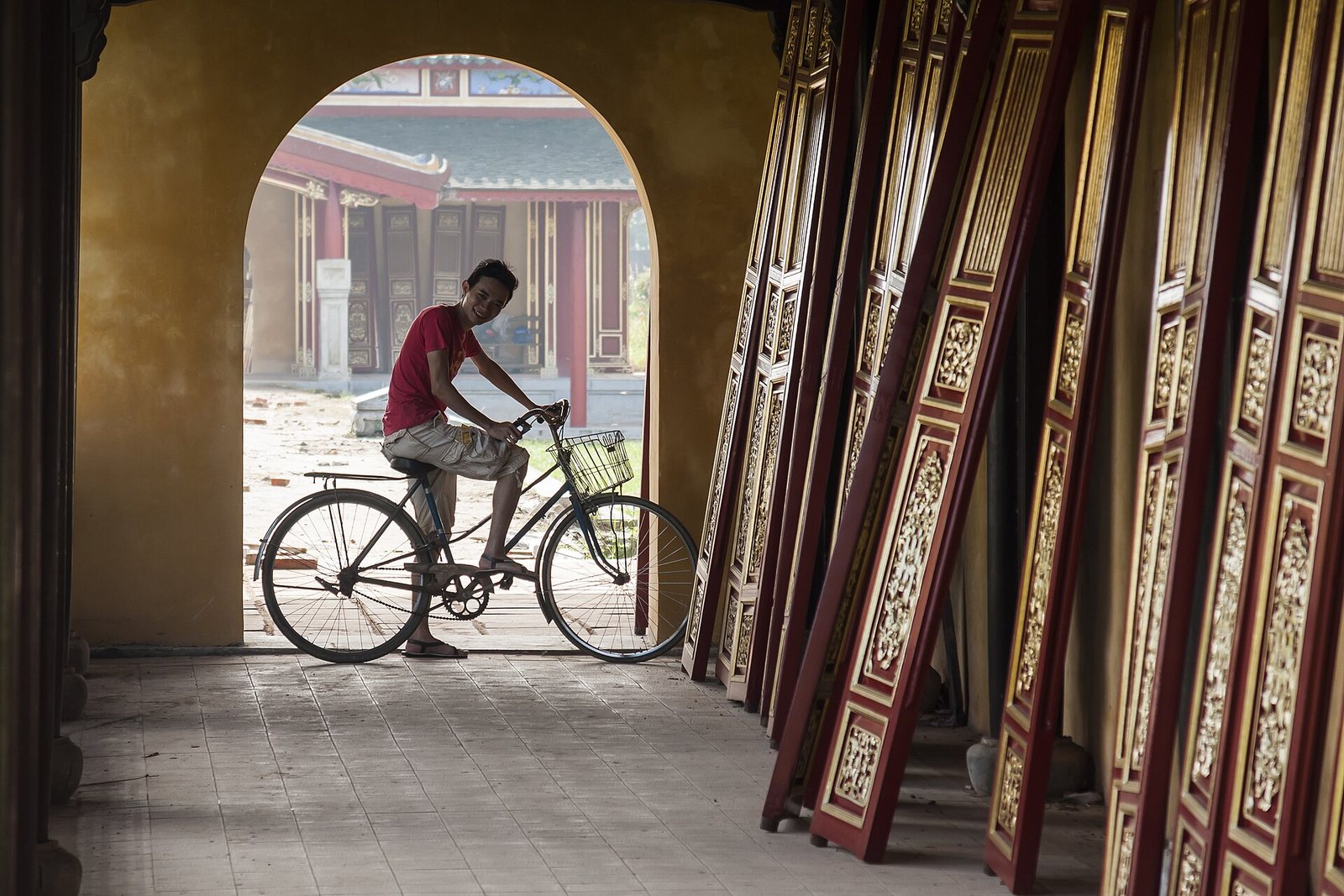
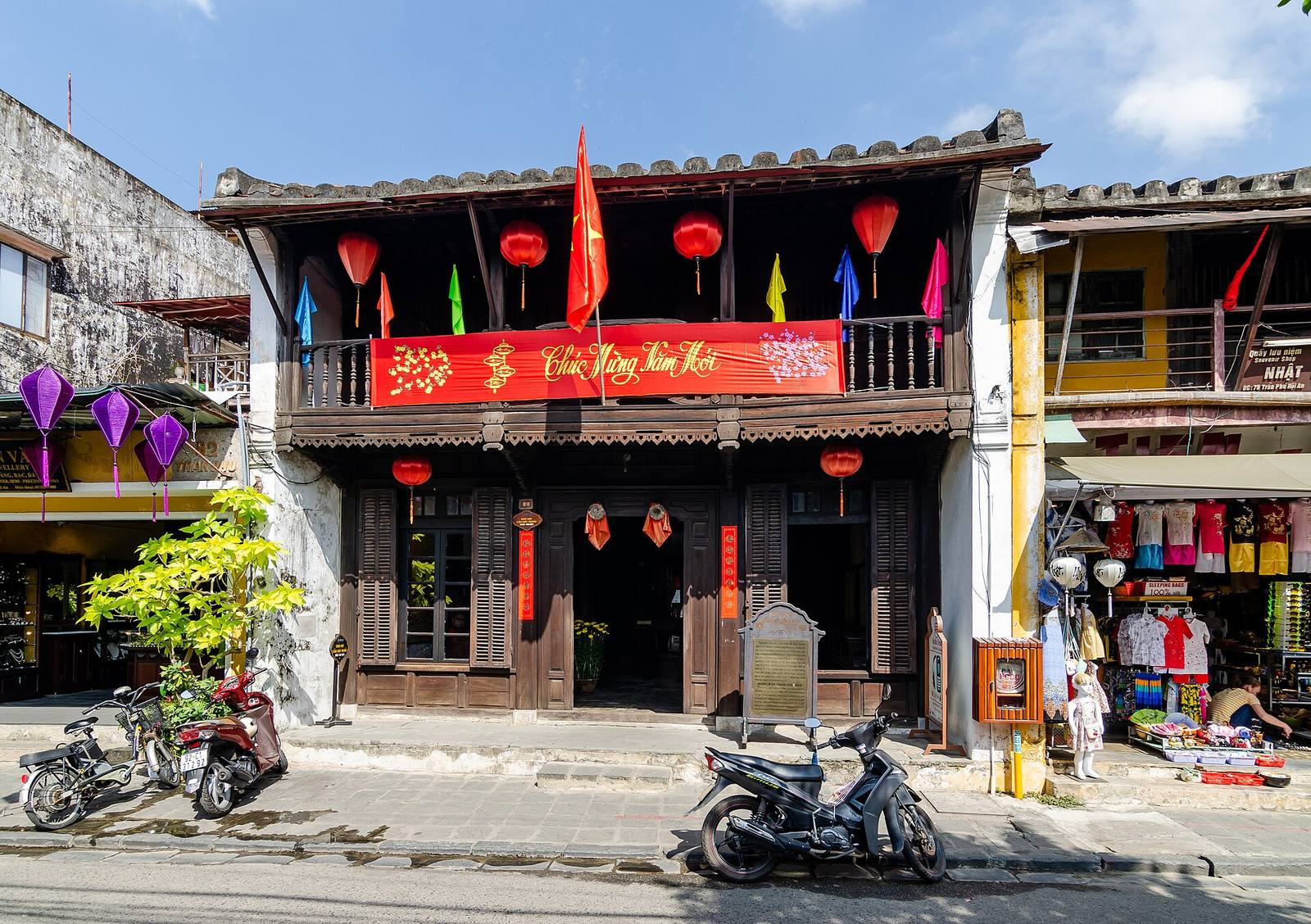
Hue was the seat of the Nguyen emperors until 1945. Its walled citadel, royal tombs along the Perfume River and its spicy, refined cuisine reward two days. The Hai Van Pass road links it with Hoi An and Da Nang: the lantern lit old trading port of Hoi An, a UNESCO site full of tailors and riverside cafés, and the modern beach city of Da Nang with its long sandy shore and the Marble Mountains. Together they make the easiest beach and culture stop in the country.
The south
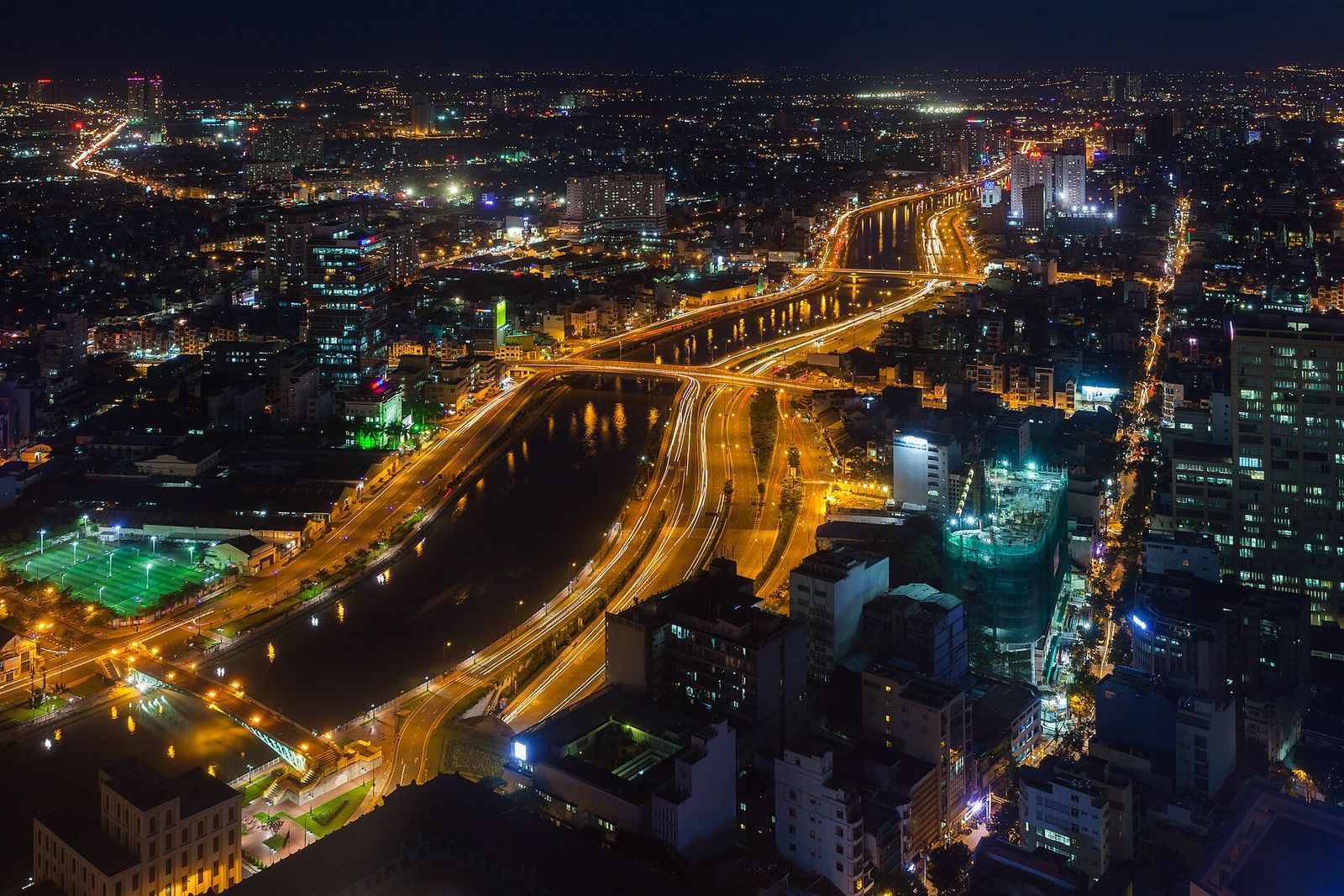
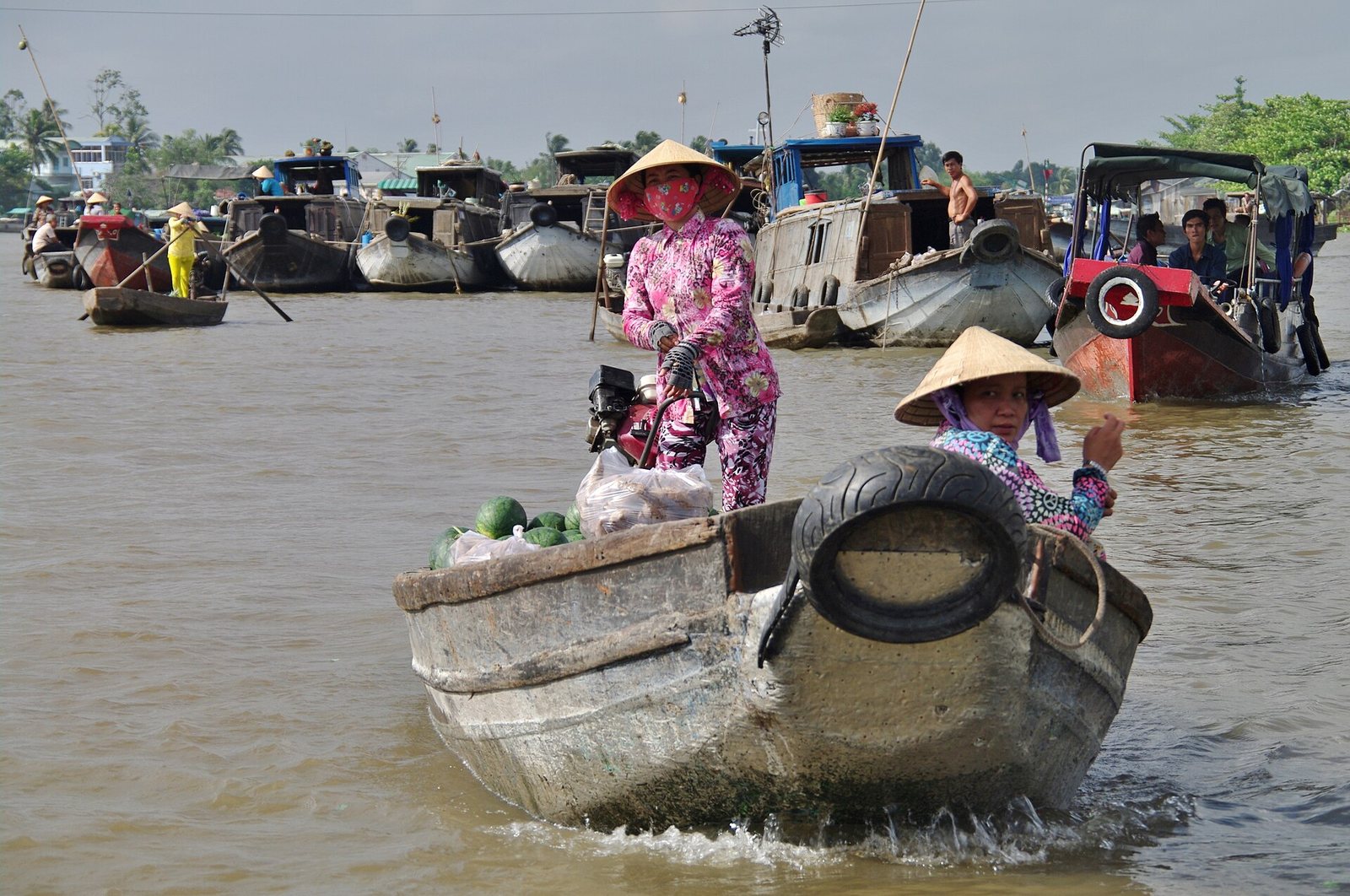
Ho Chi Minh City, still called Saigon by most locals, is Vietnam's fast, energetic business capital. Come for the War Remnants Museum, the Cu Chi tunnels, French era landmarks, rooftop bars and some of the best street food in Asia. From there, the Mekong Delta is a green world of rivers, floating markets, fruit orchards and homestays, best seen over a night or two rather than a rushed day trip.
Putting it together
Two weeks covers Hanoi, Ha Long Bay, Hue, Hoi An and Ho Chi Minh City with a taste of the delta. Use domestic flights for the long jumps and the train or road for shorter scenic sections. Browse our places to visit for food and stays in each city, then shape your route with the free trip planner.