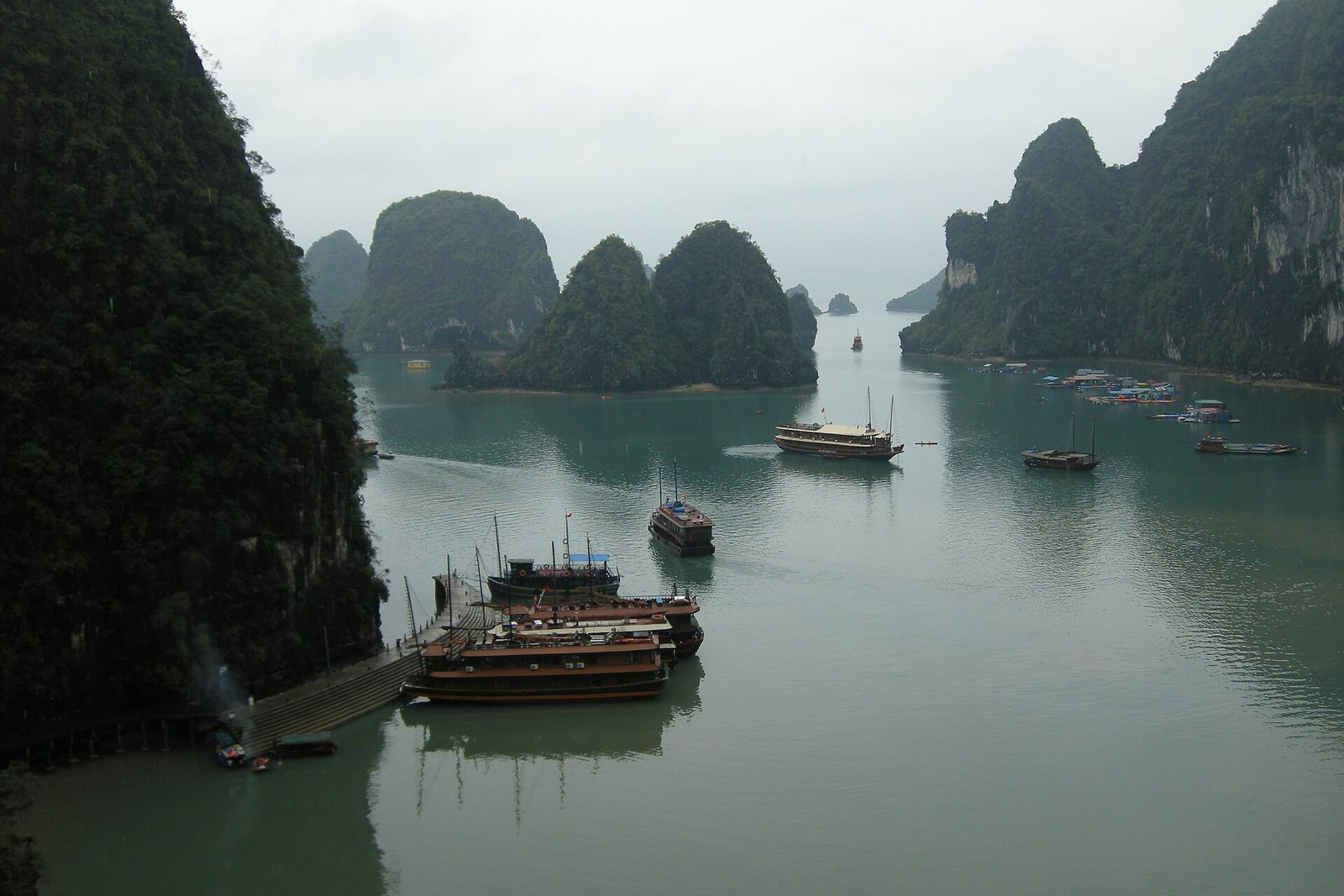
Ha Long Bay, VietnamPhoto: Vyacheslav Argenberg, CC BY 4.0, via Wikimedia Commons
Find your Bliss in Vietnam
Vietnam, made simple: limestone bays, lantern towns and the best street food on earth
Vietnam stretches long and narrow down the coast of Southeast Asia, from the misty rice terraces of Sapa and the old streets of Hanoi to the karst islands of Ha Long Bay, lantern lit Hoi An, imperial Hue and the buzzing energy of Ho Chi Minh City and the Mekong Delta. It can feel overwhelming at first, with e-visas, a currency full of zeros, rivers of motorbikes and a long route to plan. This guide takes the guesswork out so you travel with confidence.
Your trip, step by step
- Before you flyE-visas, seasons, health and money, answered
- LandingAirports, SIM cards, ride apps and your first evening, explained
- Your days in VietnamCities, bays, mountains, food and beaches, planned with care
- Home againDeparture tips so the last day is calm too
Where to go, eat and stay
- Plain answersClear, honest guidance on the questions first-timers actually ask.
- Official sourcesEntry, health and safety facts point you to the official pages to confirm.
- No price surprisesWe explain dong, ride app fares, bay cruises and tipping so costs never catch you off guard.
- Free to useEvery guide and the trip planner are free.
Our promise
Vietnam should feel like discovery, not stress. We answer the questions about visas, money, traffic, transport and safety before they start, so you arrive confident and ready to find your Bliss.
Coming home to see family from California, Texas, Paris, Sydney or Toronto, or finally seeing Ha Long Bay for yourself? This guide was written with you in mind.
How to use this guide
Four steps from first idea to a trip that feels easy.
- Choose your VietnamNorth, centre or south, mountains, cities or beaches: start with the destinations that fit you.
- Sort the essentialsEntry rules, travel advice, money and the right season for each region, checked against official sources.
- Pick your placesUse our places to visit list for food, cafés, culture, nature and stays in each city.
- Plan your routeUse the free trip planner to link north and south at a realistic pace by train, plane and road.
Everything your Vietnam trip needs
Free tools and guides for every stage of the journey.
Destinations
Hanoi, Ha Long Bay, Hoi An, Hue, Ho Chi Minh City and the Mekong Delta, each explained in depth.
Explore destinationsPlaces to visit
More than a hundred restaurants, cafés, markets, bars, sights and stays, from classics to hidden corners.
See places to visitFlights and stays
Search flights into Hanoi, Ho Chi Minh City and Da Nang, and compare places to stay.
Plan travelFree trip planner
Tell us your dates and interests and shape a route that fits your pace.
Plan your trip
The classic Vietnam trip
Hanoi to Ho Chi Minh City in two weeks
Most first trips run north to south or the reverse: a few days in Hanoi, a night on Ha Long Bay or Lan Ha Bay, a flight or overnight train to Hue and Hoi An, then a flight to Ho Chi Minh City and a trip into the Mekong Delta. Two weeks shows you the best of the country without rushing.
- The Old Quarter, pho and egg coffee in Hanoi
- A cruise among the limestone islands of Ha Long Bay
- Lanterns in Hoi An and the citadel of Hue
- Street food, markets and history in Saigon, then the Mekong
Plan with confidence
Your route, without the worry
Vietnam rewards a little preparation: the e-visa sorted on the official portal, a ride app on your phone, the right season for each region and realistic travel times along a very long country. Our free planner helps you shape it.
- Realistic train, flight and bus times between regions
- The right season for the north, centre and south
- Where to base yourself in each city
Where to go in Vietnam
From the capital's old streets and the bays of the north to the lantern town of Hoi An, imperial Hue and the busy south.
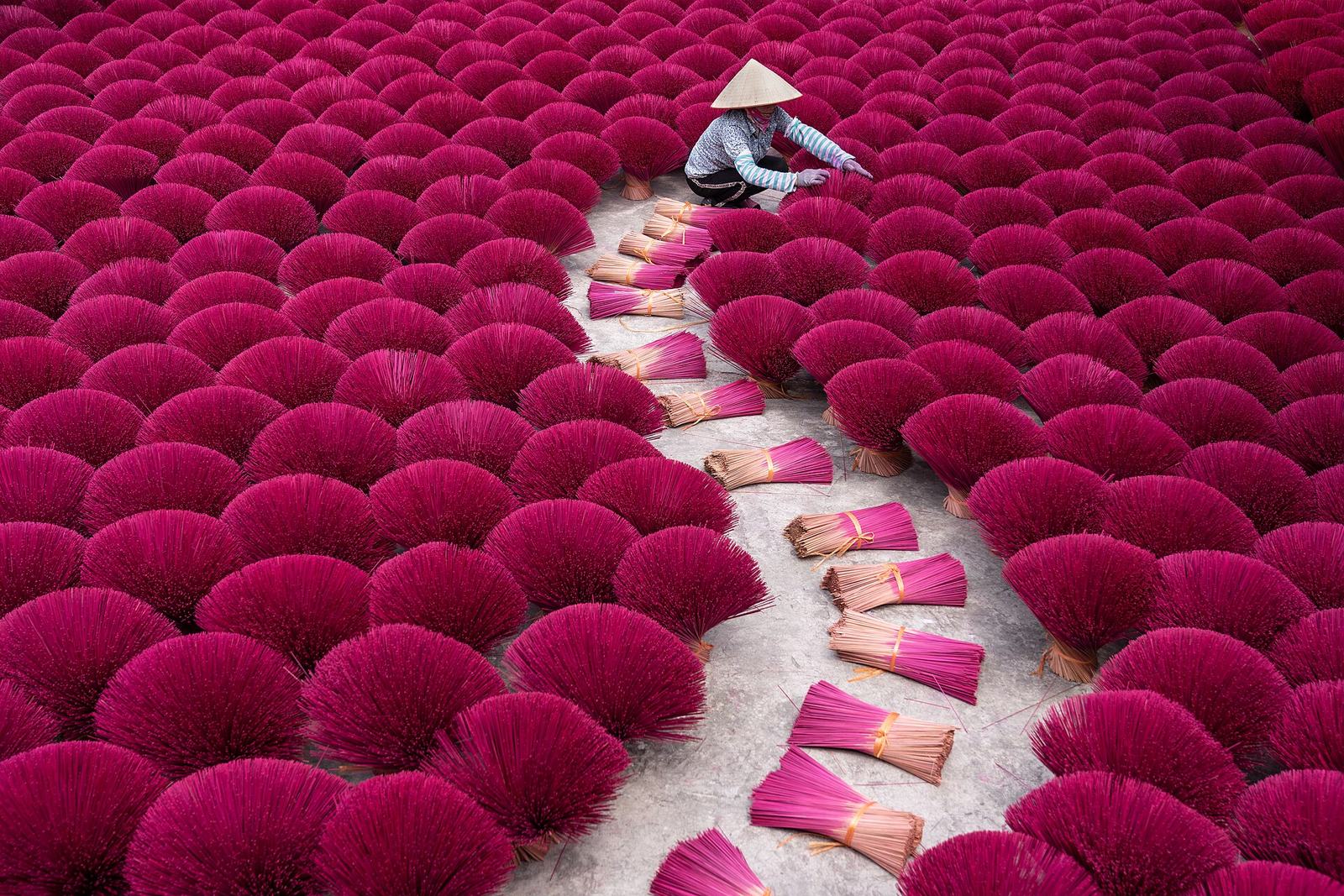
Red River Delta, northern Vietnam
Hanoi
The Old Quarter, lakes and temples, pho at dawn and egg coffee in hidden cafés.
Read the guidePhoto: Trantuanviet, CC BY-SA 4.0, via Wikimedia Commons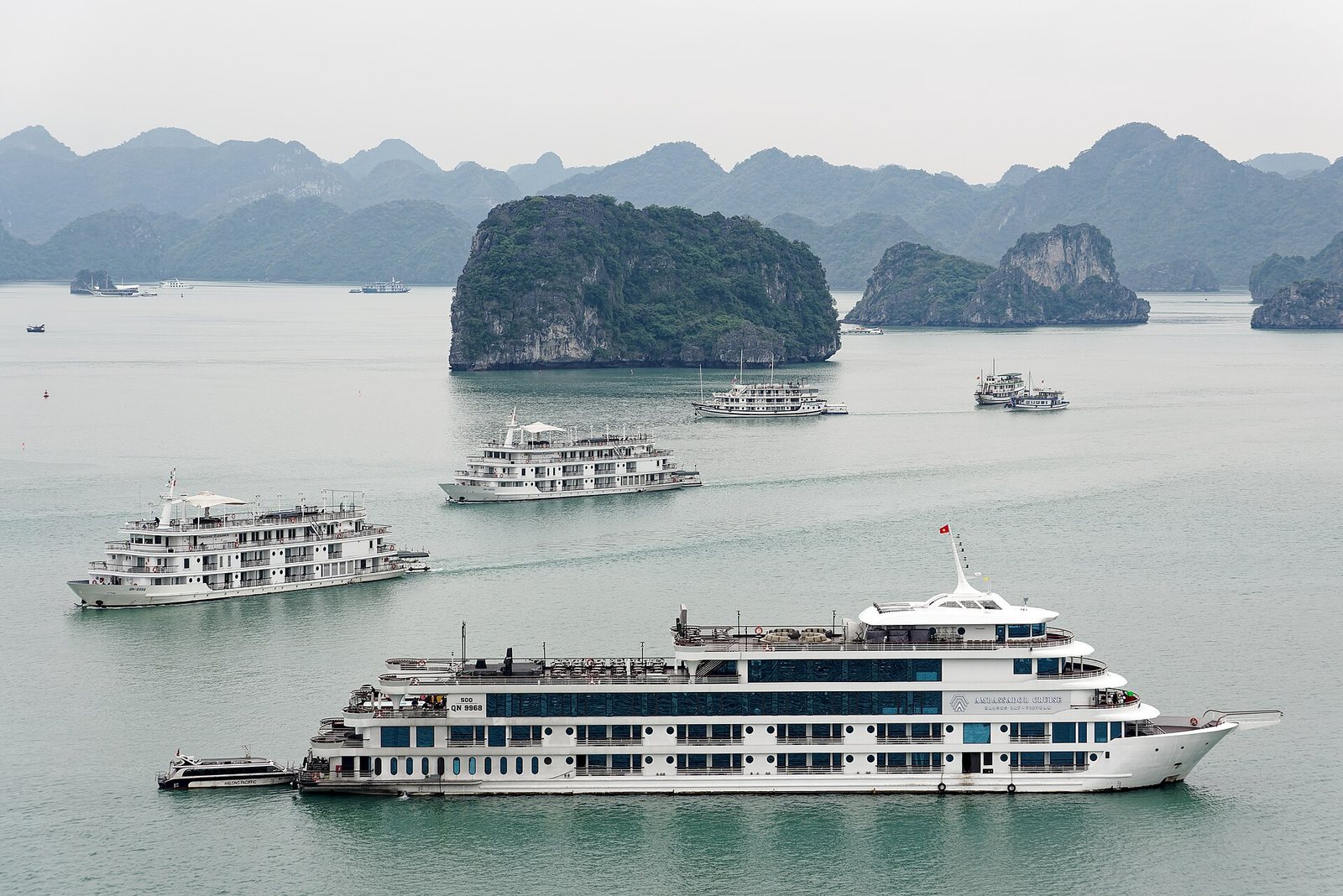
Quang Ninh province, northeast Vietnam
Ha Long Bay
Thousands of limestone islands, overnight cruises, caves, kayaking and quieter Lan Ha Bay.
Read the guidePhoto: Jakub Hałun, CC BY 4.0, via Wikimedia Commons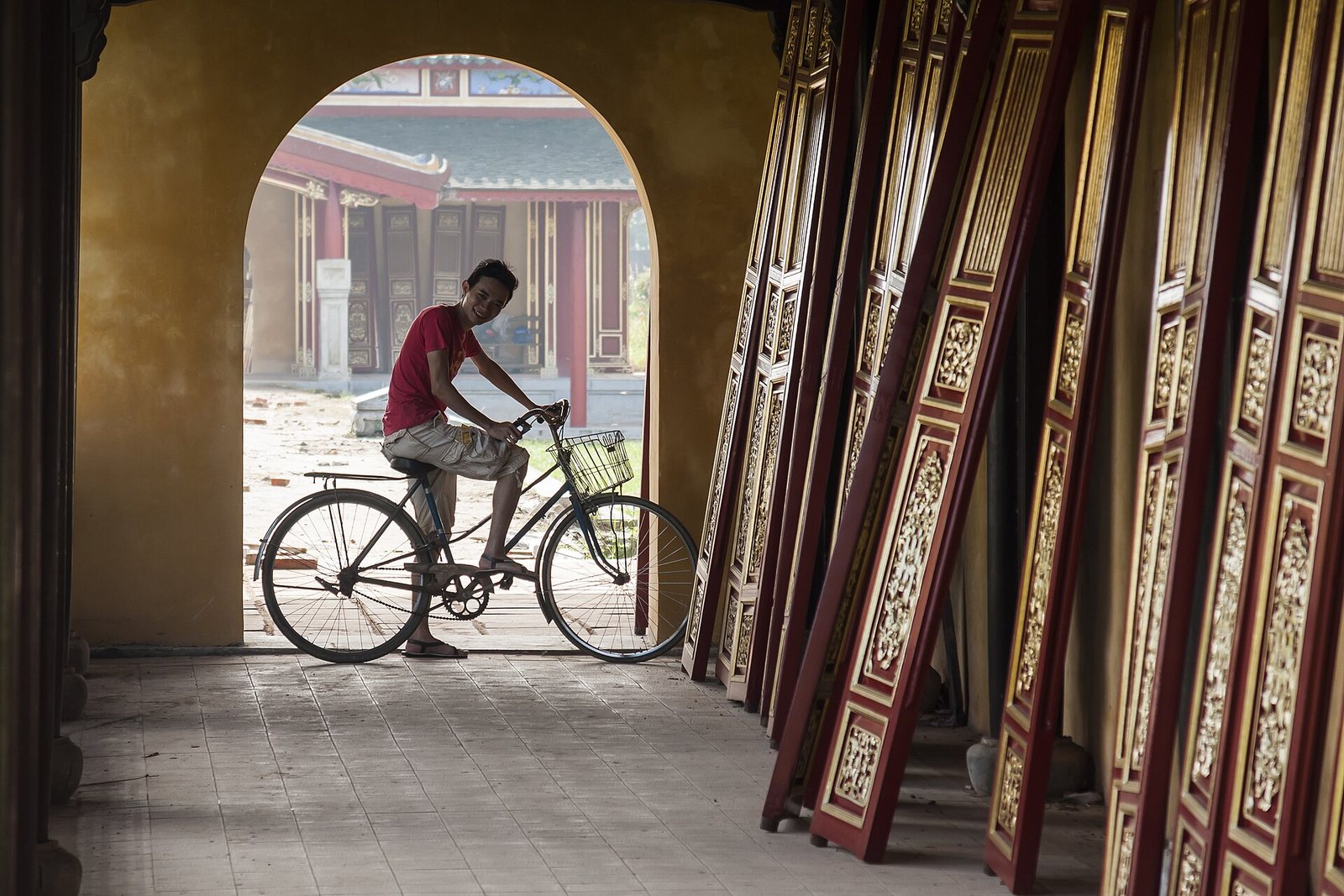
Hue city, central Vietnam
Hue
The Imperial Citadel, royal tombs on the Perfume River, pagodas and the spiciest food in Vietnam.
Read the guidePhoto: CEphoto, Uwe Aranas, CC BY-SA 3.0, via Wikimedia Commons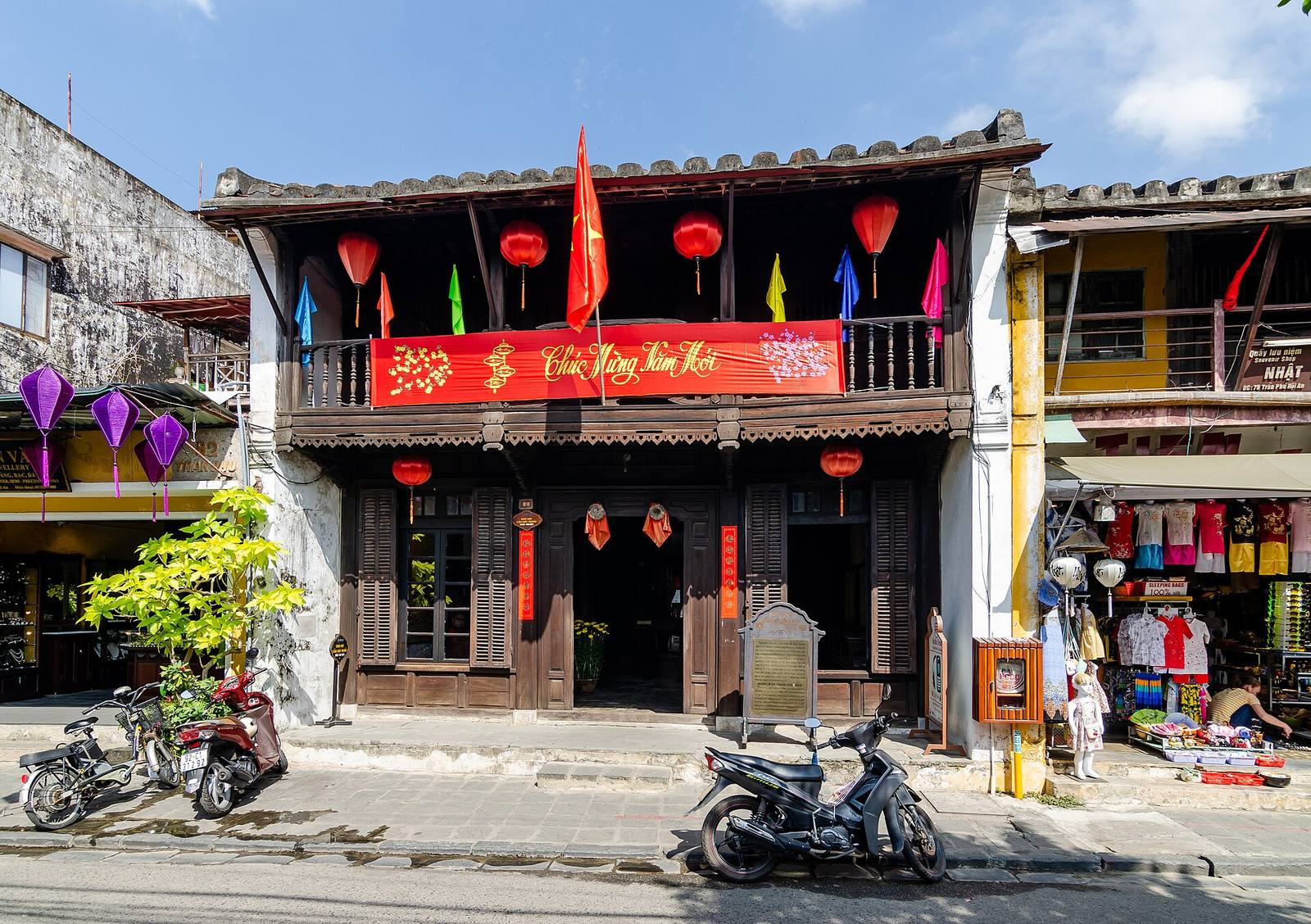
Quang Nam and Da Nang, central Vietnam
Hoi An and Da Nang
The lantern lit Ancient Town, tailor shops, long sandy beaches and Champa ruins.
Read the guidePhoto: Steffen Schmitz (more photos), CC BY-SA 4.0, via Wikimedia Commons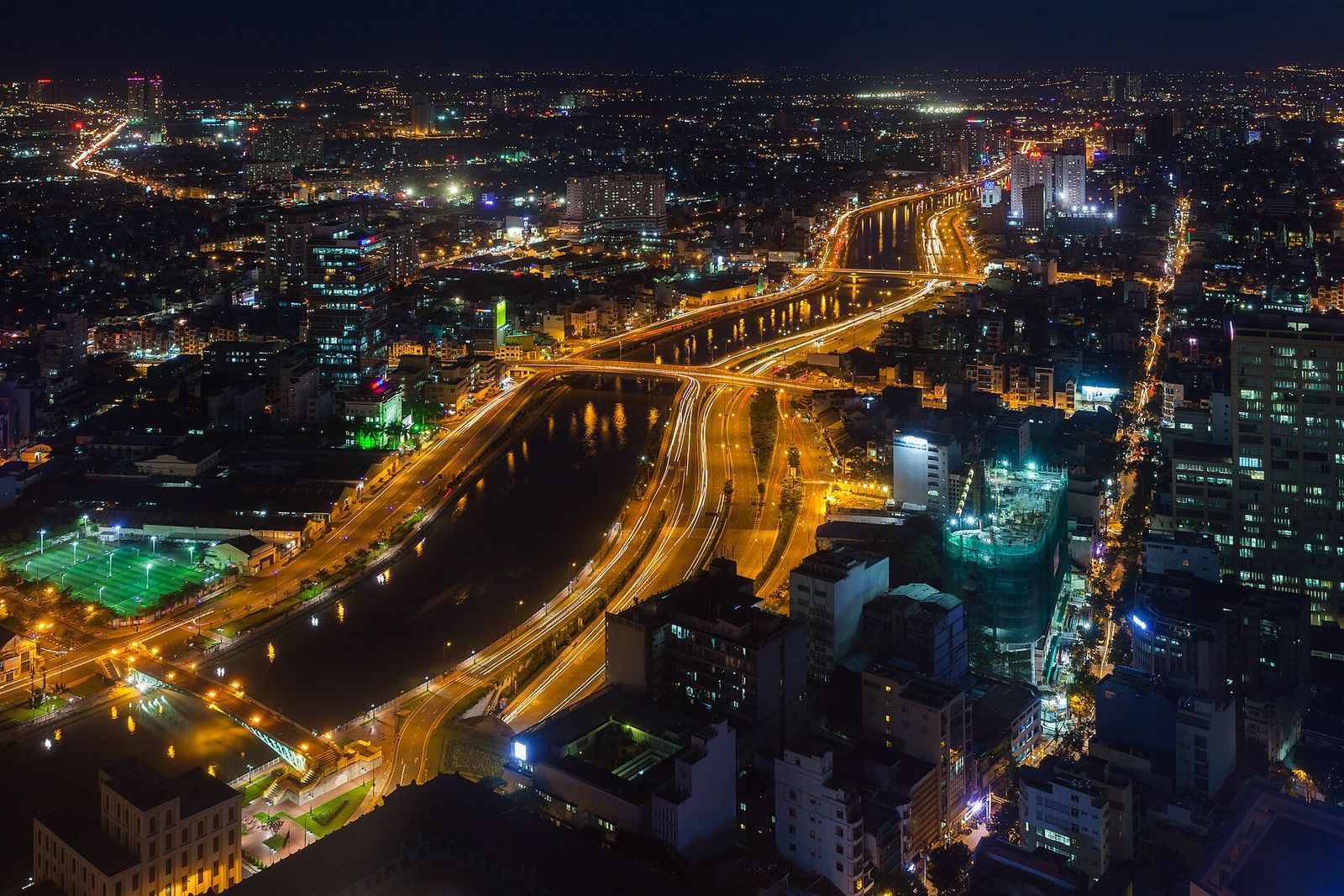
Southern Vietnam
Ho Chi Minh City
Saigon's energy, French era landmarks, the War Remnants Museum, street food and the Cu Chi tunnels.
Read the guidePhoto: Diego Delso, CC BY-SA 3.0, via Wikimedia Commons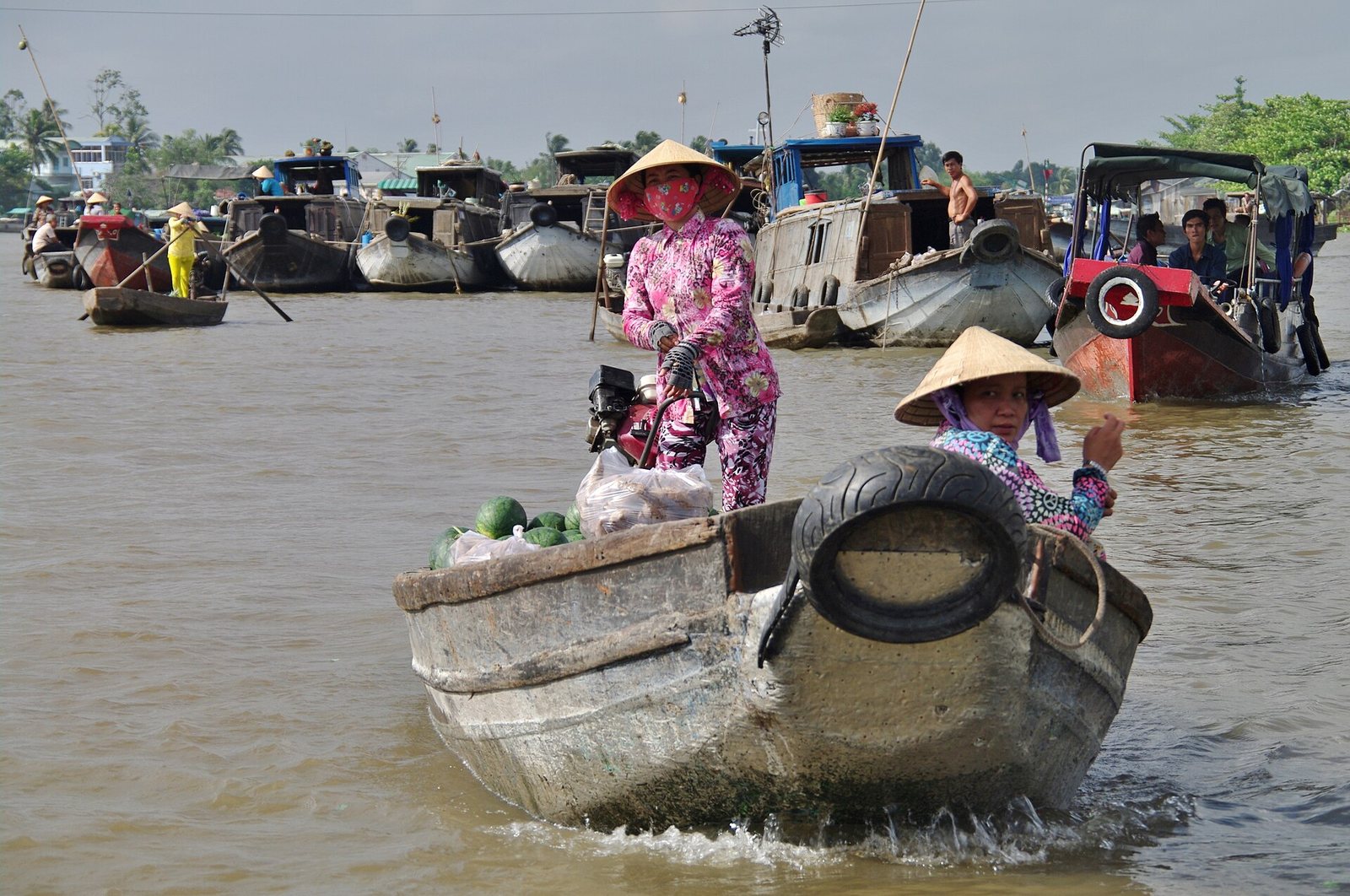
Mekong Delta, southern Vietnam
Mekong Delta
Floating markets, coconut canals, fruit orchards and riverside homestays in Vietnam's green south.
Read the guidePhoto: Jean-Marc Astesana from Voisins le Bretonneux, France, CC BY-SA 2.0, via Wikimedia Commons
A note from our founder
A note from our founder
My first time visiting Kenya, I was genuinely surprised with how fast it began feeling like home. The people are so friendly, the food is delicious and familiar, and the accommodations are modern and upscale.
During my travels throughout the continent, I commonly hear tourists share stories about being scammed or taken advantage of, which is both frustrating and disheartening.
Living in Kenya for the last 2 years, I have had the great fortune to meet a network of wonderful Kenyans who have continuously help guide my family's journey. Their shared knowledge has not only greatly enhanced our overall experience here, but it has also saved us tons of time, energy, and resources.
With BlissPoint Travel, my hope is to build a global community that is willing to share useful, uncommon knowledge so that we can all blissfully enjoy the wonders our world has to offer.
Questions we hear most
Do I need a visa for Vietnam?
It depends on your passport. Some nationalities can visit without a visa for a set number of days, and most others apply for an e-visa online before travel. Rules change, so always check the official Vietnam e-visa portal and your own government's travel advice before you book.
How long should my first trip to Vietnam be?
Two weeks lets you see Hanoi, Ha Long Bay, Hue, Hoi An and Ho Chi Minh City without racing. With ten days, pick two regions. Three weeks adds the northern mountains, Ninh Binh or a beach stay.
When is the best time to visit Vietnam?
Vietnam has three climates. Spring, from March to May, suits the whole country best. The north is cool and dry in late autumn and winter, the centre is driest from February to August, and the south is dry from December to April.
Is Vietnam safe for tourists?
Vietnam is generally safe and welcoming, with low violent crime. The main risks are traffic, bag snatching from passing motorbikes in big cities, overcharging and typhoons in season. Check your government's travel advice before you go.
What currency does Vietnam use?
The Vietnamese dong. Notes have many zeros, so take a moment with each payment. Cards work in hotels, malls and many restaurants, but cash is still king at markets and street food stalls.
How do I get between the north and the south?
Domestic flights are quick and frequent between Hanoi, Da Nang and Ho Chi Minh City. The Reunification Express train runs the full coast and is a scenic way to cover shorter sections such as Hue to Da Nang.
Ready to find your Bliss in Vietnam?
Use the free trip planner to shape your days, or send us a question through the contact page.