At a glance
- Best for
- History, architecture and royal cuisine
- Airport
- Phu Bai International Airport (HUI)
- Time needed
- Two days
- Best season
- February to April
- Rainy months
- September to December
- Getting around
- Walking, cycling, ride apps and boats
Why go
Hue is calmer and greener than Hanoi or Hoi An, a university and temple town built around a wide, slow river. It holds the Complex of Hue Monuments, Vietnam's first UNESCO World Heritage Site, and you can spend two full days exploring palaces, gardens and mausoleums that feel unlike anywhere else in Southeast Asia.
The Imperial Citadel
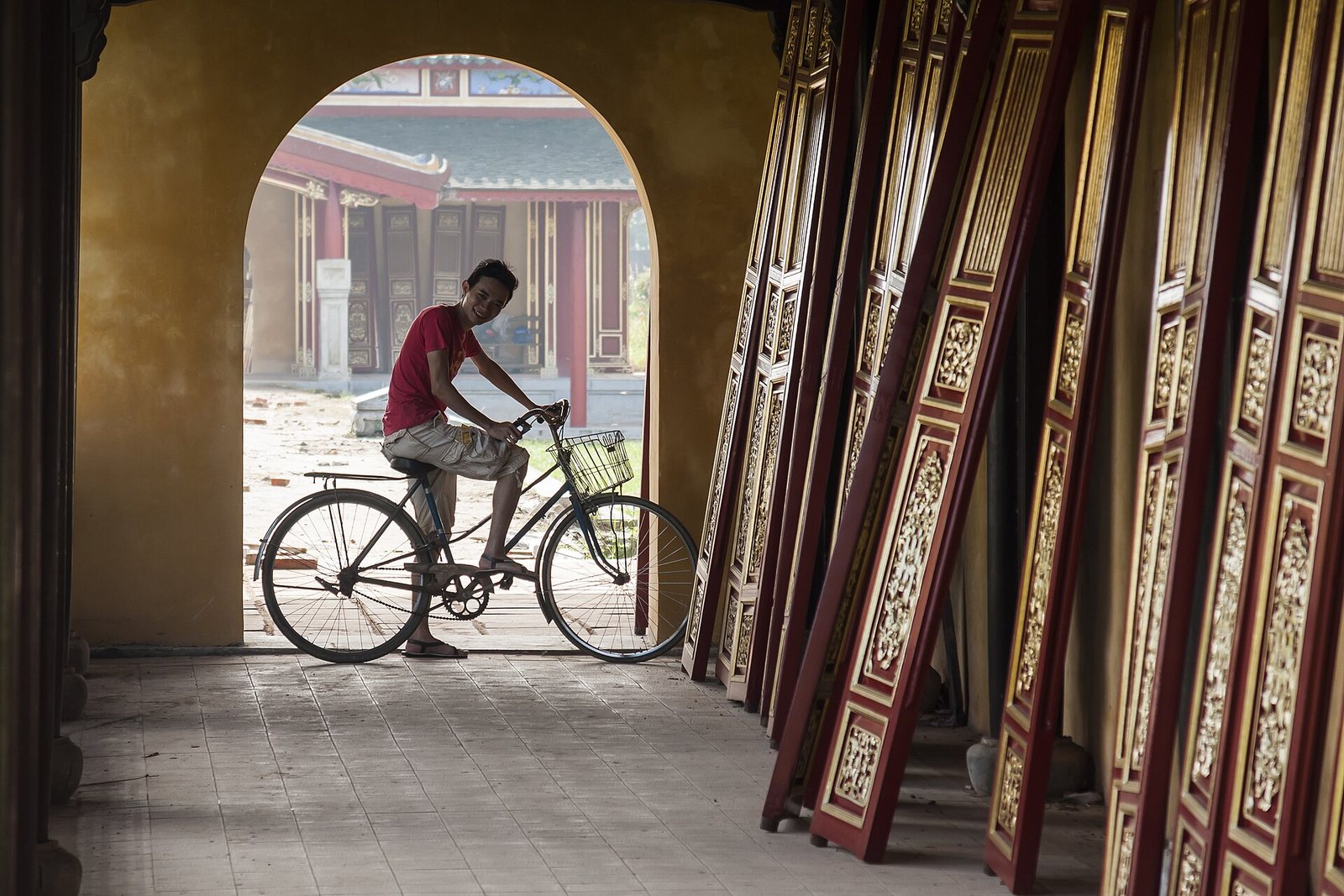
The citadel is a vast square fortress on the north bank, surrounded by moats and thick walls. Inside lies the Imperial City, entered through the grand Ngo Mon Gate, and within that the Forbidden Purple City where the emperor lived. Much was damaged in wars, especially during the battle of Hue in 1968, and restoration continues. Highlights include Thai Hoa Palace, the long galleries, the Royal Theatre and the Dien Tho residence of the queen mothers. Go early, give it at least half a day, and consider an evening visit on nights when the palace is lit up.
The royal tombs
The emperors designed their own tombs as peaceful retreats with lakes, pavilions and courtyards. The tomb of Tu Duc is romantic and lakeside, the tomb of Minh Mang is grand and symmetrical, and the tomb of Khai Dinh is an unusual mix of European and Vietnamese styles with dazzling glass and porcelain mosaics. They lie several kilometres south of town, so combine them by car, motorbike tour or a mix of boat and bicycle.
Thien Mu Pagoda and the river
The seven storey tower of Thien Mu Pagoda overlooks the Perfume River and is the symbol of the city. A slow dragon boat trip up the river is a classic afternoon, and you can stop at the pagoda and some tombs along the way. Evenings on the riverbank bring night markets, floating lanterns and royal music performances on boats.
Food
Hue's cooking is spicy and delicate at once. Bun bo Hue, a lemongrass beef and pork noodle soup with a kick, is the city's pride. Try banh beo (tiny steamed rice cakes), banh khoai (crispy pancakes), com hen (rice with baby clams) and the elaborate vegetarian food of the Buddhist pagodas. Royal style banquets give a taste of court cuisine.
Beyond the city
The former Demilitarized Zone, with the Vinh Moc tunnels and Khe Sanh, is a long day trip north for those interested in the war. Bach Ma National Park offers forest trails and waterfalls. Thuan An and Lang Co beaches are close. South of the city the Hai Van Pass climbs over the mountains to Da Nang, one of the most scenic coastal roads in Asia.
Weather
Hue has the wettest climate of the classic route. Heavy rain and flooding are common from September to December, and the city can be cold and drizzly in winter. Spring is lovely, and summer is very hot.
Getting there
Phu Bai International Airport is about thirty minutes from the centre. The Reunification Express train stops in Hue, and the stretch south to Da Nang hugs the coast. Many travellers transfer to Hoi An by road over the Hai Van Pass.
Questions about Hue
How long should I spend in Hue?
Two days lets you see the citadel, several tombs, Thien Mu Pagoda and enjoy the food. Add a day for the DMZ.
What is the best way to see the royal tombs?
Hire a car with a driver or join a motorbike tour for the day, or combine a dragon boat trip with cycling. They are too far apart to walk.
Is Hue worth visiting in the rainy season?
It can be, but expect heavy rain and possible floods from September to December. Keep plans flexible and check weather warnings.
How do I get from Hue to Hoi An?
By road over the Hai Van Pass, which takes around three to four hours with stops, or by train to Da Nang and then a short drive to Hoi An.
Facts checked . Fees, schedules and entry rules change, so always confirm the latest with the official source.