At a glance
- Best for
- Food, history, nightlife and shopping
- Airport
- Tan Son Nhat International Airport (SGN)
- Time needed
- Three days
- Best season
- December to April
- Language
- Vietnamese, with English widely used in District 1
- Getting around
- Ride apps, metro line 1, walking
Why go
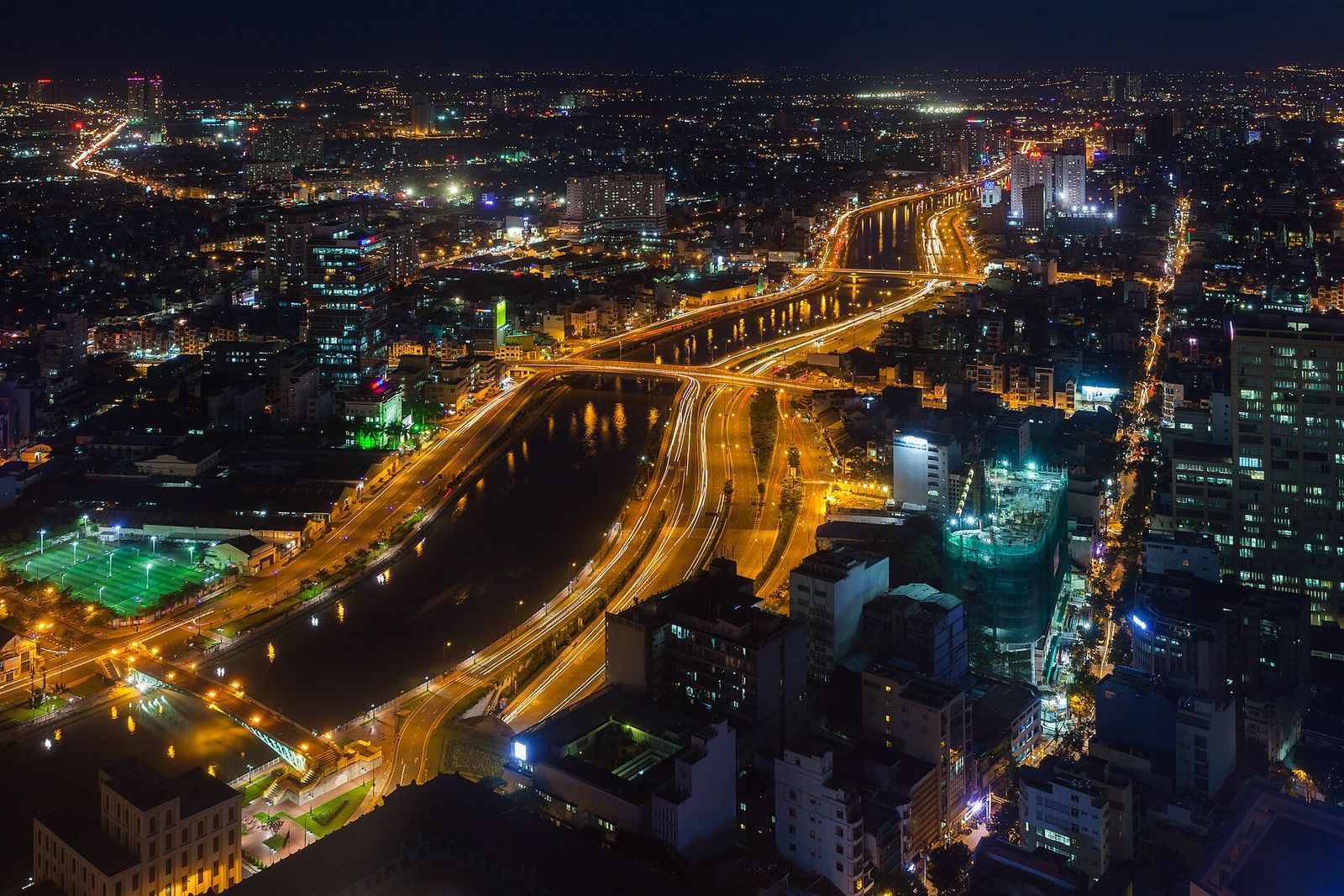
Saigon is where modern Vietnam shows its energy. The city never seems to sleep, the food is outstanding at every level, and the history of the twentieth century is close at hand. Many travellers start or end their trip here, and diaspora visitors often find it the most familiar city, with family links in every district.
District 1 and the landmarks
District 1 is the centre for first-timers. Walk past the Notre Dame Cathedral (under long restoration) and the elegant Central Post Office, then along Dong Khoi street to the Opera House and the People's Committee building. Nguyen Hue walking street fills with families in the evenings. Ben Thanh Market is busy and touristy but still fun for snacks, and its night market spills into the streets around it.
History
The War Remnants Museum is powerful and difficult, telling the story of the American War from the Vietnamese side, including the effects of Agent Orange. Independence Palace, where tanks crashed through the gates on 30 April 1975, is preserved with its 1960s interiors and command bunkers. The Ho Chi Minh City Museum and the Museum of Fine Arts sit in beautiful colonial buildings. The Cu Chi tunnels, a vast underground network used by the Viet Cong, are about one and a half to two hours away by road; Ben Dinh is closer and busier, Ben Duoc quieter.
Food
Saigon's food is sweeter and more herb laden than the north's. Try com tam broken rice with grilled pork, banh mi, hu tieu noodle soup, banh xeo crispy pancakes, oc (snails and shellfish) at night, and sweet che desserts. District 4 and District 5 are great for street food, and Cholon in District 5 is the historic Chinese quarter with its markets and temples. Coffee culture is everywhere, from tiny street stalls to grand old apartment blocks turned into café hives such as 42 Nguyen Hue.
Nightlife
Rooftop bars on hotel towers look over the river and the skyline. Bui Vien walking street is the loud backpacker strip. Thao Dien in Thu Duc City, across the river, is calmer, with craft beer, restaurants and expat cafés.
Getting around
Grab, Be and Xanh SM are the easiest way to get around by car or motorbike taxi. Metro line 1, which opened at the end of 2024, runs from Ben Thanh east to Thu Duc and is useful for Thao Dien. Tan Son Nhat airport is close to the city, usually thirty to sixty minutes depending on traffic; use a ride app or the official taxi ranks. Watch your phone near the kerb: bag and phone snatching by passing motorbikes is the most common crime.
Where to stay
District 1 puts you within walking distance of the sights. District 3 is leafier and more local, with great cafés. Thao Dien suits families and longer stays.
Beyond the city
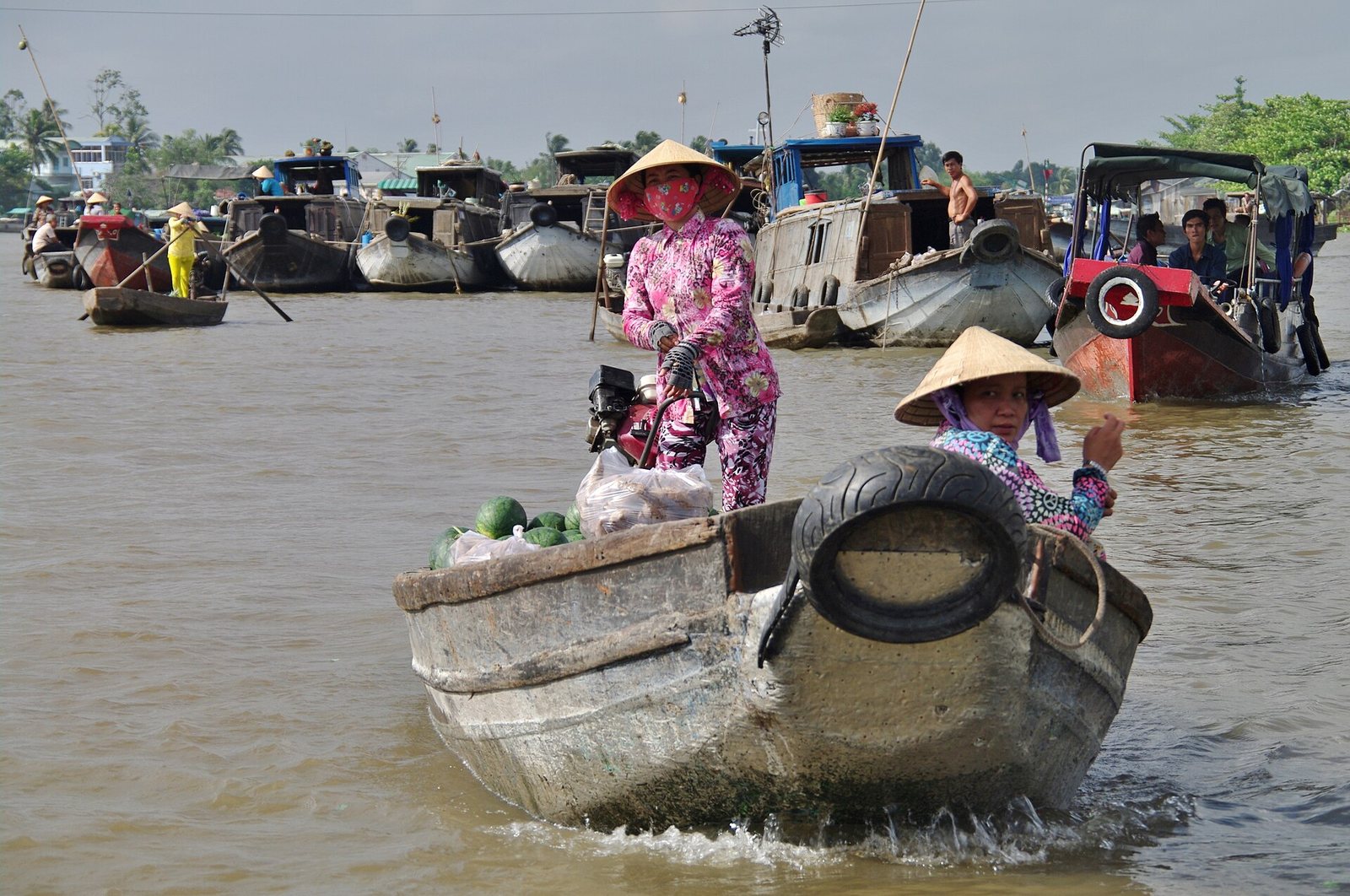
The Mekong Delta starts about two hours south. Vung Tau is the nearest beach, and Can Gio mangrove forest makes an unusual day out. Phu Quoc and Con Dao islands are a short flight away.
Questions about Ho Chi Minh City
Is it Saigon or Ho Chi Minh City?
Both. The official name has been Ho Chi Minh City since 1976, but Saigon is still used every day, especially for the central districts.
How do I visit the Cu Chi tunnels?
Most people join a half day tour by bus or boat. Ben Duoc is quieter than Ben Dinh. The tunnels are narrow, so skip crawling inside if you dislike tight spaces.
Is Ho Chi Minh City safe?
It is generally safe, but phone and bag snatching from motorbikes is common. Keep your phone away from the roadside and carry bags across your body.
How many days do I need in Saigon?
Three days covers the main sights, a Cu Chi trip and plenty of food. Add one or two nights for the Mekong Delta.
Facts checked . Fees, schedules and entry rules change, so always confirm the latest with the official source.