The capital
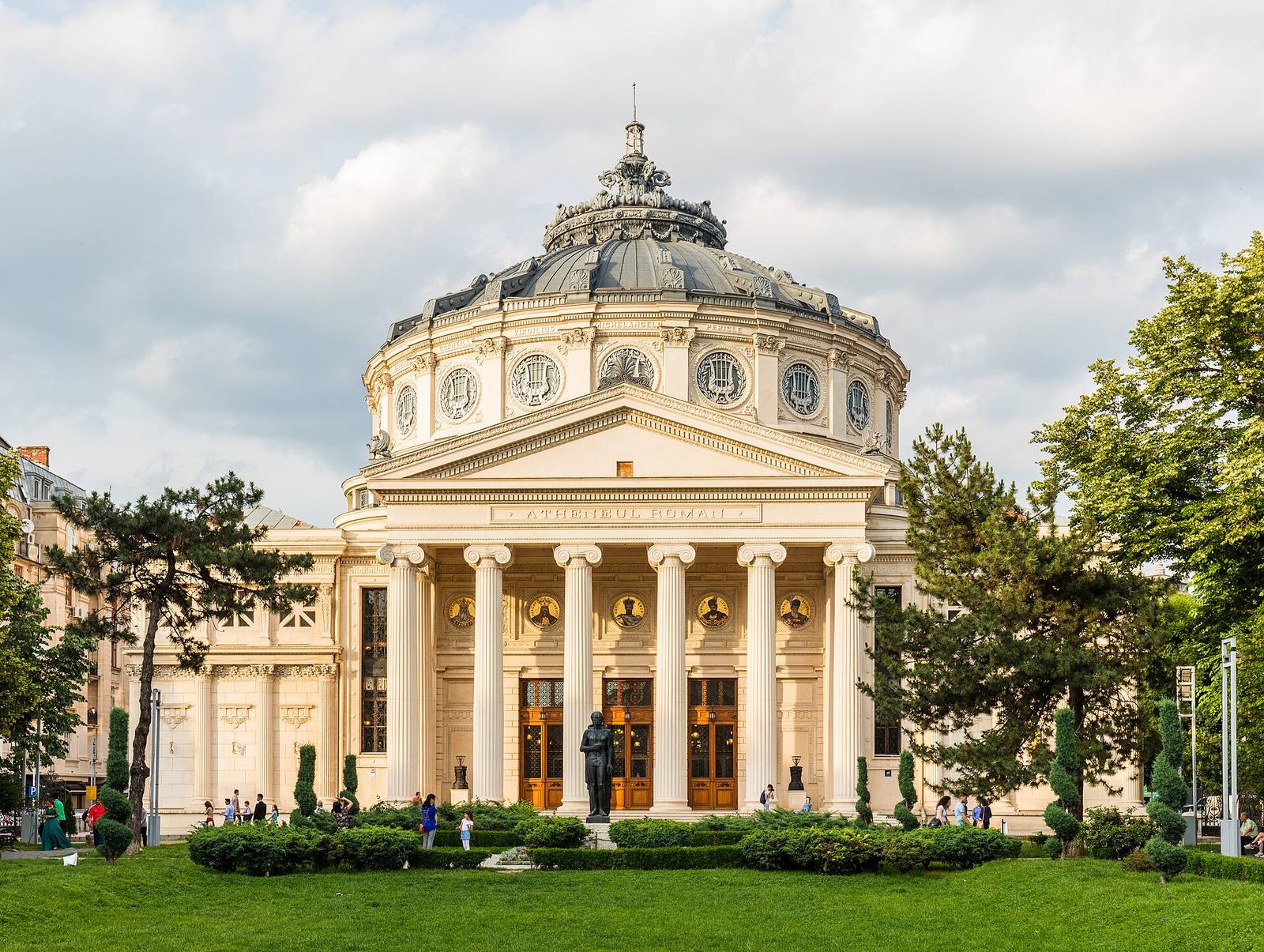
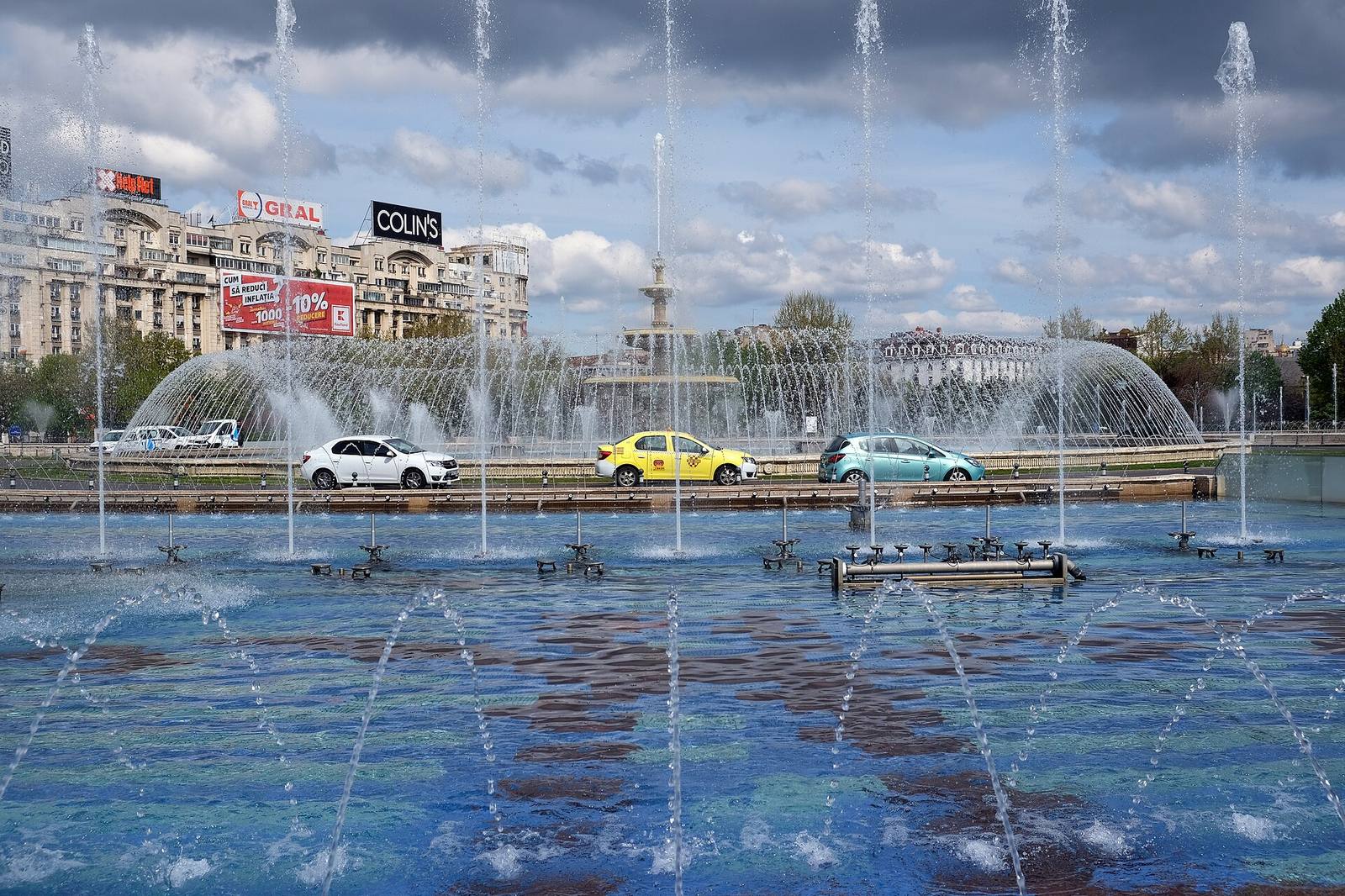
Most trips begin in Bucharest, a big, energetic capital of belle epoque mansions, communist era boulevards, leafy parks and garden bars. It holds the vast Palace of the Parliament, the Village Museum and the lively Old Town. Plan two or three nights before heading into the mountains.
The heart of Transylvania
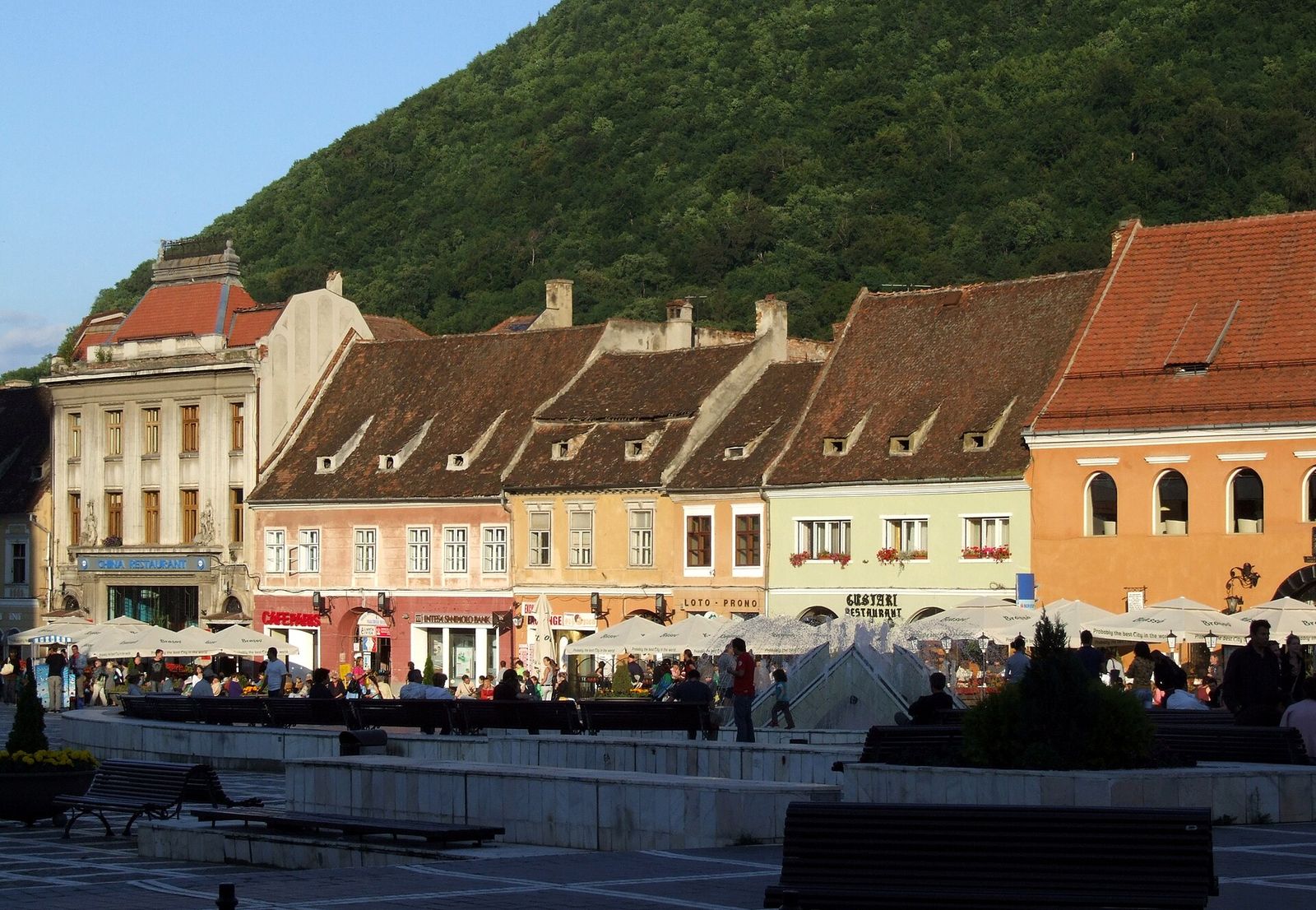
Two and a half hours north by train, Brasov sits under Tampa mountain with a Saxon old town, the Black Church and easy access to Bran Castle, Rasnov fortress, Peles Castle in Sinaia and the fortified churches of the region. It is the best single base for a first visit.
The Saxon towns
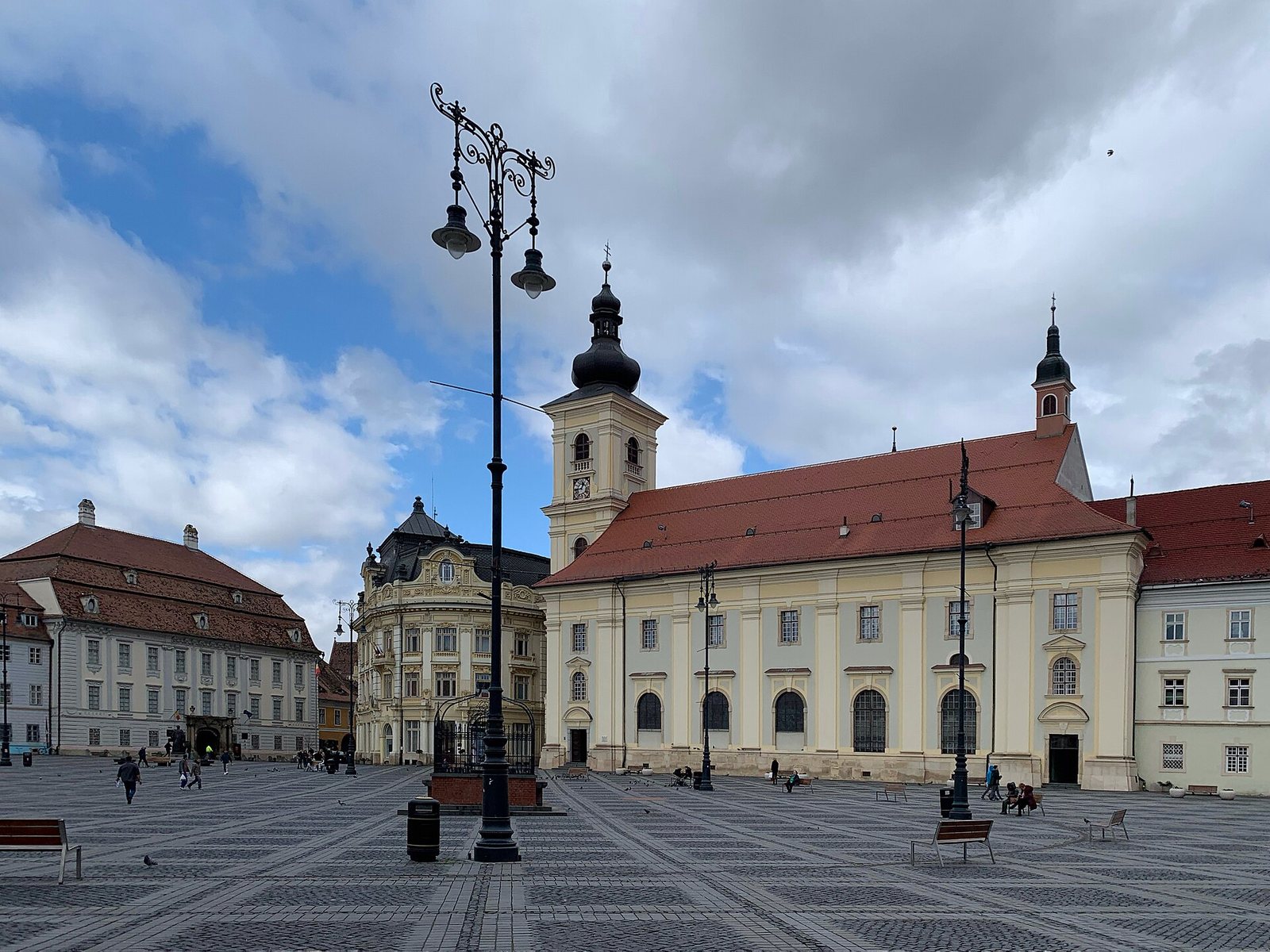
Further west, Sibiu is a beautifully restored walled city of squares, painted houses and rooftop windows that look like eyes. It is the gateway to the Transfagarasan road, the Astra open air museum and the villages of the Saxon hill country, and Sighisoara is close enough for a day trip.
The north west
Cluj-Napoca is Transylvania's largest city: young, creative and full of cafés, with the Turda salt mine, the Apuseni mountains and the road north to the wooden churches of Maramures all within reach. It has a busy airport, which makes it an easy start or end point.
Wild Romania
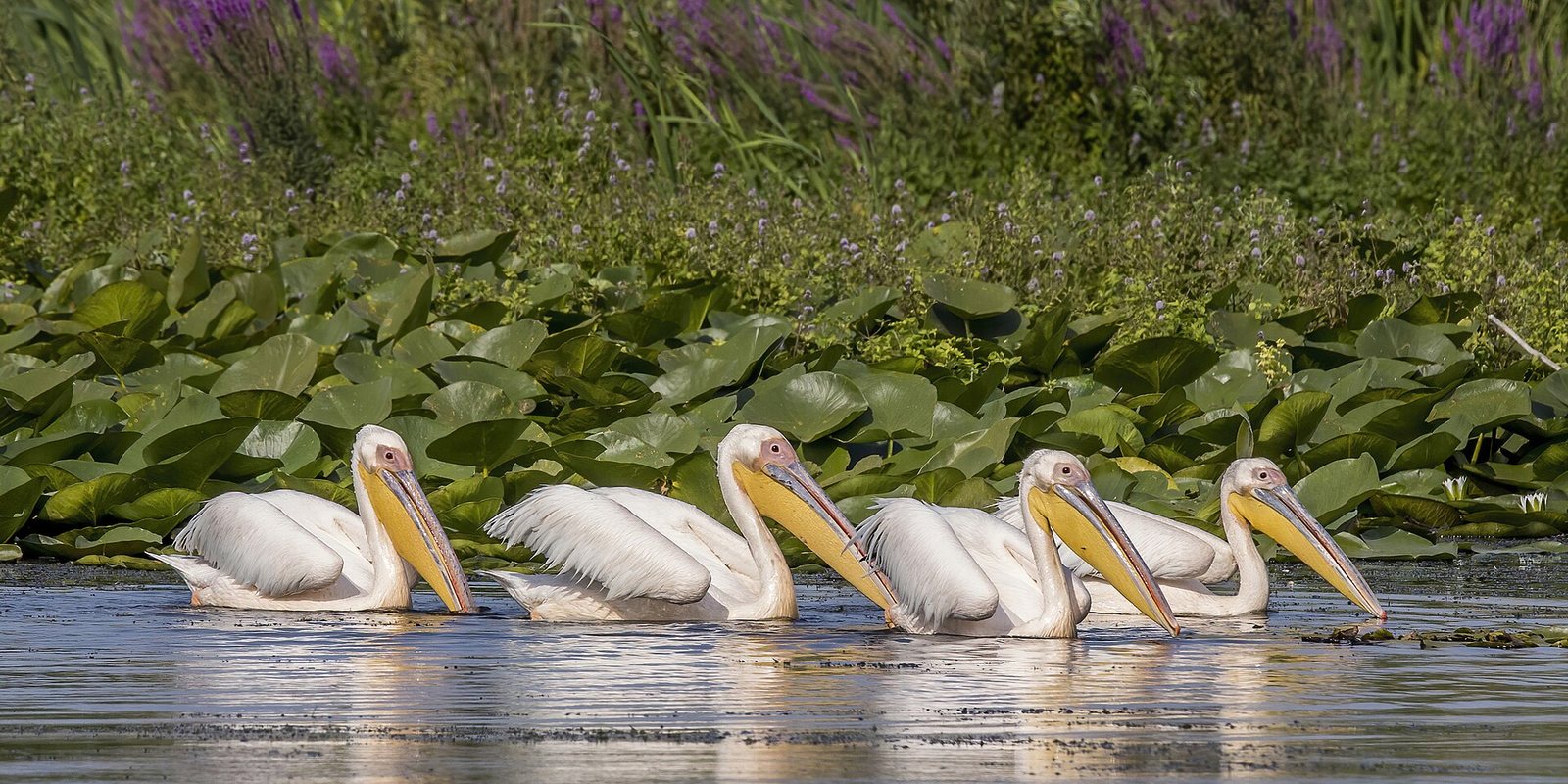
Where the Danube meets the Black Sea, the Danube Delta is one of Europe's largest wetlands, a maze of reed channels, lakes and fishing villages reached only by boat. It is a paradise for birdwatchers from spring to early autumn.
How to combine them
A first week usually looks like Bucharest, then Brasov, then Sibiu or Sighisoara, finishing in Cluj. With ten days or more, add Maramures and Bucovina in the north, or the delta from Tulcea. Use the free trip planner to shape your own route, and our places to visit list to fill each day.