At a glance
- Best for
- Museums, architecture, food, nightlife and parks
- Airport
- Henri Coanda International Airport (OTP) at Otopeni, about thirty to forty minutes away
- Time needed
- Two to three days
- Best season
- April to June and September to October
- Getting around
- Metro, trams, buses, walking and ride apps
- Good base for
- Snagov, Mogosoaia Palace and the train to Transylvania
Why go
Bucharest is where modern Romania happens. It is the easiest place to fly into, the best place to eat and drink in the country, and a city full of contrasts that explain Romania's twentieth century better than any book. You can stand in front of the second largest administrative building in the world in the morning, wander through an outdoor museum of village houses at lunch and spend the evening in a courtyard bar in an old villa.
The main sights
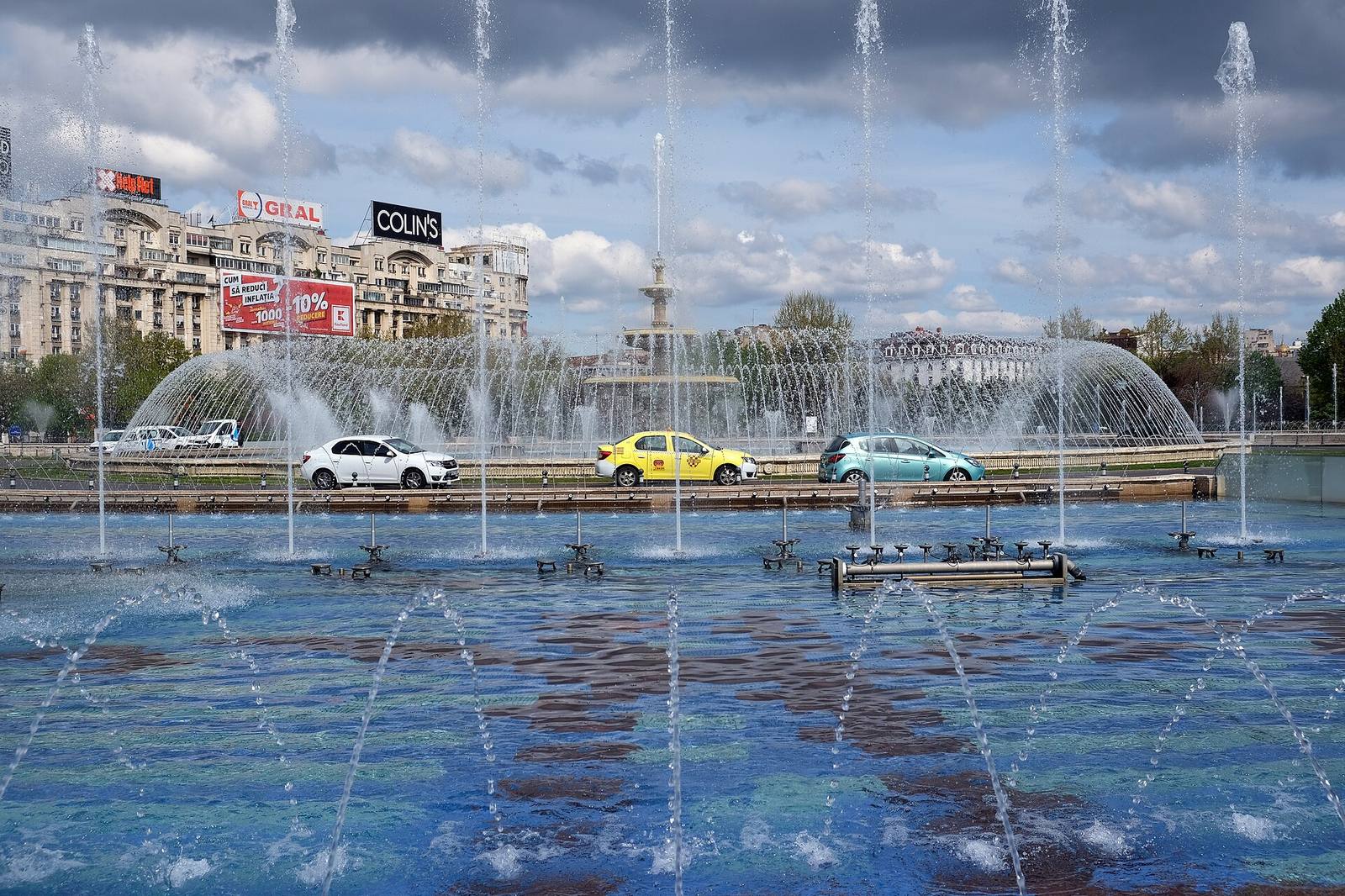
The **Palace of the Parliament** is the city's most famous sight, a colossal building commissioned by Nicolae Ceausescu in the 1980s. Guided tours run most days and need booking ahead with your passport, so check the official site. From there, the long **Unirii Boulevard** shows the scale of the old regime's plans.
The **Old Town** (Centrul Vechi) around Lipscani street is the historic merchant quarter, now full of restaurants and bars. Look for **Stavropoleos Monastery**, a small jewel of carved stone and painted walls, the **Caru' cu Bere** beer hall and the bookshop **Carturesti Carusel**, a restored building of white balconies that is one of the most photographed interiors in the city.
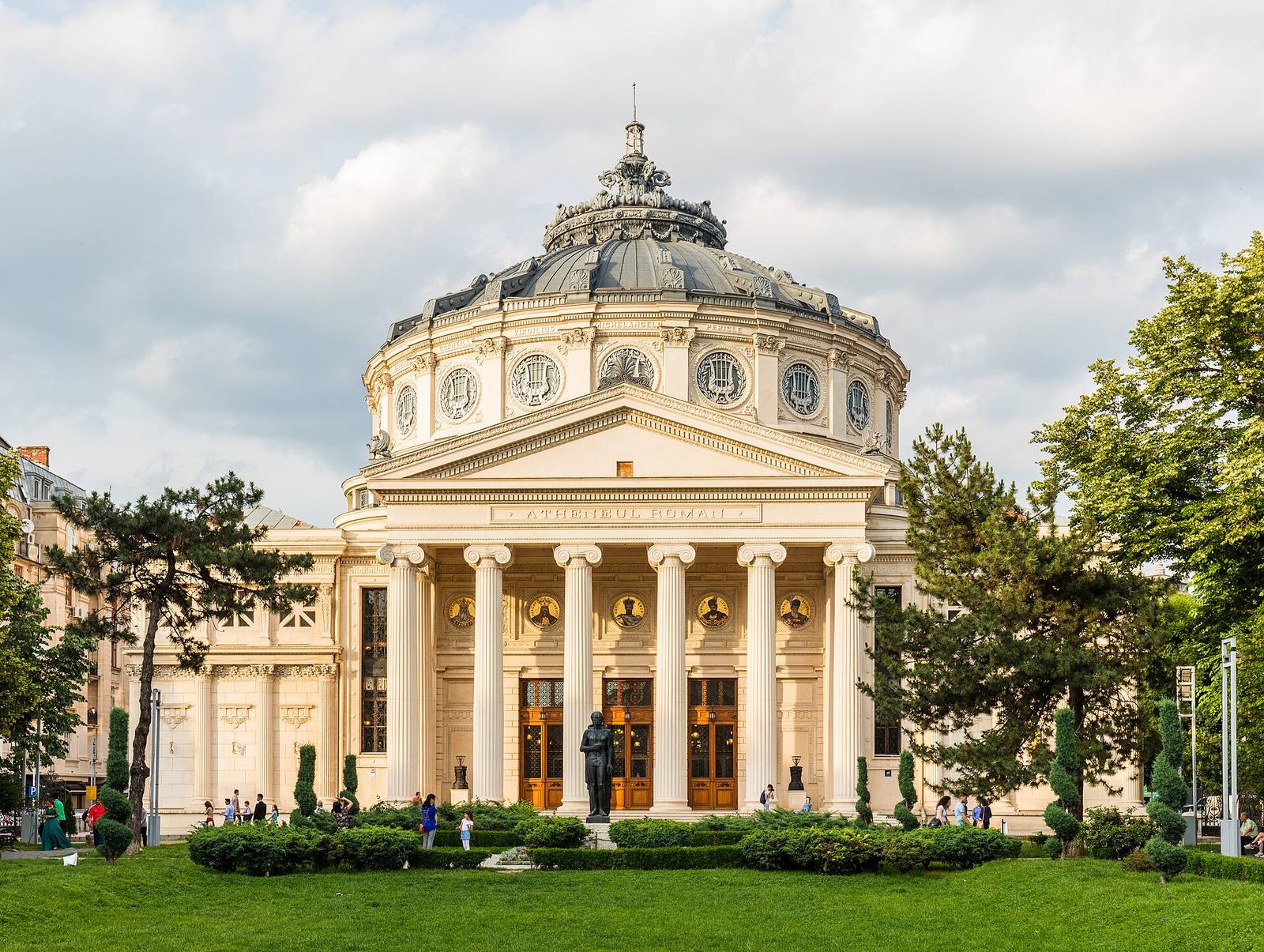
**Calea Victoriei**, the grand avenue of old Bucharest, links the Old Town to **Revolution Square**, where the 1989 revolution came to a head, the **Romanian Athenaeum** concert hall and the **National Museum of Art** in the former royal palace.
The **Dimitrie Gusti National Village Museum** in Herastrau park (now officially King Michael I Park) brings together hundreds of farmhouses, churches and windmills from every region. It is a perfect introduction before you head into the countryside. Nearby, the **Arcul de Triumf** and the lake are lovely for a walk.
Neighbourhoods
The **Old Town** is lively but noisy at night. **Cotroceni** and the streets around **Dorobanti** and **Floreasca** are quieter and leafy, with good cafés. The villa streets between **Piata Romana** and **Gradina Icoanei** are full of early twentieth century houses, and **Floreasca** and **Primaverii** have some of the best restaurants.
Food and drink
Try sarmale (cabbage rolls), mici (grilled minced meat rolls) with mustard, ciorba soups and papanasi, a fried doughnut with sour cream and jam. Bucharest has a strong speciality coffee scene and lots of summer garden bars in old houses. **Obor market** is the best place to see how locals shop, and to try mici from the stalls.
Where to stay
For a first visit, stay between the Old Town and Piata Romana, so you can walk to most sights and reach the metro easily. The Old Town itself suits night owls; Cotroceni and the area near Cismigiu gardens suit those who want a quieter base.
Getting around
The metro is cheap, clean and simple, with a line from the airport area connecting to the city. Trams and buses use contactless cards. Use a ride app or a taxi from the official airport screens rather than accepting offers in the arrivals hall. Traffic is heavy at rush hour, so the metro is often faster.
Day trips
**Mogosoaia Palace**, a Brancovenesc style palace by a lake, makes an easy half day. **Snagov monastery** on its island is linked by legend to Vlad the Impaler's grave. Most visitors, though, use Bucharest as the starting point for the train to Sinaia and Brasov.
Practical tips
Bucharest is generally safe, but watch for pickpockets in the Old Town and on crowded transport, avoid unlicensed taxis and check your bill in tourist bars. Summers are hot, often well above thirty degrees, so plan sightseeing for mornings and evenings. Use the free trip planner to fit Bucharest into your route, and see our places to visit list for restaurants and bars.
Questions about Bucharest
How many days do I need in Bucharest?
Two full days covers the main sights, including the Palace of the Parliament, the Old Town and the Village Museum. Add a third for museums, parks and a slower evening.
Is Bucharest worth visiting?
Yes, especially if you like history, food and nightlife. It is less polished than Transylvania's towns but gives you the real story of modern Romania.
How do I get from the airport to the city?
Take the train or metro link from the airport, an express bus, or a taxi booked from the official screens in arrivals. A ride app is another simple option.
Do I need to book the Palace of the Parliament?
Booking ahead is strongly recommended and you need your passport or ID for the visit. Check the official site for current tour times.
Facts checked . Fees, schedules and entry rules change, so always confirm the latest with the official source.