The capital
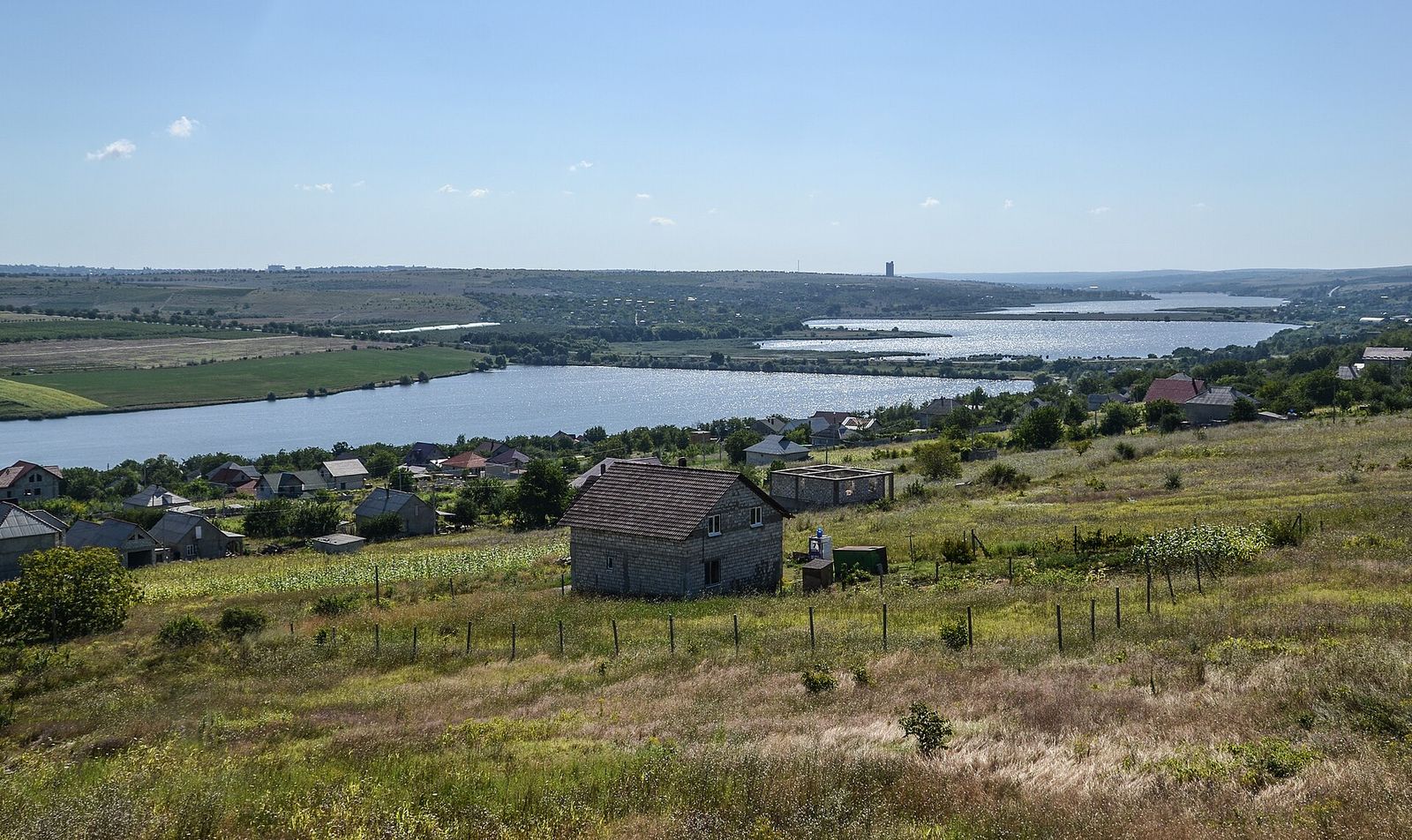
Every trip starts in Chișinău, a green capital of wide boulevards, big parks, Soviet era landmarks, a busy central market and a growing scene of wine bars and cafés. It is the easiest base for almost everything else in the country, with comfortable hotels, good restaurants and the main bus stations. Plan at least two or three nights here.
The cave monastery
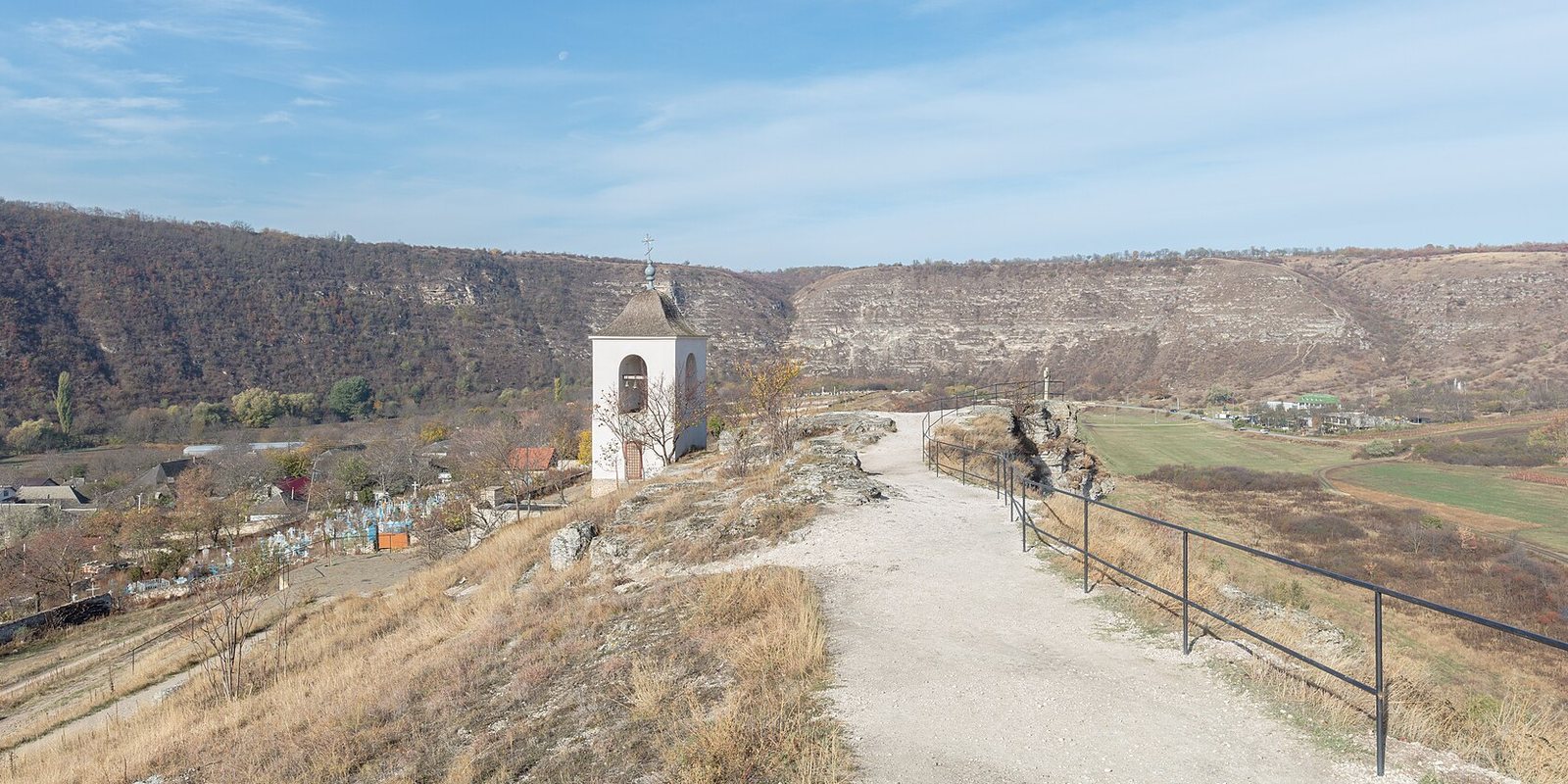
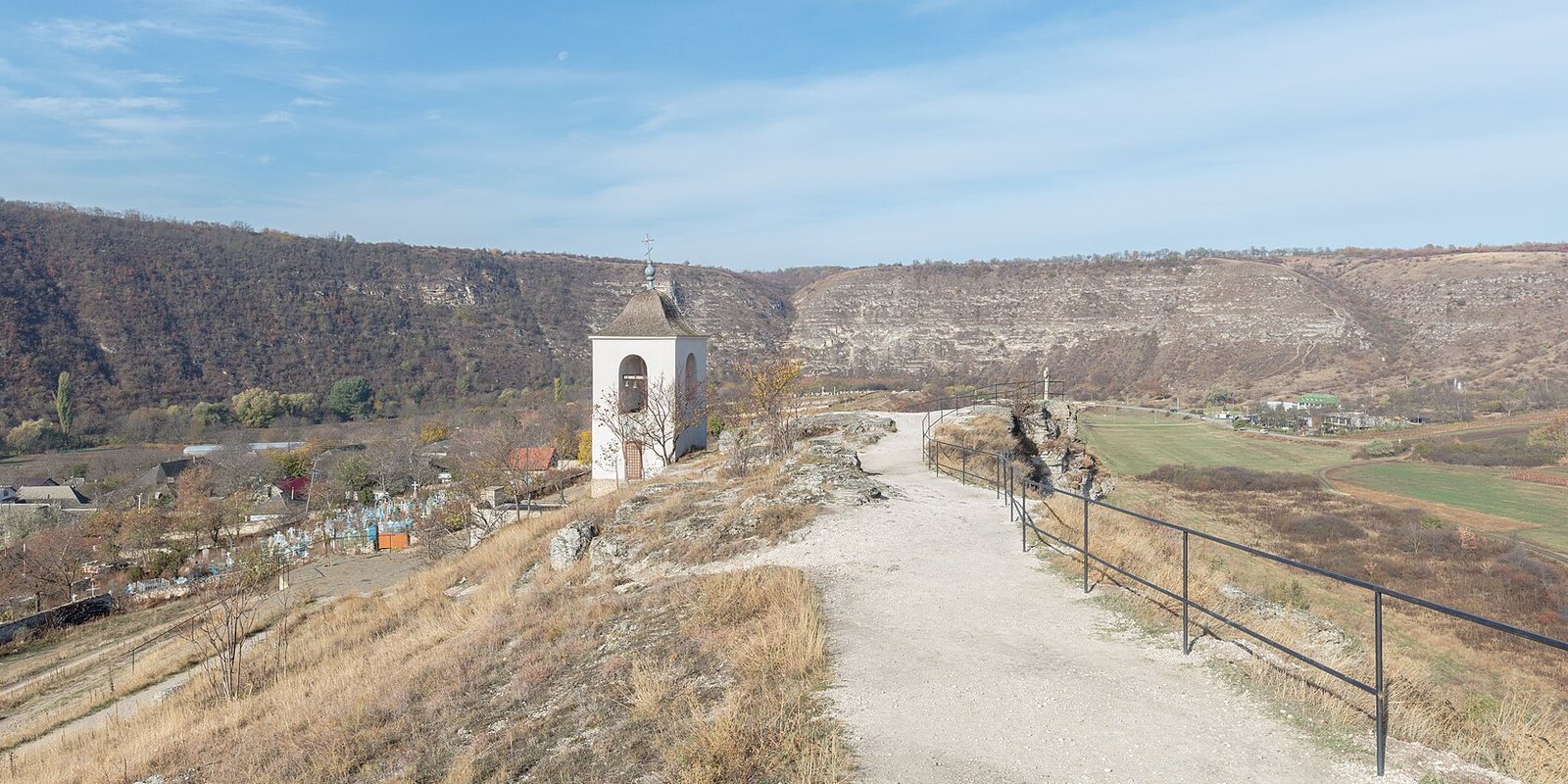
An hour north, Orheiul Vechi is Moldova's most striking landscape: a limestone ridge wrapped by a bend of the Răut river, with a monastery carved into the cliff, a hilltop church and the village of Butuceni below, full of family guesthouses. Many visitors come for the day, but a night here is one of the best experiences in the country.
The wine country
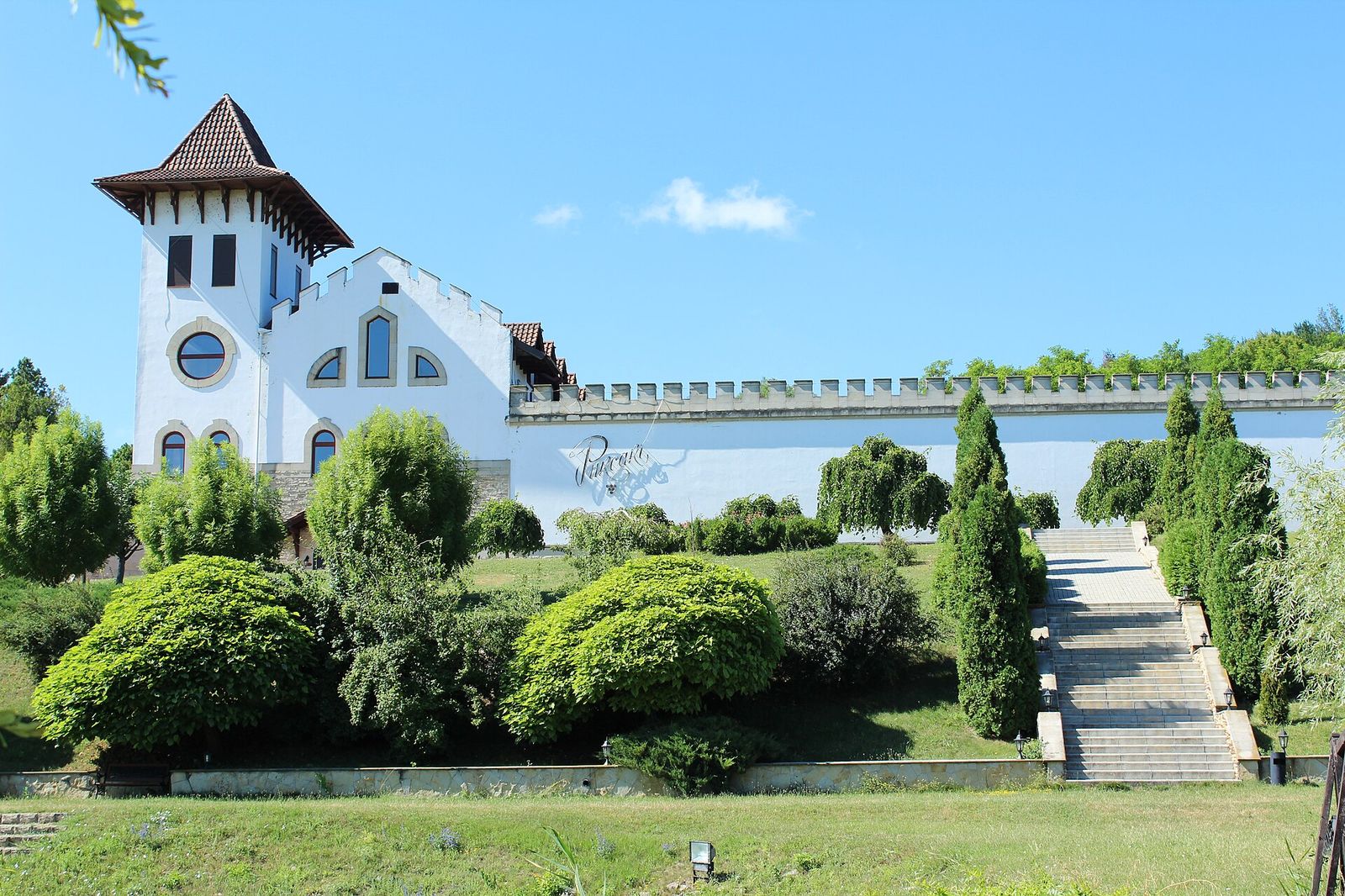
Wine is Moldova's great story, and the wine country begins on the edge of the capital. The underground streets of Cricova and Mileștii Mici, the estates of Castel Mimi, Château Vartely and Asconi, and the old wine region of Purcari in the south east can fill several days. Book tours ahead and arrange a driver or tour so nobody has to drive after tastings.
The north
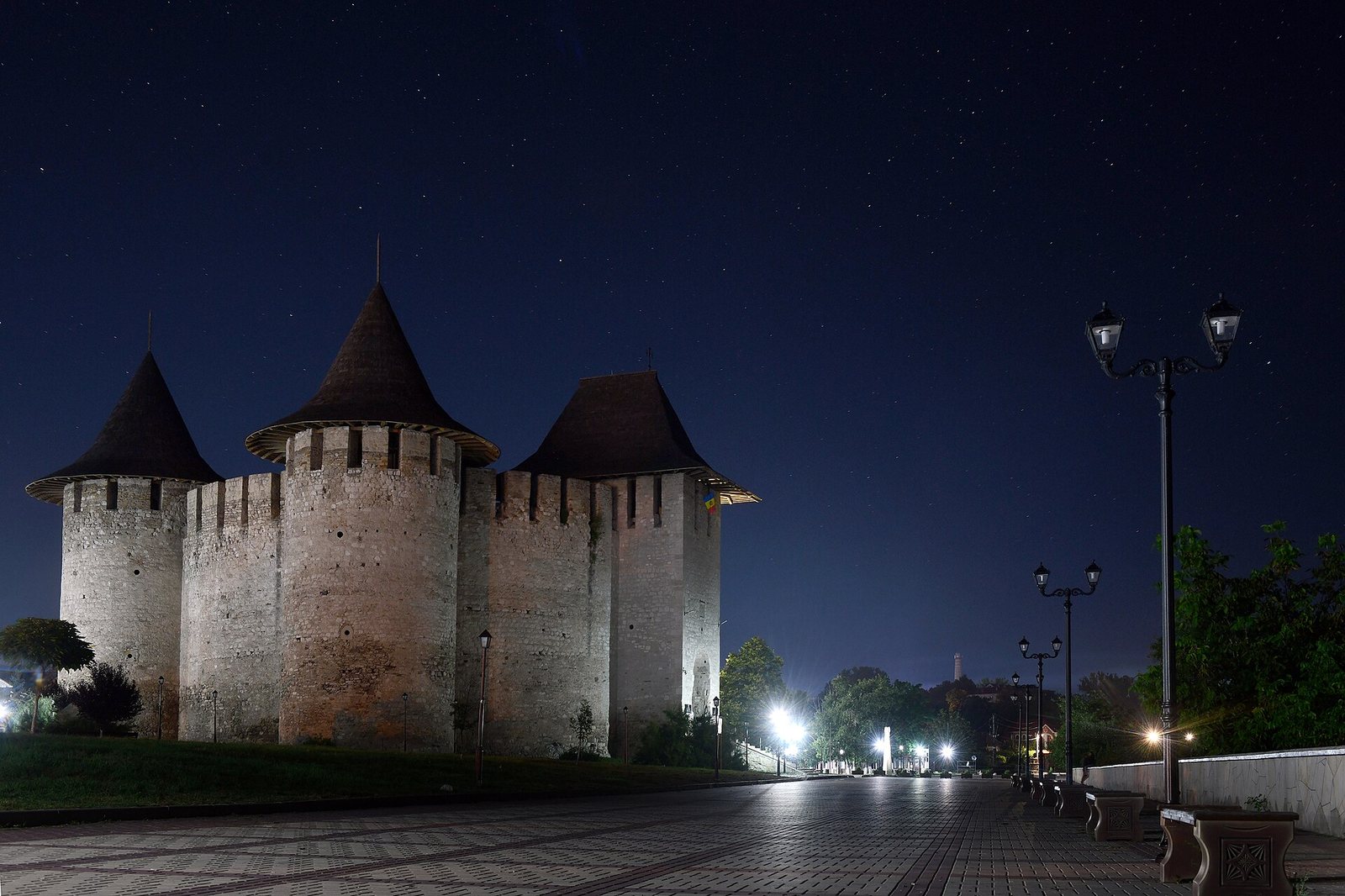
Soroca, on the Dniester river facing Ukraine, has a round medieval fortress, a hilltop candle monument and a famous Roma quarter of extravagant mansions. Combine it with the cliff monastery of Țipova or the forests of Saharna on the way.
The south
South Moldova and Gagauzia is a different world: the autonomous Gagauz region around Comrat, with its own Turkic language and food, Bulgarian villages around Taraclia, and the sunny wine lands of Ștefan Vodă and Purcari near the Dniester.
How to combine them
Five days covers Chișinău, one big cellar, Orheiul Vechi and a winery lunch. A week adds Soroca or the south. Roads are improving but slow in places, and most travellers either join day tours from Chișinău or hire a driver for the day. Use the free trip planner to shape a route at a realistic pace, and see our places to visit list for where to eat, drink and stay in each place.