At a glance
- Best for
- Parks, food, wine bars, markets and day trips
- Airport
- Chișinău International Airport (RMO), about twenty to thirty minutes away
- Time needed
- Two to three days, plus day trips
- Best season
- May to June and September to October
- Getting around
- Walking, trolleybuses, minibuses and taxi apps
- Good base for
- Cricova, Mileștii Mici, Orheiul Vechi and Castel Mimi
Getting your bearings
The centre is compact and walkable, laid out on a grid around **Ștefan cel Mare Boulevard**, the main avenue. At its heart is the **Cathedral Park**, with the Nativity Cathedral and its bell tower, and opposite it the **Arc de Triumf** and the Government House. Across the road is **Ștefan cel Mare Central Park**, the oldest park in the city, with the statue of the medieval prince who is Moldova's national hero and the Alley of Classics lined with busts of writers.
South of the centre, **Valea Morilor Park** wraps around a lake with a long cascading stairway, while **Râșcani** and **Botanica** are mostly residential districts. Most visitors stay in the centre, within walking distance of the boulevard.
What to see
The **National Museum of History of Moldova** and the **National Museum of Ethnography and Natural History**, in a striking Moorish revival building, are the best introductions to the country. The **National Museum of Fine Arts** holds Moldovan and European art. For the Soviet era, look at the **Hotel Cosmos**, the **Circus** building and the twin towers known as the Gates of the City on the airport road.
The **Central Market (Piața Centrală)** is unmissable: a noisy, colourful maze of farmers selling cheese, honey, pickles, fruit, smoked meat and homemade wine. Go in the morning. Nearby, the old **Jewish quarter** and the small **Holocaust memorial** tell a quieter story, as Chișinău was once one of the great Jewish cities of the region.
Eating and drinking
Chișinău's food scene is better than many visitors expect. Traditional restaurants serve mămăligă (polenta) with brânză cheese and sour cream, sarmale (stuffed cabbage leaves), zeamă chicken soup and plăcinte, the flaky pies filled with cheese, cabbage, potato or pumpkin. Wine bars pour local reds and whites by the glass, and many feature small producers who do not export.
Some of the most loved names include Gastrobar for modern Moldovan cooking, Vatra Neamului for traditional dishes, and wine bars such as Carpe Diem. Our places to visit list has many more.
Day trips
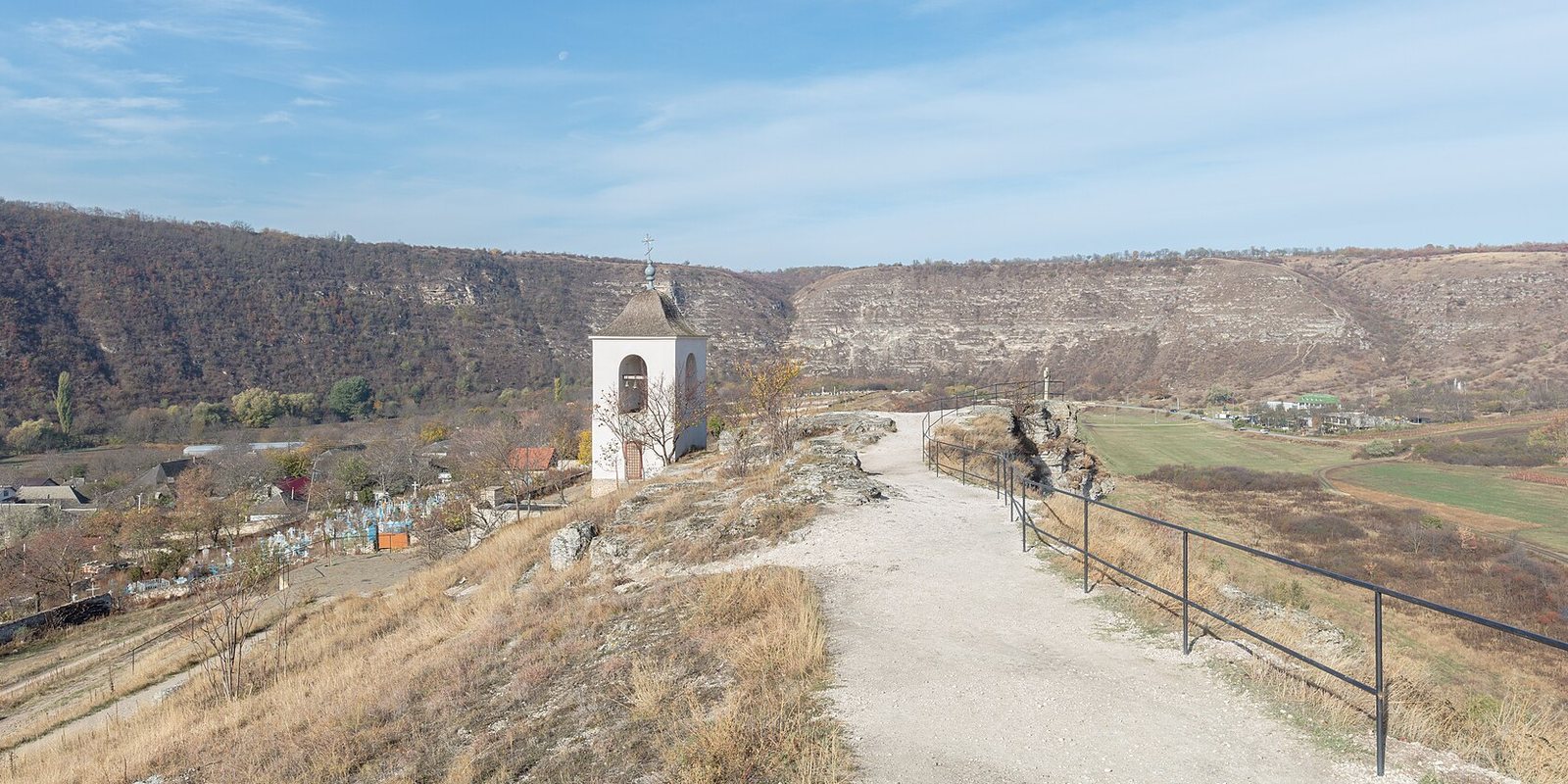
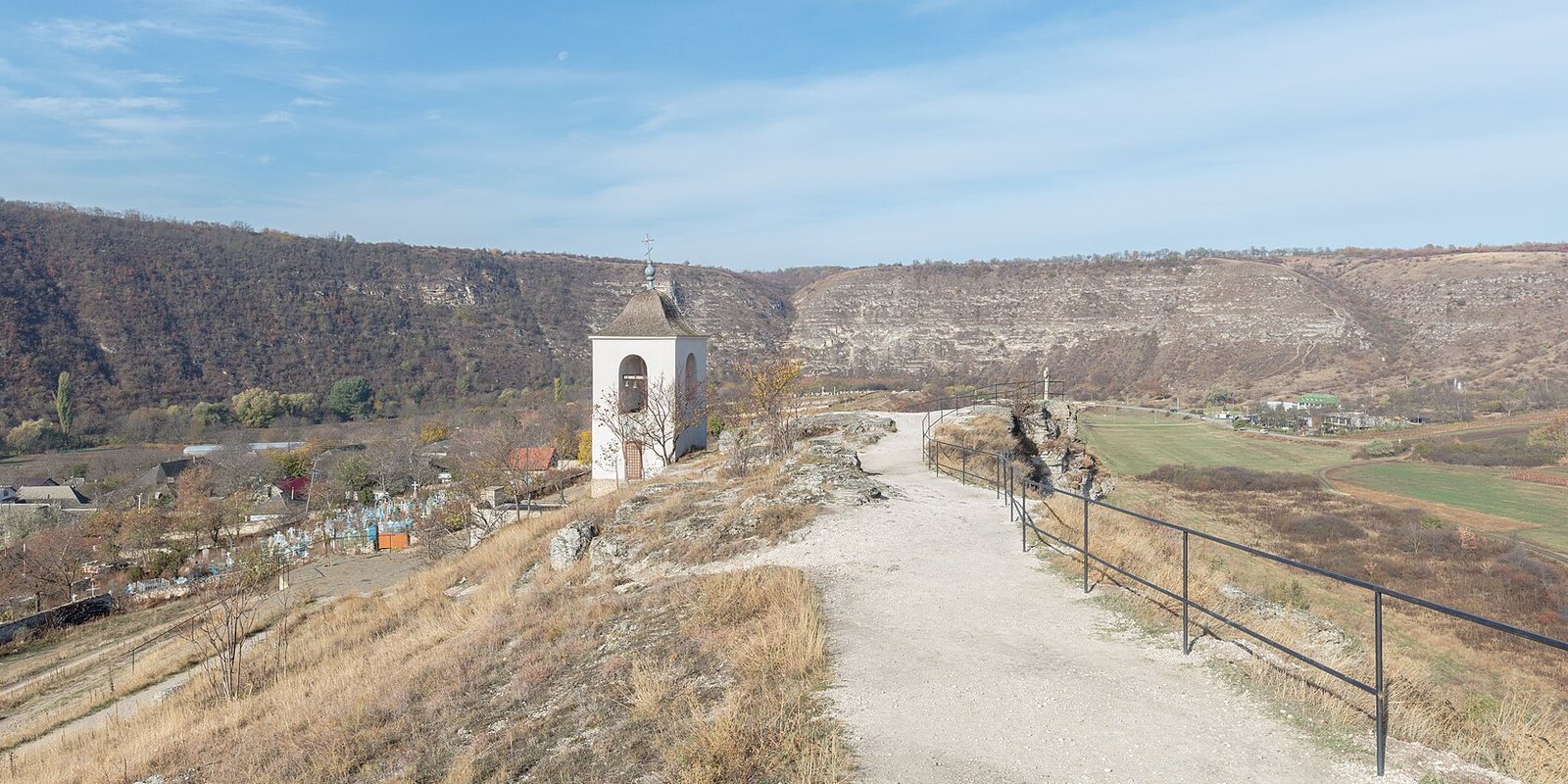
Chișinău sits within easy reach of the best of Moldova. Cricova and Mileștii Mici, the two giant underground cellars, are each under half an hour away. Castel Mimi and Asconi are a short drive south east, and Orheiul Vechi is about an hour north. Most can be reached by minibus, but day tours or a hired driver are far simpler, especially when wine tastings are involved. See the wine country and Orheiul Vechi for details.
Where to stay
Most visitors stay in the centre, near Ștefan cel Mare Boulevard or the Cathedral Park, where you can walk to restaurants, the market and museums. There are international chain hotels, smart boutique hotels and plenty of apartments. Budget travellers will find hostels and small guesthouses, though choice is narrower than in bigger European capitals.
Practical tips
Taxi apps such as Yandex Go and iTaxi work well and save haggling. Trolleybuses are cheap and cover the main roads; pay the conductor on board. Many signs are in Romanian, the official language, but Russian is widely spoken and younger people often speak English. Carry some cash for the market and minibuses, as cards are not accepted everywhere.
Plan your days with the free trip planner, and compare flights and stays on our travel page.
Questions about Chișinău
How many days do I need in Chișinău?
Two days covers the main sights, the market and a good evening of wine and food. Add one day for each major day trip, such as Cricova, Mileștii Mici or Orheiul Vechi.
Is Chișinău walkable?
Yes, the centre is compact and flat enough to walk. For longer trips, trolleybuses and taxi apps are easy and inexpensive.
What language is spoken in Chișinău?
Romanian is the official language, and Russian is widely spoken. Younger people and staff in hotels and restaurants often speak English.
Is Chișinău safe at night?
The centre is generally calm at night. Use normal city care, watch for pickpockets in crowded places, and use taxi apps rather than unmarked cars late at night.
Facts checked . Fees, schedules and entry rules change, so always confirm the latest with the official source.