At a glance
- Best for
- Culture, wine, food and off the beaten path travel
- Distance from Chișinău
- About one and a half to two hours to Comrat or Purcari
- Time needed
- One to two nights
- Best season
- May to October
- Getting there
- Minibus to Comrat, or a driver for the wineries
- Language
- Gagauz, Russian and Romanian, with Bulgarian in Taraclia
Comrat and Gagauzia
**Comrat** is the capital of the Autonomous Territorial Unit of Gagauzia, with its own governor and assembly. The town is small and easy to walk, with a central square, the cathedral of Saint John the Baptist, a regional history museum and a university. What makes a visit special is the culture: signs in Gagauz, which is close to Turkish, alongside Russian; Gagauz music and dance; and a cuisine of its own.
Try **kaurma** (slow cooked meat), **gözleme** style flatbreads, **sarma** and the layered pastries sold in markets. Local wineries, including family producers around Comrat and the Gagauz villages, pour full bodied reds, and some welcome visitors for tastings and lunches when booked ahead.
Gagauz identity is strong, and the region has its own politics, often leaning towards Russia more than the rest of Moldova. As a visitor you will find people curious and hospitable; politics are best left alone unless your hosts raise them.
Bulgarian villages
West of Gagauzia, the **Taraclia** district is home to a large Bulgarian community, descended from settlers who arrived in the nineteenth century. Villages here have their own churches, festivals and food traditions, and Bulgarian is spoken alongside Russian. It is a very quiet area with few visitor services, best explored with a driver or local guide.
Purcari and the Dniester lowlands
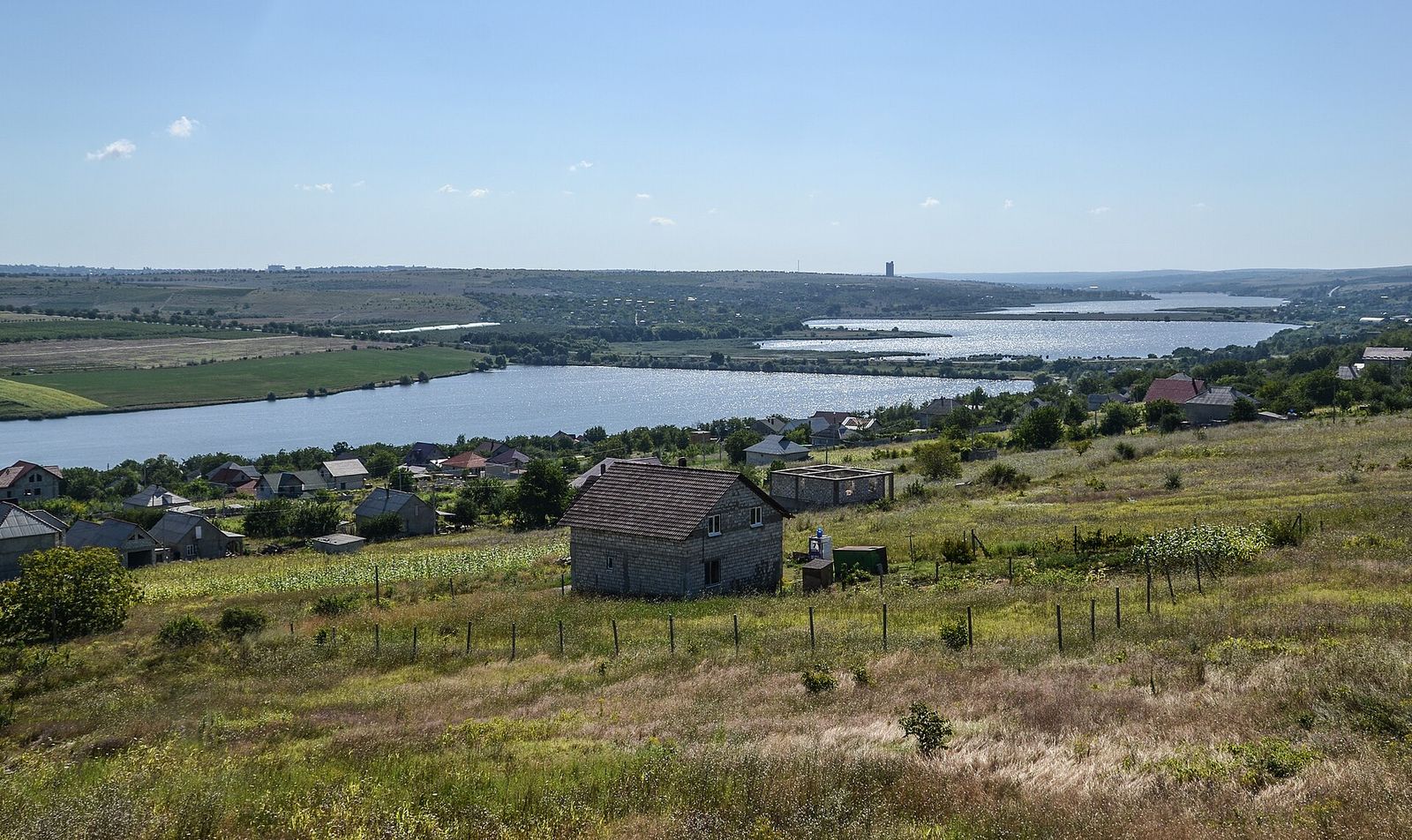
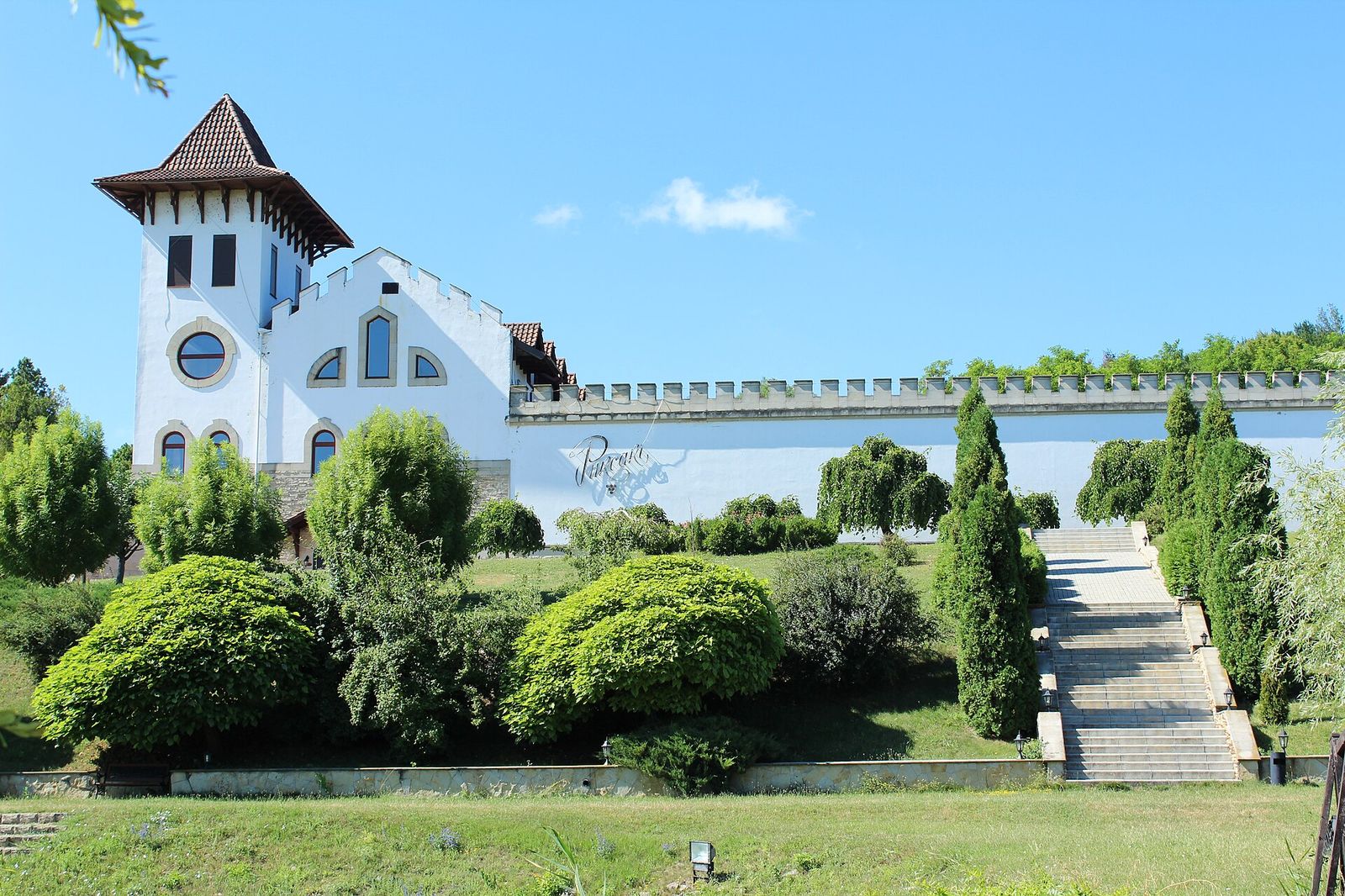
In the south east, the **Ștefan Vodă** district is known for **Purcari**, one of Moldova's most famous estates, with a restaurant, rooms and lakeside grounds, and for other wineries such as Et Cetera. The area is part of the protected wine region of Ștefan Vodă, and its warm climate produces rich reds. Nearby, the lower Dniester wetlands are a Ramsar listed site popular with birdwatchers. See the wine country for more on tastings.
Getting there and around
Minibuses run from Chișinău's South bus station to Comrat, taking around two hours. For wineries and villages, a driver is far more practical, as public transport is thin and winery visits involve tasting. Roads in the south are mostly paved but can be slow.
Where to stay
Purcari and Et Cetera have rooms on their estates, and Comrat has a few simple hotels. Many visitors base themselves at a winery for a night and visit Comrat as a day trip.
Safety and advice
The south is generally calm. The Ștefan Vodă district borders Ukraine near the Dniester estuary, and Transnistria lies to the north east, so read your own government's latest travel advice before planning routes. Do not attempt to cross into Ukraine or Transnistria without checking the rules carefully first.
A suggested route
Drive south from Chișinău to Comrat for the museum, the market and a Gagauz lunch, then continue east to Purcari for a tasting, dinner and a night on the estate. The next morning, visit another winery in Ștefan Vodă or walk the lakeside grounds before returning to the capital. This loop shows you a side of Moldova most visitors never see, and it pairs well with a few days in Chișinău and Orheiul Vechi.
Plan your route with the free trip planner, and see our places to visit list for wineries, restaurants and stays in Comrat and beyond.
Questions about South Moldova and Gagauzia
What is Gagauzia?
An autonomous region in southern Moldova, home to the Gagauz, an Orthodox Christian people who speak a Turkic language. Its capital is Comrat.
Do I need a separate permit for Gagauzia?
No, Gagauzia is part of Moldova and has no internal border controls. Carry your passport as you would anywhere in the country.
Can I stay overnight at Purcari?
Yes, the estate has rooms and a restaurant. Book ahead, especially at weekends and in harvest season.
What language do people speak in the south?
In Gagauzia, Gagauz and Russian are most common, with Romanian also used. Bulgarian is spoken in Taraclia, and Romanian in the Ștefan Vodă area.
Facts checked . Fees, schedules and entry rules change, so always confirm the latest with the official source.