The capital and its islands
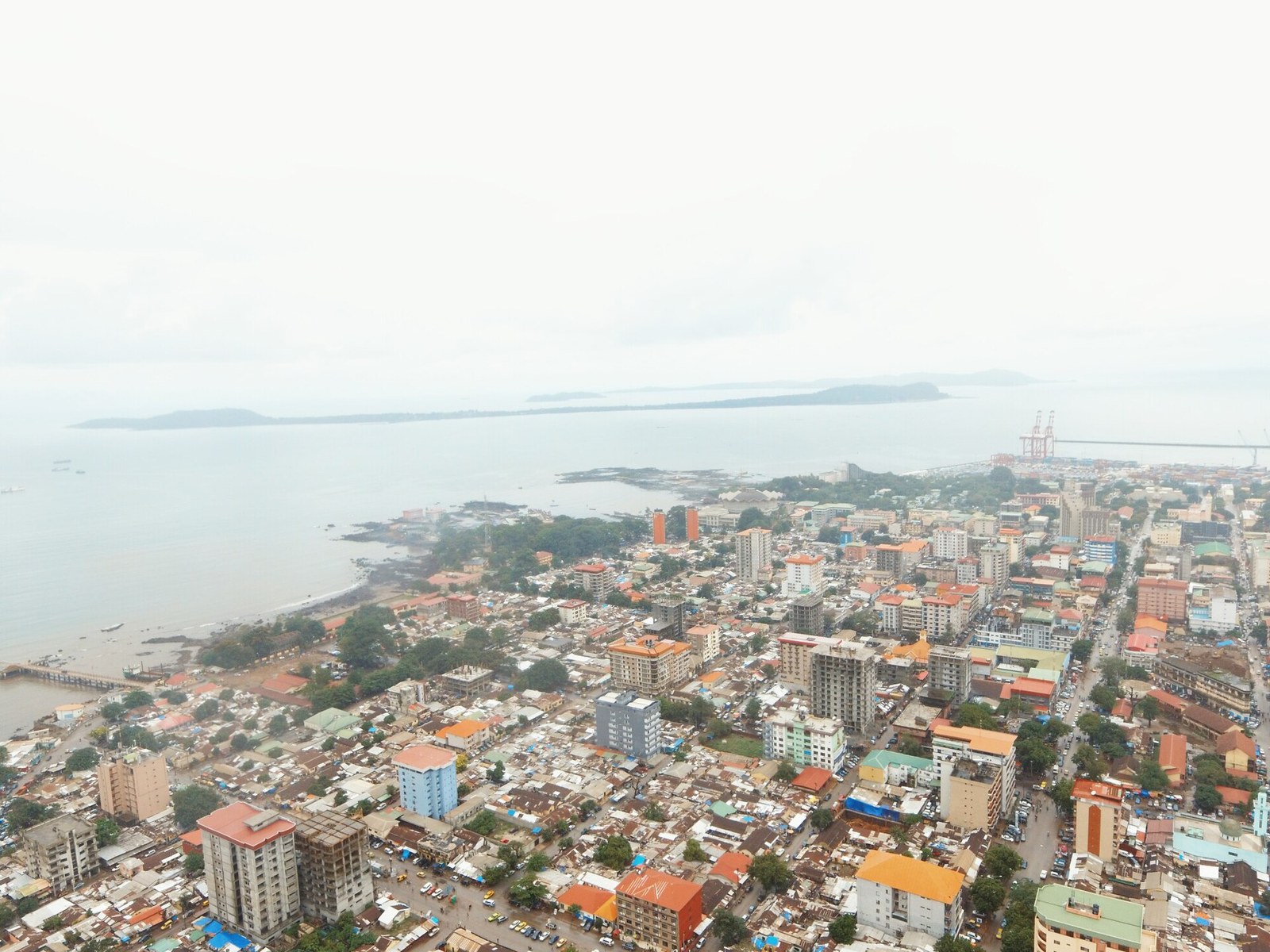
Conakry stretches along a narrow peninsula into the Atlantic. It is loud, busy and full of life, with the Grande Mosquee Faycal, the National Museum, the huge Madina market and a music scene that has shaped West African sound for decades. Almost every international trip starts here.
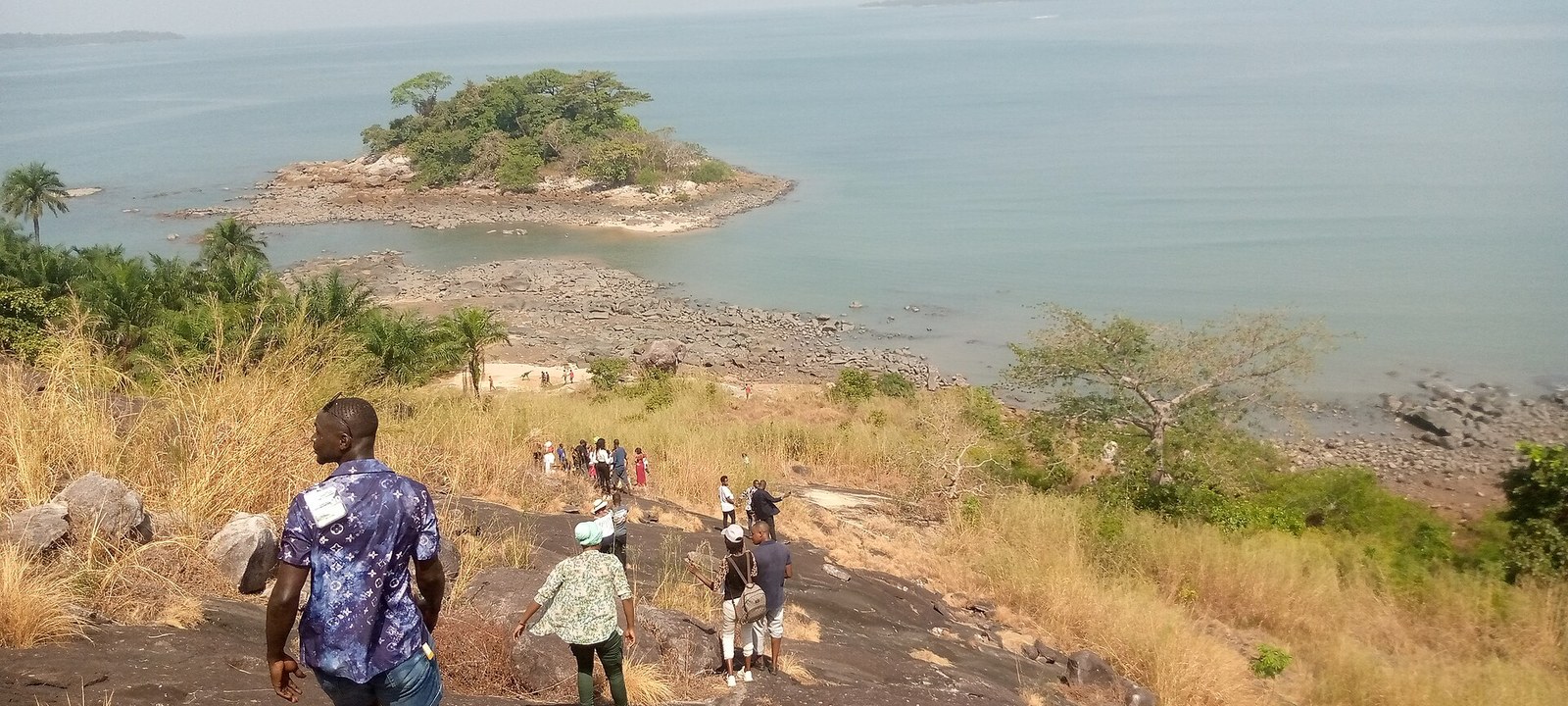
A short boat ride offshore, the Iles de Los offer sandy beaches, fishing villages and a weekend escape from the city. Ile de Roume, Ile Kassa and Ile Tamara are the main islands, and a day trip is easy to arrange from the Conakry waterfront.
Waterfall country
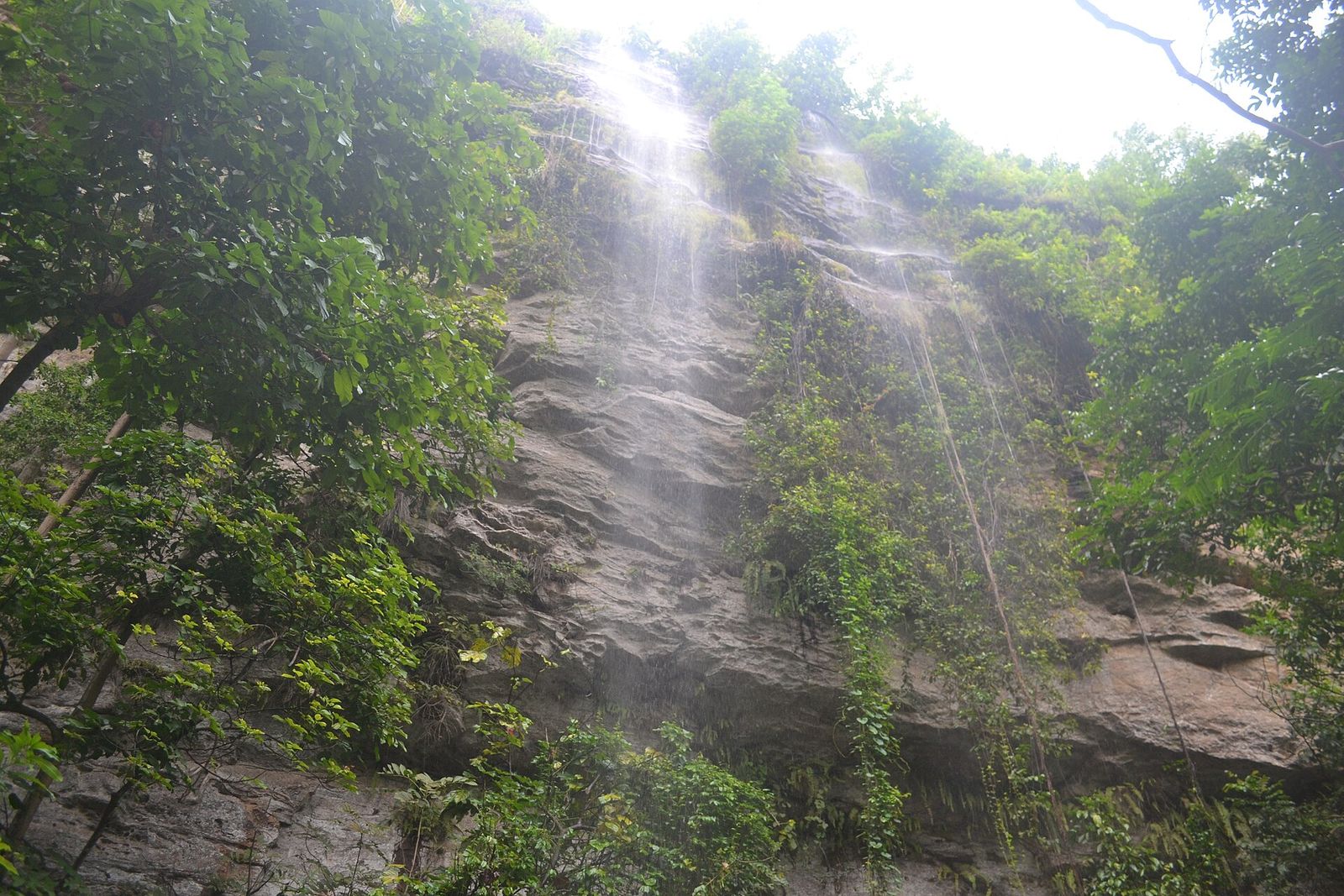
About three hours inland, Kindia is famous for pineapples and for the Voile de la Mariee, the Bridal Veil waterfall. It makes a good first stop on the road to the highlands, with green hills, Mont Gangan and a lively fruit market.
The highlands
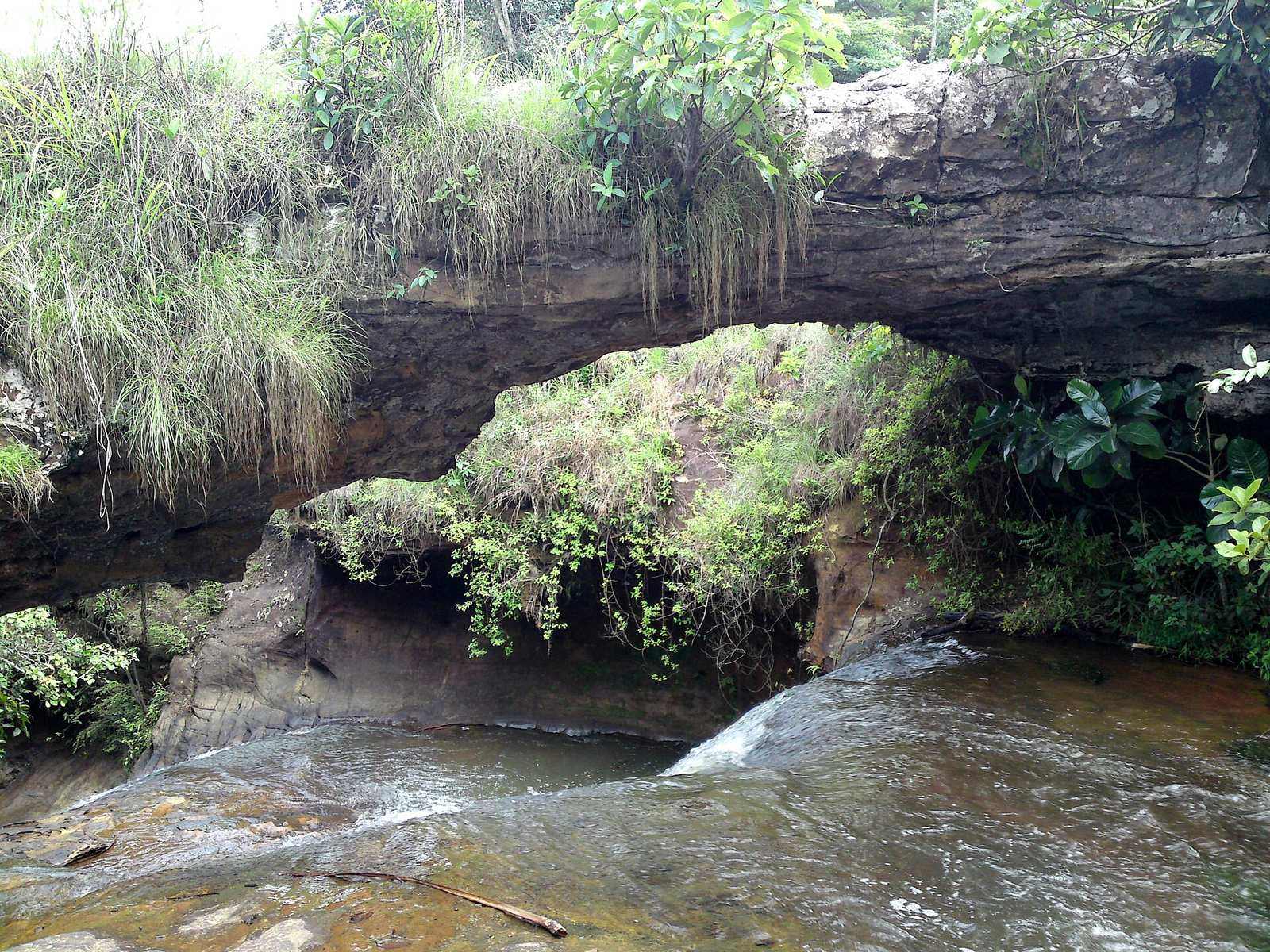
The Fouta Djallon is the reason many travellers come to Guinea. This cool, green plateau is the water tower of West Africa, the source of the Niger, Senegal and Gambia rivers. Dalaba, Pita and Labe are the main bases for hiking to canyons, rock arches, cliffs and some of the tallest waterfalls in the region, with nights in Fulani villages along the way.
The forest region
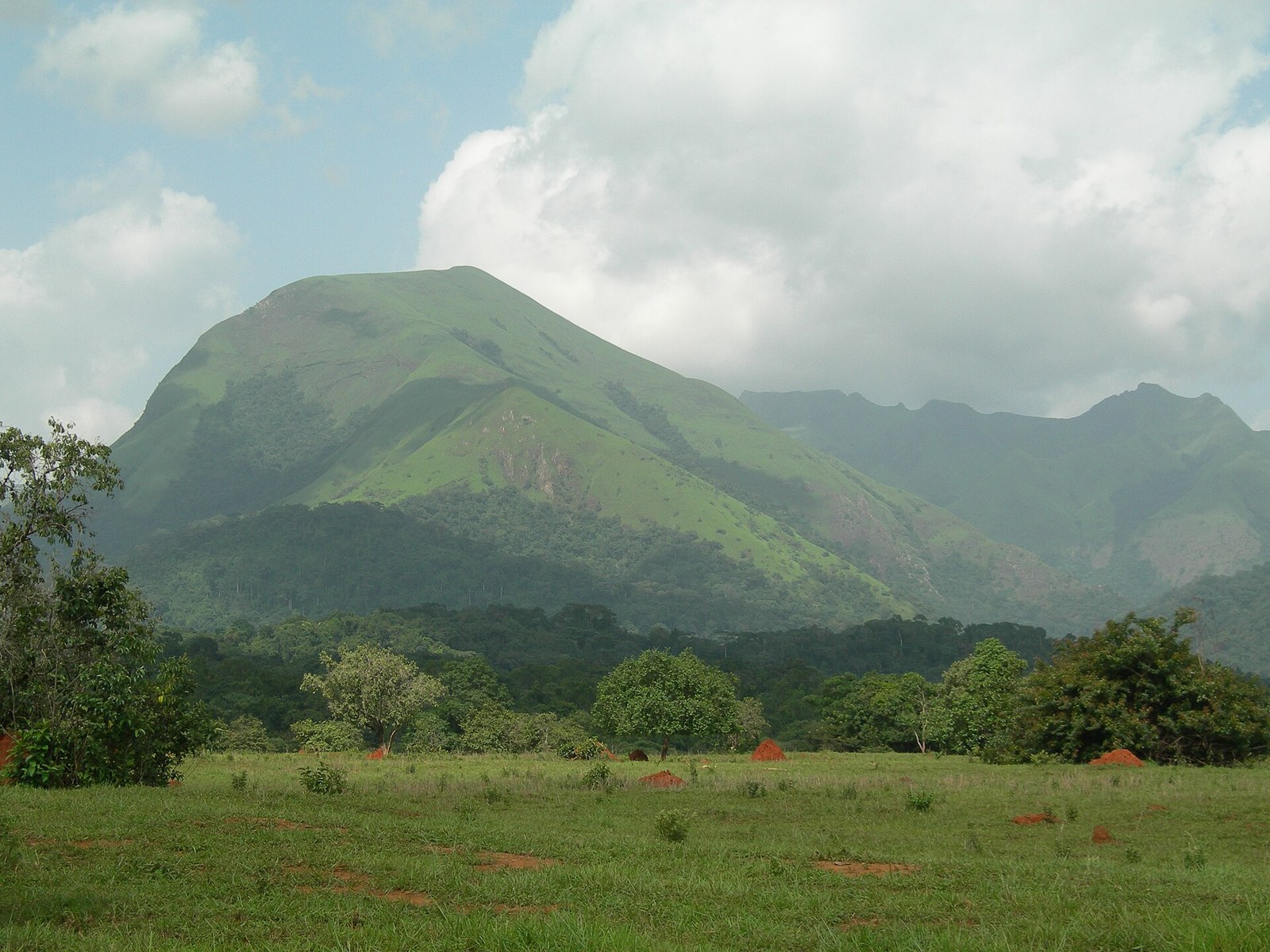
Far to the southeast, Forest Guinea around Nzerekore is a world of rainforest, rich red earth and masked dance traditions. Mount Nimba, a UNESCO World Heritage Site, rises on the borders with Cote d'Ivoire and Liberia, and the wild chimpanzees of Bossou are among the most studied in Africa. It is a long journey, best for experienced travellers with time to spare.
How to combine them
A first trip of ten days might be two nights in Conakry with a day on the Iles de Los, a night in Kindia, then four or five nights in the Fouta Djallon split between Dalaba and Labe or Pita, before driving back to the capital. With two weeks or more, add the forest region, ideally flying or breaking the long drive in Kankan or Faranah. Use the free trip planner to shape the route around your dates, and browse our places to visit for ideas in each area.