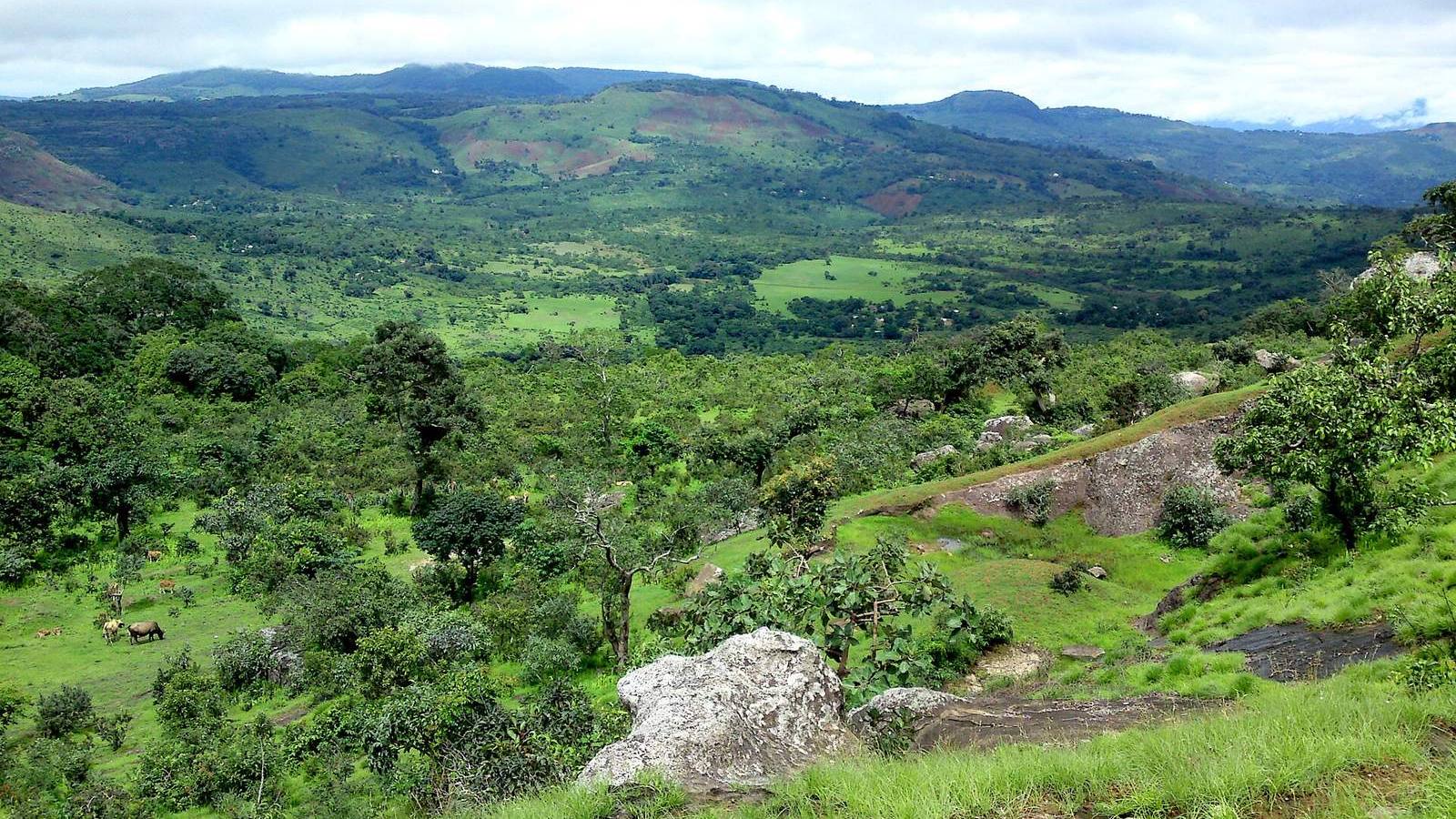
Fouta Djallon highlands, GuineaPhoto: Maarten van der Bent, CC BY-SA 2.0, via Wikimedia Commons
Find your Bliss in Guinea
Guinea, made simple: waterfalls, highlands and music, without the worry
Guinea is one of West Africa's least visited and most rewarding countries: the source of great rivers, the green highlands of the Fouta Djallon, waterfalls around every bend, island beaches off Conakry and a music and dance tradition known around the world. It takes a little more planning than its neighbours, so this guide answers the questions about entry, money, getting around and safety before you go.
Your trip, step by step
- Before you flyEntry rules, yellow fever, cash and seasons, answered with official sources
- LandingConakry International Airport at Gbessia and your first hours in the capital explained
- Your days in GuineaIslands, waterfalls, highland hikes, markets and the forest region
- Home againDeparture tips so the last day is as calm as the first
Where to go, eat and stay
- Plain answersClear, honest guidance on the questions first-timers actually ask.
- Official sourcesEntry, health and safety facts point you to the official pages to confirm.
- No price surprisesWe explain what costs more and what costs less, so your budget holds.
- Free to useEvery guide and the trip planner are free.
Our promise
Guinea rewards travellers who arrive prepared. We answer the tricky questions about visas, the yellow fever certificate, cash, road travel and checkpoints before they start, so you arrive ready to find your Bliss.
Coming from Paris, Brussels, New York, Dakar or Abidjan to see family in Conakry, Labe or Kankan? This guide was written with you in mind too.
How to use this guide
Four steps from first idea to a trip that feels easy.
- Choose your basesConakry and its islands, Kindia's falls, the cool Fouta Djallon highlands or the forest region: start with the destinations that fit you.
- Sort the essentialsVisa rules for your passport, a yellow fever certificate, Guinean francs in cash, malaria advice and travel insurance, checked against official sources.
- Pick your placesUse our places to visit list for waterfalls, markets, beaches, restaurants and stays.
- Plan your routeUse the free trip planner to fit long road days into your dates without rushing.
Everything your Guinea trip needs
Free tools and guides for every stage of the journey.
Destinations
Conakry, the Iles de Los, Kindia, the Fouta Djallon and Forest Guinea, each explained in depth.
Explore destinationsPlaces to visit
More than a hundred waterfalls, markets, beaches, mosques and stays, from classics to hidden corners.
See places to visitFlights and stays
Search flights into Conakry and stays in the capital and beyond.
Plan travelPlaces finder
Restaurants, sights and stays mapped around each base.
Open the finderFree trip planner
Tell us your dates and interests and shape a route that works.
Plan my tripAsk a question
Stuck on something the guide does not answer? Send us a note.
Contact us
The classic Guinea trip
From the Atlantic to the water tower of West Africa
Most first trips start in Conakry with a day on the Iles de Los, then head inland past Kindia's Bridal Veil waterfall and climb into the Fouta Djallon, the cool plateau where the Niger, Senegal and Gambia rivers begin. Base yourself in Dalaba or Labe for hikes to canyons, cliffs and waterfalls, and if you have the time, travel on to the forest region for Mount Nimba and the chimpanzees of Bossou.
- Island beaches a short boat ride from the capital
- Some of the tallest waterfalls in West Africa
- Cool highland hiking among Fulani villages
- Mount Nimba, a UNESCO World Heritage Site
Start with the destinations
See how the coast, the highlands and the forest fit together.
Guinea destinationsWhere to go in Guinea
A busy Atlantic capital, island beaches, waterfall country, the cool Fouta Djallon highlands and the rainforests of the southeast.
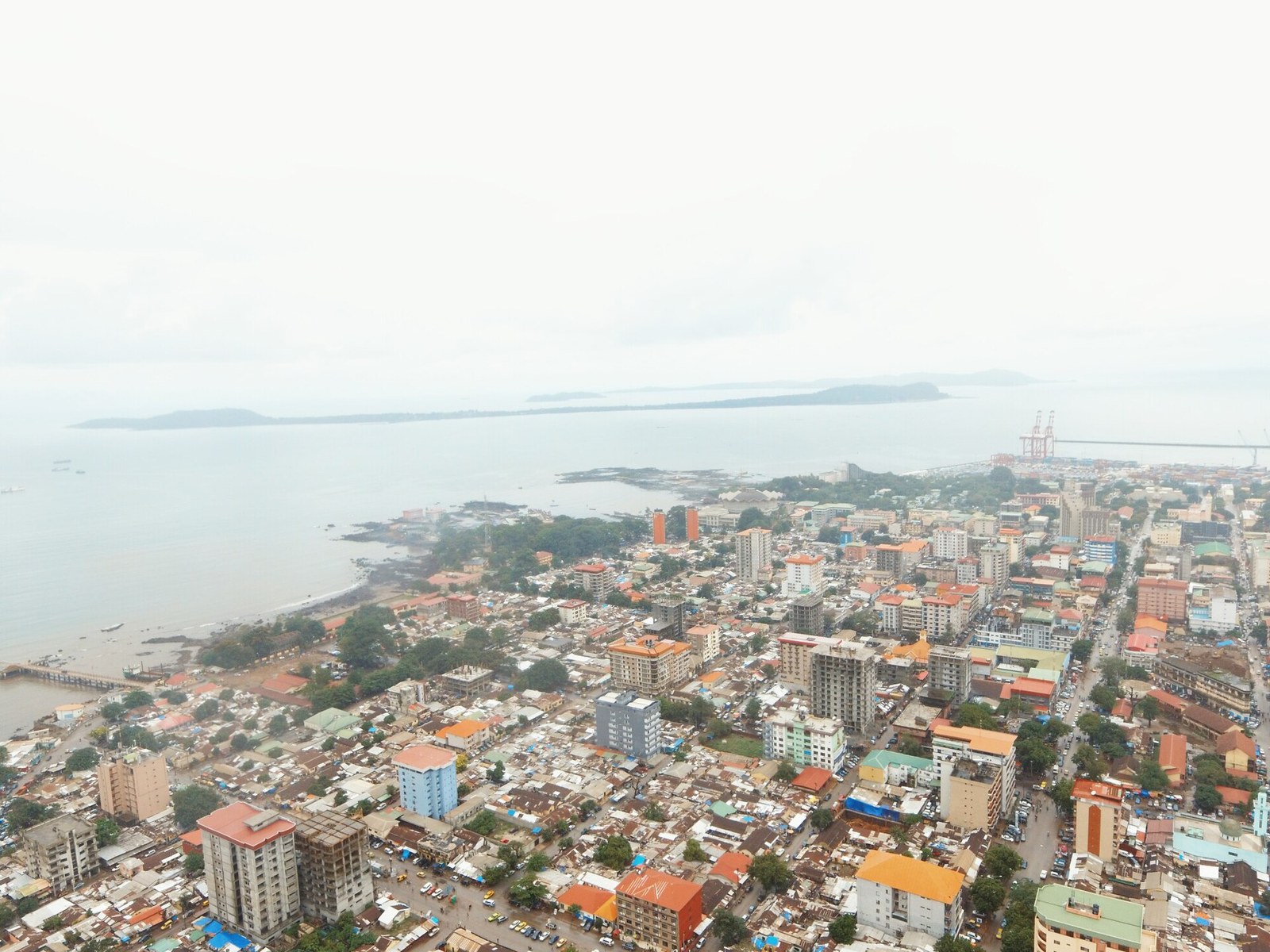
Atlantic coast, Kaloum peninsula
Conakry
A busy peninsula capital with a grand mosque, a national museum, enormous markets, city beaches and a famous music scene.
Read the guidePhoto: Alpha hmd, CC BY-SA 4.0, via Wikimedia Commons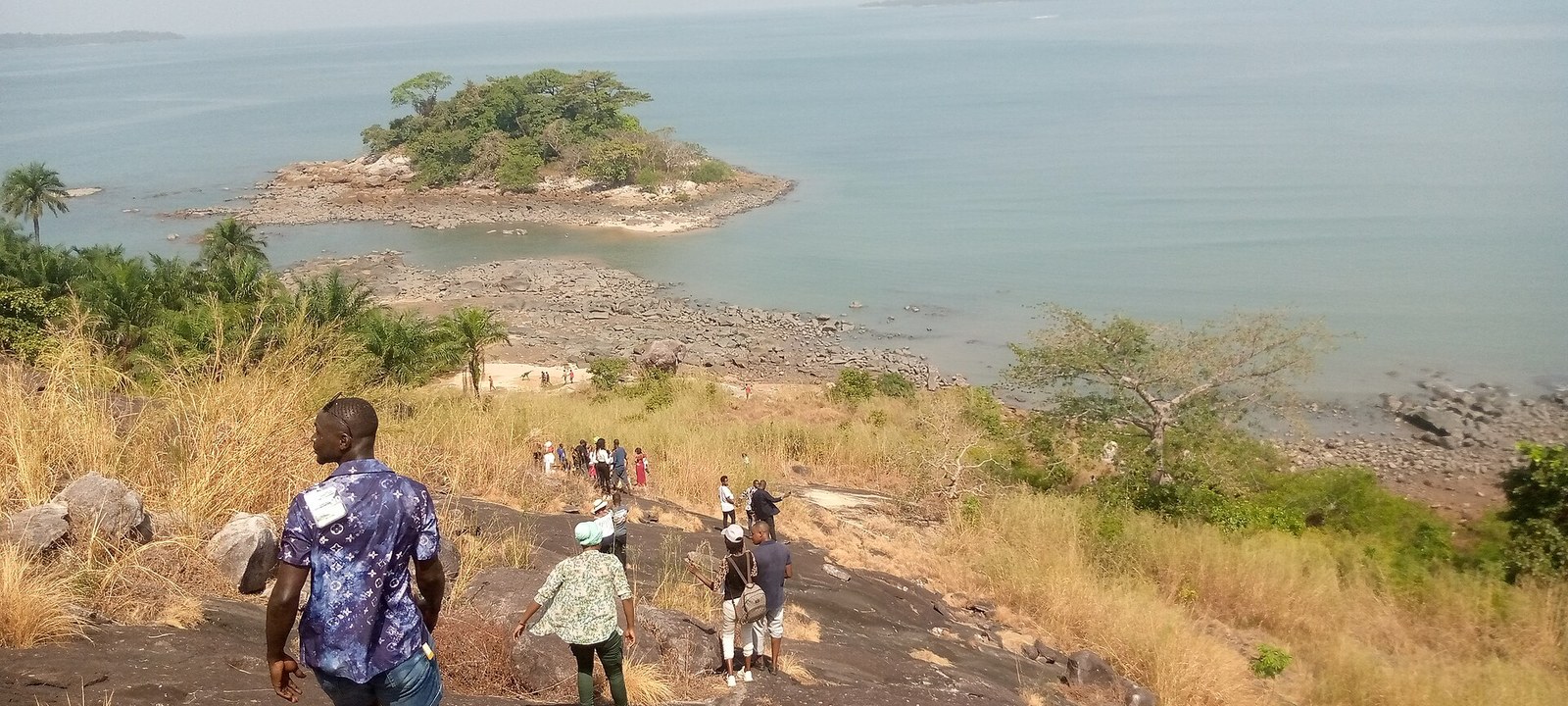
Atlantic, off the Kaloum peninsula
Iles de Los
A small group of islands a short boat ride from Conakry, with sandy beaches, fishing villages and simple island stays.
Read the guidePhoto: Falilou224, CC BY-SA 4.0, via Wikimedia Commons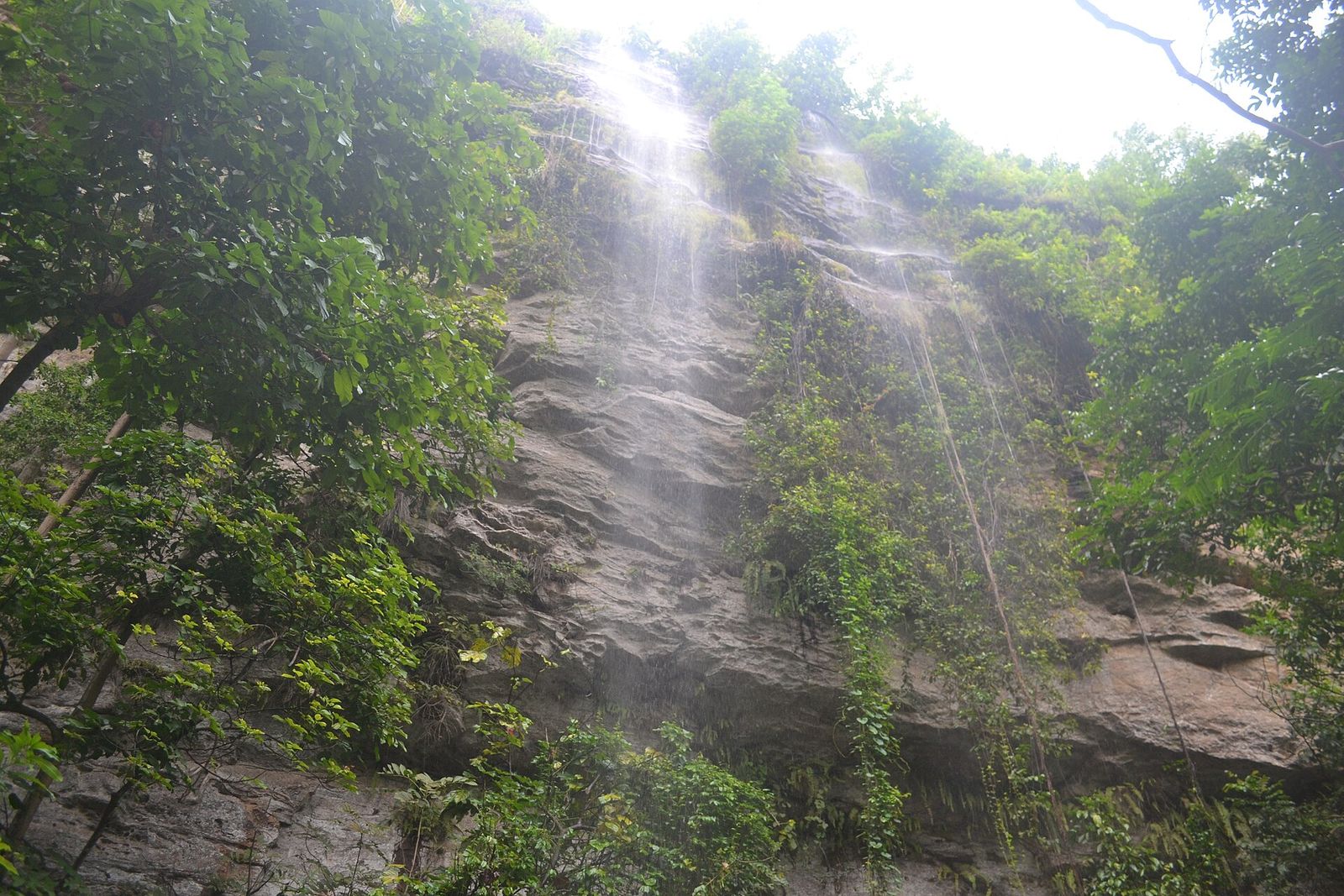
Lower Guinea, inland from Conakry
Kindia
A green hill town inland from Conakry, known for the Bridal Veil waterfall, Mont Gangan and the best pineapples in Guinea.
Read the guidePhoto: M keita1321, CC BY-SA 4.0, via Wikimedia Commons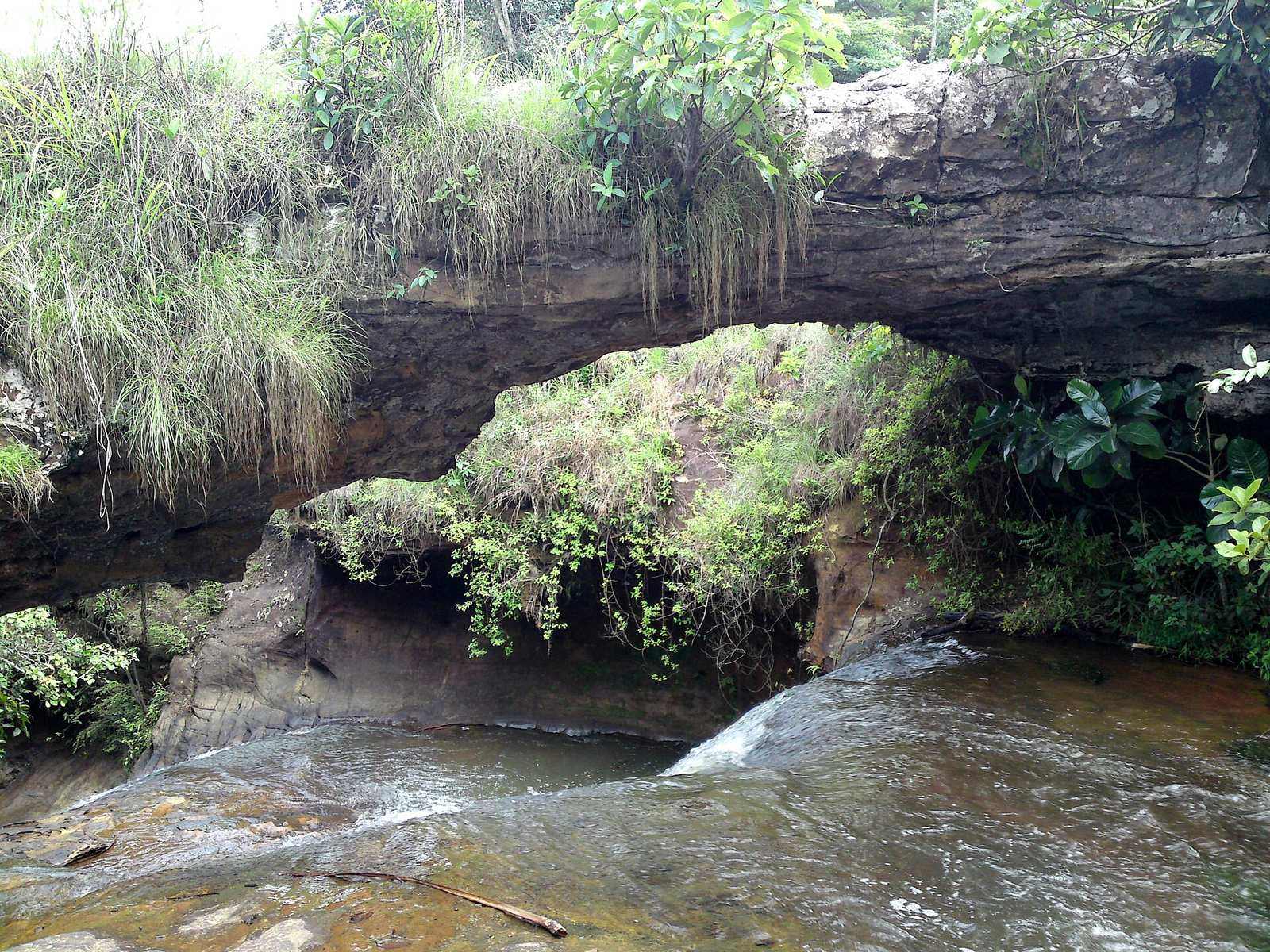
Middle Guinea, central highlands
Fouta Djallon
A cool plateau of canyons, waterfalls, pine forests and Fulani villages, the source of West Africa's great rivers and the best hiking in Guinea.
Read the guidePhoto: Maarten van der Bent, CC BY-SA 2.0, via Wikimedia Commons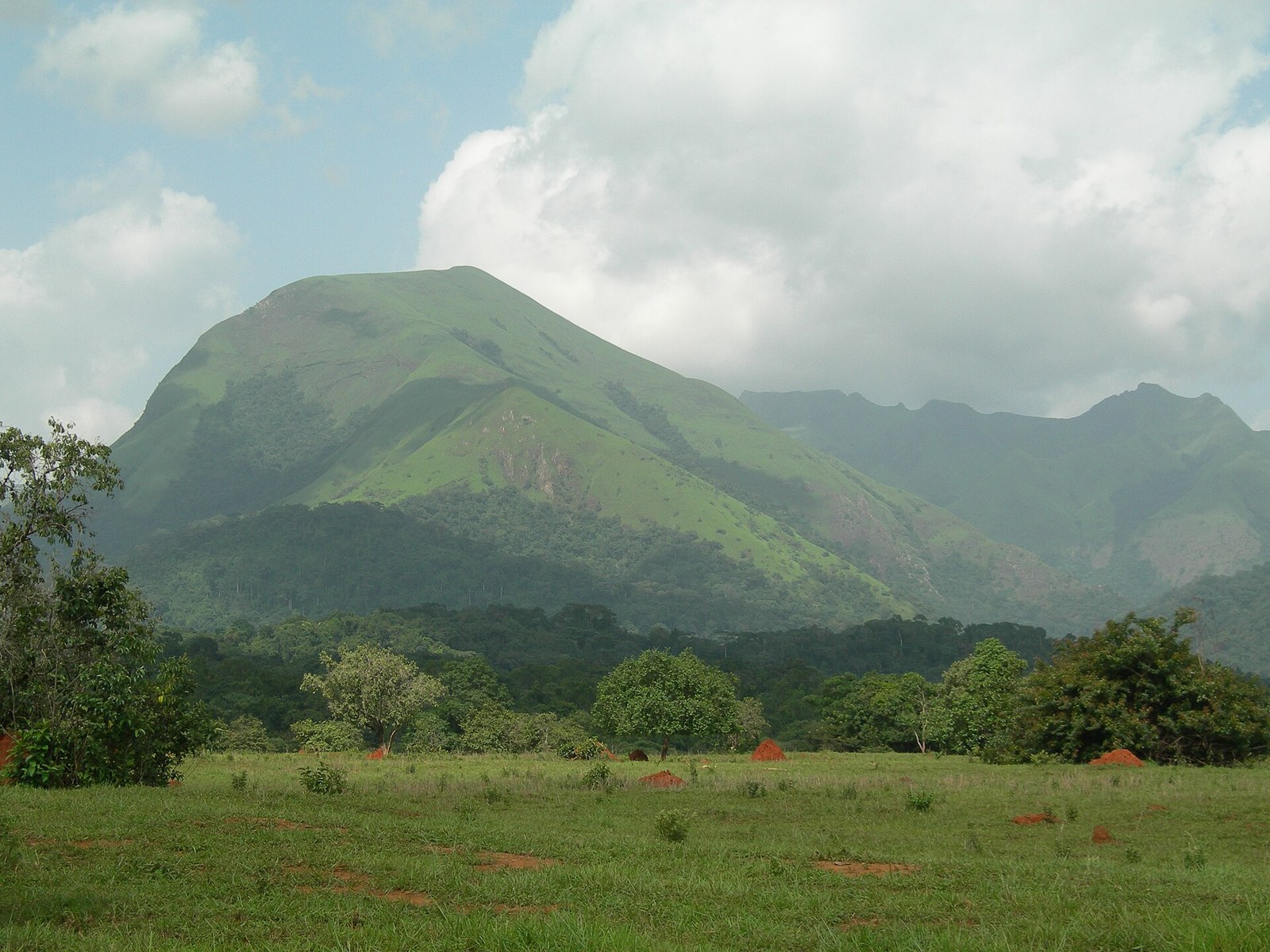
Southeast, near Liberia and Cote d'Ivoire
Forest Guinea
The rainforest southeast around Nzerekore, with Mount Nimba, the tool using chimpanzees of Bossou, Ziama forest and rich masked traditions.
Read the guidePhoto: Guy Debonnet, CC BY-SA 3.0 igo, via Wikimedia Commons
A note from our founder
A note from our founder
My first time visiting Kenya, I was genuinely surprised with how fast it began feeling like home. The people are so friendly, the food is delicious and familiar, and the accommodations are modern and upscale.
During my travels throughout the continent, I commonly hear tourists share stories about being scammed or taken advantage of, which is both frustrating and disheartening.
Living in Kenya for the last 2 years, I have had the great fortune to meet a network of wonderful Kenyans who have continuously help guide my family's journey. Their shared knowledge has not only greatly enhanced our overall experience here, but it has also saved us tons of time, energy, and resources.
With BlissPoint Travel, my hope is to build a global community that is willing to share useful, uncommon knowledge so that we can all blissfully enjoy the wonders our world has to offer.
Questions we hear most
Is Guinea safe for visitors?
Most visits pass without trouble, but Guinea needs more care than its better known neighbours. Political demonstrations can turn violent in Conakry, roads are dangerous at night and petty crime happens in busy markets. Read your own government's current travel advice before you book and again before you go.
Do I need a visa for Guinea?
Citizens of ECOWAS countries can usually enter without a visa, while most other visitors need one, often through Guinea's official e-visa system. Rules differ by passport and change, so check the official Guinean immigration site and your own government's advice before booking.
Do I need a yellow fever certificate?
Yes, travellers are expected to show proof of yellow fever vaccination on arrival. Get vaccinated at least ten days before you travel and carry the certificate with your passport.
What language is spoken in Guinea?
French is the official language. Pular, Malinke and Soussou are the most widely spoken local languages, and a few words of greeting in any of them will earn you big smiles.
What currency is used in Guinea?
The Guinean franc. Guinea is very much a cash economy: bring euros or US dollars in clean notes to change, and do not count on cards outside the large hotels in Conakry.
When is the best time to visit Guinea?
The dry season, roughly November to April, is the easiest time, with passable roads and clear highland views. The rains from June to September are among the heaviest in West Africa, which fills the waterfalls but makes many roads very hard going.
Ready to find your Bliss in Guinea?
Use the free trip planner to turn ideas into a route that fits your dates and budget.