At a glance
- Best for
- Hiking, waterfalls, village stays and cool weather
- Gateway
- Road from Conakry via Kindia and Mamou
- Time needed
- Four to seven days
- Best season
- November to March
- Getting around
- Hired driver and local guides for hikes
- Language
- Pular and French
Dalaba
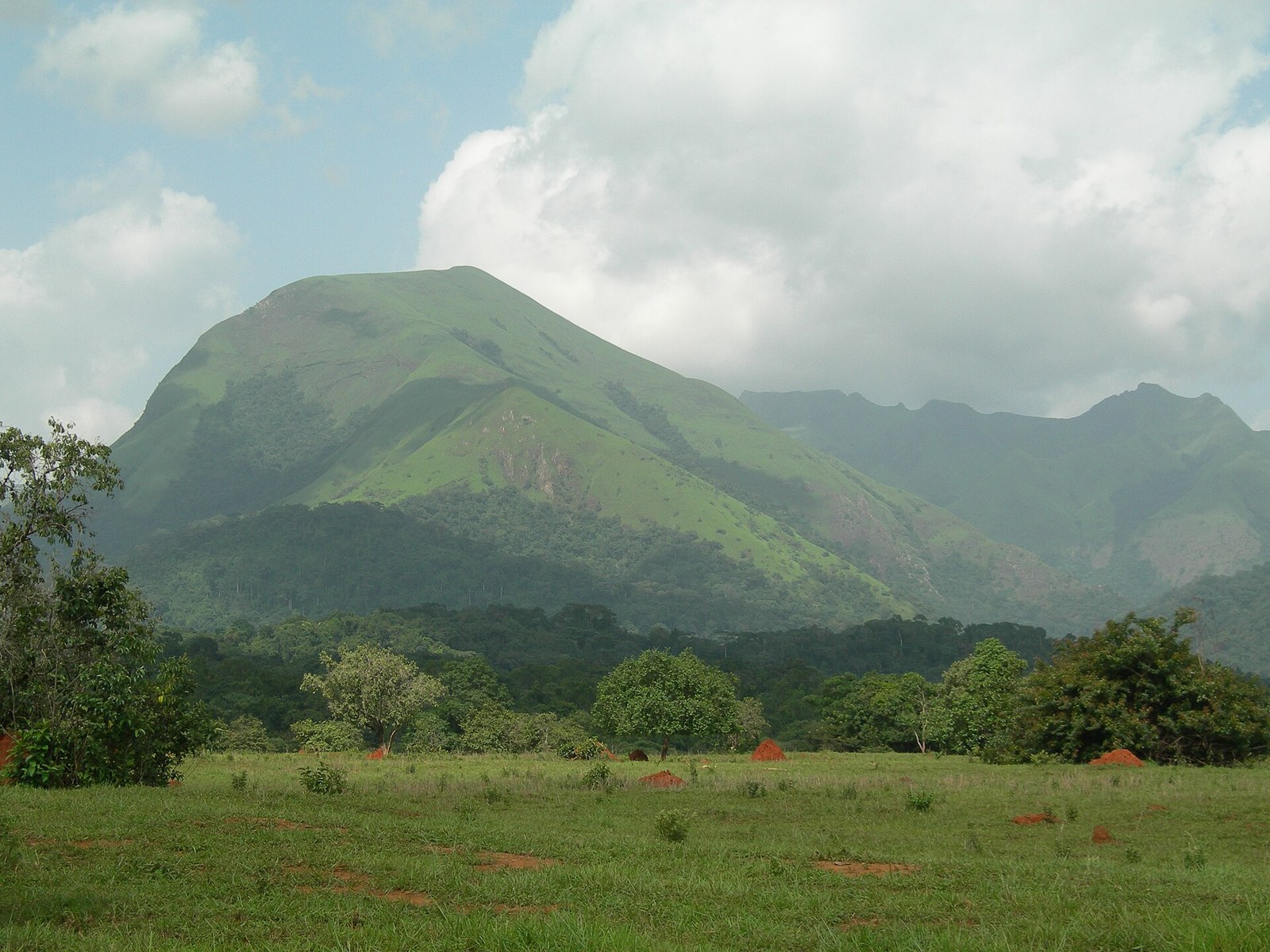
At around twelve hundred metres, **Dalaba** was a colonial hill station and still feels like one, with pine forests, misty mornings and cool nights. Visit the **Case de Belle Vue**, the hilltop house where African leaders met in the late colonial years, and the old **Jardin Chevalier** botanical garden. Dalaba is a calm place to recover from the drive and start walking.
Pita, Doucky and the great waterfalls
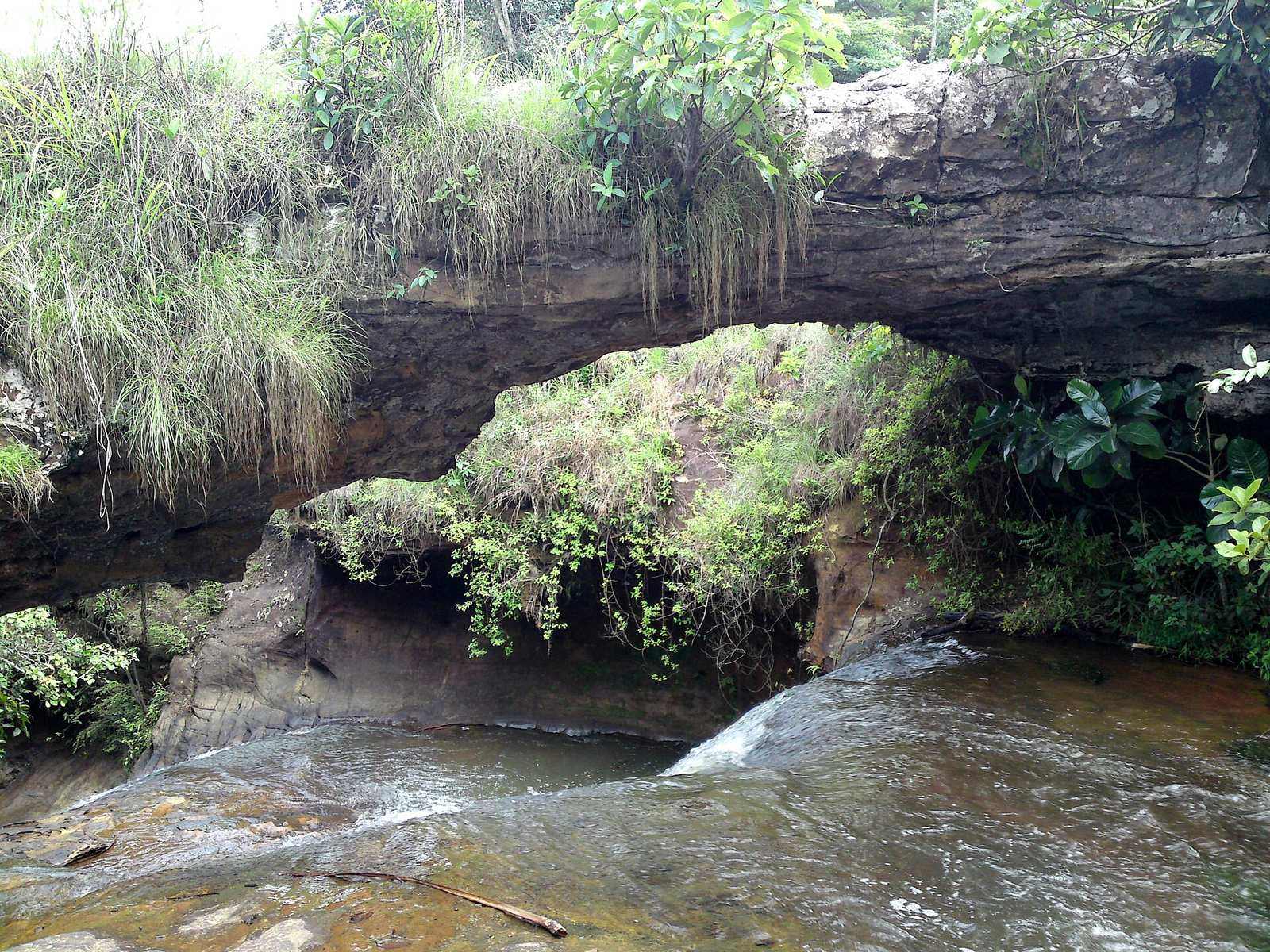
Near **Pita**, the village of **Doucky** is the best known hiking base in Guinea. Local guides lead walks through canyons, rock arches, natural pools and forest, staying in village guesthouses or family compounds. It is a wonderful way to see rural Fulani life.
The area is full of waterfalls. The **Chutes de Kambadaga** are a series of powerful falls, at their best from August to November. The nearby **Chutes de Kinkon** are wide and easy to reach. The **Chutes de Ditinn**, between Dalaba and Pita, drop from a high cliff and are among the tallest in West Africa. Paths can be steep and slippery, so wear good shoes and walk with a guide.
Labe
**Labe** is the largest town in the Fouta and its historic religious and cultural centre, once part of the Fulani theocratic state of the Fouta Djallon. The **Grande Mosquee** and the busy **central market** are the main sights, and the town is a good place for leather goods, cloth and supplies before heading further north.
Mali and the Dame de Mali
North of Labe, the small town of **Mali** sits near the highest point of the Fouta Djallon. The famous **Dame de Mali**, a cliff that looks like a woman's face in profile, overlooks a huge drop toward the plains. The roads are rough and the area is remote, but the views and the quiet are unforgettable.
Village life and culture
The Fouta Djallon is the homeland of the Fulani, or Peul, people, and Pular is the main language. Islam is central to life here, so dress modestly, ask before photographing people and remove shoes when invited into homes or mosques. Weekly markets, called loumo, are lively gatherings of herders and traders. Try fonio, the tiny highland grain, fresh milk and lait caille, and the leaf sauces that go with rice.
Planning a highland trip
Most visitors hire a driver for the trip from Conakry, often for a week or more, or use shared taxis between towns. Roads have improved between the main towns but side tracks to waterfalls and villages are rough, especially after rain. Never travel at night.
Hire local guides for hikes: they know the paths, smooth your welcome in villages and support the local economy. Accommodation ranges from simple hotels in Dalaba, Pita and Labe to village guesthouses with basic facilities. Bring a torch, water purification, a warm layer for the nights and enough Guinean francs, as ATMs are few and unreliable away from Labe.
The dry season from November to March is the most comfortable for hiking. September and October bring the fullest waterfalls but muddy trails.
Questions about Fouta Djallon
Where should I base myself in the Fouta Djallon?
Dalaba for cool air and pine forest, Pita or Doucky for canyons and waterfalls, and Labe for town facilities and trips north to Mali. Many visitors spend a few nights in two of them.
Do I need a guide for hiking?
Yes, it is strongly recommended. Paths are not marked, waterfalls can be dangerous and a local guide makes village visits much easier and more welcoming.
How cold does it get?
Nights in Dalaba and Mali can be genuinely cool in December and January. Bring a fleece or warm layer.
When are the waterfalls best?
From August to November, just after the heaviest rains, though trails are muddier then. In the late dry season some falls shrink a lot.
Can I use cards in the Fouta Djallon?
Rarely. Bring enough Guinean francs in cash for the whole highland trip.
Facts checked . Fees, schedules and entry rules change, so always confirm the latest with the official source.