At a glance
- Best for
- Markets, music, culture and a first taste of Guinea
- Gateway
- Conakry International Airport (CKY) at Gbessia
- Time needed
- Two to three days
- Best season
- November to April
- Getting around
- Taxis and hotel arranged drivers, heavy traffic
- Language
- French and Soussou
What to see in Conakry
The **Grande Mosquee Faycal** in Camayenne is one of the largest mosques in West Africa and the city's best known landmark. Next to it, the **Jardin Botanique de Camayenne** is a shady colonial era garden with towering old trees, a rare quiet spot in a busy city.
In the Sandervalia area of Kaloum, the **Musee National de Guinee** is small but worthwhile, with masks, statues and musical instruments from the coast, the Fouta Djallon, Upper Guinea and the forest region. It is the best place to understand how varied the country is before you travel inland.
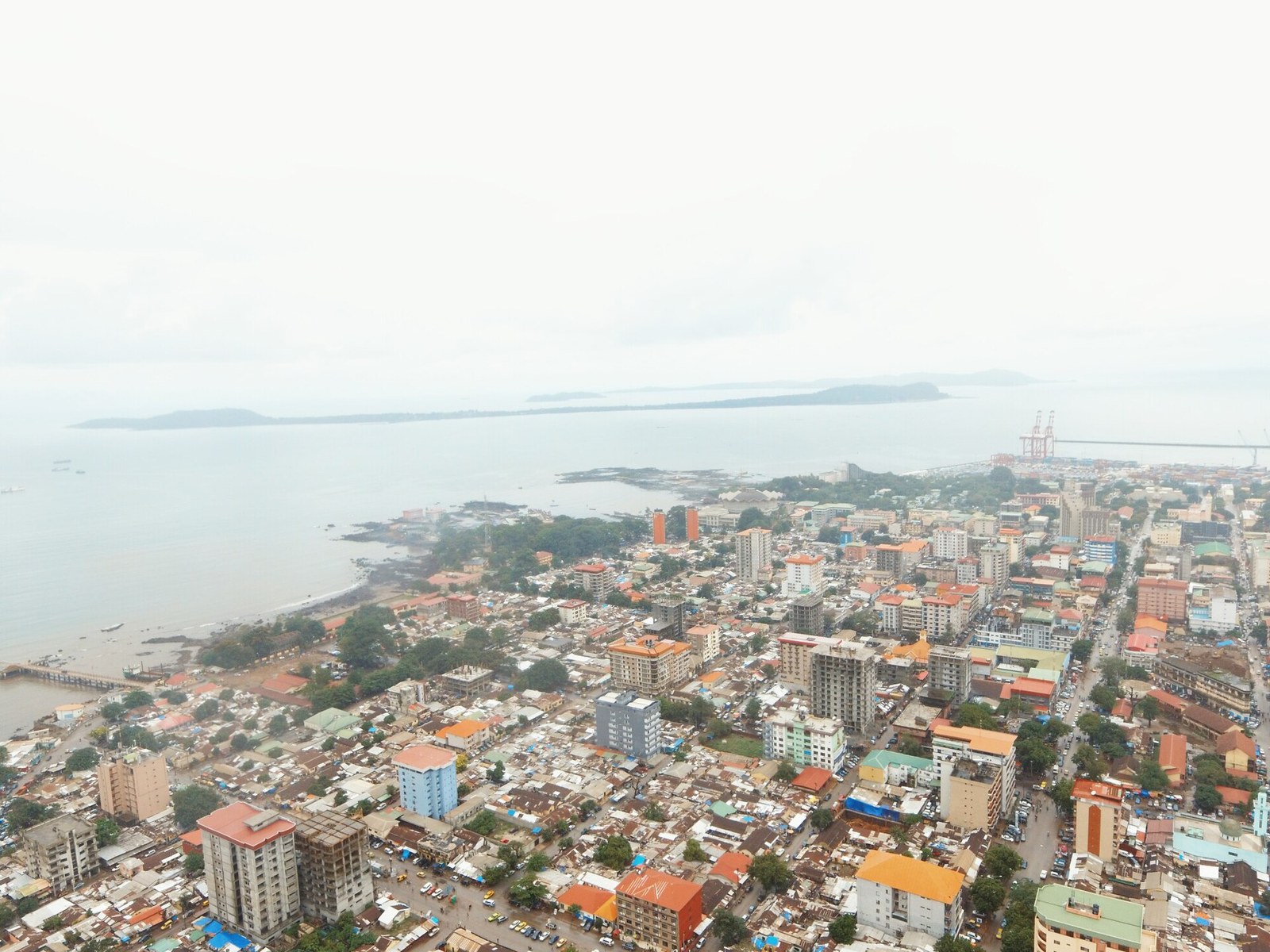
Downtown Kaloum still has fading colonial buildings, the **Cathedrale Sainte Marie**, the **Palais du Peuple** and the port. A morning walk here, followed by a drink on the corniche at sunset, is a good way to get your bearings.
Markets
**Marche Madina** is the giant of Conakry markets, a sprawling maze where you can buy anything from bazin and indigo cloth to spices and phone cases. Go in the morning, take only what you need and keep your bag in front of you. **Marche Niger** in Kaloum is smaller and easier, with fresh fish, fruit and fabric.
Beaches and the sea
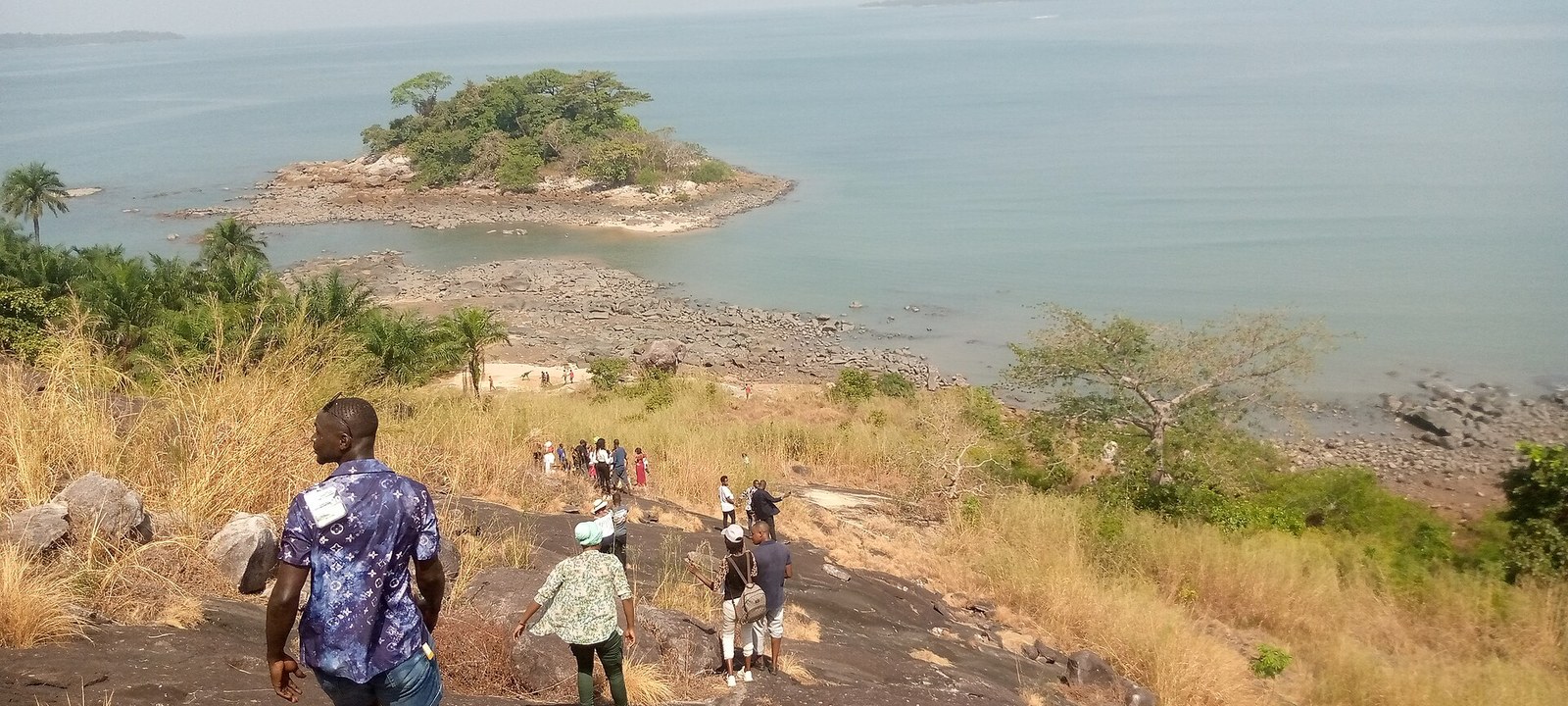
City beaches such as **Rogbane** in Taouyah fill with families at weekends, with grilled fish, music and football. The water near the city is not always clean, so for real swimming most people take a boat to the Iles de Los, which leave from the Boulbinet area of Kaloum.
Music and culture
Conakry gave the world the **Ballets Africains** and the great orchestras of the independence era, and live music is still everywhere. Look out for concerts at the **Centre Culturel Franco Guineen** and weekend bands in Taouyah and Ratoma bars. Ask your hotel about upcoming shows.
Where to stay
Most international visitors stay in **Kaloum**, close to ministries, banks and the sea, or along the coast in **Camayenne**, **Dixinn** and **Ratoma**. Large international hotels have generators, security and reliable water, which matters in a city where power cuts are common. Mid-range hotels are scattered along the corniche, and budget guesthouses exist but vary a lot in quality.
Getting around
Traffic on the two main roads along the peninsula, the Route Le Prince and the Autoroute Fidel Castro, can be extremely slow at rush hour. Shared yellow taxis run fixed routes and are cheap but crowded. Many visitors use a taxi or driver arranged through their hotel, especially at night and for the airport. Allow plenty of time to reach the airport for departure.
Staying safe
Political protests do happen in Conakry, especially along the Route Le Prince in the suburbs, and can turn violent. Avoid gatherings, keep an eye on local news and follow your hotel's advice. Petty theft happens in markets and traffic, so keep phones out of sight in taxis with open windows. Read your government's current advice before you travel.
Questions about Conakry
Is Conakry worth visiting?
Yes, for two or three days. The mosque, museum, markets, music and a day on the Iles de Los give you a real feel for the country before you head inland.
Where should I stay in Conakry?
Kaloum is central and close to the sea and offices. Camayenne, Dixinn and Ratoma along the coast are also good, with several larger hotels. Choose somewhere with a generator and secure parking.
How long does it take to get from the airport to the city?
The airport at Gbessia is around fifteen kilometres from Kaloum, but traffic means the trip can take from thirty minutes to well over an hour. Arrange your transfer through your hotel.
Can I swim in Conakry?
City beaches are fun for a walk or a meal, but the water near the city is not always clean. For swimming, take a boat to the Iles de Los.
Facts checked . Fees, schedules and entry rules change, so always confirm the latest with the official source.