The capital and gateway
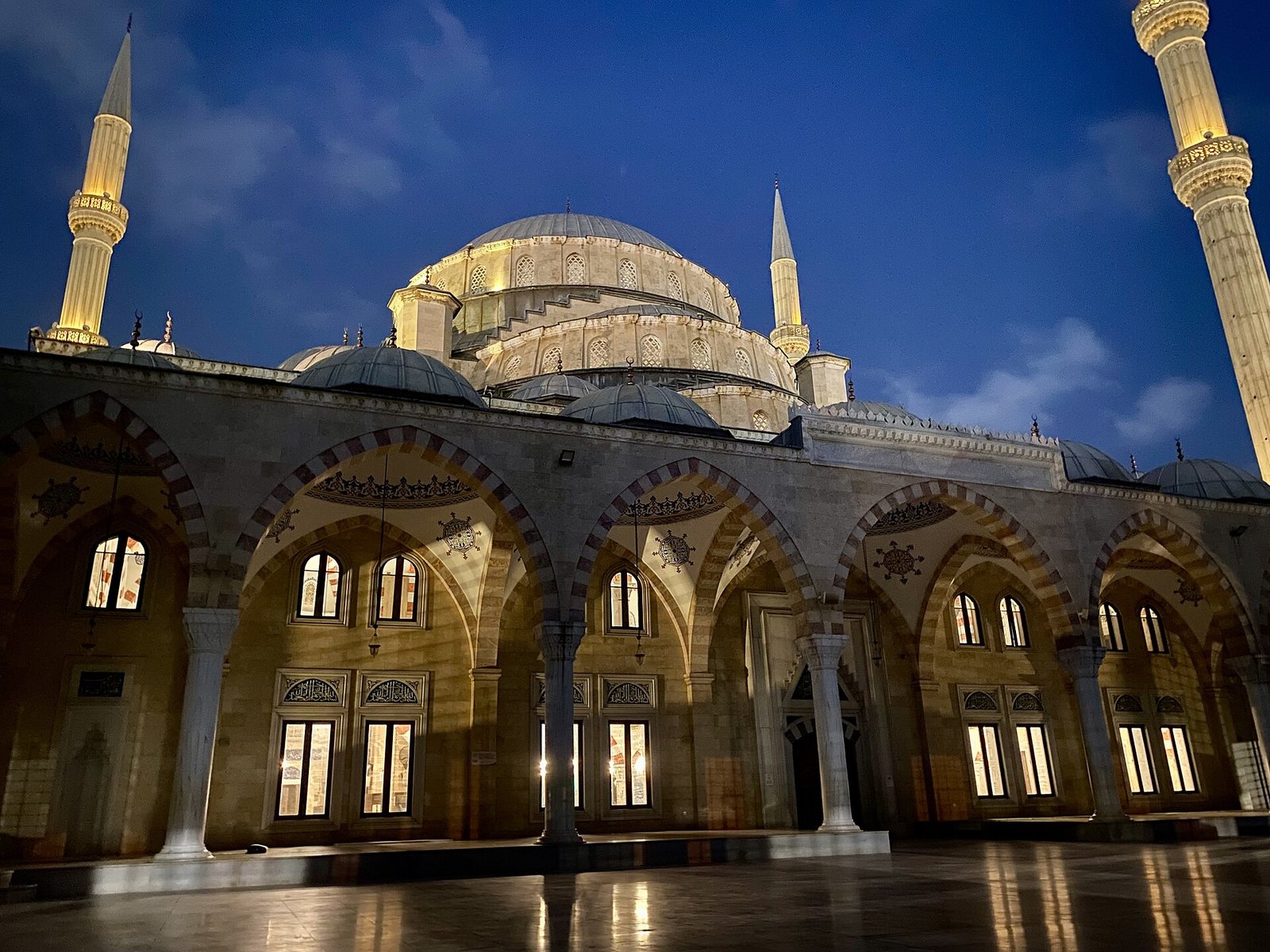
Almost every trip begins in Accra, home to Kotoka International Airport. It is a sprawling, friendly city by the sea, with the historic fishing quarter of Jamestown, the bars and shops of Osu, the leafy embassy streets of Cantonments and Airport Residential, and some of the most exciting contemporary art in Africa. Give it at least two or three days, and more if you are visiting family.
The castle coast
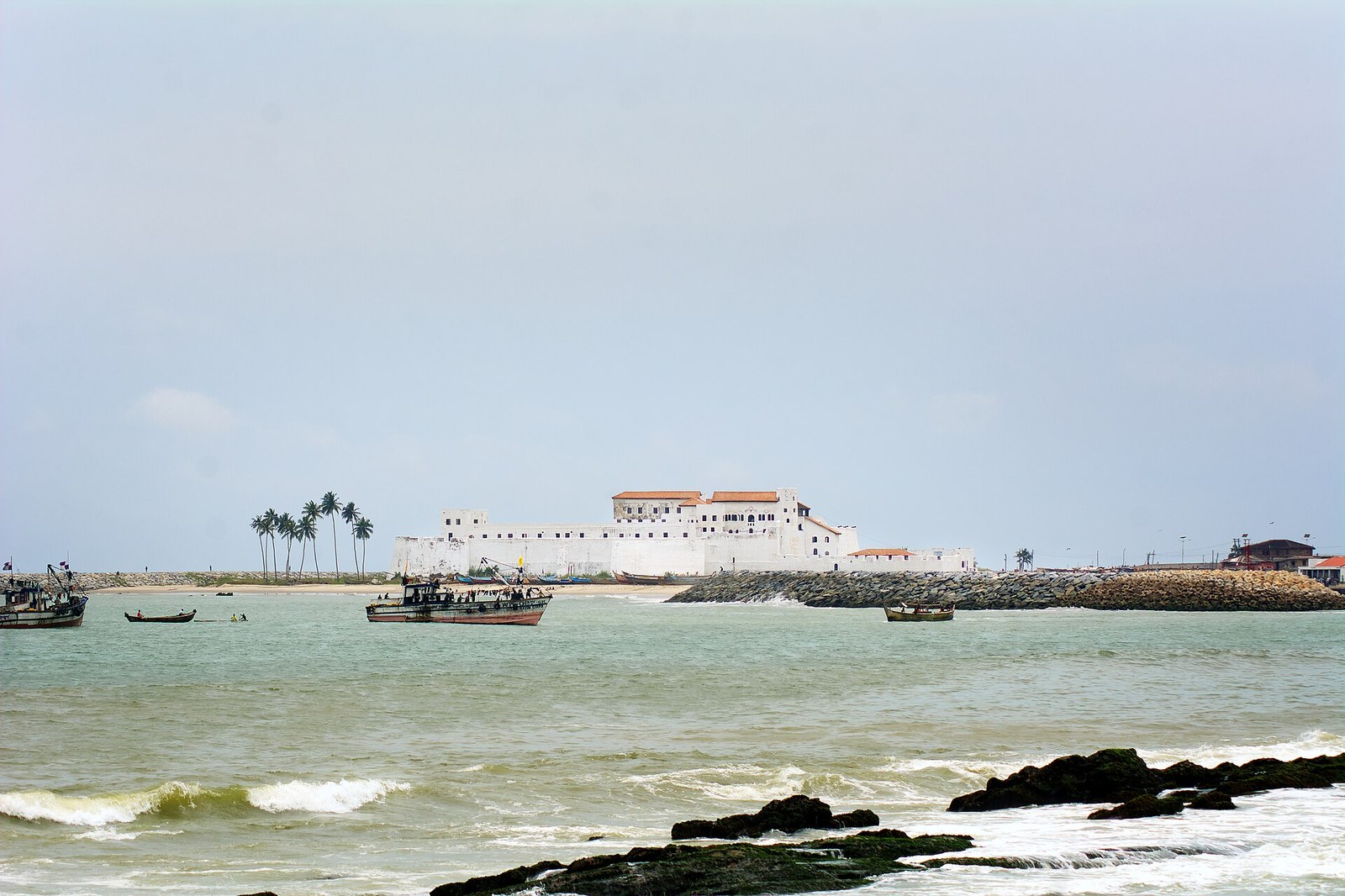
Three hours west lies Cape Coast and Elmina, the heart of Ghana's history of the transatlantic slave trade. The UNESCO-listed castles here are among the most important places of memory in the world, and for many diaspora visitors they are the reason for the trip. The same stretch of coast has fishing towns, palm-lined beaches and the canopy walkway of Kakum National Park.
The Asante heartland
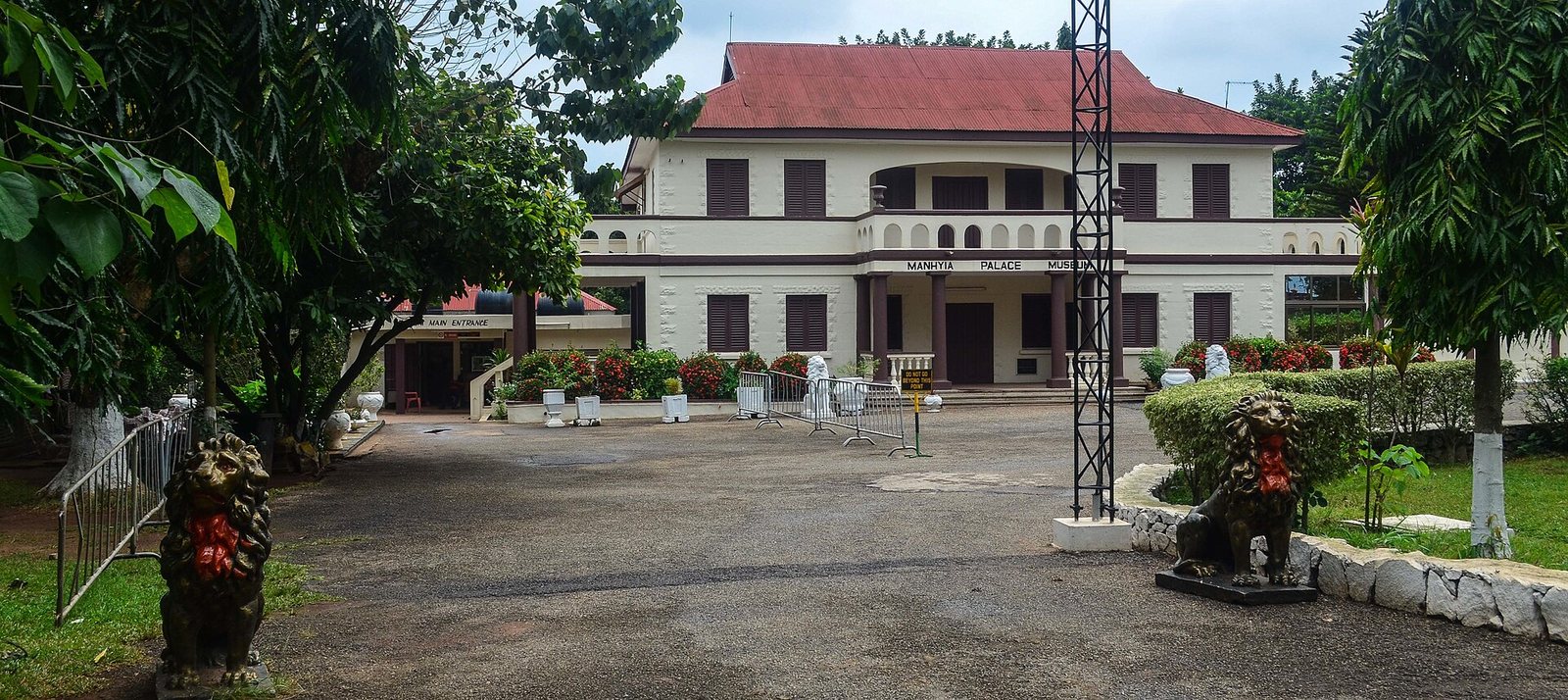
Kumasi, Ghana's second city, is the seat of the Asante kingdom. It is the place for royal history at Manhyia Palace, the enormous Kejetia Market and the craft villages where kente and adinkra cloth are made. The crater lake of Bosomtwe is an easy escape nearby.
Into the savannah
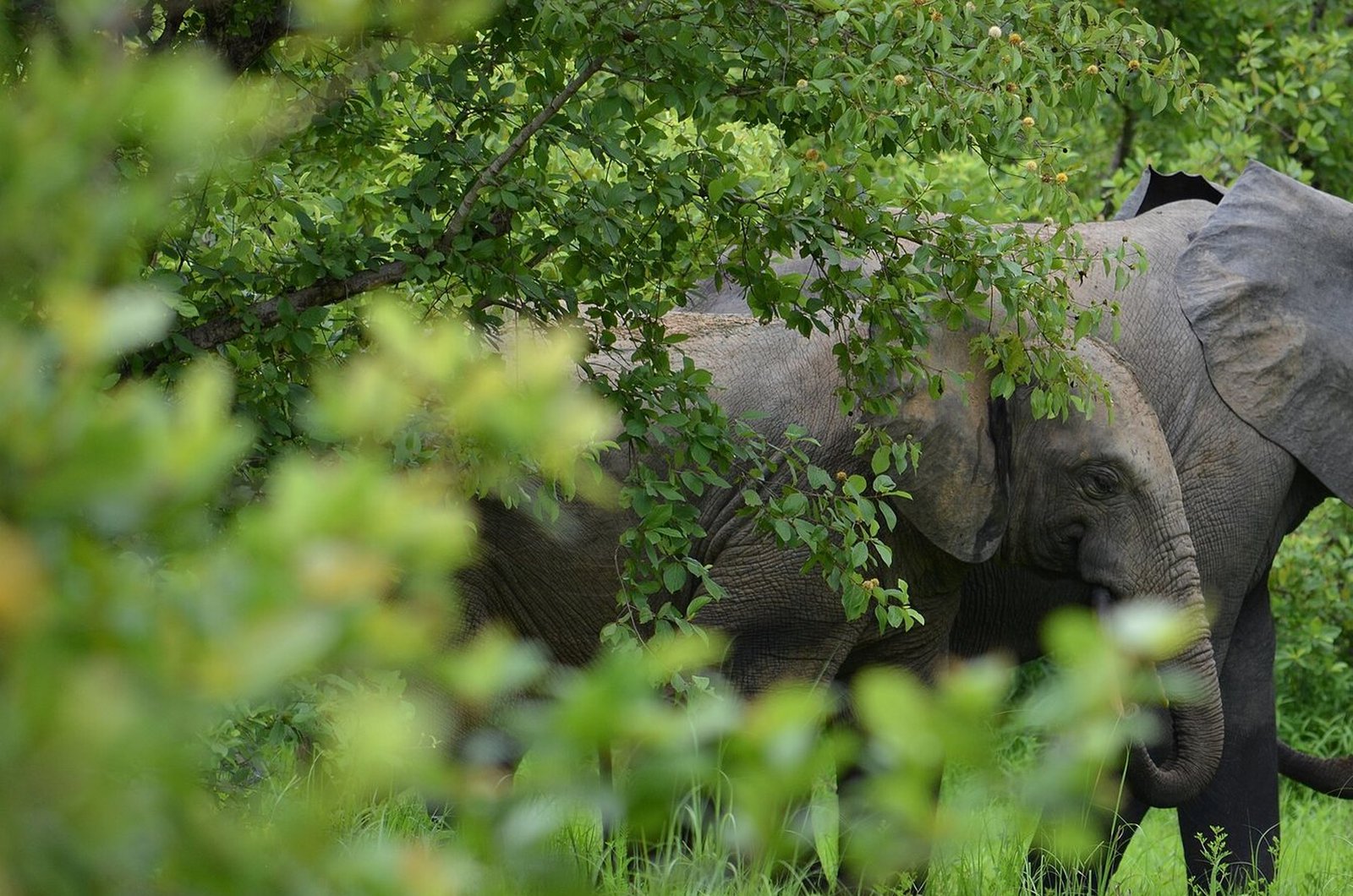
In the north, Mole National Park is Ghana's best place to see wildlife, with elephants that often wander close to the lodges and walking safaris led by armed rangers. It pairs well with the mud mosque at Larabanga and the city of Tamale.
Hills, waterfalls and the great lake
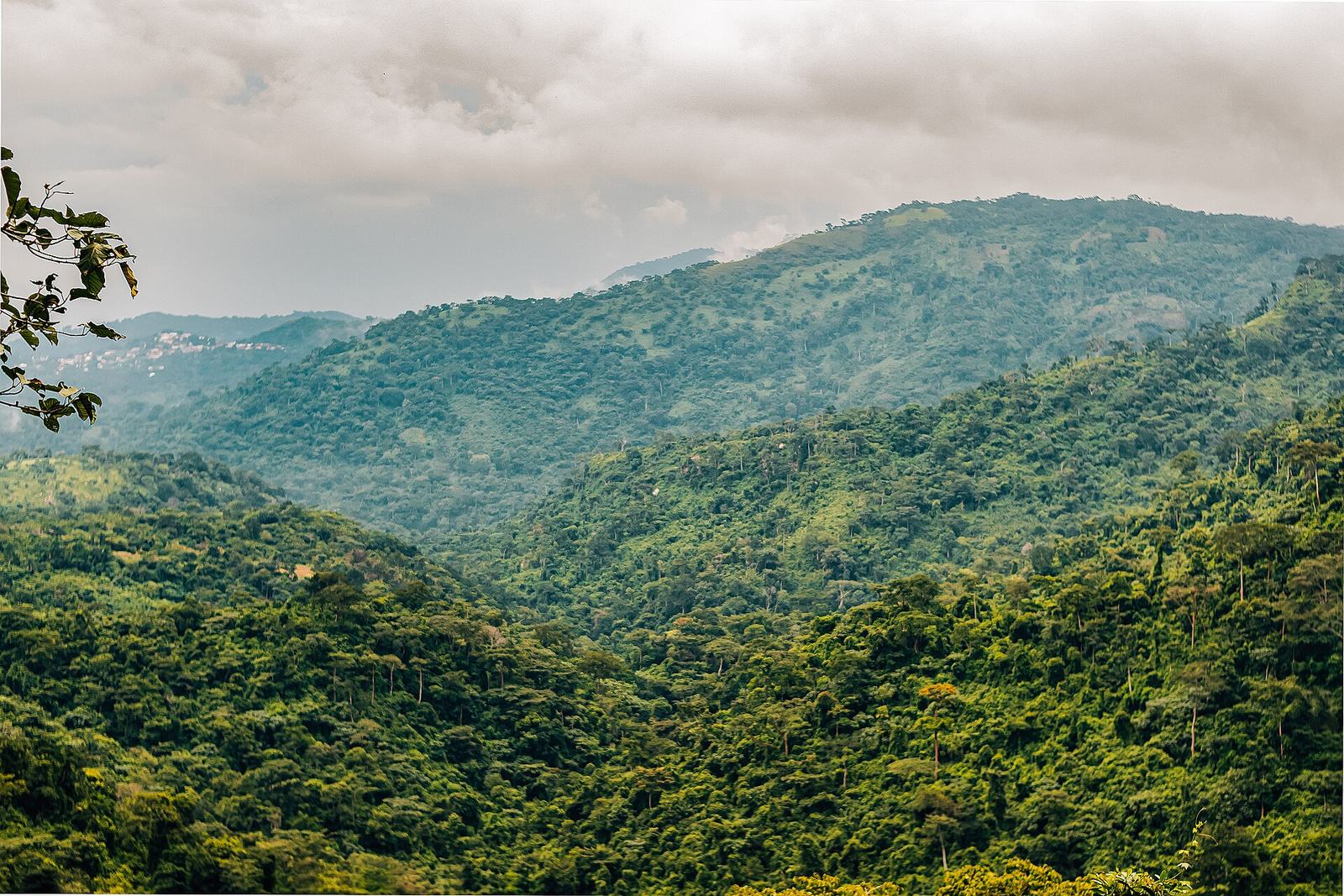
East of Accra, the Volta Region is green, hilly and refreshingly quiet. Hike to Wli Waterfalls, climb Mount Afadja, meet the monkeys of Tafi Atome and relax by Lake Volta at Akosombo.
How to combine them
With a week, pair Accra with Cape Coast and Elmina. With ten days, add Kumasi. With two weeks, add Mole or the Volta Region, or both if you fly between Accra and Tamale. Our free trip planner can help you put it all together.