At a glance
- Best for
- Culture, crafts and royal history
- From Accra
- About five hours by road, or a short flight
- Time needed
- Two to three nights
- Airport
- Prempeh I International Airport (KMS)
- Must see
- Manhyia Palace, Kejetia, Bonwire
- Language
- Twi, with English widely spoken
Why visit
The Asante built one of Africa's most powerful kingdoms, famous for its gold, its Golden Stool and its resistance to British rule. That history is alive in Kumasi. Chiefs still hold court, festivals fill the streets with drums and umbrellas, and the craft villages around the city make the cloth that the world now associates with Ghana. For diaspora visitors with Akan roots, Kumasi is often the emotional centre of the trip.
Manhyia Palace and royal Kumasi
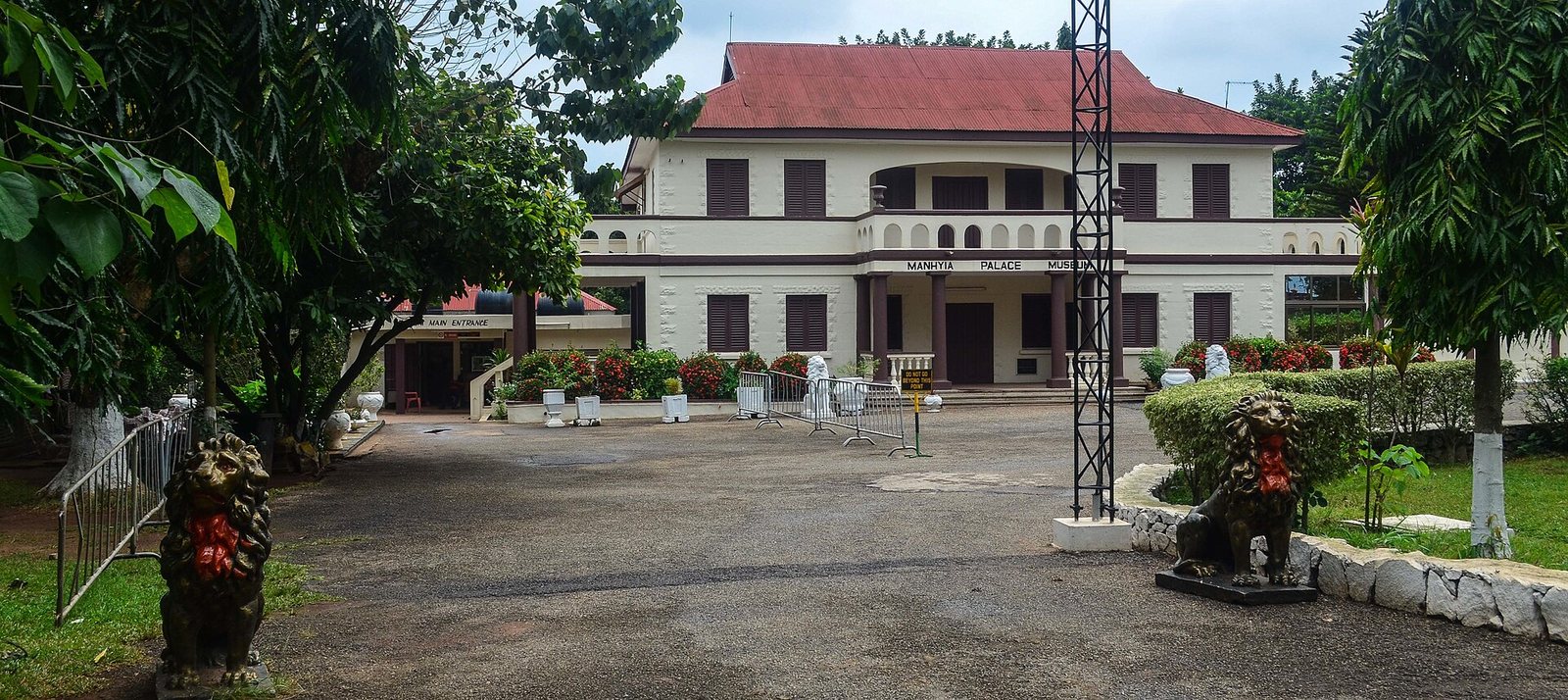
The Manhyia Palace Museum, in the former palace used by the Asantehene, tells the story of the kings with furniture, photographs and lifelike figures. Guides explain the Golden Stool, the symbol of the nation's soul. If your visit falls on Akwasidae, the festival held every six weeks under the Akan calendar, you may see the king receive chiefs and the public in a dazzling display of kente, gold and talking drums. Check the date in advance.
The Prempeh II Jubilee Museum at the Centre for National Culture is small but rich in regalia, and the Kumasi Fort and Military Museum tells the story of the 1900 war led by the queen mother Yaa Asantewaa. Near Bantama, visit the site of the sword of Okomfo Anokye, the priest said to have called down the Golden Stool.
Kejetia Market
Kejetia is one of the largest markets in West Africa, a maze of thousands of stalls selling cloth, beads, food, sandals, hardware and herbal remedies. It was rebuilt as a modern multi-storey complex, but the surrounding streets keep their old energy. Go in the morning, keep your valuables close and consider a local guide to help you find the cloth and bead sections.
The craft villages
A short drive from the city:
- **Bonwire** is the best-known kente village, where weavers work narrow strips on wooden looms that are later sewn into cloth. You can watch, try a loom and buy direct.
- **Ntonso** is the home of adinkra cloth, stamped with symbols that each carry a proverb. Many visitors stamp their own piece.
- **Ahwiaa** is a roadside village of woodcarvers making stools, drums and masks.
Combine all three in a half day with a driver.
Lake Bosomtwe and nature
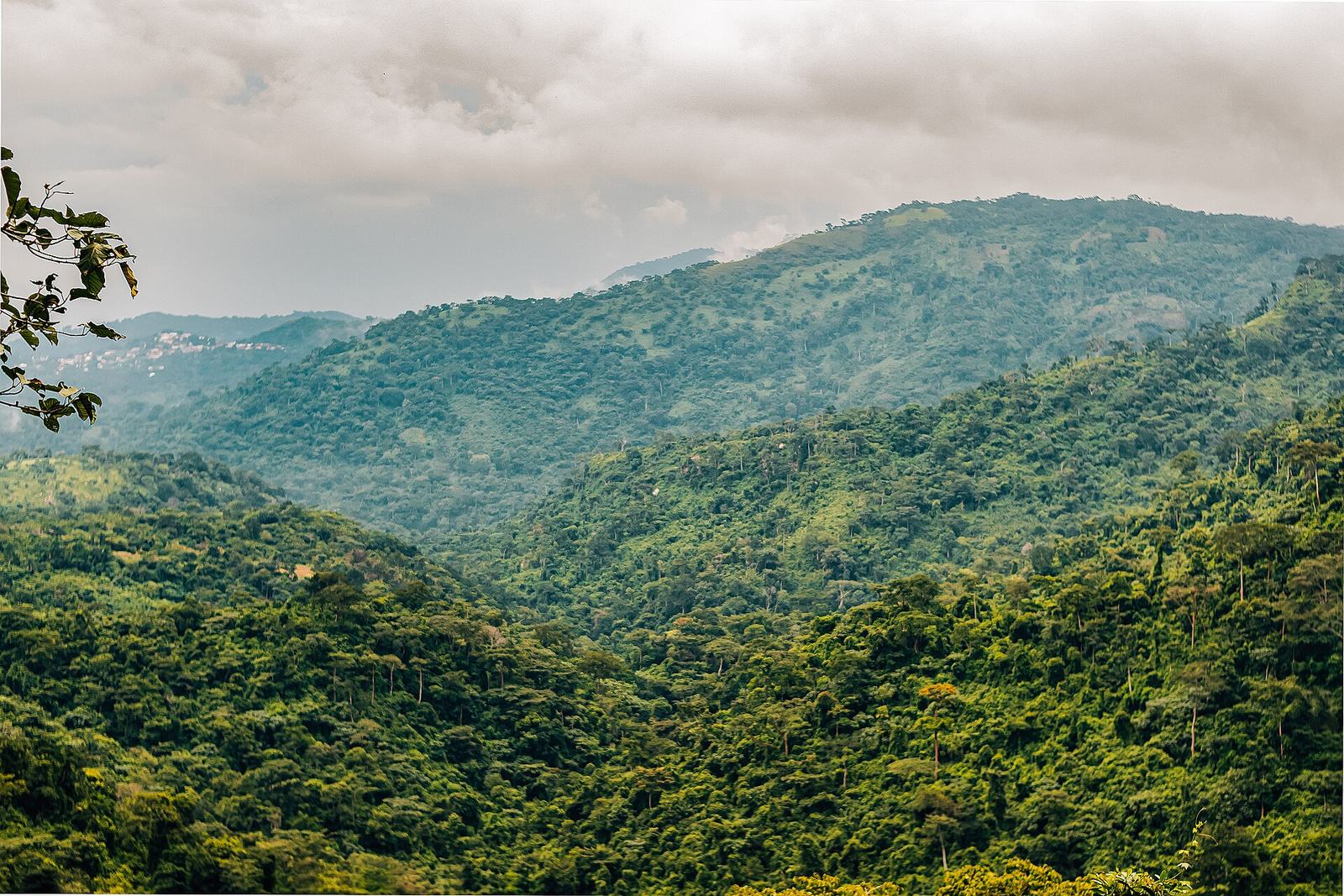
About an hour southeast, Lake Bosomtwe is a crater lake ringed by forested hills and sacred to the Asante. Stay at a lakeside guesthouse, walk between villages, or just swim and rest. The Bobiri Forest Reserve, on the road toward Accra, has quiet trails and a butterfly sanctuary.
Near Ejisu, the Besease shrine is one of the Asante traditional buildings listed by UNESCO, with sculpted wall reliefs.
Food
Kumasi is famous for fufu, pounded cassava and plantain, served with light soup, palm nut soup or groundnut soup at chop bars across the city. Try nkontomire stew, kontomire with boiled yam, and street snacks like kelewele and roasted plantain with groundnuts.
Where to stay
Ahodwo and Nhyiaeso are calm, leafy areas with mid-range and upmarket hotels. Adum, the city centre, is busy and convenient for the market. For something quieter, sleep by Lake Bosomtwe.
Getting there
Comfortable intercity buses from Accra take about five to six hours, depending on traffic, and domestic flights connect Accra and Kumasi in under an hour. In the city, ride apps and taxis are the easiest way around.
Questions about Kumasi
Can I visit Manhyia Palace?
Yes, the Manhyia Palace Museum is open to visitors with a guided tour. The working palace itself is not open except during public events such as Akwasidae.
Is it better to fly or take the bus to Kumasi?
Flying is quick and saves a long day on the road. The bus is cheaper and comfortable, and you see the countryside on the way.
How do I see the craft villages?
Hire a taxi or driver for half a day to visit Bonwire, Ntonso and Ahwiaa together. Each village has a centre where you can watch weavers or stampers work.
When is Akwasidae?
It falls every six weeks on a Sunday according to the Akan calendar. Ask at the Manhyia Palace Museum or the Ghana Tourism Authority for the next date.
Facts checked . Fees, schedules and entry rules change, so always confirm the latest with the official source.