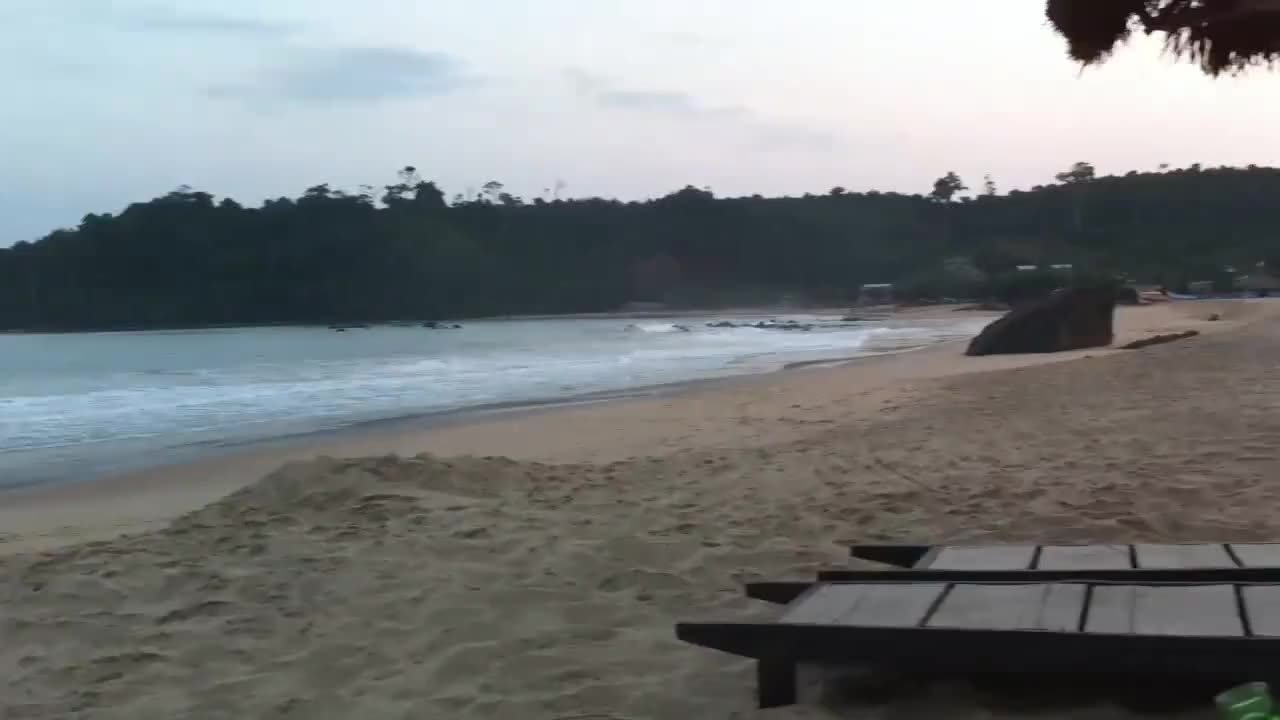
Busua Beach, GhanaVideo: Shawn Zamechek, CC BY 2.0, via Wikimedia Commons
Find your Bliss in Ghana
Ghana, made simple: warm welcomes, deep history and golden coasts, without the worry
Ghana is one of the easiest and friendliest places to start exploring West Africa. English is the official language, the coast is lined with forts and fishing villages, Kumasi keeps Asante traditions alive, and the north has elephants walking past your lodge. This guide takes the guesswork out of entry, money, safety, getting around and costs, so you can plan with confidence.
Your trip, step by step
- Before you flyVisa, yellow fever, money and seasons, answered
- LandingKotoka airport and your first hours in Accra, explained
- Your days in GhanaCity, castles, forest and savannah, planned with care
- Home againDeparture tips so the last day is calm too
Where to go, eat and stay
- Plain answersClear, honest guidance on the questions first-timers actually ask.
- Official sourcesEntry, health and safety facts point you to the official pages to confirm.
- No price surprisesWe explain what costs more and what costs less, so your budget holds.
- Free to useEvery guide and the trip planner are free.
Our promise
Ghana should feel like a welcome, not a worry. We answer the questions before they start, so you arrive confident and ready to find your Bliss.
First time in Africa, or coming home to see family in Accra, Kumasi or the village? This guide was written with you in mind.
How to use this guide
Four steps from first idea to a trip that feels easy.
- Choose your GhanaCity life in Accra, history in Cape Coast, culture in Kumasi, wildlife at Mole or hills in the Volta Region: start with the destinations.
- Sort the essentialsVisa, yellow fever certificate, cash and mobile money, and the right season, checked against official sources.
- Pick your placesUse our places to visit list for chop bars, markets, beaches, art and stays in each area.
- Plan your routeUse the free trip planner to shape your days and how you move between them.
Everything your Ghana trip needs
Free tools and guides for every stage of the journey.
Destinations
Accra, Cape Coast and Elmina, Kumasi, Mole National Park and the Volta Region, each explained in depth.
Explore destinationsPlaces to visit
More than a hundred chop bars, markets, galleries, beaches and stays, from classics to hidden corners.
See places to visitFlights and stays
Search flights into Accra and stays in each area.
Plan travelPlaces finder
Restaurants, sights and stays mapped around each base.
Find placesFree trip planner
Tell us your dates and interests and build a route that fits.
Plan your trip
The classic Ghana trip
Accra, the castle coast and the Asante heartland
A first trip usually pairs a few days in Accra, with Jamestown, Osu and the art scene, with the slave castles of Cape Coast and Elmina and the canopy walk at Kakum. Add Kumasi for Asante culture and kente weaving, then head north to Mole for elephants, or east to the waterfalls and monkey sanctuaries of the Volta Region.
- Jamestown, Osu and the galleries of Accra
- Cape Coast and Elmina castles, UNESCO listed
- Kakum National Park canopy walkway
- Manhyia Palace and kente villages around Kumasi
Start with the destinations
See how Accra, the coast, Kumasi, Mole and the Volta Region fit together.
Ghana destinationsPlan with confidence
Your route, without the worry
Distances in Ghana are longer than they look on a map, and roads north are slow. Our free planner helps you build a realistic route, so you spend your days enjoying places rather than sitting in traffic.
- Realistic travel times
- The right season for your plans
- Where to base yourself
Where to go in Ghana
From Accra's beaches and galleries to the savannah of the north.
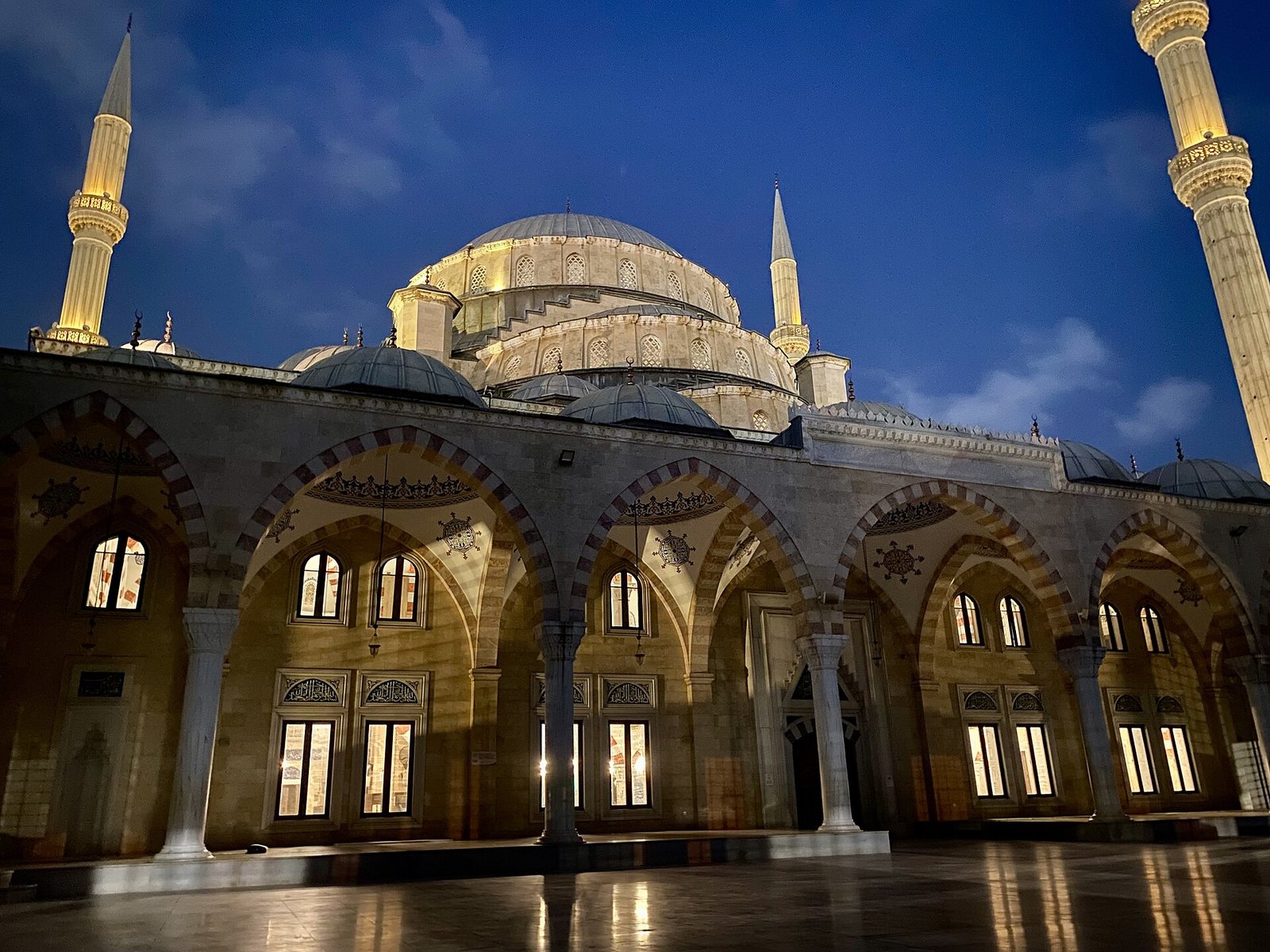
Greater Accra Region
Accra
A warm, sprawling seaside capital of art, music, markets and chop bars, and the gateway to Ghana.
Read the guidePhoto: Warmglow, CC BY-SA 4.0, via Wikimedia Commons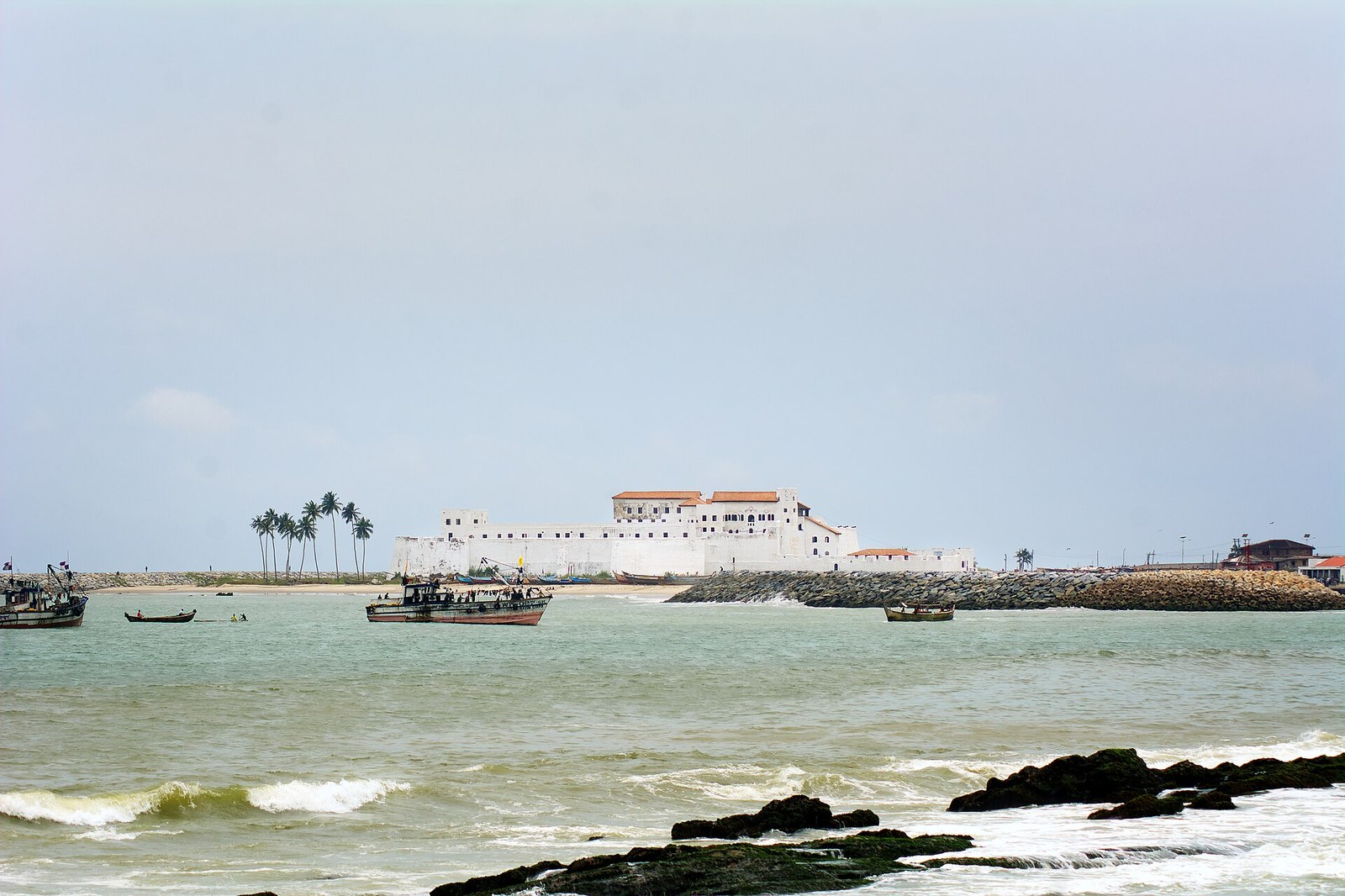
Central Region
Cape Coast and Elmina
The castle coast, where Ghana's hardest history meets fishing towns, beaches and rainforest.
Read the guidePhoto: Kwameghana(Bright Kwame Ayisi), CC BY-SA 4.0, via Wikimedia Commons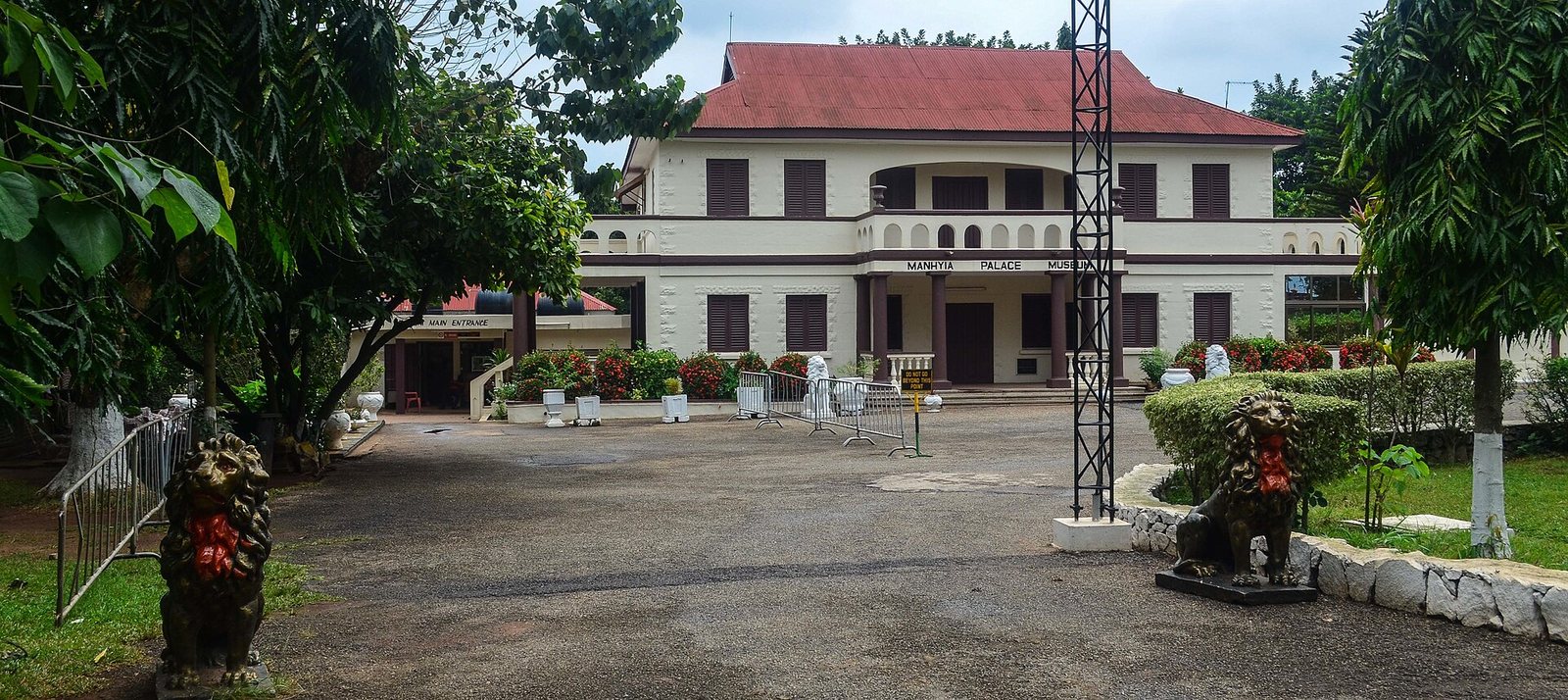
Ashanti Region
Kumasi
Ghana's second city and the seat of the Asante king, rich in royal history, crafts and markets.
Read the guidePhoto: jbdodane, CC BY 2.0, via Wikimedia Commons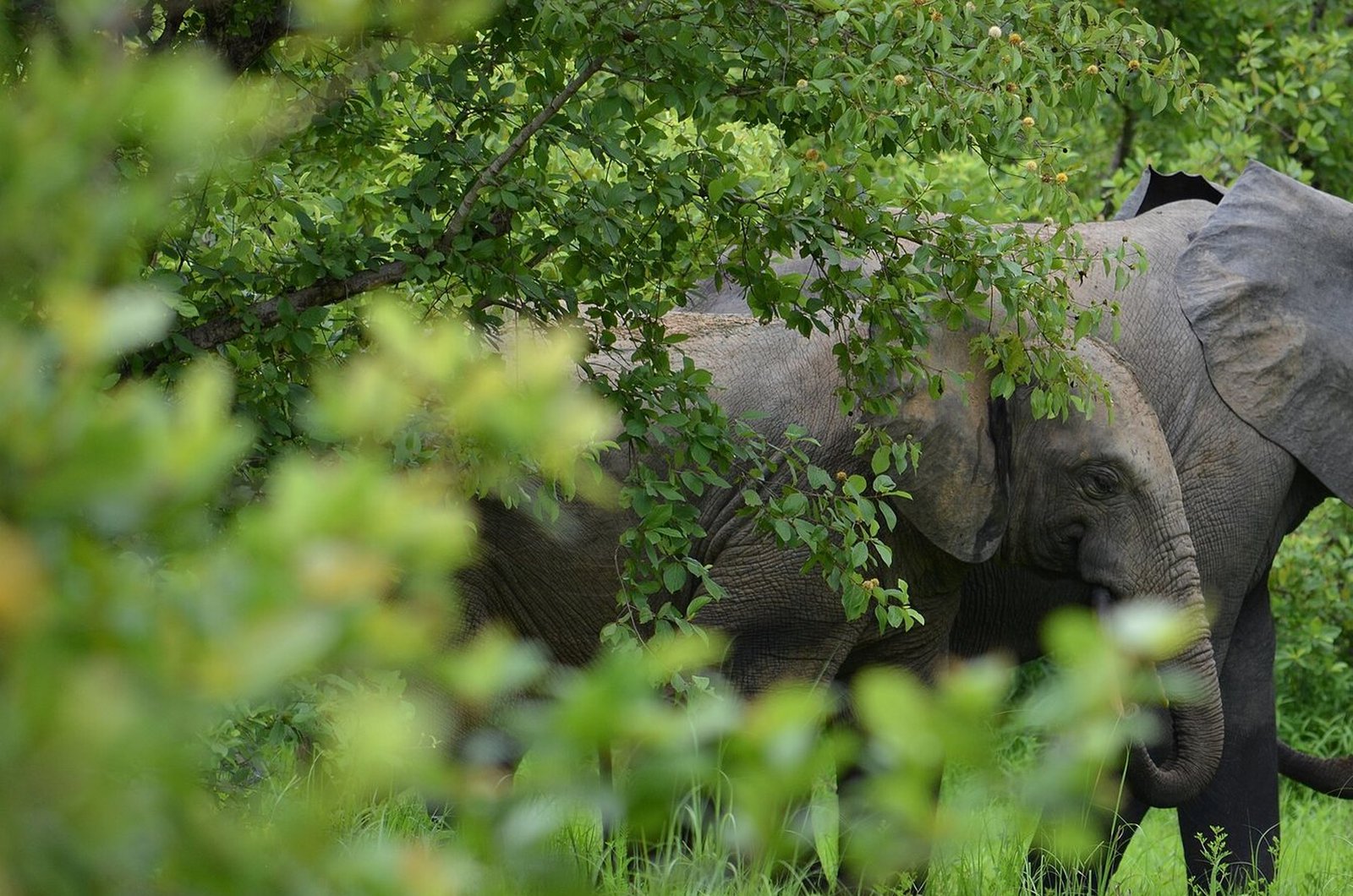
Savannah Region
Mole National Park
Ghana's largest park, where elephants wander past the lodges and ranger-led walks bring you close.
Read the guidePhoto: Sheihu Salawatia, CC BY-SA 4.0, via Wikimedia Commons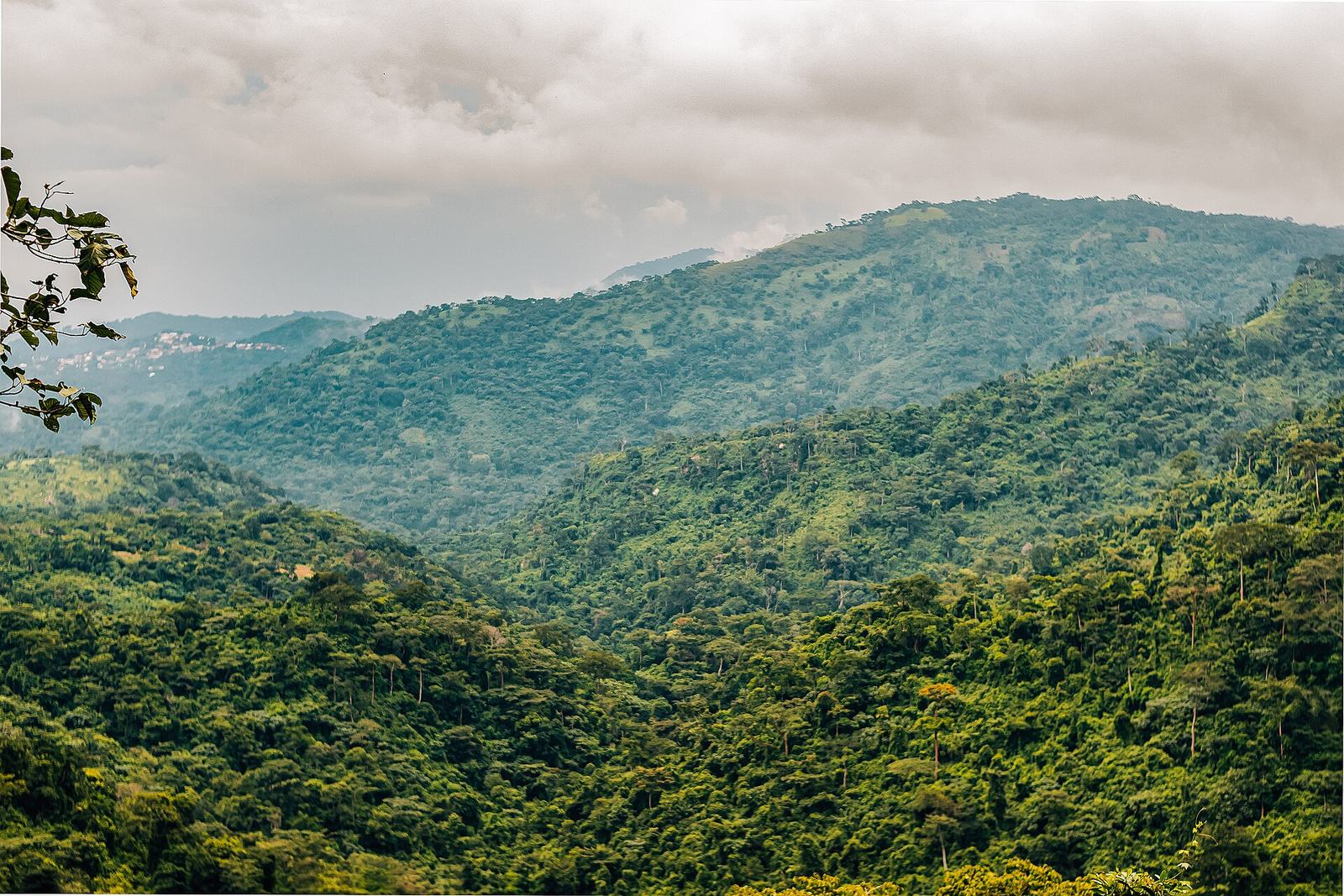
Volta Region
Volta Region
Green hills, Ghana's highest waterfall, monkey sanctuaries and the great lake at Akosombo.
Read the guidePhoto: Williams Penuku, CC BY-SA 4.0, via Wikimedia Commons
A note from our founder
A note from our founder
My first time visiting Kenya, I was genuinely surprised with how fast it began feeling like home. The people are so friendly, the food is delicious and familiar, and the accommodations are modern and upscale.
During my travels throughout the continent, I commonly hear tourists share stories about being scammed or taken advantage of, which is both frustrating and disheartening.
Living in Kenya for the last 2 years, I have had the great fortune to meet a network of wonderful Kenyans who have continuously help guide my family's journey. Their shared knowledge has not only greatly enhanced our overall experience here, but it has also saved us tons of time, energy, and resources.
With BlissPoint Travel, my hope is to build a global community that is willing to share useful, uncommon knowledge so that we can all blissfully enjoy the wonders our world has to offer.
Questions we hear most
Is Ghana safe for visitors?
Ghana is one of the more stable and welcoming countries in West Africa, and most visits pass without trouble. Take normal care against pickpockets, phone snatching and online scams in Accra, and read your government's current advice, which flags some areas near the northern borders.
Do I need a visa for Ghana?
Most visitors need a visa arranged before travel through a Ghana embassy or the official Ghana Immigration Service channels, while ECOWAS citizens and some Commonwealth and African passports are exempt. Rules vary by passport and have been changing, so check the Ghana Immigration Service and your nearest Ghana embassy before you book.
What currency is used in Ghana?
The Ghanaian cedi (GHS). Cards work in larger hotels, malls and some restaurants in Accra, but cash and mobile money run daily life. ATMs are easy to find in cities and big towns.
What language is spoken?
English is the official language, so getting around is easy for English speakers. Twi is the most widely spoken local language, alongside Ga in Accra, Ewe in the Volta Region and Dagbani in the north. A simple Akwaaba, meaning welcome, goes a long way.
When is the best time to visit?
November to March is the most popular time, drier and good for the north and wildlife, though the harmattan brings dusty haze from December. The main rains fall roughly April to June in the south, with a shorter wet spell around September and October.
How many days do I need?
A week covers Accra, Cape Coast, Elmina and Kakum. With ten days to two weeks you can add Kumasi and either Mole National Park or the Volta Region.
Ready to plan your Ghana trip?
Use the free trip planner to shape your route, or contact us with a question.