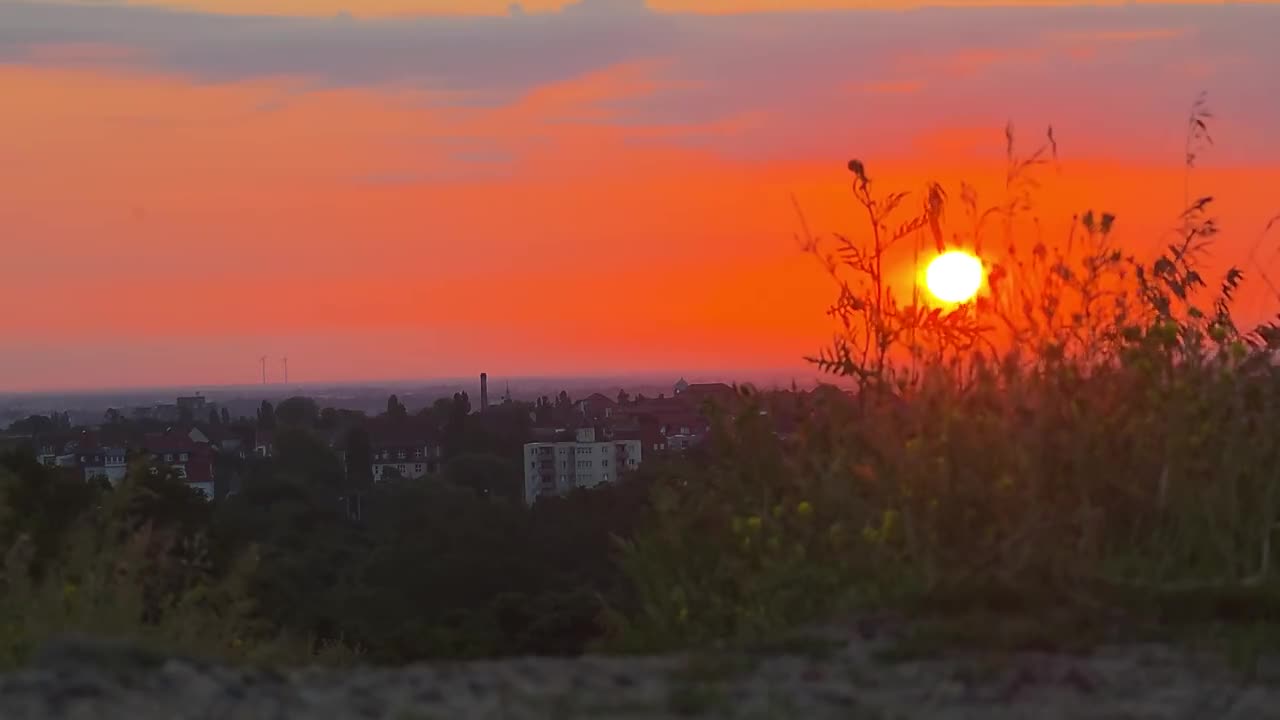
Sunrise over Berlin from Drachenberg, GermanyPhoto: NutzerAusBerlin, CC0, via Wikimedia Commons
Find your Bliss in Germany
Germany, made simple: castles, beer gardens, Christmas markets and cities full of stories
Germany mixes world-class museums, fairytale castles, riverside vineyards, Alpine lakes and some of Europe's most creative cities, all linked by a dense rail network. It is safe and well organised, but cash-only cafés, Sunday closures, train delays and ticket validation rules can surprise first-timers. This guide explains how it all works so you arrive relaxed and ready to explore.
Your trip, step by step
- Before you goSchengen entry, the EU Entry/Exit System, seasons and insurance, answered
- ArrivingFrankfurt, Munich or Berlin airport, trains into the city and your first night, explained
- Your days in GermanyCities, castles, rivers, beer gardens and markets, planned with care
- Heading homeTax refunds, airport timing and souvenirs, so the last day is calm too
Where to go, eat and stay
- Plain answersClear, honest guidance on the questions first-timers actually ask.
- Official sourcesEntry, health and safety facts point you to the official pages to confirm.
- No price surprisesWe explain rail tickets, the Deutschlandticket, tipping, deposits on bottles and city taxes so costs never catch you off guard.
- Free to useEvery guide and the trip planner are free.
Our promise
Germany should feel like a sunny afternoon in a beer garden, not a puzzle of timetables and rules. We answer the questions about entry, trains, money, weather and etiquette before they start, so you arrive confident and ready to find your Bliss.
We are a travel guide, not a local agency. We do not run tours or transfers; we help you plan well and point you to official sources.
How to use this guide
Four steps from first idea to a trip that feels easy.
- Choose your GermanyBig-city culture, castles and Alps, rivers and wine, or the northern ports: start with the destinations that fit you.
- Sort the essentialsSchengen entry, the right season and current travel advice, checked against official sources.
- Pick your placesUse our places to visit list for beer halls, cafés, museums, markets, parks and stays in every city.
- Plan your routeUse the free trip planner to link Berlin, Munich, Hamburg, Cologne and Dresden by train at a calm pace.
Everything your Germany trip needs
Free tools and guides for every stage of the journey.
Destinations
Berlin, Munich, Hamburg, Cologne and the Rhine, and Dresden, each explained in depth.
Explore destinationsPlaces to visit
More than a hundred beer gardens, cafés, museums, markets, parks and stays, from classics to hidden corners.
See places to visitFlights and stays
Search flights into Frankfurt, Munich or Berlin and compare stays in each base.
Search travelFree trip planner
Tell us your dates and interests and get a realistic, stress-free Germany route.
Plan my trip
Cities and countryside
Big cities by morning, castles and vineyards by afternoon
Germany is a country of regions, each with its own dialect, food and beer. Fast ICE trains link Berlin, Hamburg, Cologne, Frankfurt and Munich in a few hours, and regional trains reach castles, wine villages and lakes from every city. You can tour Berlin's history in the morning and be on the Elbe in Dresden by evening, or leave Munich after breakfast for a lake in the Bavarian Alps.
- Berlin's museums, memorials and nightlife
- Munich's beer gardens and the Bavarian Alps
- Cologne Cathedral and Rhine valley castles
- Hamburg's harbour and Dresden's baroque skyline
Start with the destinations
See how Berlin, Munich, Hamburg, Cologne and Dresden fit together.
Germany destinationsPlan with confidence
Your route, without the worry
Germany rewards a little preparation: Schengen entry checked for your passport, long-distance train tickets booked early for the best fares, some cash in your pocket, and Sundays planned around closed shops. Our free planner helps you shape it.
- Realistic train times between cities
- The right base for culture, nature or nightlife
- Seasonal tips for Oktoberfest, Christmas markets and summer festivals
Where to go in Germany
Five bases that cover the country's capital, south, north, west and east.
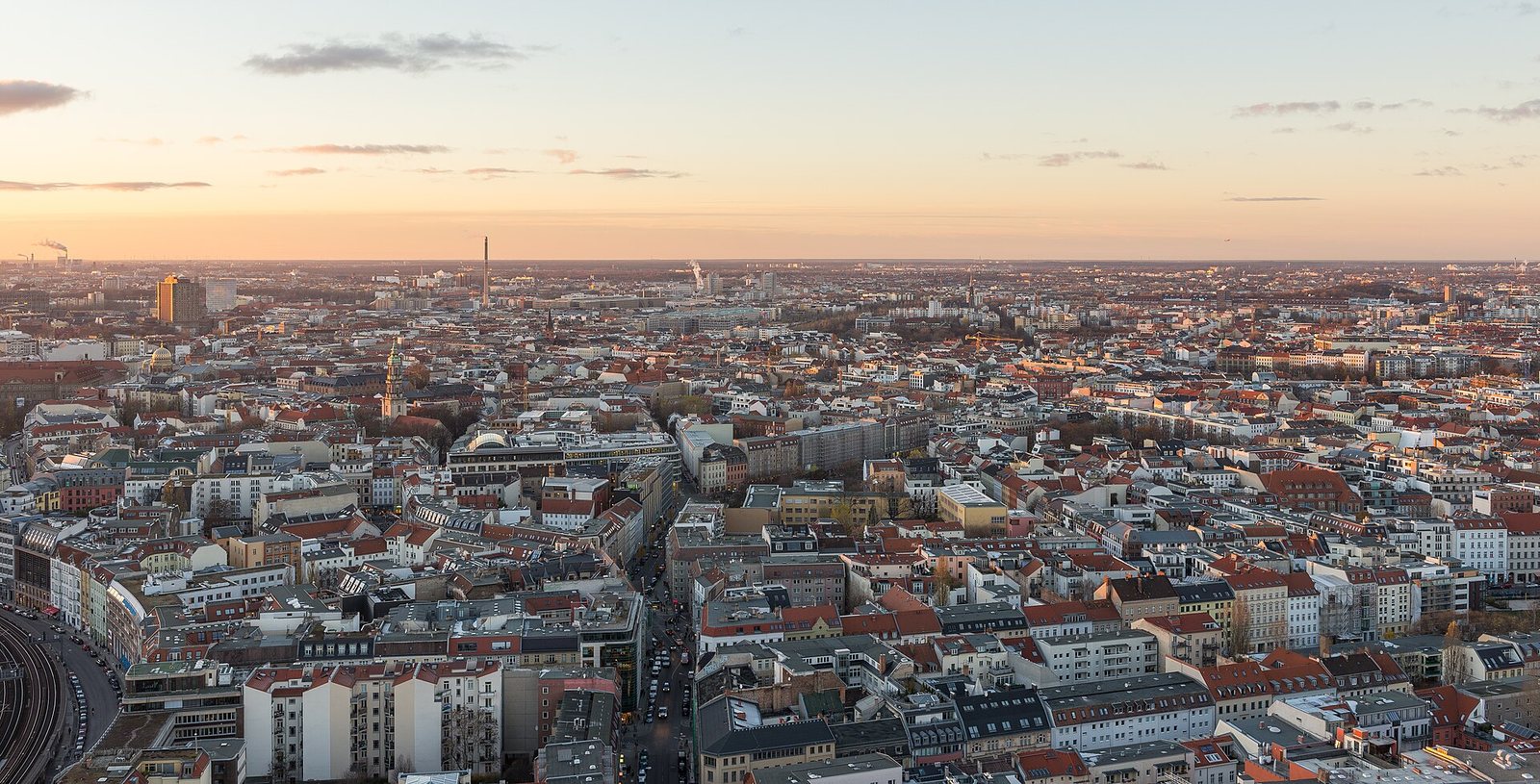
Berlin, eastern Germany
Berlin
Germany's sprawling, creative capital, where world history, great museums, green parks and famous nightlife share the same streets.
Read the guidePhoto: Arild Vågen, CC BY-SA 3.0, via Wikimedia Commons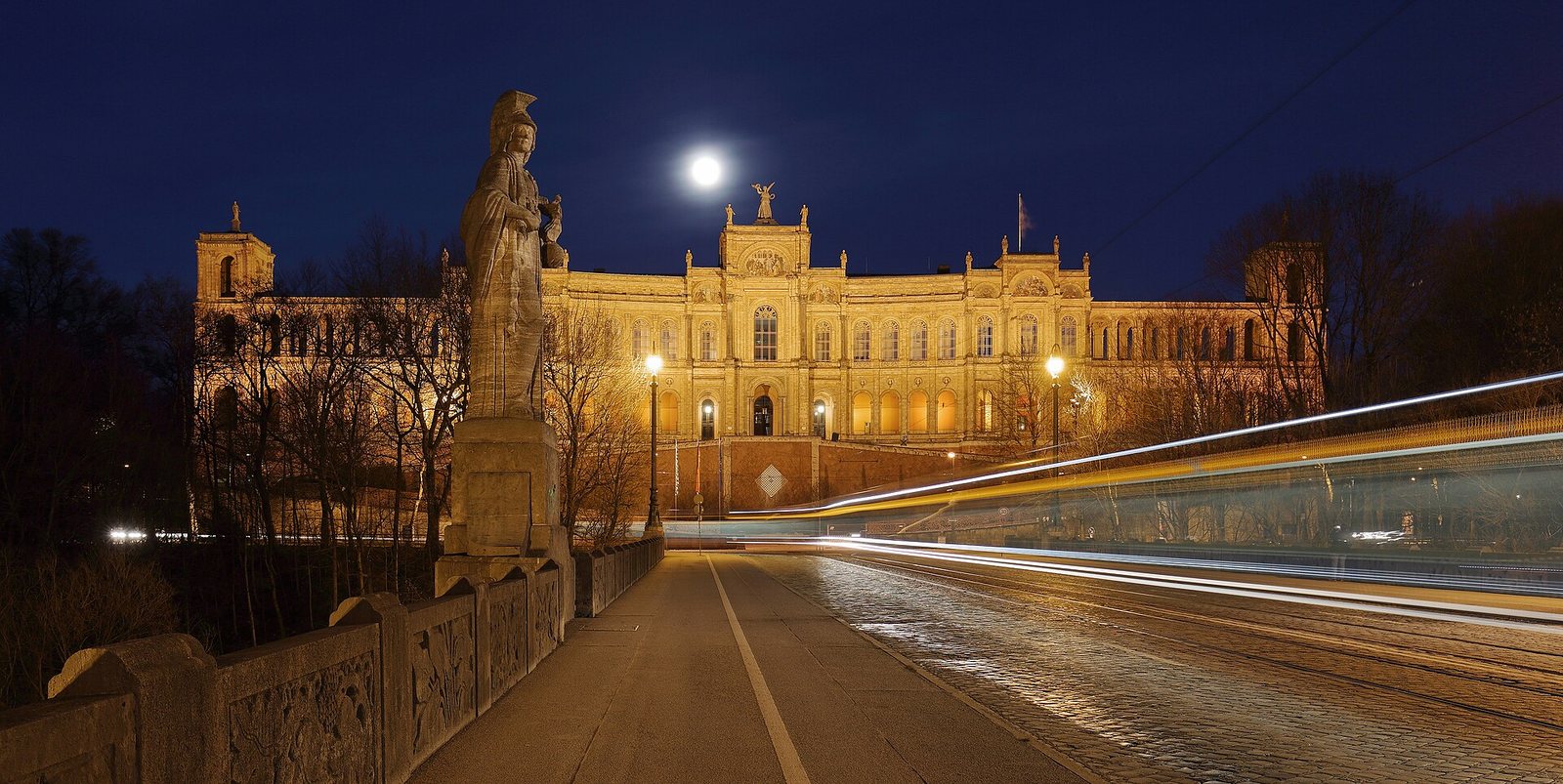
Bavaria, southern Germany
Munich
Bavaria's prosperous capital of beer gardens, baroque churches, great museums and easy day trips to castles, lakes and the Alps.
Read the guidePhoto: Martin Falbisoner, CC BY-SA 4.0, via Wikimedia Commons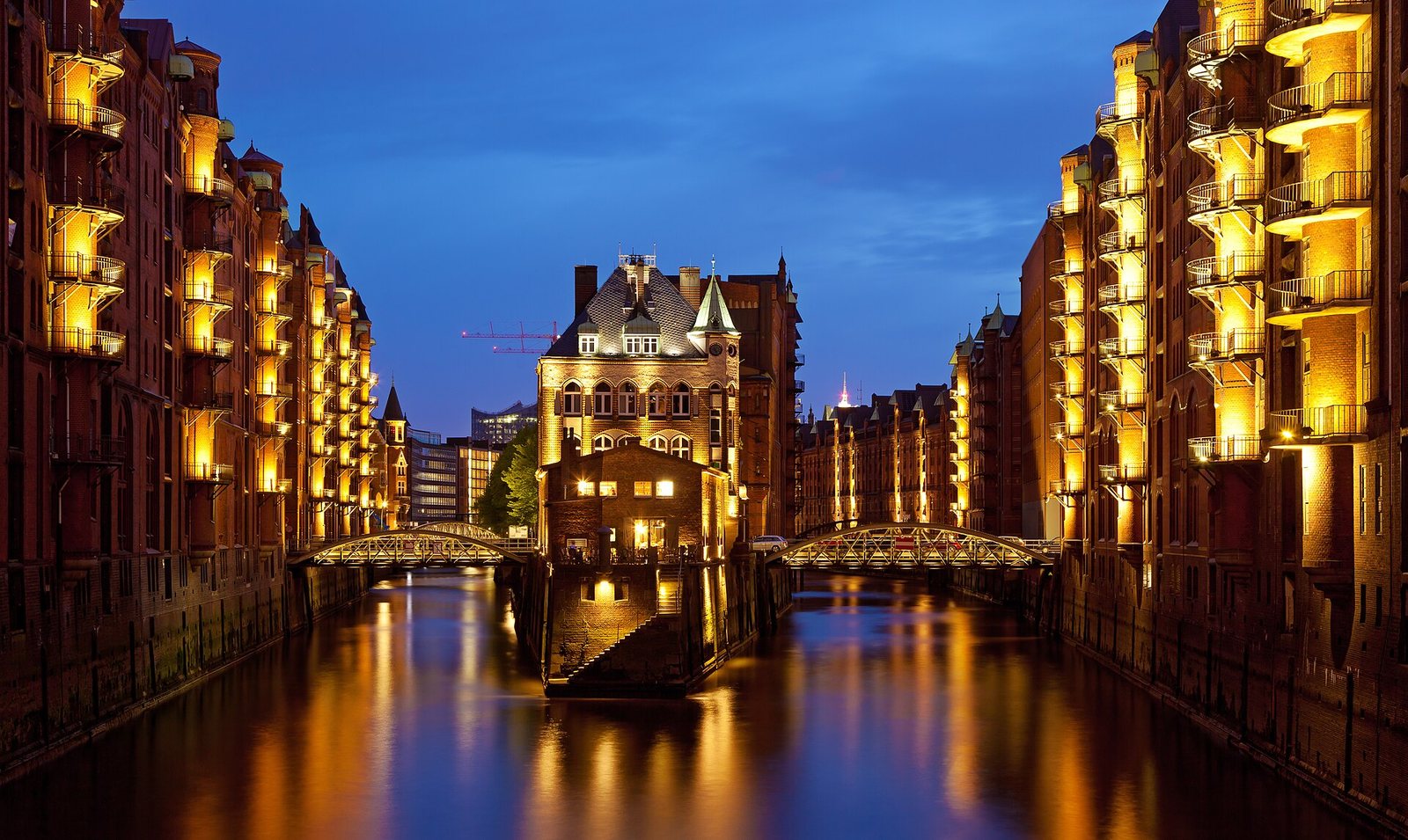
Hamburg, northern Germany
Hamburg
Germany's maritime second city of canals, red-brick warehouses, a working harbour, music and a famously lively nightlife.
Read the guidePhoto: Thomas Wolf, www.foto-tw.de, CC BY-SA 3.0, via Wikimedia Commons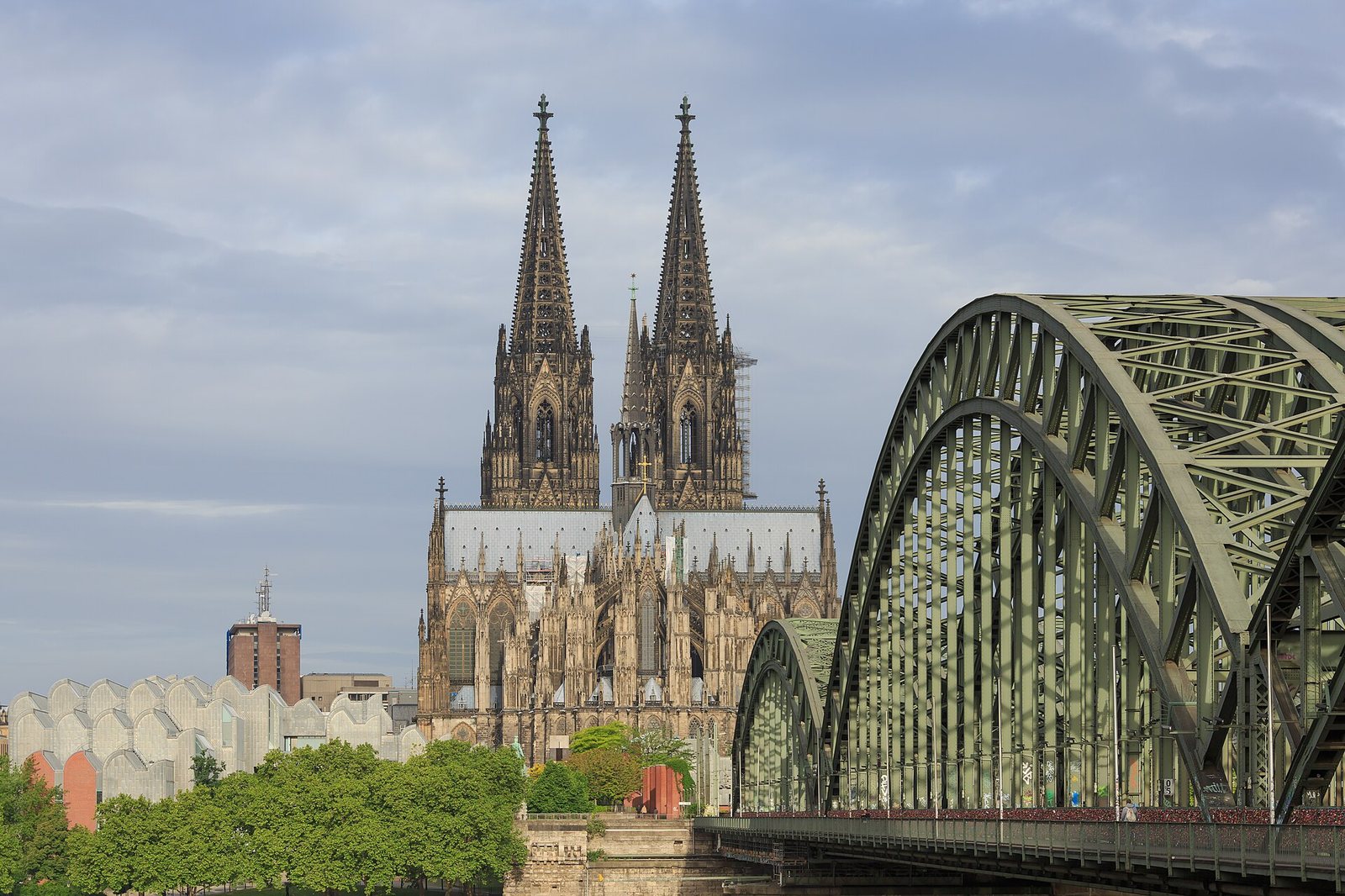
North Rhine-Westphalia and the Middle Rhine, western Germany
Cologne and the Rhine
A friendly, historic Rhine city with Germany's most famous cathedral, plus the castle-lined Rhine valley just upstream.
Read the guidePhoto: CEphoto, Uwe Aranas, CC BY-SA 4.0, via Wikimedia Commons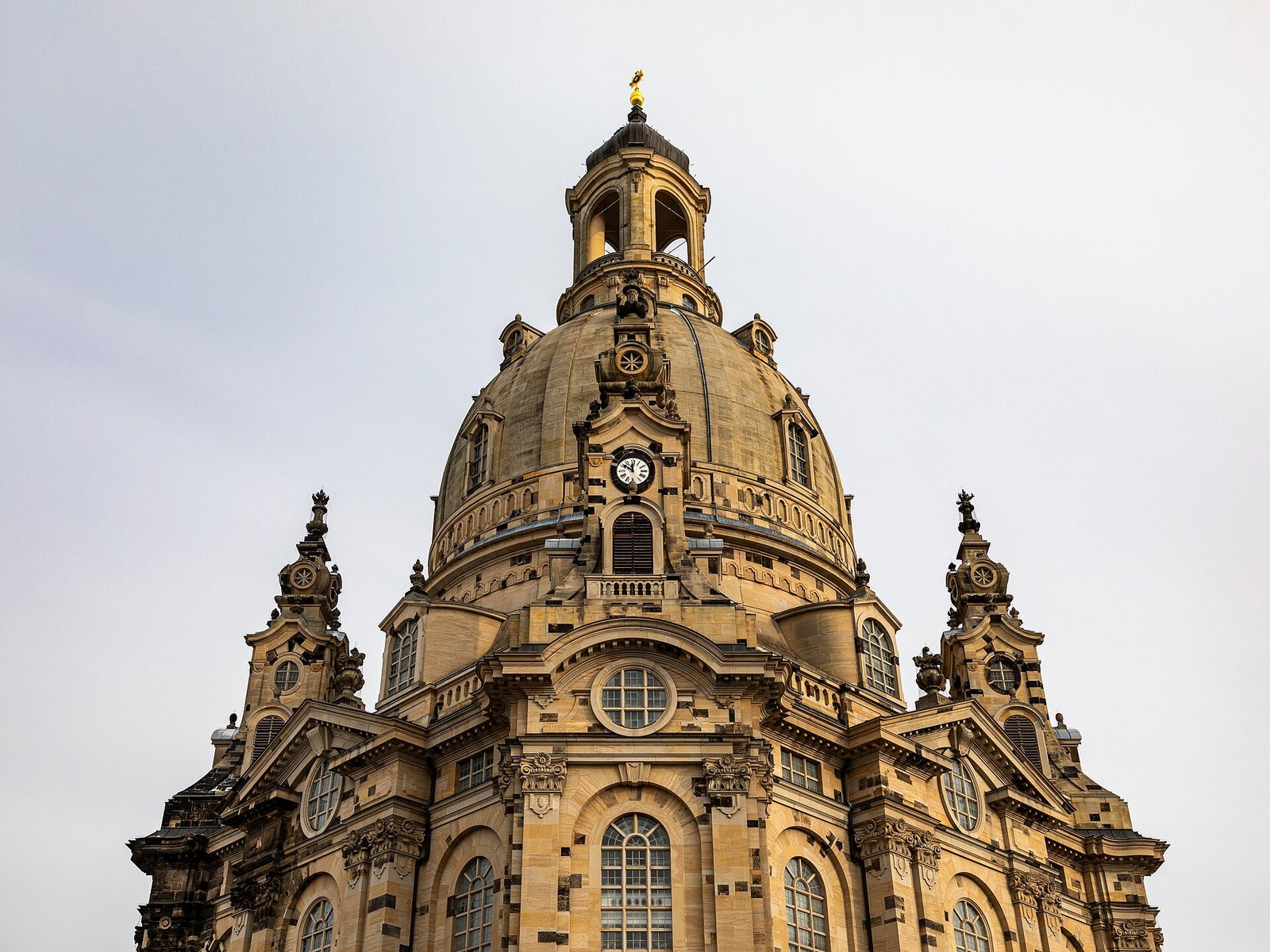
Saxony, eastern Germany
Dresden
Saxony's rebuilt baroque capital on the Elbe, with royal treasures, a creative Neustadt and sandstone mountains nearby.
Read the guidePhoto: Dietmar Rabich, CC BY-SA 4.0, via Wikimedia Commons
A note from our founder
A note from our founder
My first time visiting Kenya, I was genuinely surprised with how fast it began feeling like home. The people are so friendly, the food is delicious and familiar, and the accommodations are modern and upscale.
During my travels throughout the continent, I commonly hear tourists share stories about being scammed or taken advantage of, which is both frustrating and disheartening.
Living in Kenya for the last 2 years, I have had the great fortune to meet a network of wonderful Kenyans who have continuously help guide my family's journey. Their shared knowledge has not only greatly enhanced our overall experience here, but it has also saved us tons of time, energy, and resources.
With BlissPoint Travel, my hope is to build a global community that is willing to share useful, uncommon knowledge so that we can all blissfully enjoy the wonders our world has to offer.
Questions we hear most
Do I need a visa to visit Germany?
Germany is in the Schengen area. Many passport holders can visit visa-free for short stays, but rules depend on your nationality. Check the German Federal Foreign Office and the EU travel pages before you book, including the Entry/Exit System and the planned ETIAS travel authorisation.
How many days do I need in Germany?
A week covers Berlin and Munich, or Berlin with Dresden and Hamburg, at a comfortable pace. Ten to fourteen days lets you add Cologne, the Rhine valley or the Bavarian Alps without rushing.
Is Germany expensive?
Germany is mid-range by Western European standards and cheaper than its neighbours in many ways, especially for groceries and eating out. Munich and trade fair weeks in Frankfurt or Cologne are the priciest times and places.
Is Germany safe for tourists?
Yes, Germany is generally safe. Watch for pickpockets at busy stations, markets and festivals, and follow current government travel advice for your country.
What is the best way to travel around Germany?
Trains. Deutsche Bahn's ICE trains link the big cities, and regional trains, trams and buses reach almost everywhere else. Book long-distance trips early and allow extra time for connections, as delays are common.
Do people speak English in Germany?
German is the language, but English is widely spoken in cities, hotels and among younger people. A friendly Hallo or Guten Tag, and Danke, goes a long way.
Ready to plan your Germany trip?
Use the free trip planner to build a calm, realistic route, or contact us with any question.