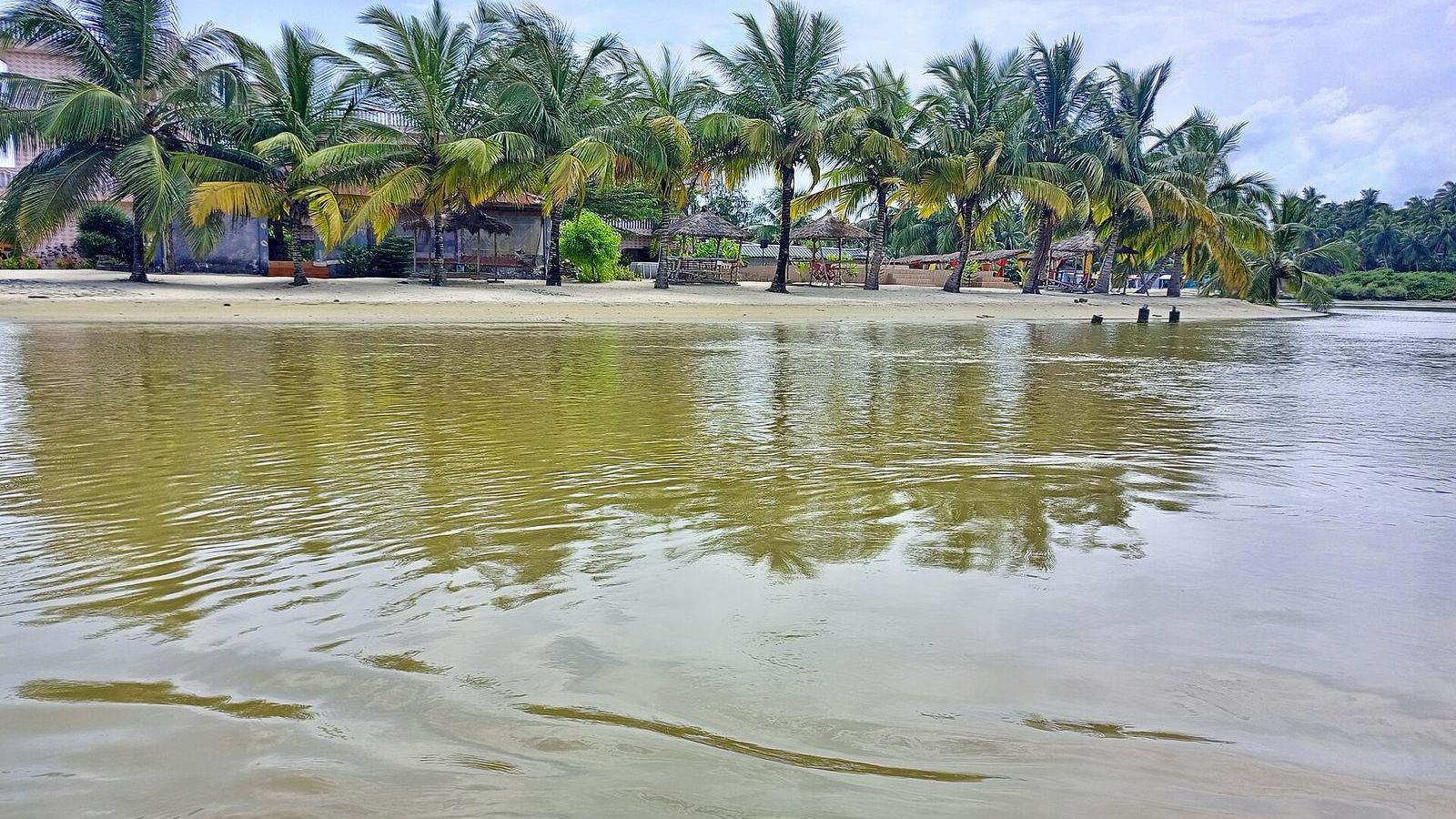
Assinie, Côte d’IvoirePhoto: Dadrik, CC BY-SA 4.0, via Wikimedia Commons
Find your Bliss in Côte d’Ivoire
Côte d’Ivoire, made simple: Abidjan energy and Atlantic beaches, without the worry
Côte d’Ivoire mixes one of Africa’s most exciting cities with palm-lined lagoons, a UNESCO-listed colonial town, a basilica that rivals Rome and the green mountains of the west. This guide takes the guesswork out of entry, money, safety, getting around and costs, so you can plan with confidence and enjoy every day.
Your trip, step by step
- Before you flyeVisa, yellow fever, money and seasons, answered
- LandingAbidjan’s airport and your first hours, explained
- Your days in Côte d’IvoireCity, beaches, heritage and mountains, planned with care
- Home againDeparture tips so the last day is calm too
Where to go, eat and stay
- Plain answersClear, honest guidance on the questions first-timers actually ask.
- Official sourcesEntry, health and safety facts point you to the official pages to confirm.
- No price surprisesWe explain what costs more and what costs less, so your budget holds.
- Free to useEvery guide and the trip planner are free.
Our promise
Côte d’Ivoire should feel exciting, not stressful. We answer the worries before they start, so you arrive confident and ready to find your Bliss.
First time in West Africa, or coming home to see family in Abidjan or the village? This guide was written with you in mind.
How to use this guide
Four steps from first idea to a trip that feels easy.
- Choose your Côte d’IvoireCity life in Abidjan, history in Grand-Bassam, beaches in Assinie or the mountains around Man: start with the destinations.
- Sort the essentialseVisa pre-enrolment, yellow fever certificate, cash and the right season, checked against official sources.
- Pick your placesUse our places to visit list for maquis, markets, art, nature and stays in each area.
- Plan your routeUse the free trip planner to shape your days and how you move between them.
Everything your Côte d’Ivoire trip needs
Free tools and guides for every stage of the journey.
Destinations
Abidjan, Grand-Bassam, Assinie, Yamoussoukro and Man, each explained in depth.
Explore destinationsPlaces to visit
More than a hundred maquis, markets, galleries, beaches and stays, from classics to hidden corners.
See places to visitFlights and stays
Search flights into Abidjan and stays in each area.
Plan travelPlaces finder
Restaurants, sights and stays mapped around each base.
Find placesFree trip planner
Tell us your dates and interests and build a route that fits.
Plan your trip
The classic Ivorian trip
Abidjan, lagoons and the Atlantic coast
A first trip usually pairs a few days in Abidjan, with its Plateau skyline, Cocody art spaces and Zone 4 restaurants, with the old colonial quarter of Grand-Bassam and the beaches of Assinie. Add a day in Yamoussoukro for the Basilica, or head west to the waterfalls and vine bridges around Man.
- Abidjan’s Plateau, Treichville markets and Yopougon nights
- Grand-Bassam’s UNESCO-listed Quartier France
- Assinie’s beaches between lagoon and ocean
- The Basilica of Our Lady of Peace in Yamoussoukro
Start with the destinations
See how Abidjan, Grand-Bassam, Assinie, Yamoussoukro and Man fit together.
Côte d’Ivoire destinationsPlan with confidence
Your route, without the worry
The south and centre are where visitors spend their time, while government travel advice warns against the far north near the borders with Mali and Burkina Faso. Our free planner helps you build a realistic route through the areas visitors can enjoy.
- Realistic travel times
- The right season for your plans
- Where to base yourself
Where to go in Côte d’Ivoire
From Abidjan’s lagoon skyline to the forested mountains of the west.
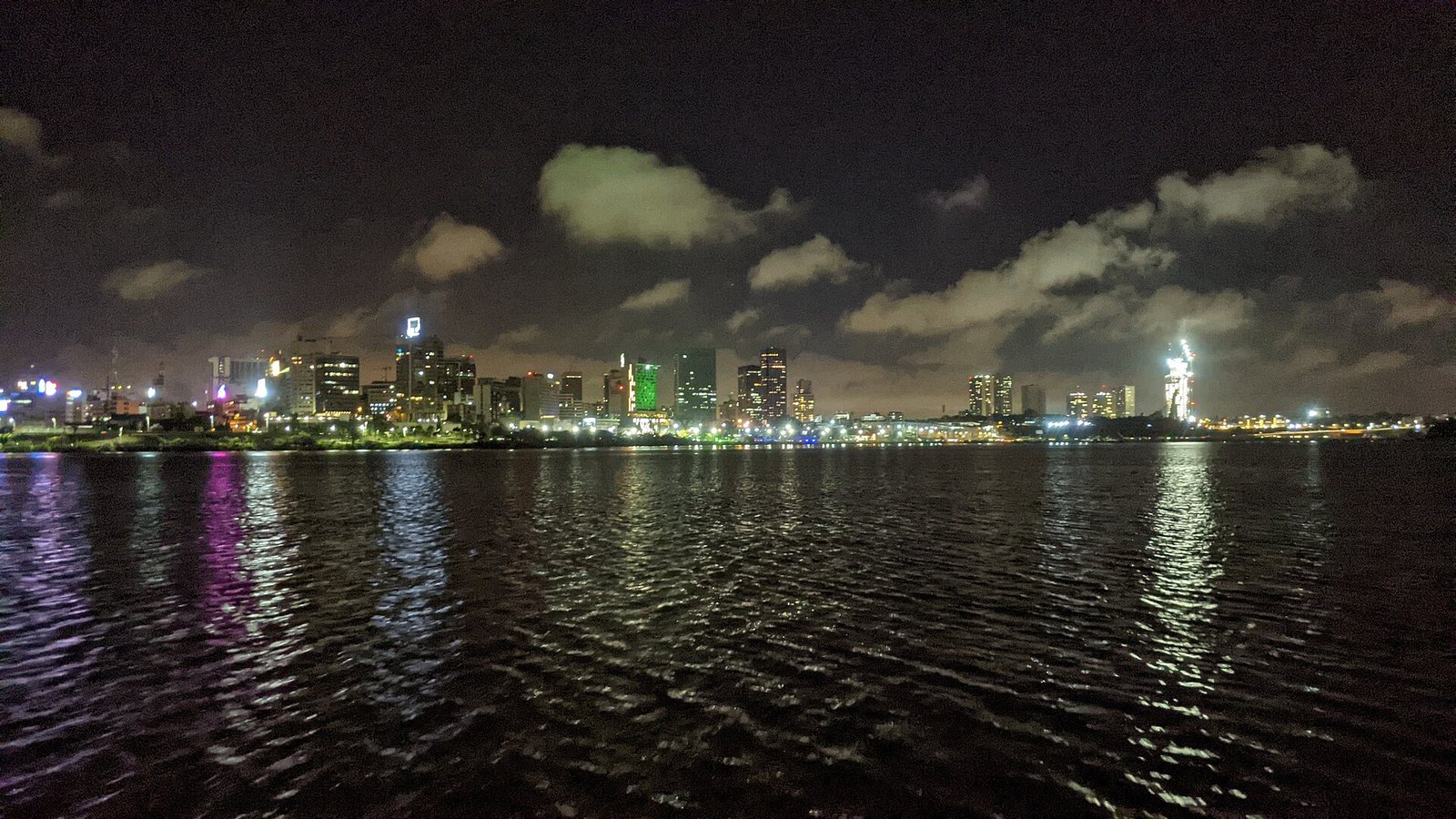
Abidjan Autonomous District
Abidjan
The lagoon city of glass towers, galleries, maquis and the best nightlife in French-speaking Africa.
Read the guidePhoto: Hermannkass, CC BY-SA 4.0, via Wikimedia Commons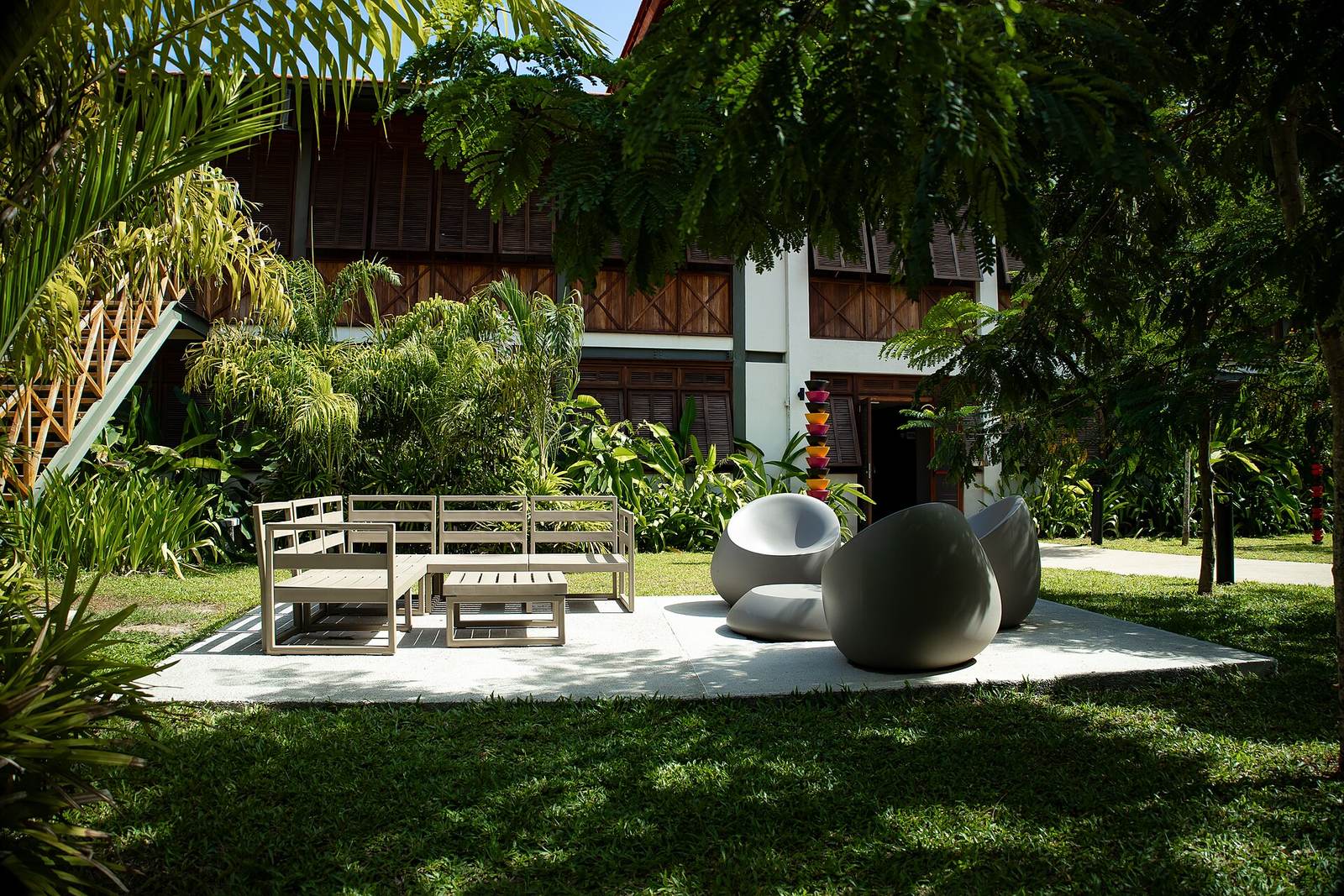
Sud-Comoé region
Grand-Bassam
A UNESCO-listed colonial town of faded mansions, beaches and the Abissa festival, close to Abidjan.
Read the guidePhoto: MaileyBoa, CC BY 4.0, via Wikimedia Commons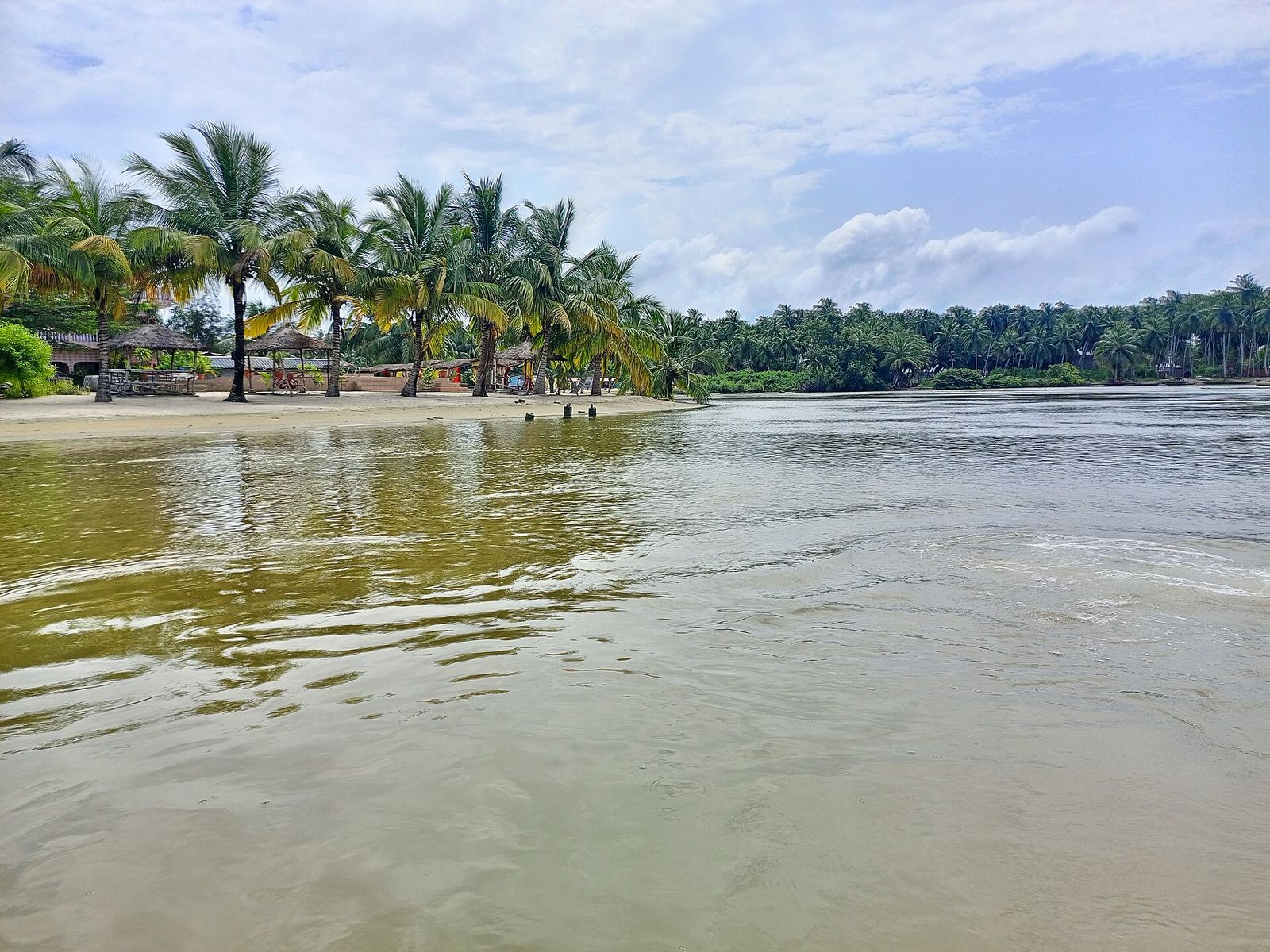
Sud-Comoé region
Assinie
A long sandbar between a calm lagoon and the Atlantic, Côte d’Ivoire’s favourite beach escape.
Read the guidePhoto: Dadrik, CC BY-SA 4.0, via Wikimedia Commons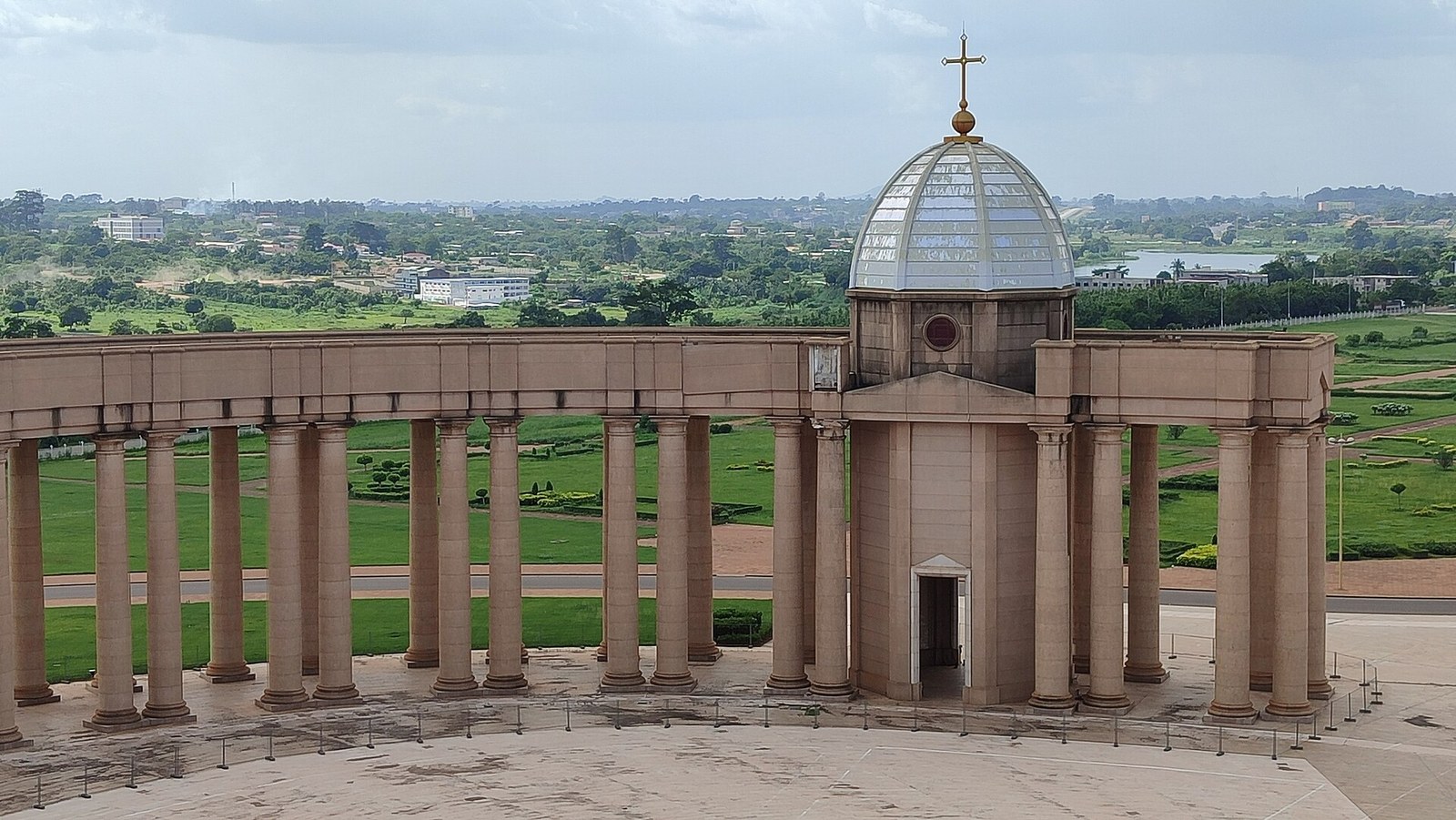
Yamoussoukro Autonomous District
Yamoussoukro
The official capital, with one of the world’s largest churches, sacred crocodiles and grand boulevards.
Read the guidePhoto: Didierwiki, CC0, via Wikimedia Commons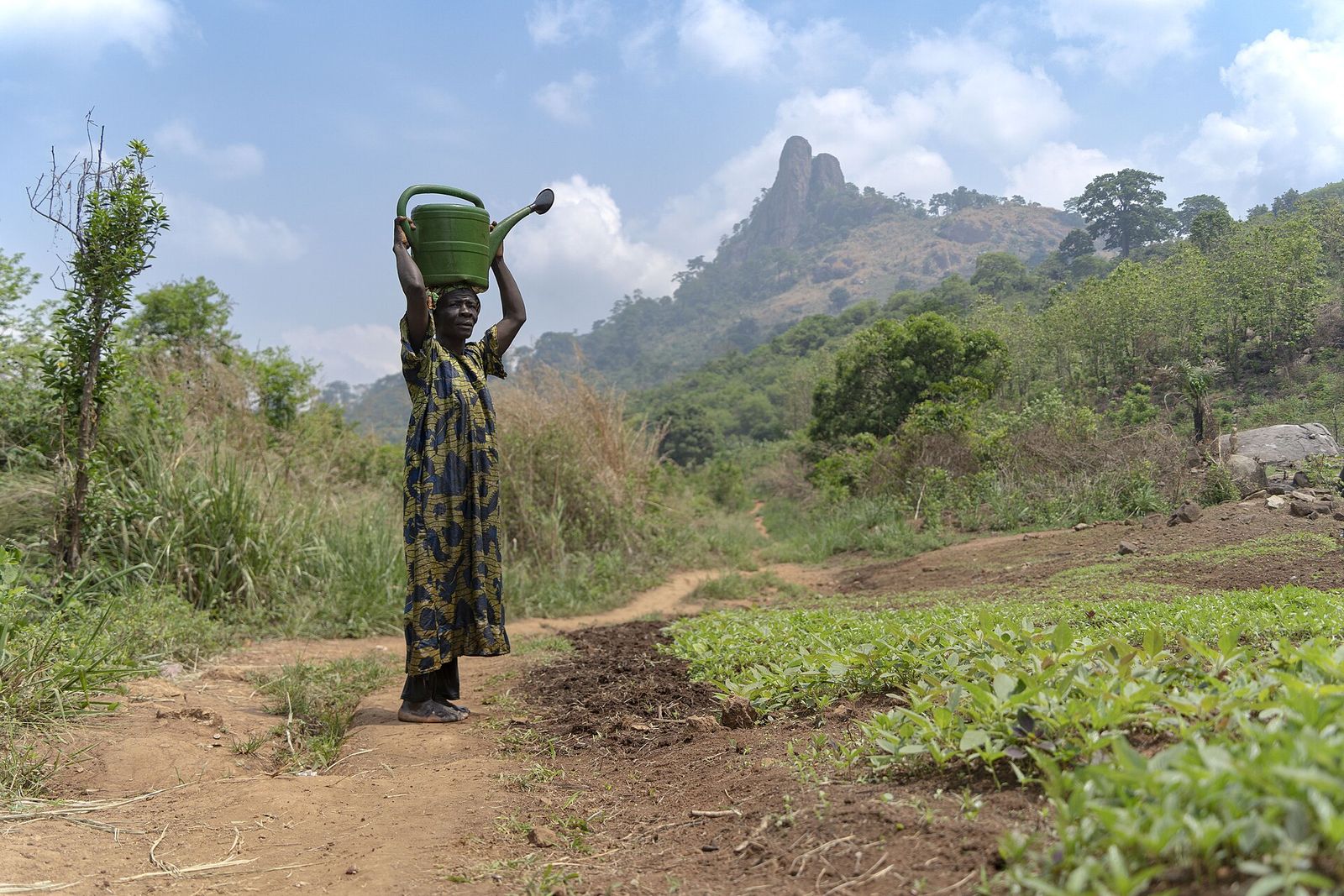
Tonkpi region
Man
The green mountain town of the west, with hikes, waterfalls, vine bridges and Dan mask traditions.
Read the guidePhoto: FBilula, CC BY-SA 4.0, via Wikimedia Commons
A note from our founder
A note from our founder
My first time visiting Kenya, I was genuinely surprised with how fast it began feeling like home. The people are so friendly, the food is delicious and familiar, and the accommodations are modern and upscale.
During my travels throughout the continent, I commonly hear tourists share stories about being scammed or taken advantage of, which is both frustrating and disheartening.
Living in Kenya for the last 2 years, I have had the great fortune to meet a network of wonderful Kenyans who have continuously help guide my family's journey. Their shared knowledge has not only greatly enhanced our overall experience here, but it has also saved us tons of time, energy, and resources.
With BlissPoint Travel, my hope is to build a global community that is willing to share useful, uncommon knowledge so that we can all blissfully enjoy the wonders our world has to offer.
Questions we hear most
Is Côte d’Ivoire safe for visitors?
Most visits to Abidjan, Grand-Bassam, Assinie, Yamoussoukro and the west pass without trouble. Government travel advice warns against the far north near the borders with Mali and Burkina Faso. Read your government’s current advice before booking and take normal care against petty theft and scams in Abidjan.
Do I need a visa for Côte d’Ivoire?
Most visitors from outside West Africa need a visa, usually arranged through the official eVisa pre-enrolment online and collected on arrival at Abidjan airport. ECOWAS citizens generally enter without one. Rules vary by passport, so check the official eVisa site and your nearest Ivorian embassy before you book.
What currency is used in Côte d’Ivoire?
The West African CFA franc (XOF), shared with seven other countries and pegged to the euro. Cards work in larger hotels, malls and some restaurants in Abidjan, but cash rules everywhere else, so plan on ATMs in the city.
What language is spoken?
French is the official language and the one you will use with taxi drivers, hotels and shops. Dozens of local languages are spoken, and Abidjan has its own lively street slang, Nouchi. A few French phrases go a long way.
When is the best time to visit?
December to February is the most comfortable and popular time, with drier weather on the coast. The long rains fall roughly May to July, and a shorter rainy spell comes around October and November.
How many days do I need?
A week covers Abidjan, Grand-Bassam and a couple of beach days in Assinie. With ten days to two weeks you can add Yamoussoukro and the mountains around Man.
Ready to plan your Côte d’Ivoire trip?
Use the free trip planner to shape your route, or contact us with a question.