At a glance
- Best for
- Food, music, art and nightlife
- Gateway
- Félix Houphouët-Boigny International Airport (ABJ)
- Time needed
- Three to four nights
- Best season
- December to February, the drier months
- Getting around
- Taxis, ride apps, woro-woro and lagoon boats
- Language
- French, plus Nouchi street slang
Why Abidjan is worth your time
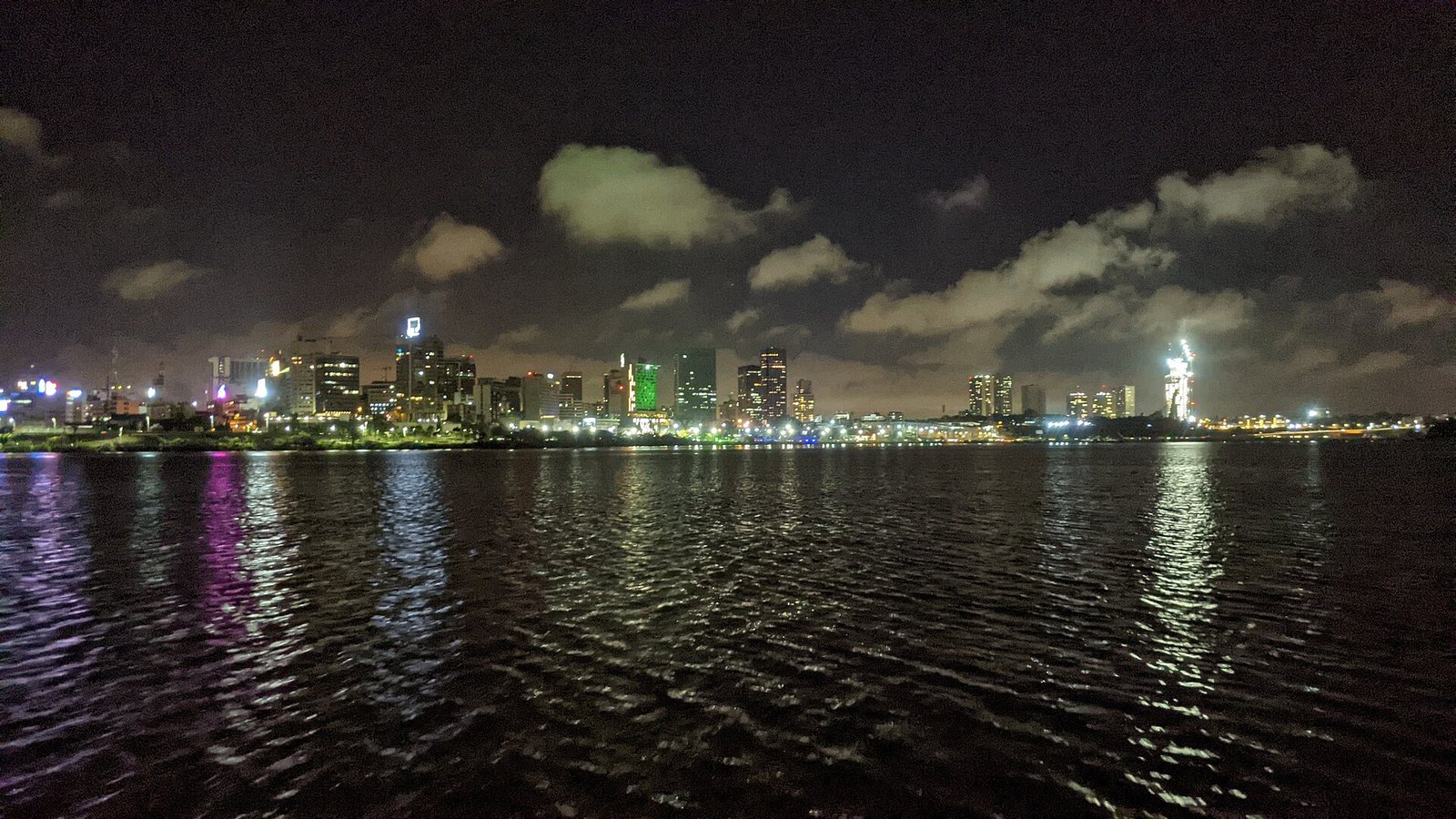
People once called Abidjan the Paris of West Africa, and the confidence is still there. Since the end of the political crisis in 2011 the city has boomed: new bridges, malls and hotels have gone up, and the 2024 Africa Cup of Nations, which the home team won, gave it a fresh shine. It is busy, humid and sometimes congested, but also stylish, friendly and full of things to do. Think of it as the country’s showcase of food, fashion and coupé-décalé music.
The neighbourhoods, explained
Abidjan is a collection of communes linked by bridges across the lagoon.
- **Plateau** is the business district, a skyline of towers including the pyramid-shaped building and the dramatic Cathédrale Saint-Paul. Museums, ministries and big hotels sit here. It is lively by day and quiet at night.
- **Cocody** is the green, upmarket residential area, home to embassies, the university, the Hôtel Ivoire, art galleries such as Fondation Donwahi and Galerie Cécile Fakhoury, and the districts of Deux Plateaux, Riviera and Angré.
- **Marcory and Zone 4** are where many expats and visitors eat and go out, with restaurants of every cuisine along Rue Paul Langevin and nearby Biétry.
- **Treichville** is older and working class, with a great covered market and the Palais de la Culture by the lagoon.
- **Adjamé** holds the vast market and the main bus stations, intense and fascinating.
- **Yopougon**, or Yop, is the huge western district famous for its nightlife and the Rue Princesse.
- **Port-Bouët** is where you land, with the airport and a city beach.
What to do
Start in the Plateau with the cathedral, the Musée des Civilisations and a lagoon crossing on a SOTRA water bus. Spend an afternoon in Cocody galleries, then walk the edges of Banco National Park, a slice of rainforest inside the city where the fanicos still wash laundry by hand in the river. Shop for wax print fabric in Treichville and have a tailor make something in a few days. Take a boat to Île Boulay or the lagoon islands near the Baie des Milliardaires, and visit the botanical garden in Bingerville, the former colonial capital just east of the city. In spring, check the dates of FEMUA, the urban music festival in Anoumabo founded by Magic System.
Food and nights out
Abidjan is a joy for eaters. Try attiéké with grilled fish, alloco fried plantain with chilli, kedjenou chicken stew and garba, the cheap and filling tuna and attiéké street dish. The open-air maquis are the soul of the city: plastic chairs, cold drinks, grilled fish and music. For something smarter, Zone 4 and Riviera have excellent restaurants and rooftop bars. Nights start late and go on until morning, especially at weekends in Yopougon and Marcory.
Where to stay
Stay in the Plateau for business and museums, Cocody for calm streets and the Hôtel Ivoire, or Marcory and Zone 4 to be close to restaurants and the airport. Budget guesthouses exist across the city but quality varies, so read recent reviews and choose somewhere with a generator and air conditioning.
Staying safe
Most visits pass without trouble. Petty theft and phone snatching happen in crowded markets, bus stations and on bridges, so keep phones out of sight in traffic and avoid walking alone at night. Use ride-hailing apps or taxis arranged by your hotel after dark. Do not swim at Port-Bouët or other open Atlantic beaches beyond your knees: the currents are powerful and drownings happen every year.
Questions about Abidjan
How many days should I spend in Abidjan?
Three or four nights covers the Plateau, Cocody galleries, Banco forest, a market, a lagoon trip and a night out, with time left for a day trip to Grand-Bassam.
Is Abidjan safe for tourists?
Most visits pass without trouble. Take normal city care: watch for pickpockets and phone snatchers in markets and traffic, use ride apps or hotel taxis at night, and keep valuables out of sight.
Which area is best to stay in?
Plateau suits business and sightseeing, Cocody is green and calm, and Marcory or Zone 4 put you close to restaurants, nightlife and the airport.
Can I swim at Abidjan’s beaches?
Be very careful. The Atlantic here has strong rip currents. Stick to pools or the calm lagoon side at places like Assinie, and only paddle at the ocean beaches.
Facts checked . Fees, schedules and entry rules change, so always confirm the latest with the official source.