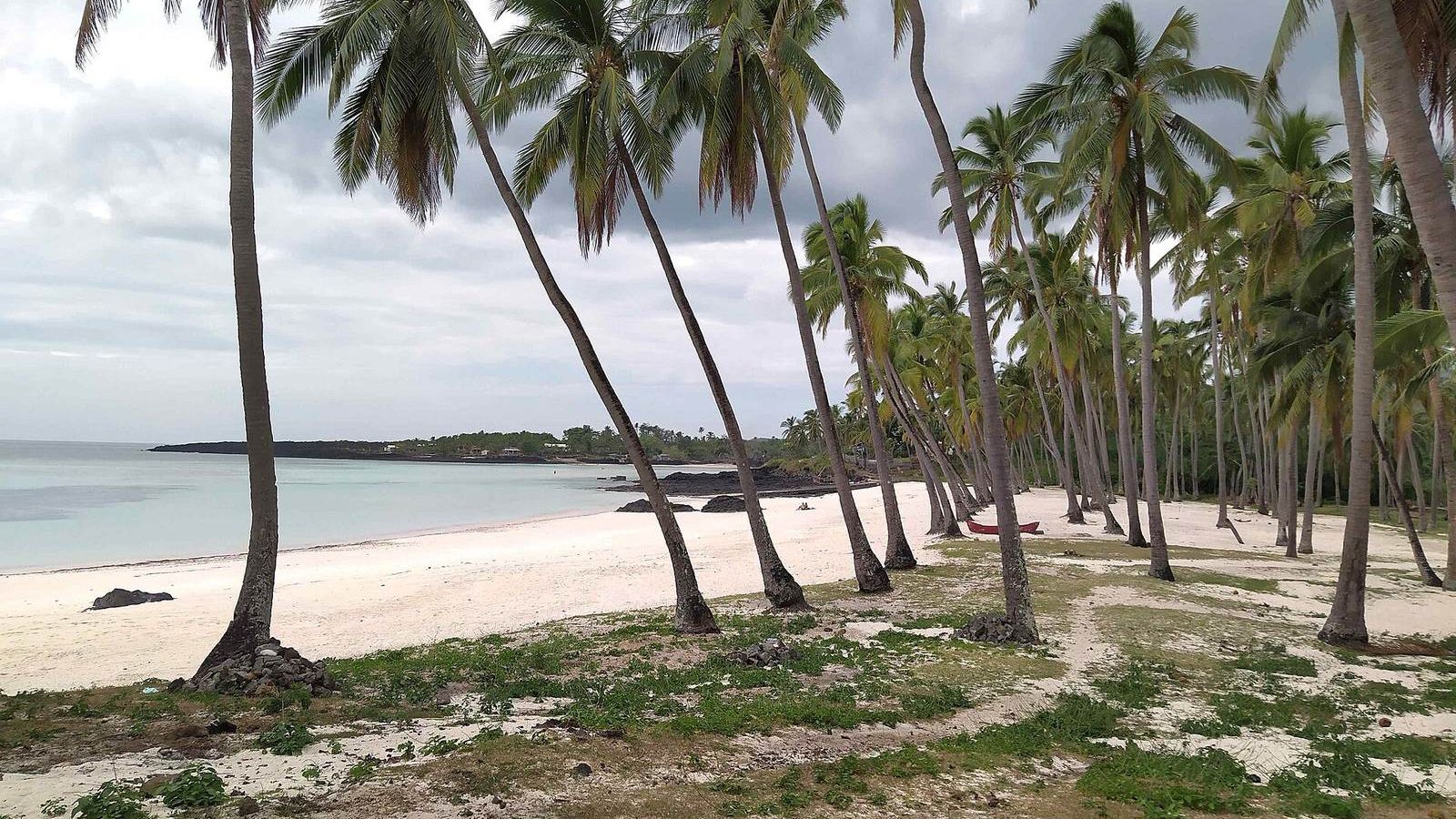
Mitsamiouli beach, Grande Comore, ComorosPhoto: Radosław Botev, CC BY 3.0 pl, via Wikimedia Commons
Find your Bliss in Comoros
Comoros, made simple: the perfume islands, without the worry
The Comoros is a small island nation between Mozambique and Madagascar: three volcanic islands scented with ylang-ylang, vanilla and cloves, with old Swahili towns, an active volcano, quiet black and white sand beaches and turtles nesting on Mohéli. Very few tourists come, so this guide takes the guesswork out of entry, cash, island hopping and seasons before you go.
Your trip, step by step
- Before you flyEntry rules, cash in euros, health and seasons, answered
- LandingMoroni's airport at Hahaya and the first hour explained
- Your days on the islandsMoroni, Karthala, Anjouan and Mohéli, planned with care
- Home againDeparture tips so the last day is calm too
Where to go, eat and stay
- Plain answersClear, honest guidance on the questions first-timers actually ask.
- Official sourcesEntry, health and safety facts point you to the official pages to confirm.
- No price surprisesWe explain what costs more and what costs less, so your budget holds.
- Free to useEvery guide and the trip planner are free.
Our promise
The Comoros should feel like a rare discovery, not a gamble. We answer the tricky questions about cash, inter-island flights and seasons before they start, so you arrive ready to find your Bliss.
Coming from Marseille, Paris, Mayotte or beyond to see family in Ngazidja, Ndzuwani or Mwali? This guide was written with you in mind too.
How to use this guide
Four steps from first idea to a trip that feels easy.
- Choose your islandsMoroni and Grande Comore, the slopes of Karthala, green Anjouan or wild Mohéli: start with the destinations that fit you.
- Sort the essentialsEntry rules, enough cash in euros, malaria advice and the best season, checked against official sources.
- Pick your placesUse our places to visit list for beaches, mosques, markets, hikes, food and stays.
- Plan your routeUse the free trip planner to shape your days and leave slack for island flights that change.
Everything your Comoros trip needs
Free tools and guides for every stage of the journey.
Destinations
Moroni, the north coast, Mount Karthala, Anjouan and Mohéli, each explained in depth.
Explore destinationsPlaces to visit
More than a hundred beaches, mosques, markets, hikes, cafés and stays, from classics to hidden corners.
See places to visitFlights and stays
Search flights into Moroni and stays across the three islands.
Plan travelPlaces finder
Restaurants, sights and stays mapped around each base.
Find placesFree trip planner
Tell us your dates and interests and build a route that fits.
Plan your trip
The classic Comoros trip
Three islands, three moods
Most first trips start in Moroni on Grande Comore, with its old medina, Friday Mosque and lava coast, then head north to the white beaches around Mitsamiouli or up Mount Karthala. With more time, short flights or boats reach steep, green Anjouan and its citadel town of Mutsamudu, and tiny Mohéli, a marine park where turtles nest and whales pass in season.
- Moroni's medina and waterfront
- Mount Karthala, one of the world's largest active volcano craters
- Ylang-ylang distilleries and waterfalls on Anjouan
- Turtles and whales in Mohéli National Park
Start with the destinations
See how Grande Comore, Anjouan and Mohéli fit together.
Comoros destinationsPlan with confidence
Your route, without the worry
Inter-island flights and boats in the Comoros run on island time, and schedules can change at short notice. Our free planner helps you build a route with buffer days, so a delay never costs you your flight home.
- Realistic island hopping
- The right season for your plans
- Where to base yourself
Where to go in the Comoros
From Moroni's old medina to the volcano, the perfume island and the turtle beaches of Mohéli.
Grande Comore (Ngazidja)
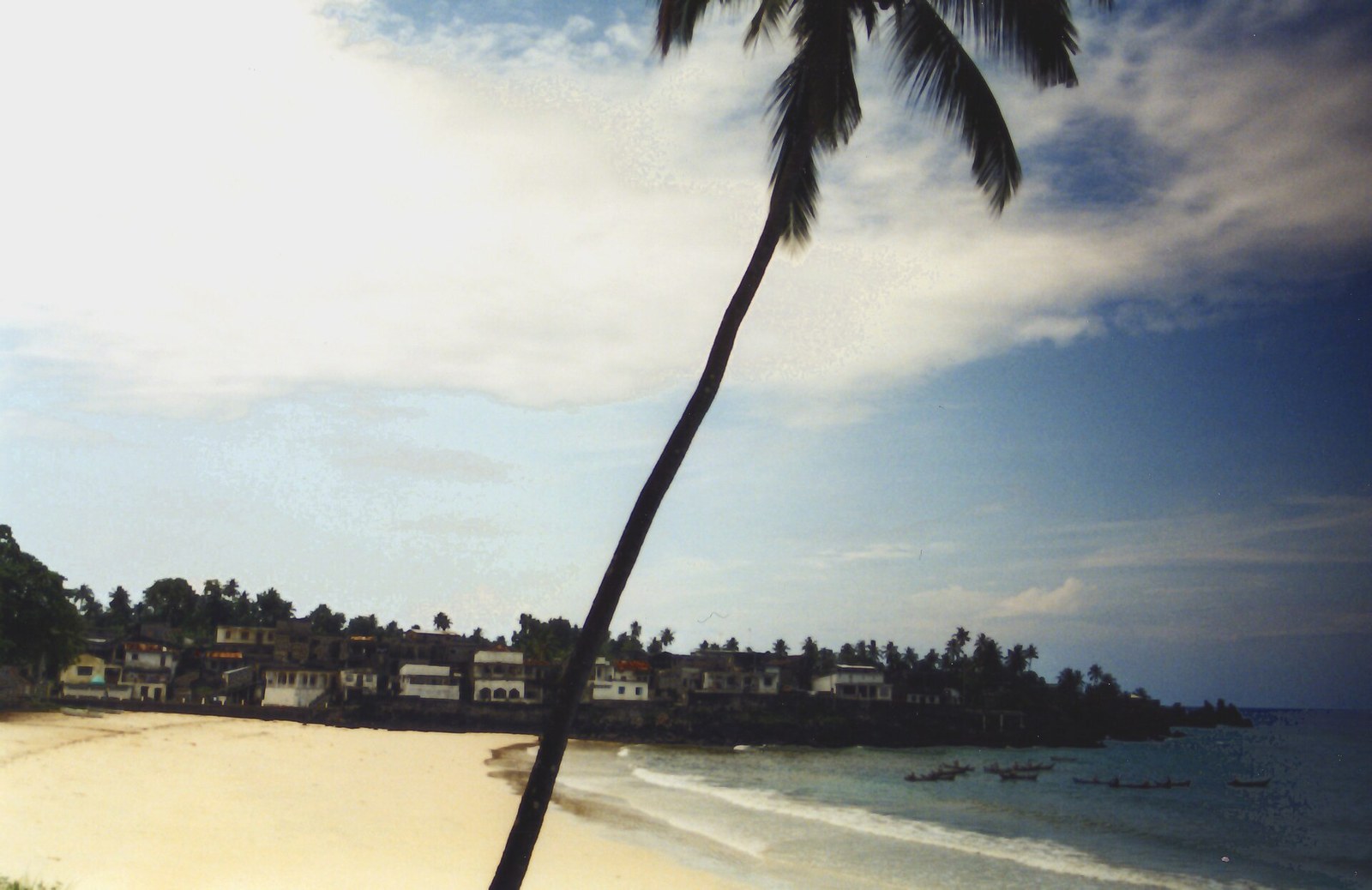
Moroni
The small, sea-facing capital with a whitewashed medina, a famous mosque and a lively market.
Read the guidePhoto: TheLizardQueen, CC BY 2.0, via Wikimedia Commons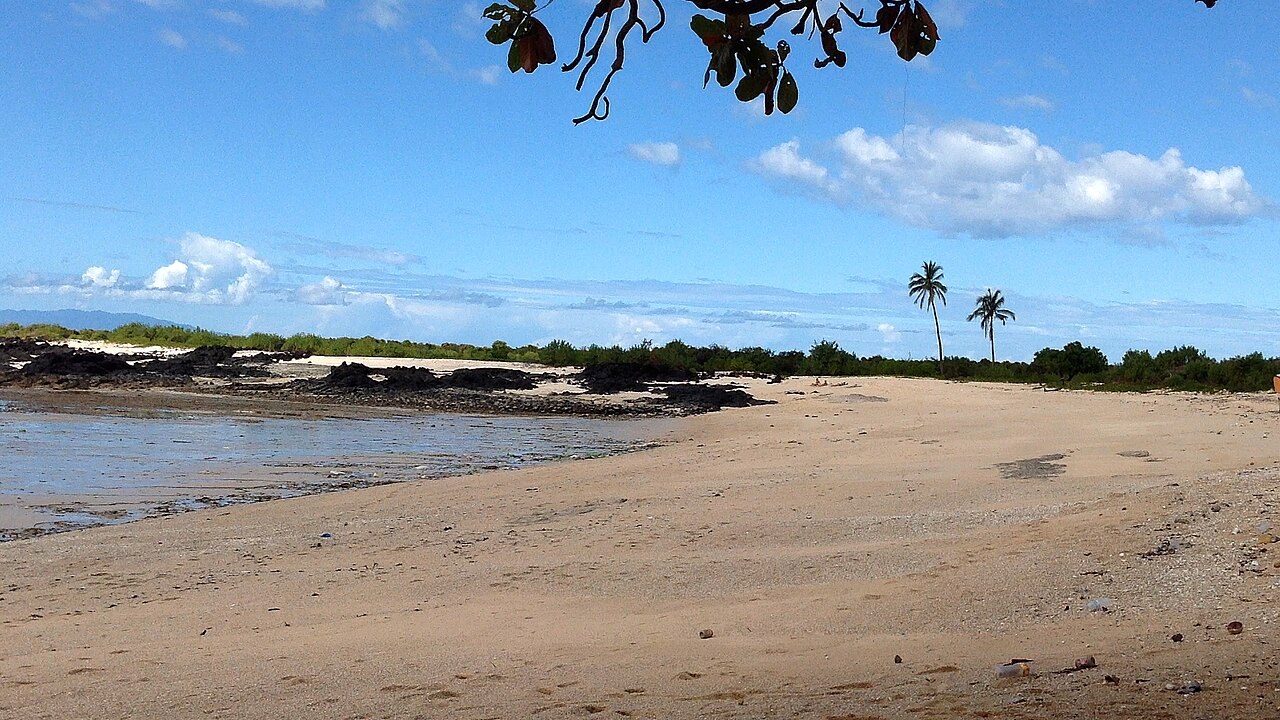
Grande Comore (Ngazidja)
North coast of Grande Comore
White sand coves, a crater lake and black lava headlands, an easy trip from Moroni.
Read the guidePhoto: Ikissai, CC BY-SA 4.0, via Wikimedia Commons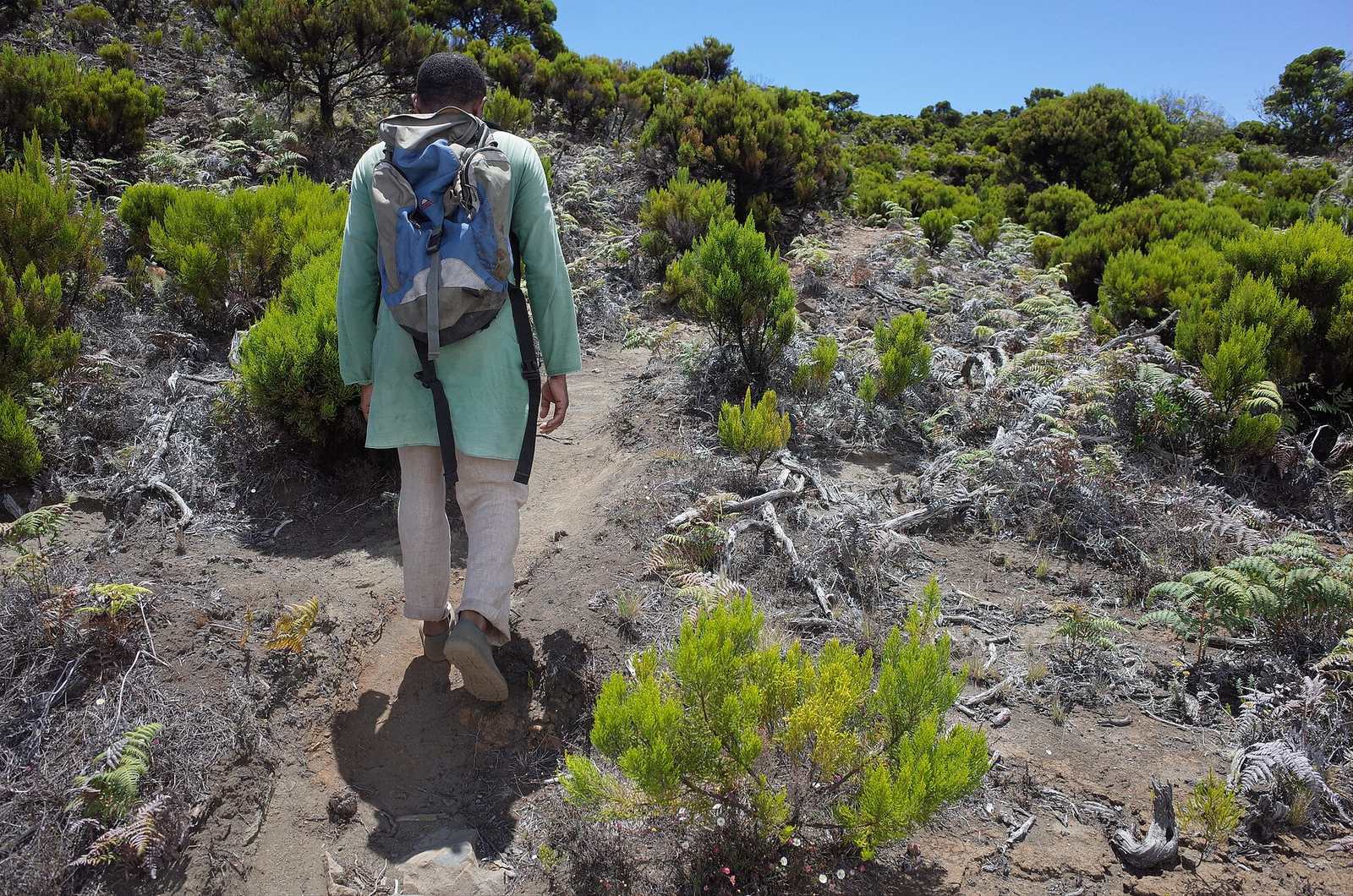
Grande Comore (Ngazidja)
Mount Karthala
A tough two-day hike through cloud forest to one of the world's largest active volcanic craters.
Read the guidePhoto: Rokaso, CC BY-SA 4.0, via Wikimedia Commons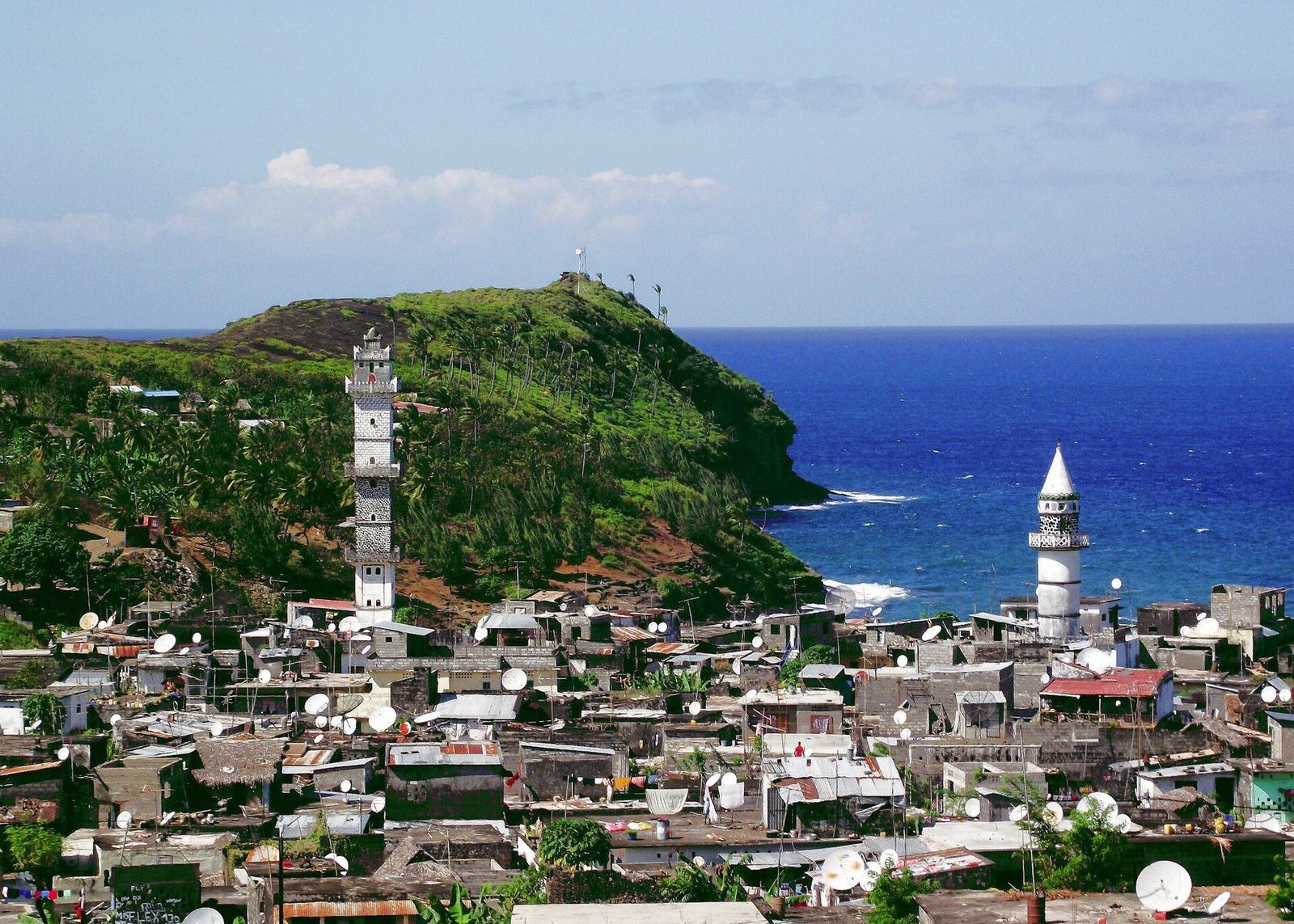
Anjouan (Ndzuwani)
Anjouan
Steep green mountains, waterfalls, ylang-ylang and two of the finest old towns in the islands.
Read the guidePhoto: Haryamouji, CC BY-SA 3.0, via Wikimedia Commons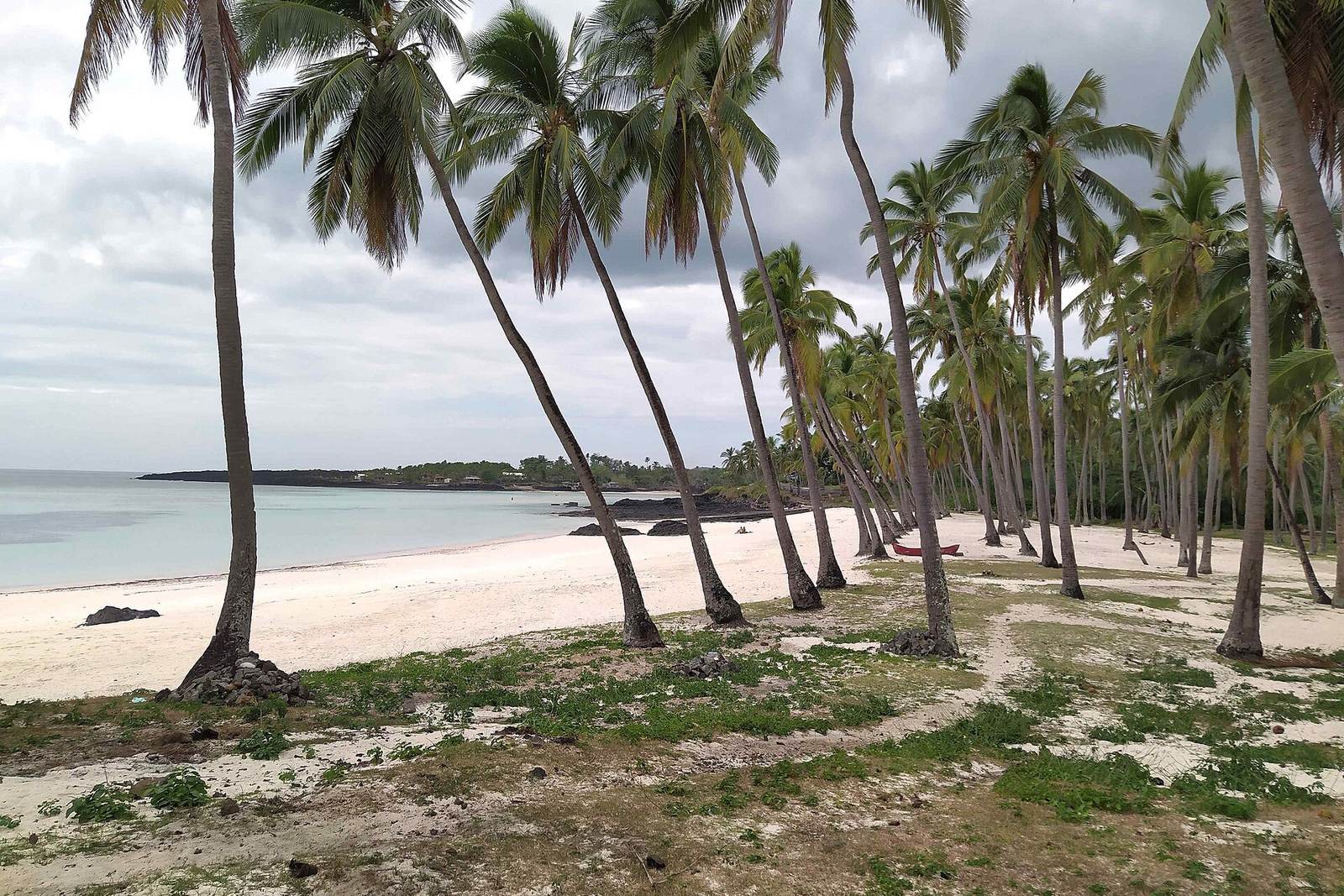
Mohéli (Mwali)
Mohéli
The smallest, wildest island, with nesting turtles, humpback whales and empty islets.
Read the guidePhoto: Radosław Botev, CC BY 3.0 pl, via Wikimedia Commons
A note from our founder
A note from our founder
My first time visiting Kenya, I was genuinely surprised with how fast it began feeling like home. The people are so friendly, the food is delicious and familiar, and the accommodations are modern and upscale.
During my travels throughout the continent, I commonly hear tourists share stories about being scammed or taken advantage of, which is both frustrating and disheartening.
Living in Kenya for the last 2 years, I have had the great fortune to meet a network of wonderful Kenyans who have continuously help guide my family's journey. Their shared knowledge has not only greatly enhanced our overall experience here, but it has also saved us tons of time, energy, and resources.
With BlissPoint Travel, my hope is to build a global community that is willing to share useful, uncommon knowledge so that we can all blissfully enjoy the wonders our world has to offer.
Questions we hear most
Is the Comoros worth visiting?
Yes, if you enjoy places few travellers reach. You get volcanic scenery, empty beaches, old stone towns, warm hospitality and nesting turtles, but tourism infrastructure is thin, so patience and flexible plans matter.
Do I need a visa for the Comoros?
Most visitors need a visa, which has usually been issued on arrival at the airport. Rules can change and vary by passport, so check with a Comoros embassy and your own government's travel advice before you fly.
What currency is used in the Comoros?
The Comorian franc, which is pegged to the euro. Euros in cash are widely accepted and easy to exchange, while cards and ATMs are limited, so bring enough cash.
What language do people speak?
Comorian (Shikomori) is the everyday language, with French and Arabic as official languages. A little French goes a long way; English is not widely spoken.
When is the best time to go?
The cooler, drier season from May to October is the most comfortable. November to April is hotter and wetter, with a risk of cyclones, but is when turtles nest in larger numbers on Mohéli.
Is the Comoros safe for tourists?
Crime against visitors is generally low, but there are risks around political protests, unregulated boats and limited medical care. Read your government's current travel advice before you go.
Ready to find your Bliss in the Comoros?
Use the free trip planner to turn ideas into a route that fits your dates and budget.