At a glance
- Best for
- Old towns, waterfalls, hiking and ylang-ylang
- Main town
- Mutsamudu
- Time needed
- Three to four days
- Airport
- Ouani, near Mutsamudu
- Getting there
- Short flight or boat from Grande Comore or Mohéli
- Best season
- May to October
Why Anjouan is special
For many travellers Anjouan is the highlight of the Comoros. It feels busier and more crowded than Mohéli, yet greener and wilder than Grande Comore. Roads wind over high passes with views of terraced hillsides, and almost every valley has a river or waterfall. The island's history as a powerful sultanate shows in its stone palaces, mosques and fortifications.
Mutsamudu
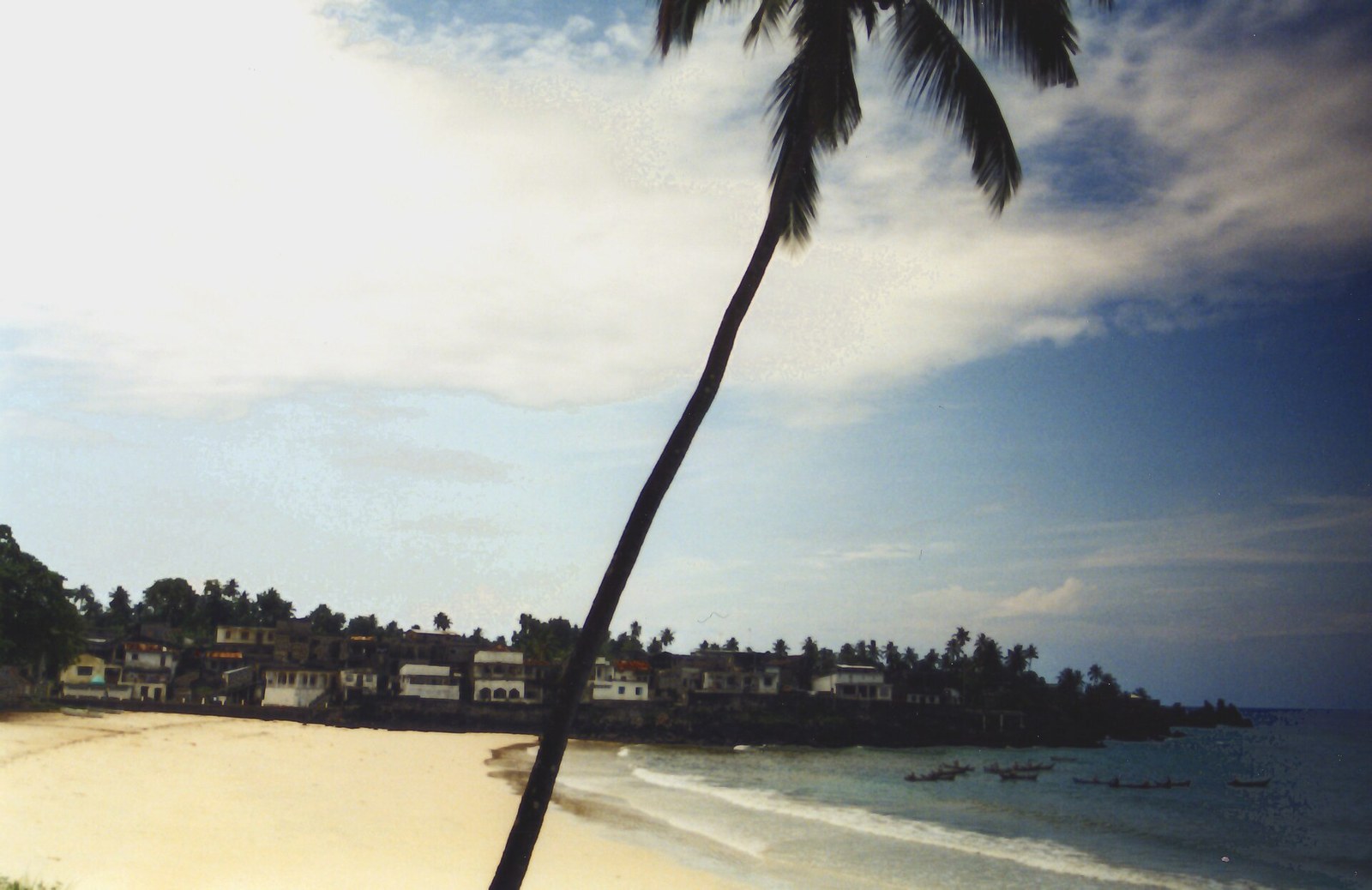
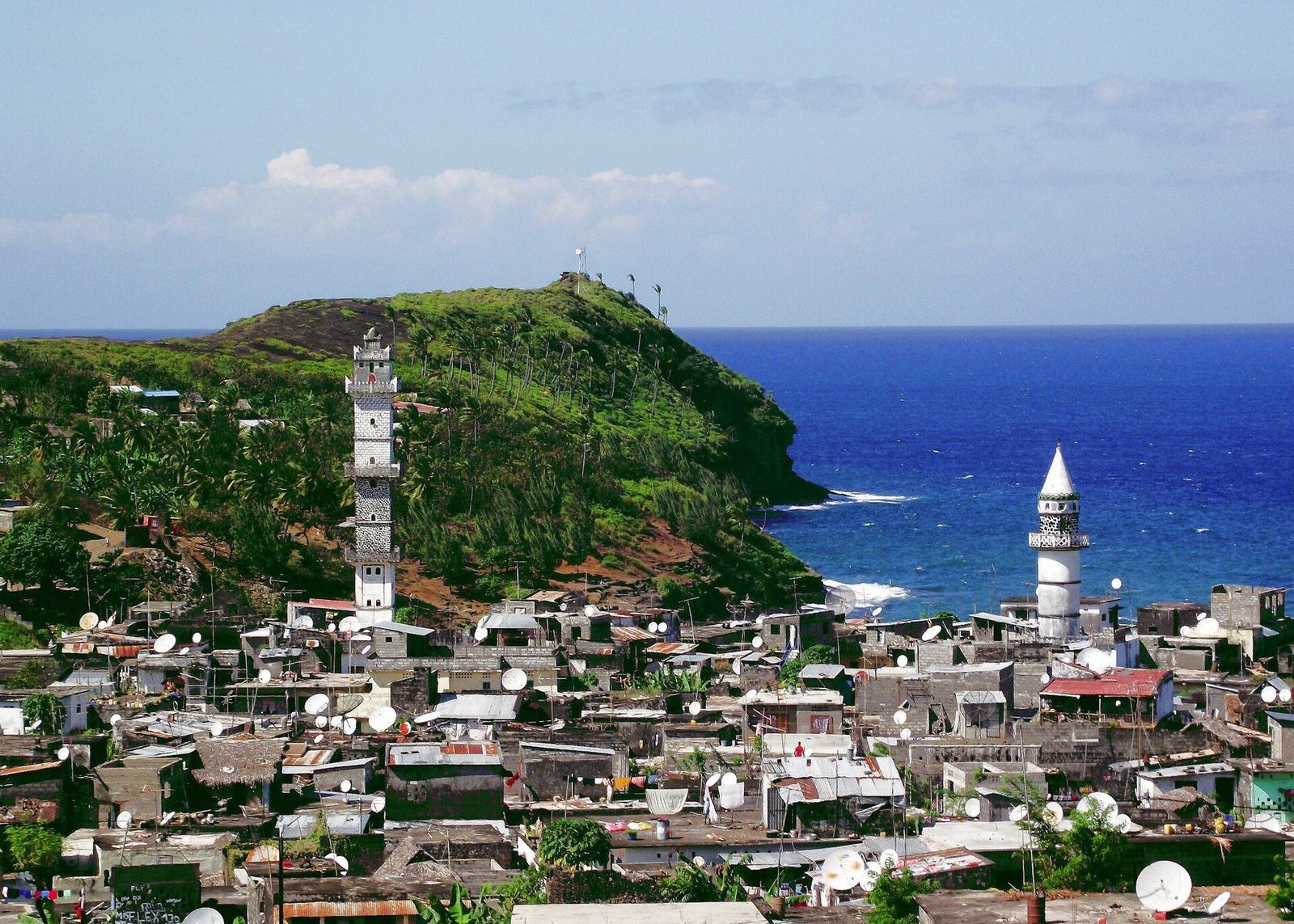
The island's capital sits on the northwest coast around a busy harbour. Above the town, the citadel built by the sultans looks out over the rooftops and the sea, and the climb is worth it for the view. Below it, the old medina is a tangle of alleys barely wider than your shoulders, with carved doors, small mosques and houses built of coral stone. Life here is lively: the port, the market and the waterfront are where much of Anjouan meets.
Domoni
On the east coast, Domoni is one of the oldest towns in the Comoros and the home town of many notable Comorian families. Its medina is quieter than Mutsamudu, with fine old stone houses, tombs and mosques. It is a good place to wander slowly and to see traditional craft work, such as wood carving.
Ylang-ylang and spices
Anjouan is one of the world's main sources of ylang-ylang, the yellow flower used in fine perfumes. Small distilleries, some of them simple family operations, turn the petals into essential oil in large stills, especially in the area around Bambao and along the coast. Ask your guesthouse whether a visit can be arranged. You will also see cloves drying on mats beside the road and vanilla vines climbing trees.
Waterfalls, lakes and forest
- **Lake Dzialandzé:** a crater lake high in the mountains, reached by a walk through forest, with a chance of seeing Livingstone's fruit bat, one of the world's largest and rarest bats.
- **Dziancoundré waterfall:** a tall waterfall dropping towards the sea in the southeast, impressive after rain.
- **Mount Ntingui:** the island's highest peak, a steep hike best done with a guide.
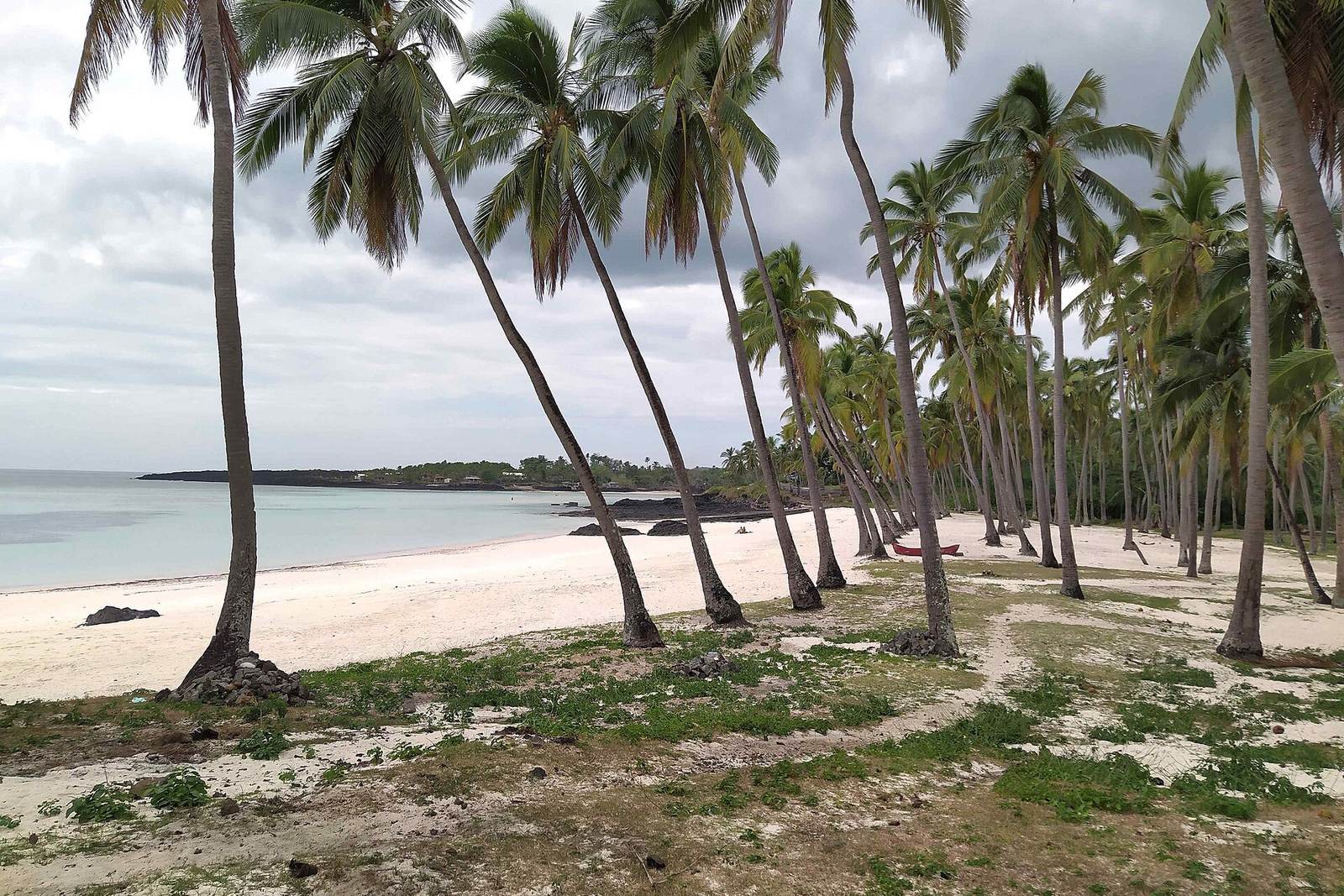
- **Moya:** a sandy beach on the southwest coast, one of the best for swimming on the island.
Bambao Palace
The old sultan's palace at Bambao Mtsanga, on the east coast, is a reminder of Anjouan's royal past. Its condition varies, and access may depend on whoever holds the key, so ask locally.
Getting there and around
Anjouan's airport is at Ouani, a short ride from Mutsamudu. Small domestic airlines link it with Moroni and Mohéli, and boats also cross between the islands, though safety standards on some vessels are poor, so choose established operators and avoid overloaded boats. On the island, shared taxis connect the main towns, and hiring a taxi with driver is the easiest way to see the sights in a day or two.
Where to stay
Mutsamudu and the coast nearby have a small choice of hotels and guesthouses, mostly simple. Book ahead in the wedding season and confirm a few days before arrival.
Questions about Anjouan
Is Anjouan worth visiting?
Yes, if you have time beyond Grande Comore. Its mountains, waterfalls, ylang-ylang and old towns make it, for many travellers, the most beautiful of the islands.
How do I get from Moroni to Anjouan?
By short domestic flight to Ouani, or by boat. Flights are quicker and generally safer; schedules change often, so confirm the day before.
Can I visit a ylang-ylang distillery?
Often, yes. Small distilleries welcome respectful visitors, especially when introduced by your guesthouse. Production varies with the season.
How many days should I spend on Anjouan?
Three or four days lets you see Mutsamudu and Domoni, visit a distillery and a waterfall, and allow for a delayed flight.
Is Anjouan more conservative than the other islands?
All three islands are Muslim and fairly traditional, and Anjouan's towns are busy and close-knit. Dress modestly, with shoulders and knees covered, ask before taking photos of people, and greet shopkeepers before asking for anything. A few words of French or Comorian, such as a simple greeting, are warmly received.
Facts checked . Fees, schedules and entry rules change, so always confirm the latest with the official source.