At a glance
- Best for
- Beaches, snorkelling and coastal drives
- Main town
- Mitsamiouli
- Time needed
- One to three nights
- From Moroni
- About an hour by road
- Best season
- May to October
- Getting there
- Shared taxi or a hired taxi with driver
Why go north
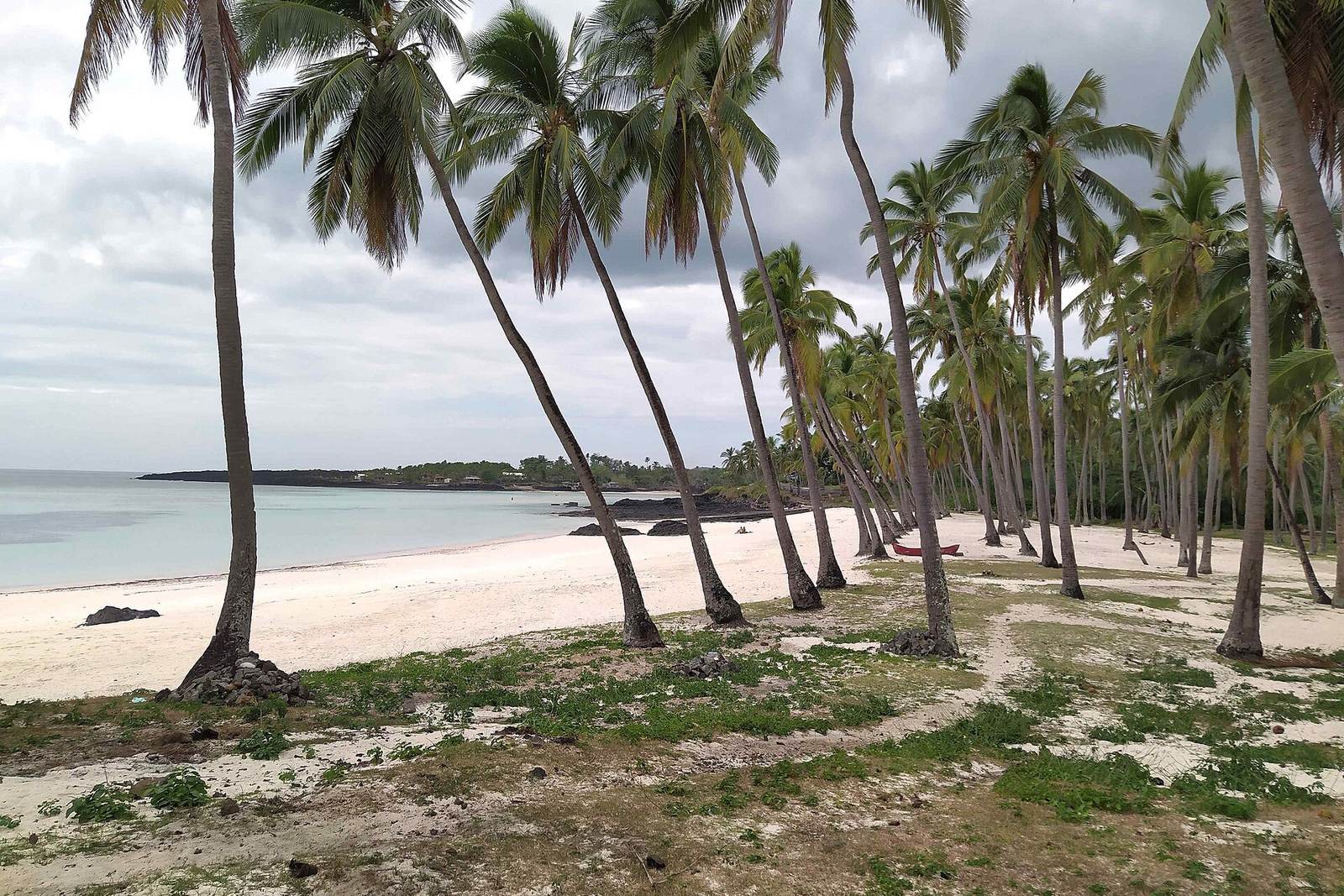
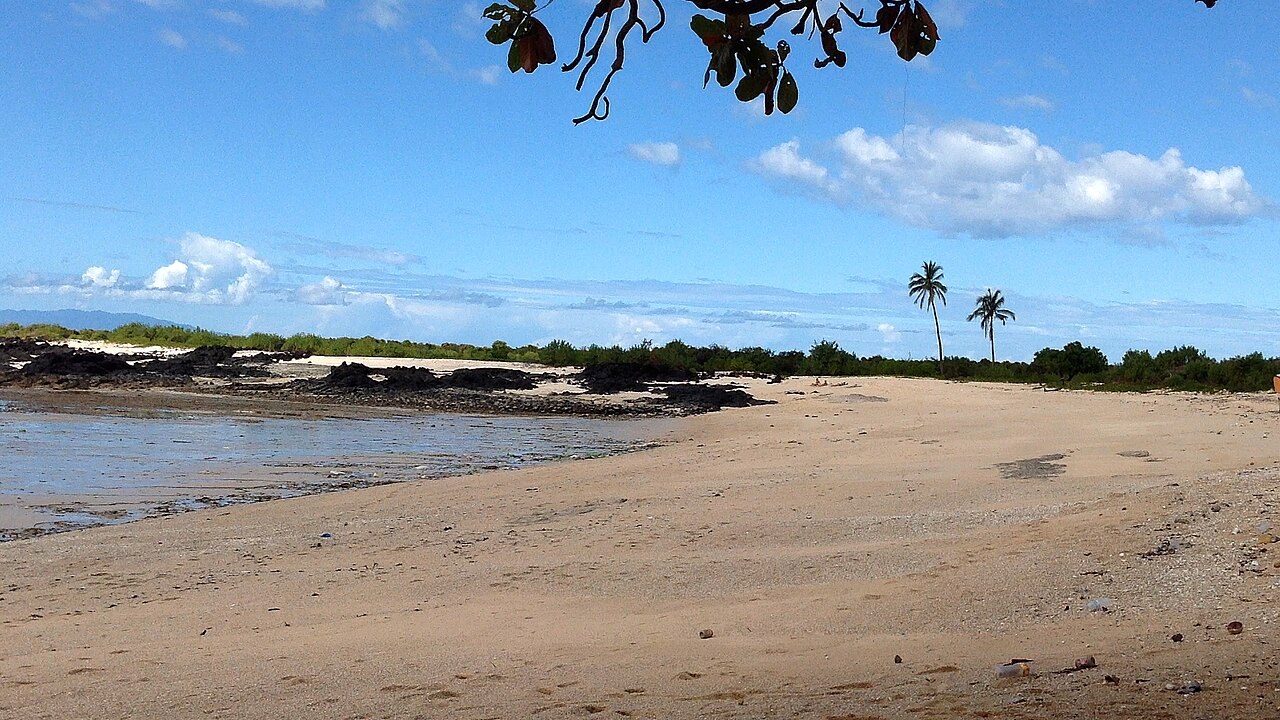
Grande Comore is a young volcanic island, and much of its coastline is sharp black rock. The north is the exception, with a string of sandy coves that are the classic Comorian beach picture. The contrast is striking: white sand, dark lava headlands, deep blue water and coconut palms, often with nobody else around on a weekday.
The beaches
- **Maloudja and Galawa, near Mitsamiouli:** the best known beaches on the island, with soft sand and sheltered swimming.
- **Mitsamiouli town beach:** a lively local beach where families gather at weekends and fishermen land their catch.
- **Chomoni, on the east coast:** a wide, quiet bay with fine sand and a laid-back feel, popular with families from Moroni on Sundays.
- **Bouni and the northeast coves:** smaller, more remote stretches worth seeking out if you have a driver and time.
Currents can be strong in places and there are rarely lifeguards, so ask locally before swimming and keep children close.
Lac Salé and the Trou du Prophète
Lac Salé, near the village of Bangoi-Kouni, is a salty green lake inside an old volcanic crater, just inland from the coast. It is a short, striking stop, best in the late afternoon light. On the coast nearby, the Trou du Prophète is a sheltered cove with a local legend that the Prophet's followers once landed here. It is a favourite snorkelling and picnic spot.
Coastal villages and culture
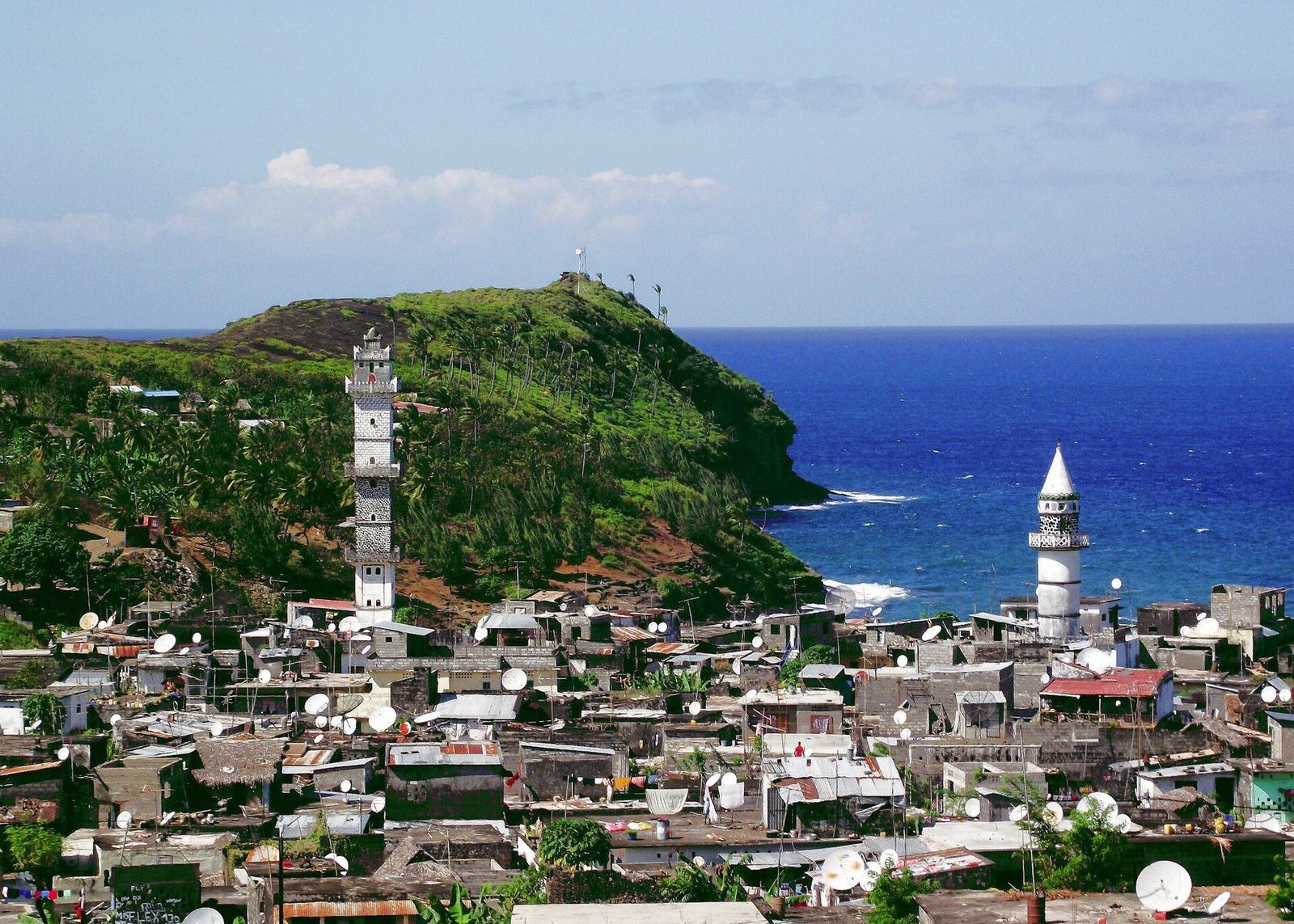
The road north from Moroni passes Ntsaoueni, one of the oldest towns on the island, with an old mosque and a long Islamic history, and the fishing villages around Mitsamiouli. Weekends and the July to August wedding season bring music, drumming and processions, and you may be welcomed to watch a celebration from the edge.
Snorkelling and the sea
Reefs off the north coast offer decent snorkelling, with reef fish, turtles at times and, in the cooler months, the chance of seeing whales offshore. Bring your own mask and fins, because rental gear is hard to find.
Where to stay
Accommodation is limited: a handful of beach hotels and simple guesthouses near Mitsamiouli and Chomoni, some of which open and close as owners change. Confirm your booking directly a few days before arrival, and bring cash, as cards are rarely accepted outside Moroni.
Getting there
Shared taxis run north from Moroni through the day, but they stop often. For a beach day, most visitors hire a taxi with driver for the day and agree the route and price in advance. The airport at Hahaya is on the way, so a beach night before or after your flight works well.
Questions about the north coast of Grande Comore
What is the best beach in the Comoros?
Many visitors pick the beaches around Mitsamiouli, such as Maloudja and Galawa, or Chomoni on the east coast. On Mohéli, the beaches near Nioumachoua and Itsamia are wilder and quieter.
Can I do the north coast as a day trip from Moroni?
Yes. With a hired taxi you can visit Lac Salé, the Trou du Prophète and a beach in one day and be back in Moroni by evening.
Is it safe to swim?
Usually, in sheltered coves and calm conditions. Ask locally about currents, avoid swimming alone and remember there are rarely lifeguards.
Is swimwear acceptable on the beaches?
At hotel beaches, yes. On village beaches, cover up when you leave the water and wear a wrap or shirt on the way to and from the sand.
What should I bring for a beach day in the north?
Bring plenty of drinking water, reef-safe sunscreen, a hat, your own snorkel mask and fins, a wrap or shirt to cover up in villages, and enough cash for food and transport. Shops and cafés along the coast are few and far between, so a packed lunch or a stop at a local restaurant in Mitsamiouli is wise.
Facts checked . Fees, schedules and entry rules change, so always confirm the latest with the official source.