The capital
Gaborone is small, safe by regional standards and easy going. It has the main international airport, the national museum, the Three Dikgosi Monument and Mokolodi Nature Reserve on its doorstep. Diaspora visitors and business travellers usually start here; most safari travellers pass straight through.
The water in the desert
The Okavango Delta is the reason many people come. A river from the Angolan highlands spreads out into the Kalahari sand, creating a maze of channels, lagoons and islands full of wildlife. Maun is the gateway town, and light aircraft fly on to the camps.
Elephants on the river
Chobe National Park runs along the Chobe River in the far north, where huge herds of elephants come down to drink each afternoon in the dry season. Kasane is the base, with boat cruises, game drives and Victoria Falls close by.
Salt pans and the open sky
The Makgadikgadi Pans are the remains of an ancient lake: blinding white salt in the dry months and a green grassland with zebra and flamingos after the rains. Meerkats, baobabs and nights sleeping out under the stars make them a favourite add on.
The true desert
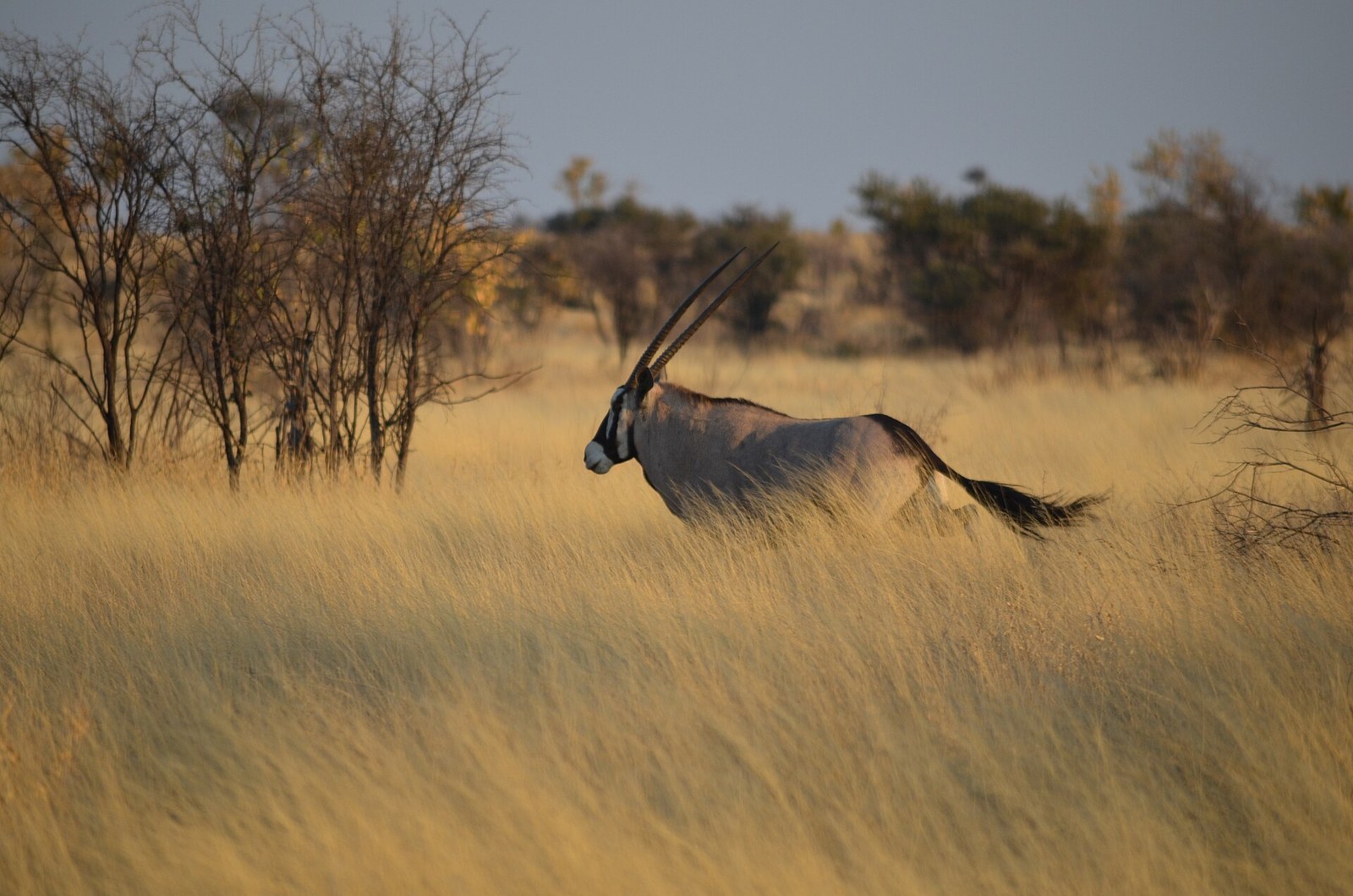
The Central Kalahari Game Reserve is one of the largest protected areas in Africa, a place of fossil river valleys, black maned lions, gemsbok and deep silence. It suits self-drivers with experience or travellers staying at lodges on its edges.
How to combine them
A classic ten day route flies into Maun for the Delta, continues to Kasane for Chobe and ends with a night or two on the pans. Add Gaborone if you have family there or want a gentle introduction. Use the free trip planner to shape your own route, and browse our places to visit for food, culture and stays in each area.