At a glance
- Best for
- Landscapes, meerkats, stargazing and the zebra migration
- Nearest towns
- Gweta and Nata
- Time needed
- Two to three nights
- Best season
- May to October dry pans; December to April for zebra
- Getting in
- Road from Maun or Nata, or light aircraft
- Good to know
- Pan crossings need an experienced guide
Two seasons, two worlds
In the **dry season**, roughly May to October, the pans are a hard white crust stretching to the horizon. This is the time for quad bike trips, sleeping out under the stars on the salt and the eerie silence that makes the pans famous. Along the Boteti River on the western side, zebra and wildebeest gather to drink as the dry season deepens.
In the **wet season**, roughly December to April, rain turns the grasslands green and shallow water fills parts of the pans. Tens of thousands of zebra and wildebeest move onto the grasslands in one of Africa's largest zebra migrations, and flamingos gather in their thousands on Sua Pan near Nata. Driving on the pans becomes dangerous, as the crust hides deep mud.
Meerkats
The habituated meerkat colonies near the pans are a joy. With a guide you can sit quietly while they forage, and sometimes one will climb onto you to use you as a lookout. Mornings are best, when they emerge to sun themselves.
Kubu Island and the baobabs
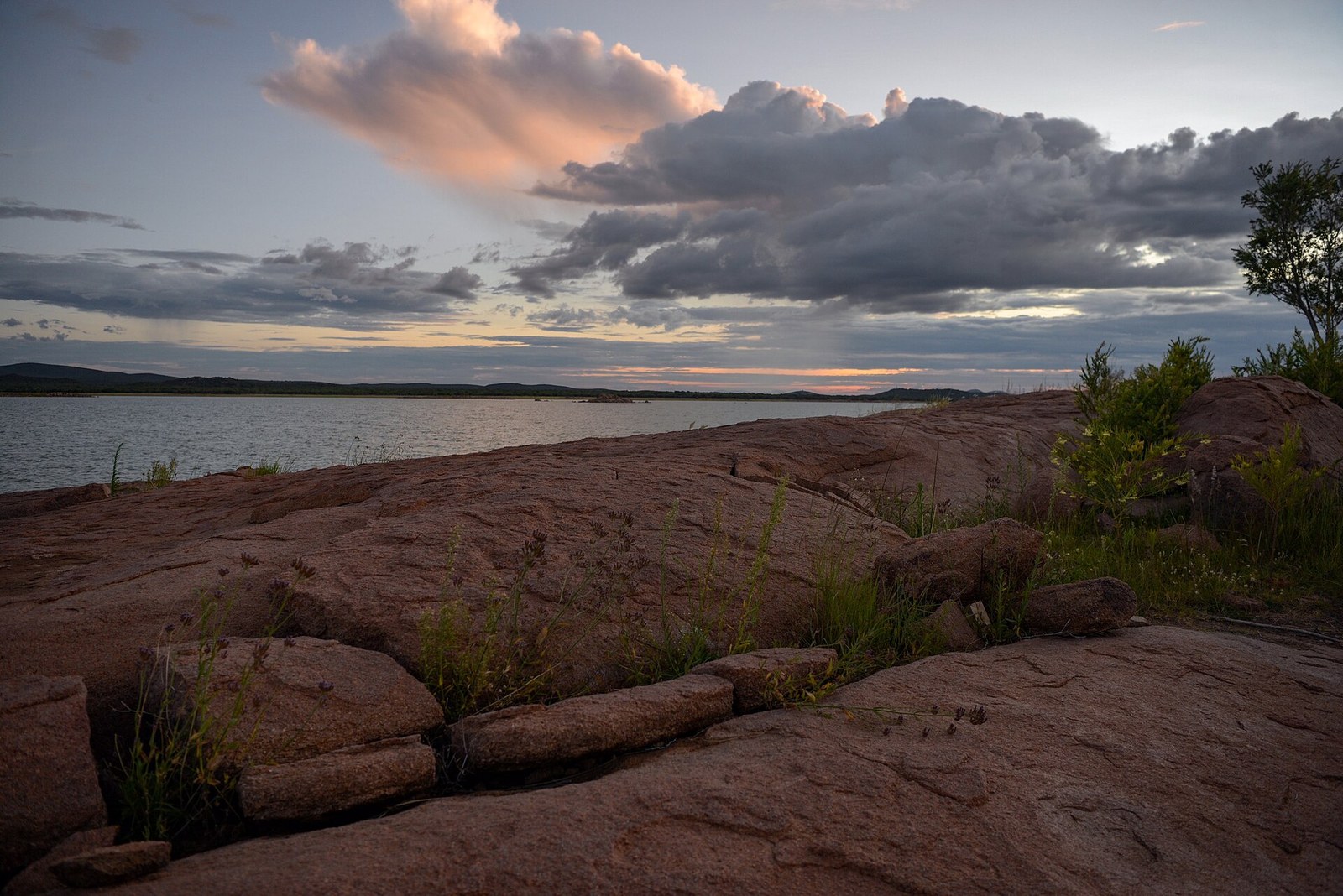
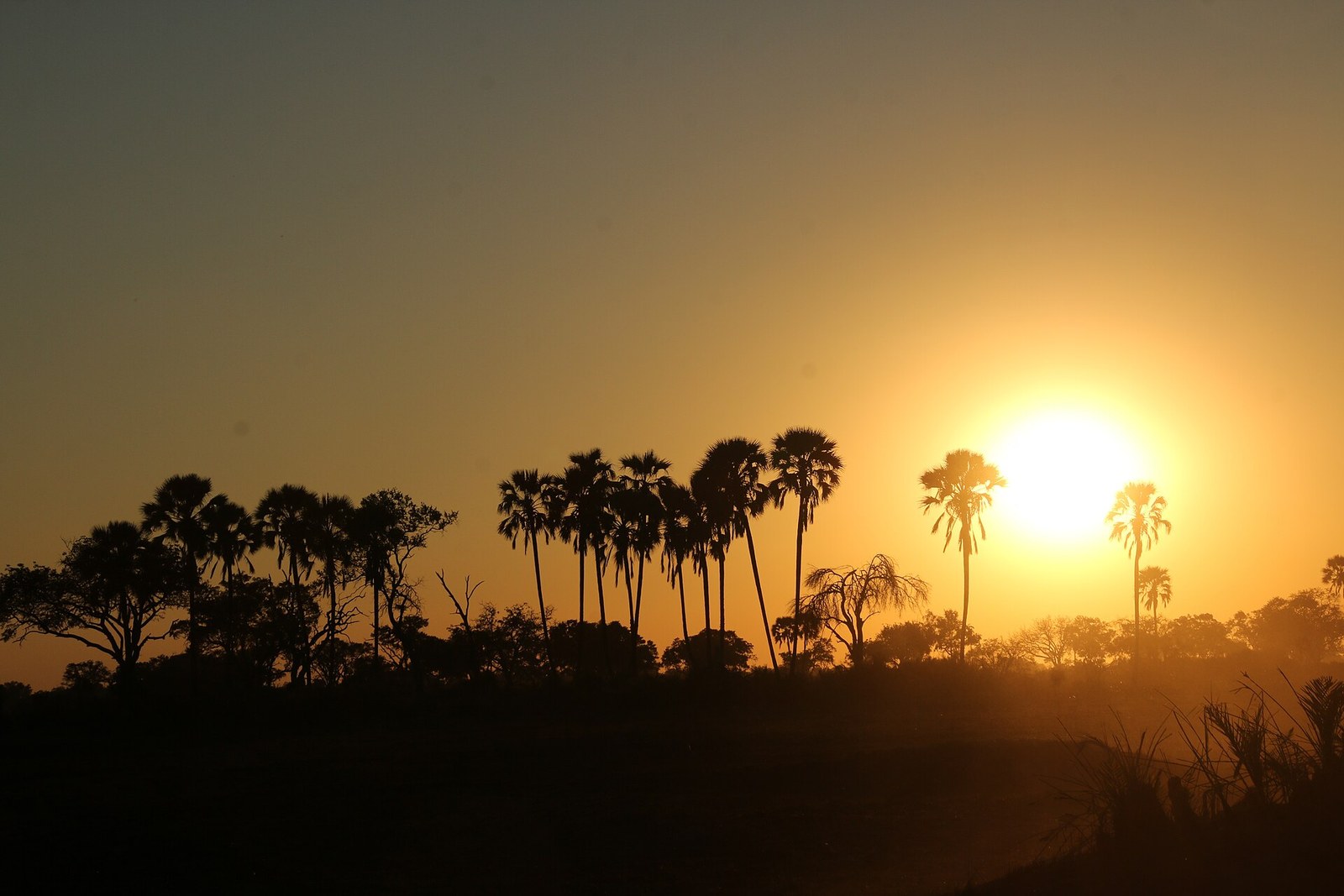
**Kubu Island**, or Lekhubu, is a granite outcrop covered in baobabs rising from Sua Pan, a sacred site with stone walls and ancient fossils. Sunrise and sunset there are among the most beautiful sights in Botswana. **Baines' Baobabs**, on the edge of Kudiakam Pan inside Nxai Pan National Park, were painted by the artist Thomas Baines in 1862 and look almost unchanged today.
Nxai Pan and Makgadikgadi national parks
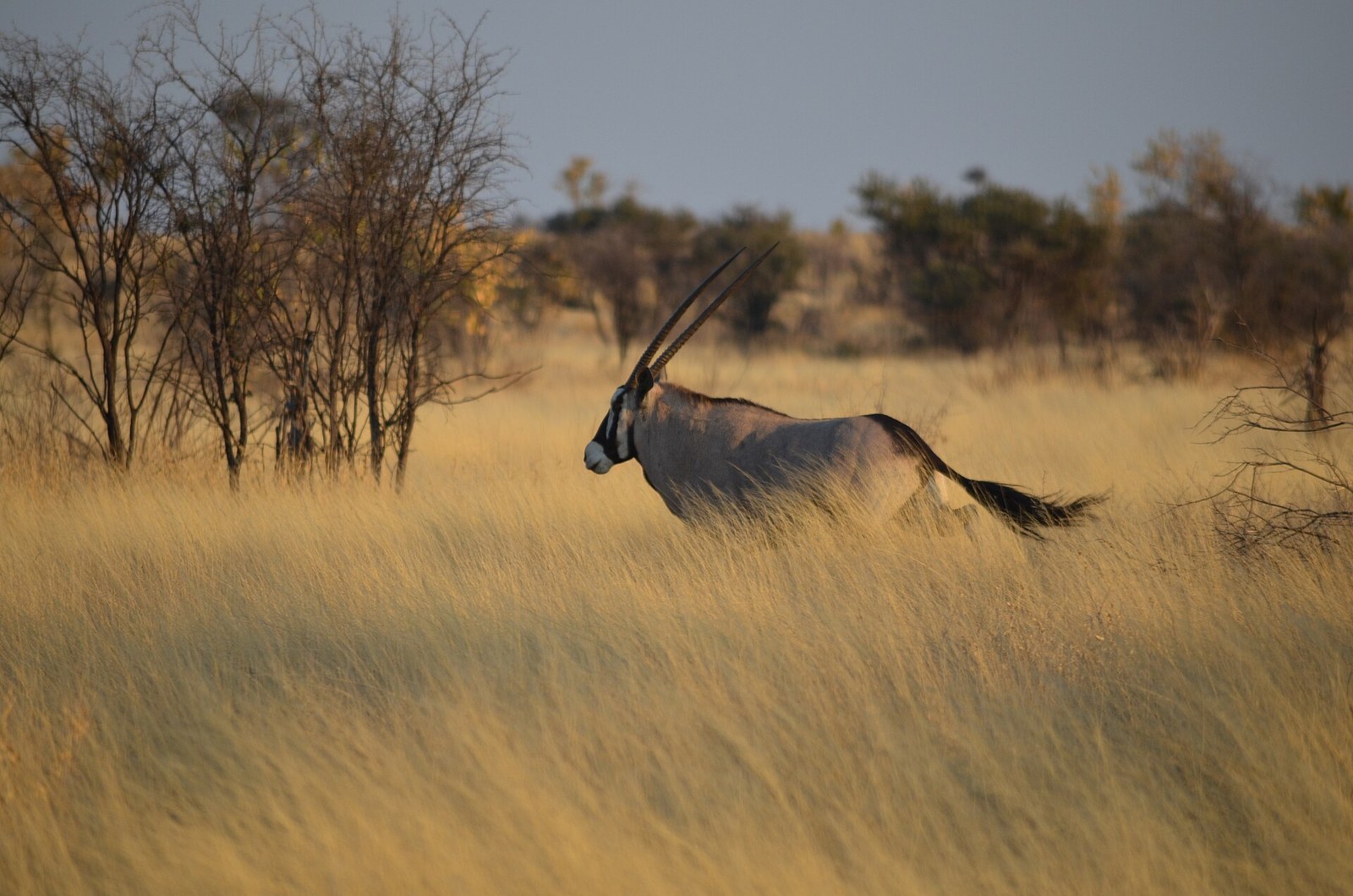
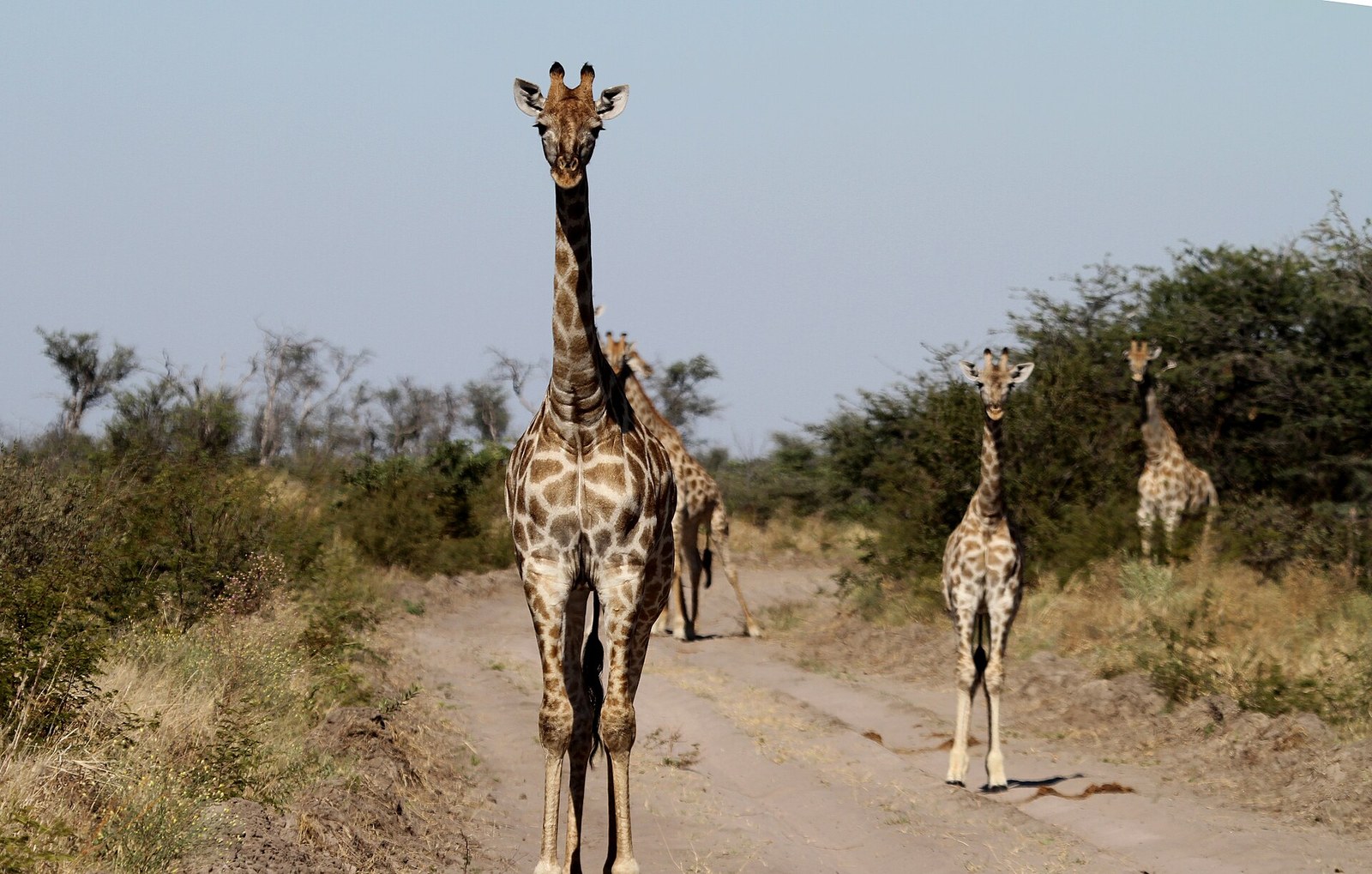
**Nxai Pan National Park** has short grass pans where springbok, giraffe, oryx and lions gather, especially around the waterhole. **Makgadikgadi Pans National Park** borders the Boteti River, with excellent dry season game. Both have basic campsites that must be booked ahead and require a four wheel drive.
Where to stay
The area offers everything from simple village lodges in **Gweta** and **Nata** to quirky camps such as Planet Baobab, riverside tents above the Boteti and the legendary luxury camps on Ntwetwe Pan. Elephant Sands, north of Nata, is famous for elephants drinking a few metres from the bar.
Getting there
Gweta and Nata sit on the main tar road between Maun and Kasane, so the pans fit naturally between the Delta and Chobe. Lodges can collect you, or light aircraft fly to camp airstrips. Never drive onto the pans without an experienced guide; vehicles regularly sink through the crust, and getting help is slow.
Practical tips
Nights in winter can drop close to freezing, while days are hot, so pack layers. Bring a head torch, sunglasses and sunscreen for the glare. There is little shade and very little phone signal, which is part of the magic.
A sample two nights
Arrive from Maun or Kasane by road and check into a lodge near Gweta or on the Boteti River. Spend the late afternoon watching zebra drink at the river or relaxing by the pool. Rise early the next morning for the meerkats, then head out across the pans with a guide in the dry season, ending with a sundowner and, if you choose, a night sleeping out on the salt under more stars than you have ever seen. On the final morning, visit a baobab or the Nata Bird Sanctuary on your way onward.
Questions about the Makgadikgadi Pans
When is the best time to visit the Makgadikgadi Pans?
May to October for dry white pans, sleep outs and quad biking; December to April for green grass, flamingos and the zebra migration. Both seasons are rewarding in different ways.
Can I see meerkats at Makgadikgadi?
Yes. Several lodges near Gweta and on Ntwetwe Pan offer guided visits to habituated meerkat colonies, usually in the early morning.
Can I drive myself onto the pans?
It is not recommended. The crust can hide soft mud, especially after rain, and vehicles get stuck far from help. Go with a guide who knows the routes.
Is it worth adding the pans to a Delta and Chobe trip?
Yes. The pans lie between Maun and Kasane and offer a completely different landscape, with meerkats, baobabs and silence that contrast beautifully with the water based safaris.
Facts checked . Fees, schedules and entry rules change, so always confirm the latest with the official source.