At a glance
- Best for
- Remote wilderness, predators, stargazing and San culture
- Gateways
- Maun and Ghanzi
- Time needed
- Three to four nights
- Best season
- December to April for the green season herds
- Getting in
- Light aircraft or a four wheel drive expedition
- Good to know
- No fuel, food or water inside the reserve
The landscape
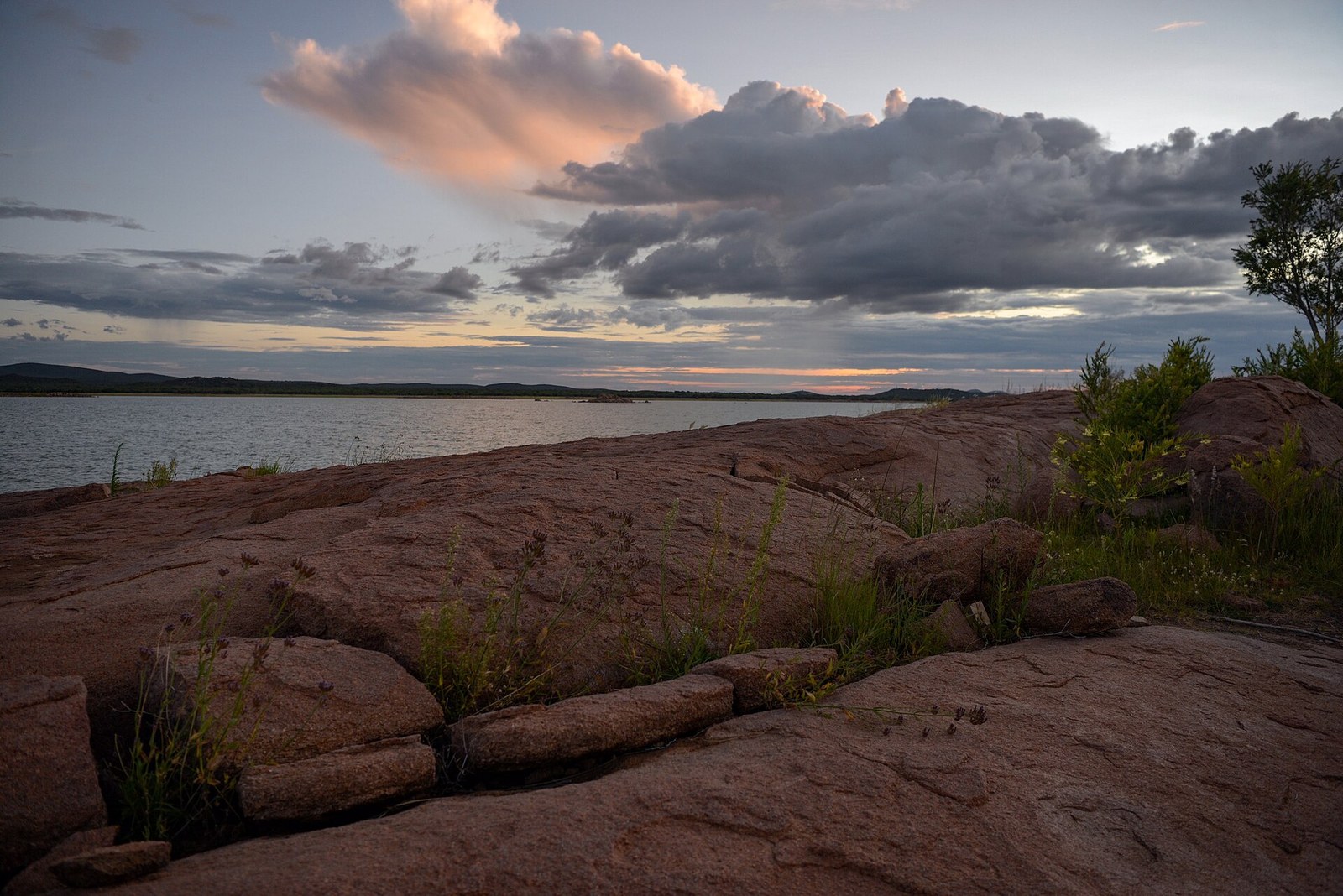
The reserve sits in the middle of Botswana and is crossed by fossil river valleys, the beds of rivers that last flowed thousands of years ago. **Deception Valley**, made famous by the researchers Mark and Delia Owens, is the best known, with open grassland that draws wildlife after the rains. Piper Pan, Sunday Pan and Passarge Valley are other favourite areas.
When to go
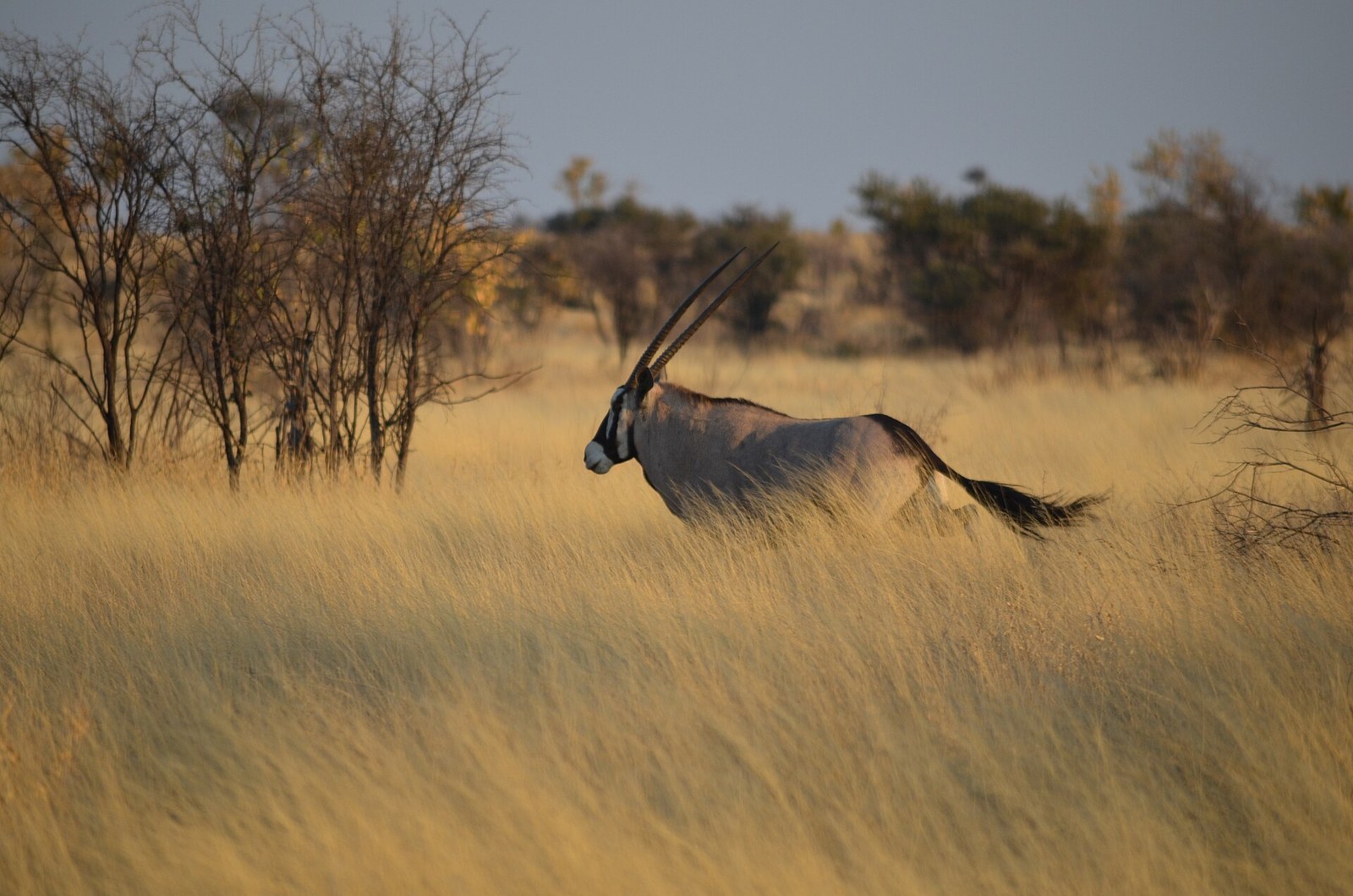
The **green season**, roughly December to April, is the highlight. After the rains, the valleys fill with fresh grass and large herds of springbok, gemsbok, wildebeest and hartebeest gather, followed by lions, cheetahs, brown hyenas and jackals. Afternoon thunderstorms are dramatic. In the **dry season**, game disperses and sightings take more patience, but the cool, clear nights are perfect for stars.
The black maned lions
The Kalahari lion is famous for its thick dark mane. Seeing a pride walking along a valley at dawn, with no other vehicle in sight, is one of the great moments of any Botswana trip. Cheetahs are also seen on the open pans, and bat eared foxes are common.
San heritage
The Kalahari has been home to the San people for many thousands of years. Several lodges on the edges of the reserve offer walks with San guides who share bush skills, plant knowledge and tracking. Near Ghanzi, the **D'Kar Kuru Art Project** sells San artists' prints and paintings, and the **Kuru Dance Festival** gathers San communities to dance and share stories. Approach these visits with respect: the relocation of San communities from the reserve has been a painful and contested issue.
Lodges or self-drive
Most visitors stay at lodges near the reserve's edges, flying in from Maun. They handle game drives, meals and safety, and the experience is very comfortable. **Self-drive** expeditions are for experienced travellers only: there is no fuel, food, water or shop inside the reserve, campsites are unfenced with no facilities beyond basics, and you must book them ahead and carry everything, including spare tyres and recovery gear. Travel with at least two vehicles if you can.
Getting there
Light aircraft fly from Maun to lodge airstrips in about an hour. By road, the reserve is reached from Maun via Rakops in the north east or from Ghanzi in the west, on long sandy tracks.
Practical tips
Heat in the green season is intense, and nights in winter can be very cold. Carry plenty of water, sun protection and warm layers. Expect no phone signal across most of the reserve, and let someone know your route if you are driving.
A sample visit
Fly from Maun to a lodge on the reserve's edge and spend the first afternoon on a game drive into a nearby valley. The next morning, set out at first light to search for lions and cheetahs, returning for a long lunch and rest. In the late afternoon, walk with San guides who show you how to find water in roots and read tracks in the sand. Spend your final evening simply looking at the sky: with no towns for hundreds of kilometres, the Milky Way is so bright it casts shadows. It is a trip about space and silence as much as animals.
Questions about the Central Kalahari
Is the Central Kalahari worth visiting?
Yes, if you value solitude, open landscapes and predators over the sheer numbers of the Delta and Chobe. It feels completely different, especially in the green season.
Can I self-drive in the Central Kalahari?
Only with real experience, a well equipped four wheel drive, booked campsites and full supplies of fuel, water and food. Many travellers choose a guided mobile safari or a lodge instead.
When can I see the black maned lions?
Lions are present all year, but the green season from December to April brings prey into the open valleys, which makes sightings more likely.
How do I reach the Central Kalahari?
Fly from Maun to a lodge airstrip, or drive from Maun via Rakops or from Ghanzi. Roads inside are deep sand.
Facts checked . Fees, schedules and entry rules change, so always confirm the latest with the official source.