The capital
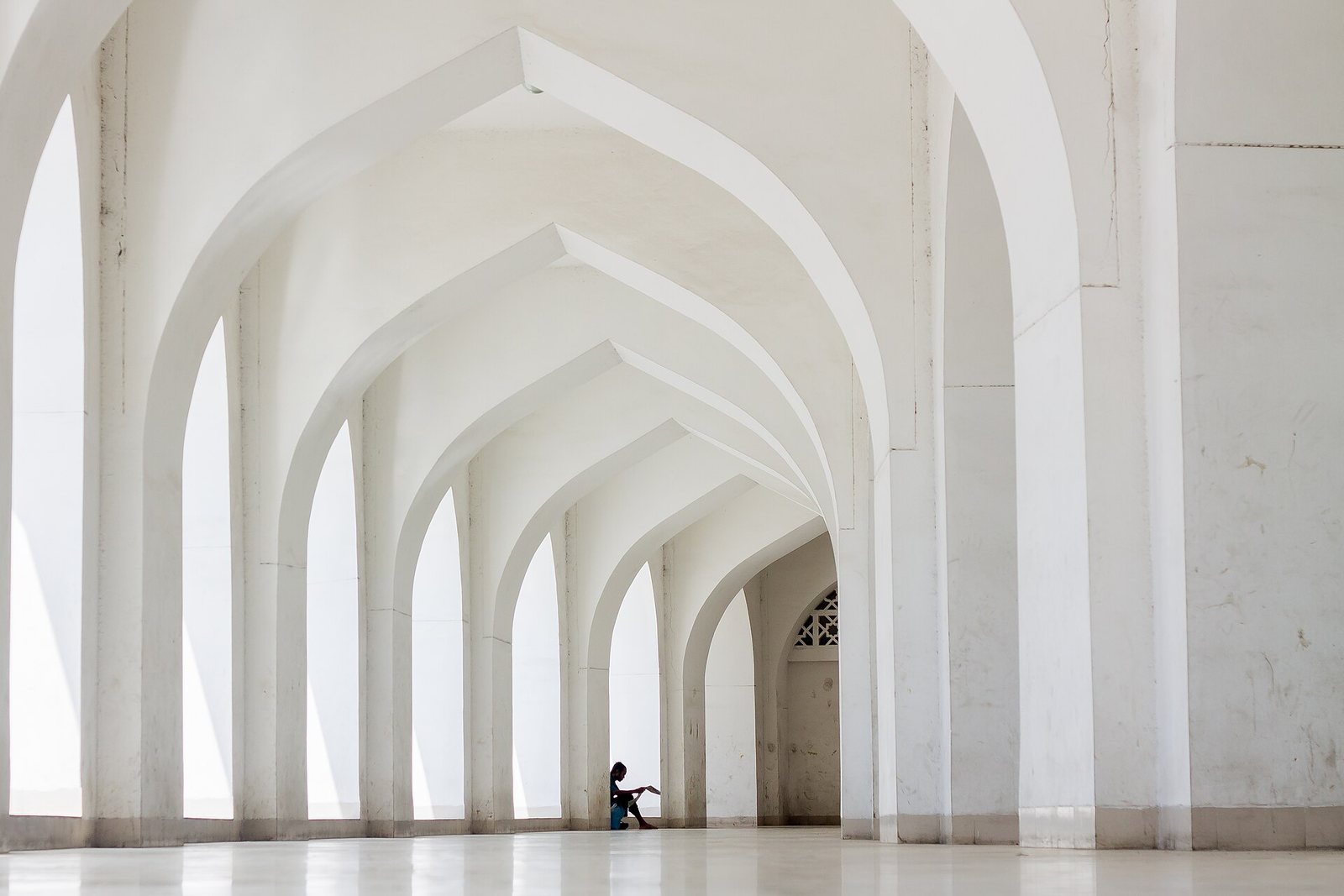
Almost every trip begins in Dhaka, one of the most crowded and energetic cities on earth. Old Dhaka holds the Mughal fort at Lalbagh, the pink Ahsan Manzil palace, mosaic mosques and the boat filled Buriganga River at Sadarghat. The newer north brings Louis Kahn's parliament, leafy Gulshan and Dhanmondi, good museums and the best biryani in the country. Give it two or three days, and plan around the traffic.
Tea country and wetlands
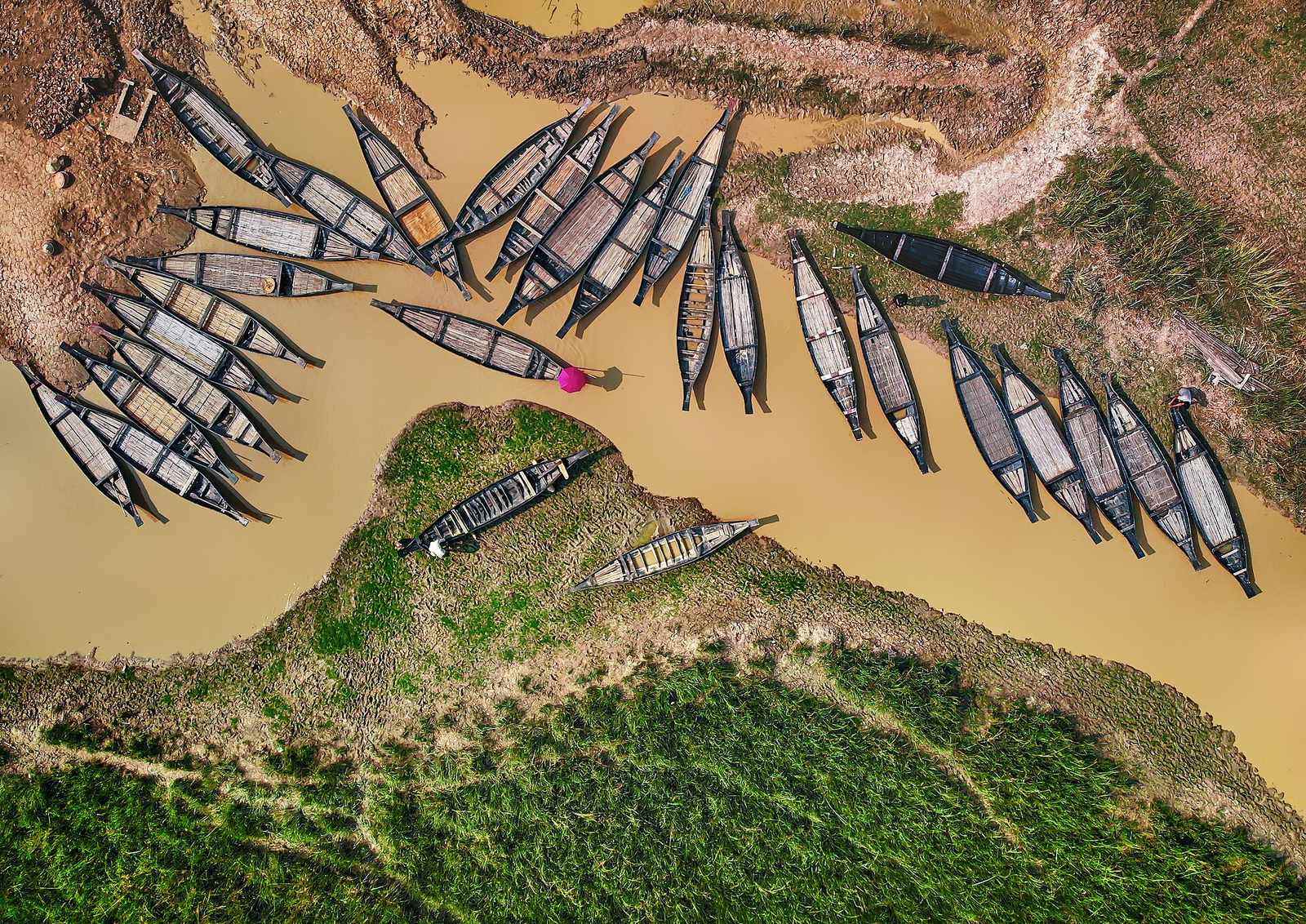
Sylhet and Sreemangal form the green northeast, the ancestral home of most of the British Bangladeshi community. Sreemangal is the tea capital, with rolling estates, the gibbons of Lawachara forest and the famous layered tea. Sylhet adds the great Sufi shrines, the flooded trees of Ratargul and the clear rivers of Jaflong and Bholaganj below the hills of India.
The coast
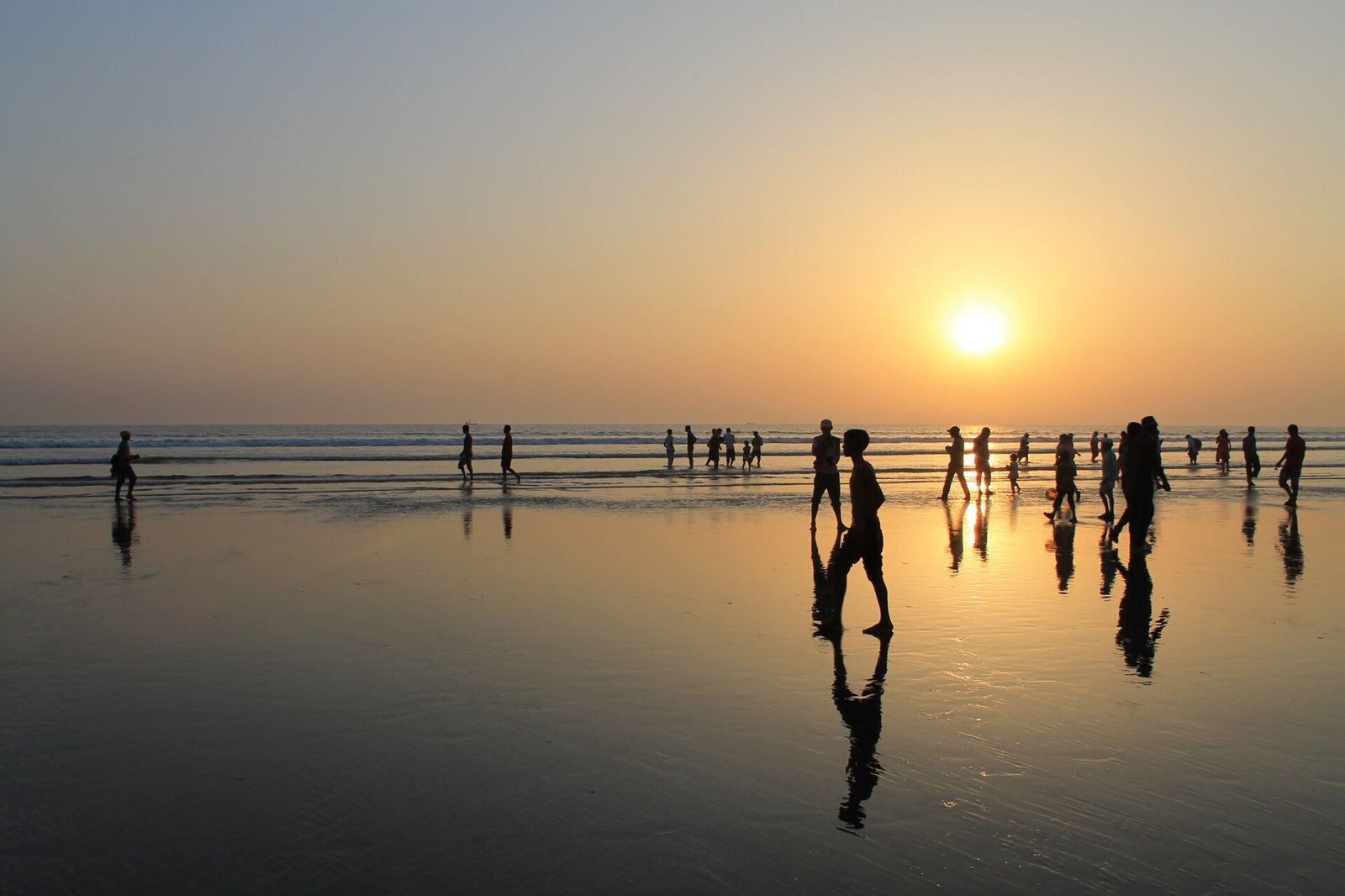
Cox's Bazar is where Bangladeshis go on holiday: an immense beach facing the Bay of Bengal, a scenic Marine Drive, Buddhist temples at Ramu and island trips to Maheshkhali. It is lively and family focused rather than a party beach, best from November to March.
The mangroves
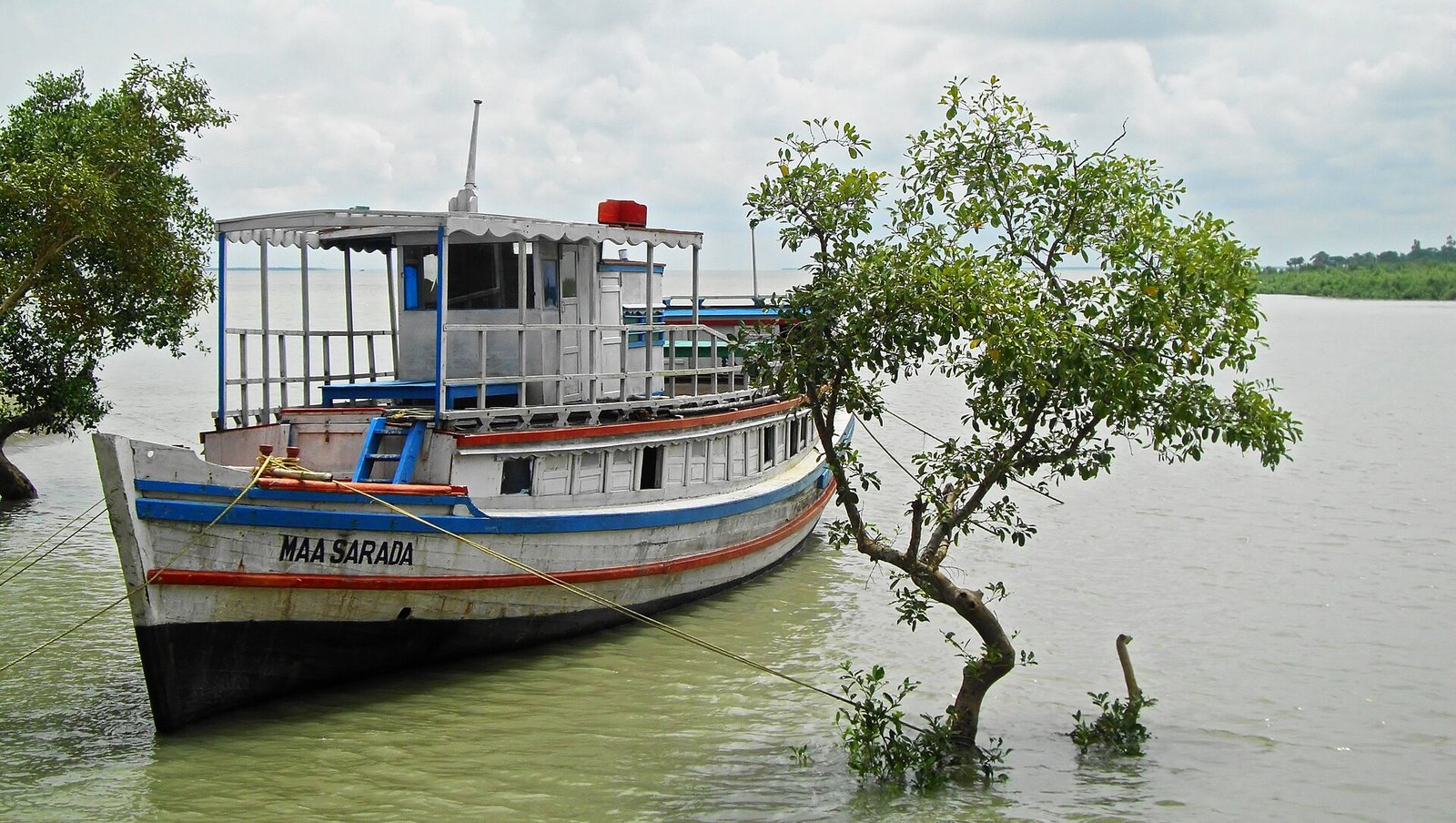
The Sundarbans is the largest mangrove forest on earth and home of the Bengal tiger. Multi day boat trips from Khulna or Mongla explore its tidal creeks, while the UNESCO listed mosque city of Bagerhat sits on the way.
The ancient north
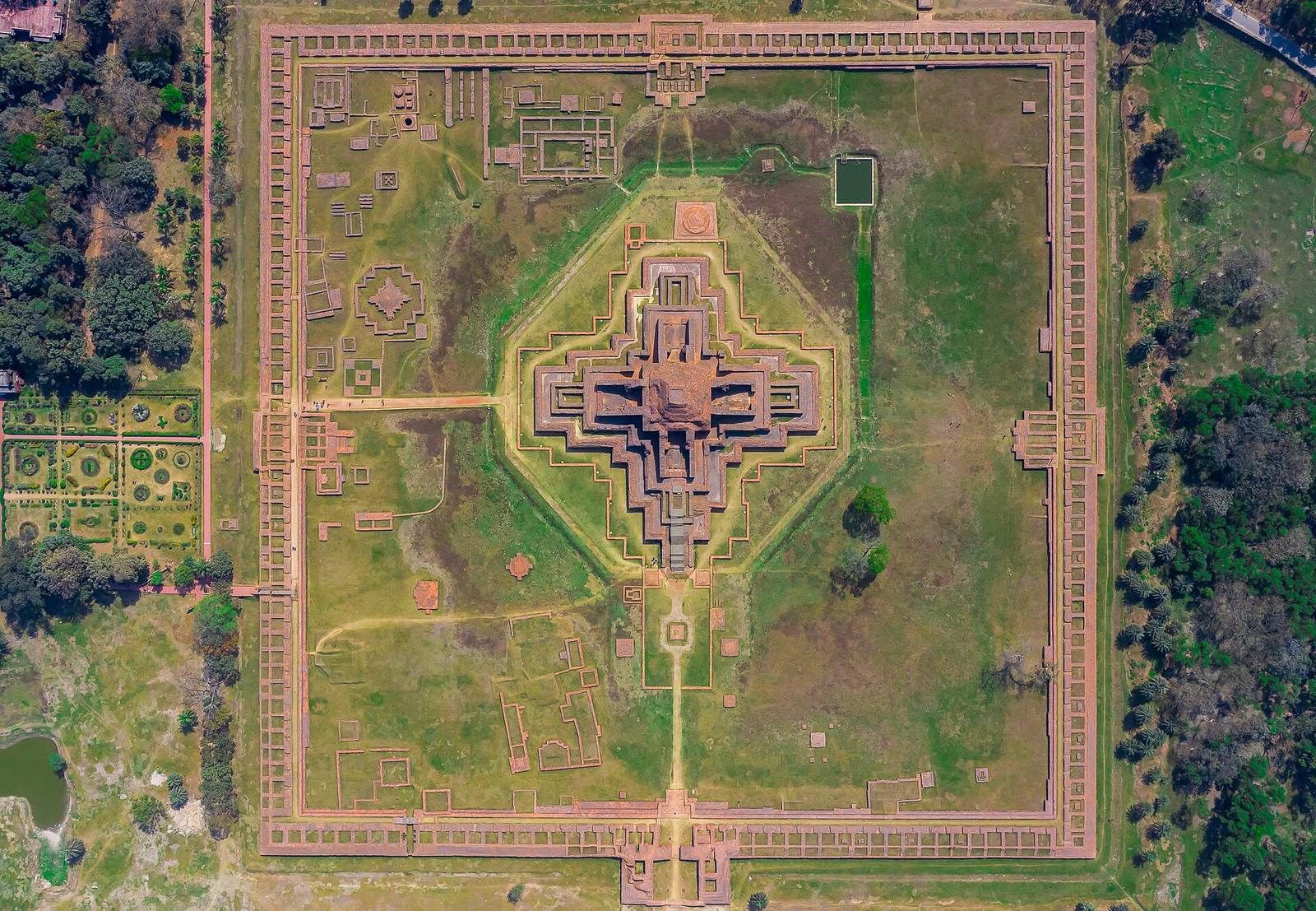
Rajshahi and North Bengal is for history lovers: the great Buddhist monastery of Paharpur, the ancient city of Mahasthangarh, the terracotta temples of Puthia and a riverside city famed for silk and mangoes.
How to link them
A classic two week route runs Dhaka, train to Sreemangal and Sylhet, flight to Cox's Bazar, then a flight or bus back towards Khulna for the Sundarbans. With more time, add Rajshahi by train from Dhaka. Our free trip planner helps you set a realistic pace, and the places to visit list covers food, culture and stays in each city.