At a glance
- Best for
- Archaeology, history, silk and mangoes
- Airport
- Shah Makhdum Airport, Rajshahi (RJH)
- Time needed
- Three to four days
- Best season
- November to February, or June for mangoes
- Getting there
- Train or flight from Dhaka
- Getting around
- Hired car, buses and auto rickshaws
Why go
Few foreign travellers make it to the north, which is exactly why it is special. The landscapes are wide and calm, the roads quieter than in the south, and the archaeological sites are often almost empty. For anyone curious about the Buddhist and Hindu kingdoms that shaped Bengal before the Mughals, this is the place to come.
Rajshahi
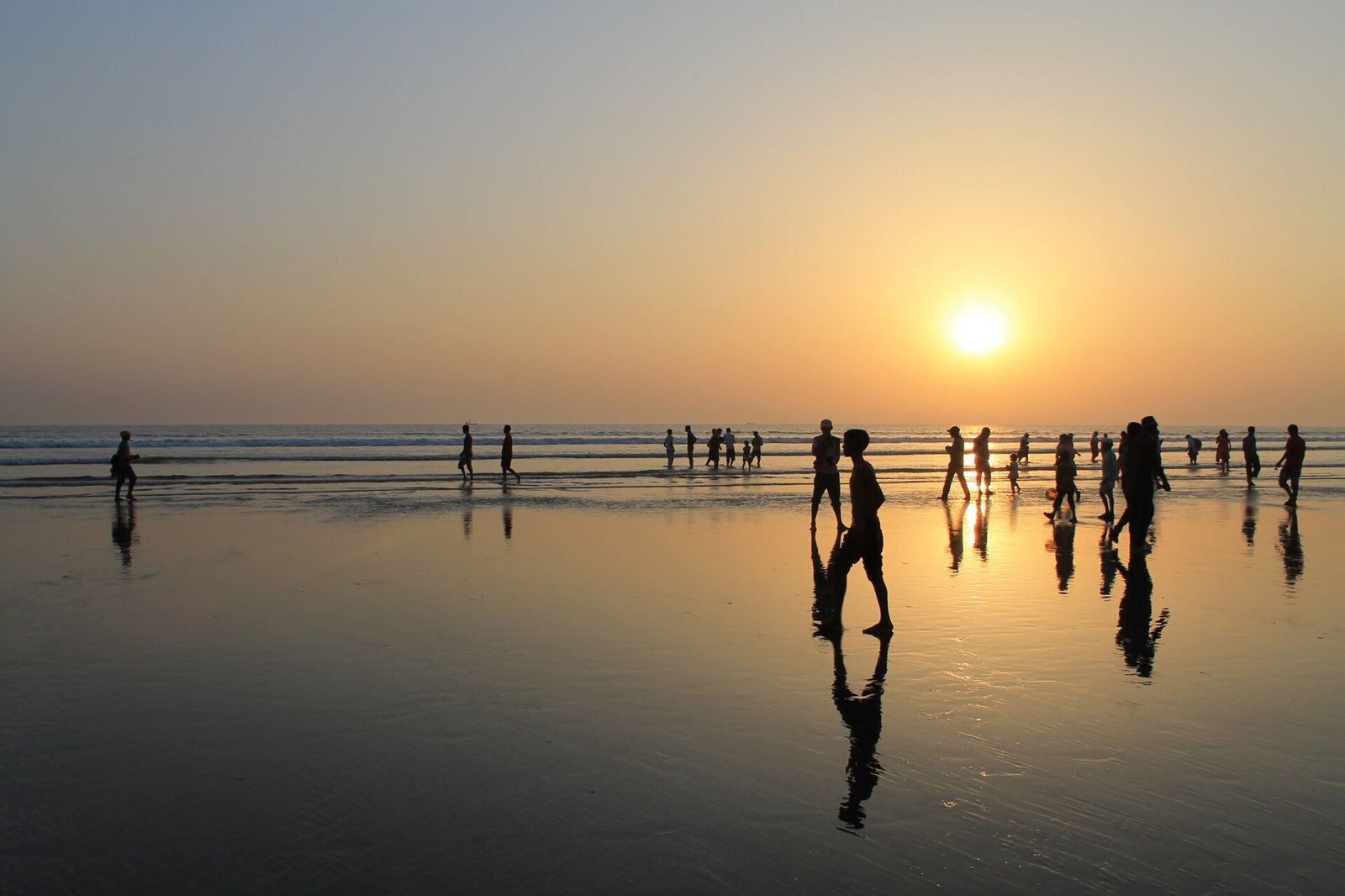
Rajshahi is one of the most pleasant cities in Bangladesh: tree lined, relatively uncrowded and set on the broad Padma River, the main channel of the Ganges. Walk the riverside promenade at sunset, then visit the **Varendra Research Museum**, the oldest museum in the country, with a fine collection of Pala era stone sculpture. Rajshahi silk is woven in the Sopura area, and factory showrooms sell saris and scarves. Breakfast on **kalai ruti**, a lentil flour flatbread served with chilli and mashed eggplant.
Paharpur
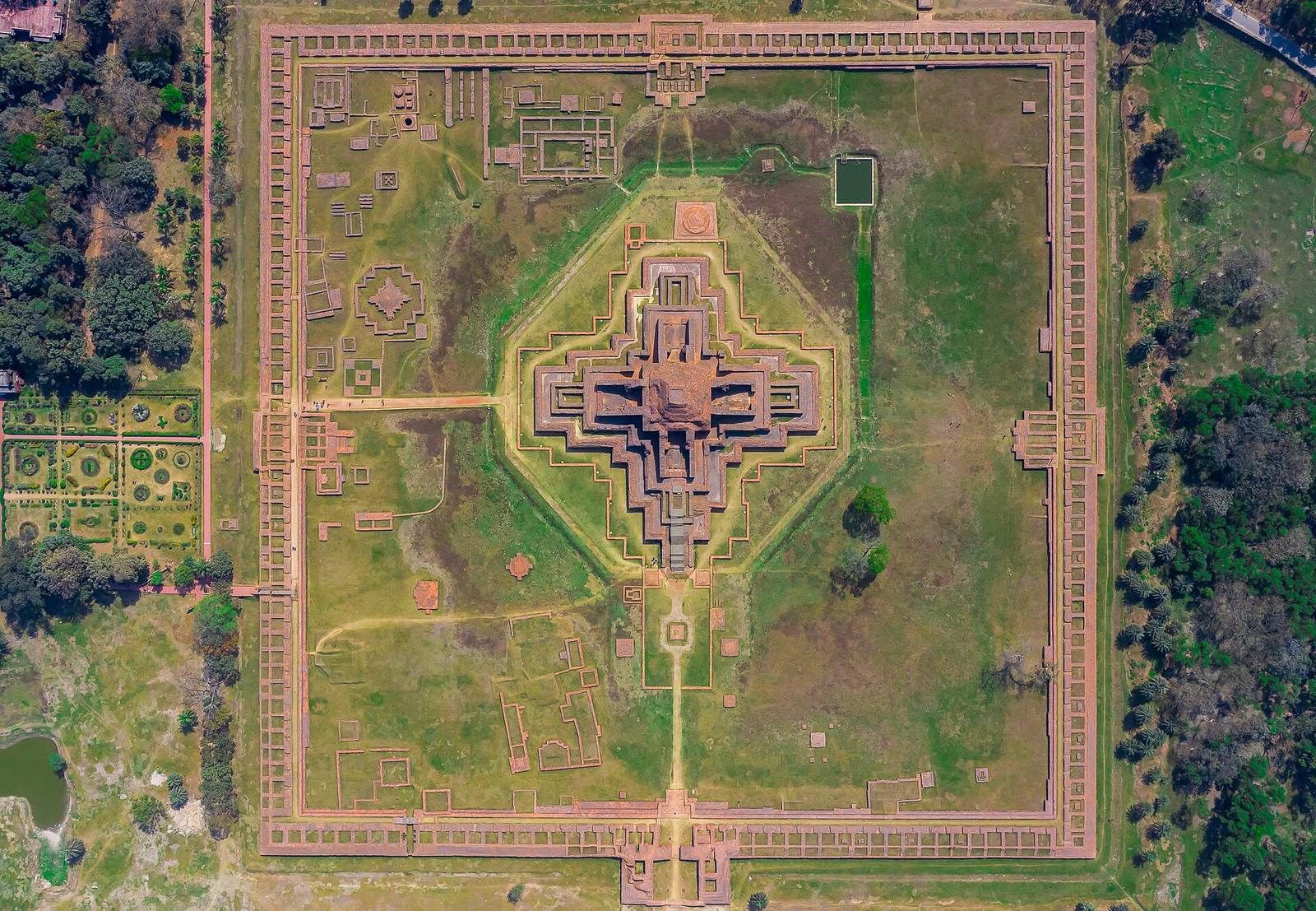
The **Somapura Mahavihara** at Paharpur, in Naogaon district, was founded in the eighth century under the Pala kings. Its huge cruciform temple mound rises from a square of monks' cells, decorated with terracotta plaques of animals, gods and village life. It is a UNESCO World Heritage Site with a small museum on site.
Mahasthangarh
Near Bogura, **Mahasthangarh** is the oldest known city in Bangladesh, the ancient Pundranagara, with walls and mounds dating back more than two thousand years. Explore the citadel walls, the museum and nearby Govinda Bhita. Bogura town is famous for **mishti doi**, a sweet baked yoghurt.
Puthia and more
**Puthia**, east of Rajshahi, has a cluster of ornate Hindu temples and a palace around peaceful ponds, the Govinda temple covered in terracotta. The **Bagha Mosque** has superb terracotta panels, the **Natore Rajbari** is a grand zamindar palace in a park, and the **Choto Sona Mosque** near Chapainawabganj is a jewel of the old Bengal Sultanate capital of Gaur.
Mango season
From late May into July, Rajshahi and Chapainawabganj overflow with mangoes, sold from orchards, markets and roadside piles. Varieties such as Himsagar, Langra and Fazli are celebrated across Bangladesh.
Getting there and around
Intercity trains link Dhaka and Rajshahi, and flights take under an hour. Paharpur and Mahasthangarh are best seen with a hired car and driver, as public buses are slow and changes are needed. You can also reach Bogura directly from Dhaka by train or bus and work your way west.
Practical tips
The north is conservative: dress modestly and expect curious attention. Winters can be surprisingly cold and foggy, especially in the mornings, so bring a warm layer. Carry enough cash, as ATMs are scarcer outside cities.
A suggested plan
Take the train from Dhaka to Rajshahi and spend your first evening by the Padma. The next morning, visit the Varendra Research Museum and the silk showrooms, then drive to Puthia for the afternoon. On day three, hire a car for a long loop to Paharpur, continuing to Bogura for the night and a pot of mishti doi. Spend the last morning at Mahasthangarh before taking the train or bus back to Dhaka. Lovers of Islamic architecture can add a day trip from Rajshahi to Chapainawabganj for the Choto Sona Mosque and the mango orchards.
Further north
With more time, continue to Dinajpur for the richly carved Kantajew Temple, one of the finest terracotta temples in Bengal, and on a clear winter morning you may even glimpse the Himalaya from Panchagarh in the far north.
Questions about Rajshahi and North Bengal
Is Paharpur worth the journey?
Yes, for anyone interested in history. It is one of the most important Buddhist sites in South Asia and usually peaceful.
How many days do I need in North Bengal?
Three to four days covers Rajshahi, Puthia, Paharpur and Mahasthangarh with a hired car.
When is mango season in Rajshahi?
Roughly late May to July, with different varieties ripening through the season.
Is Rajshahi easy to reach from Dhaka?
Yes. Intercity trains and short domestic flights connect the two cities.
What is Rajshahi known for?
Silk, mangoes, the Varendra Research Museum and its calm riverside setting on the Padma.
Facts checked . Fees, schedules and entry rules change, so always confirm the latest with the official source.