At a glance
- Best for
- Wildlife, birding, river life and heritage
- Gateway
- Khulna or Mongla
- Time needed
- Two to four days on a boat
- Best season
- November to February
- Getting there
- Road from Dhaka over the Padma Bridge, or fly to Jashore
- Getting around
- Licensed tour boats only inside the forest
Why go
Few wild places feel as otherworldly as the Sundarbans. At dawn the boat drifts down a silent creek lined with breathing roots, kingfishers flash past, deer step out to the water's edge and the mud shows fresh pugmarks of a tiger. Most visitors never see the tiger itself, which is shy and well hidden, but the forest, the light and the life of the fishing and honey collecting communities make the journey unforgettable.
How trips work
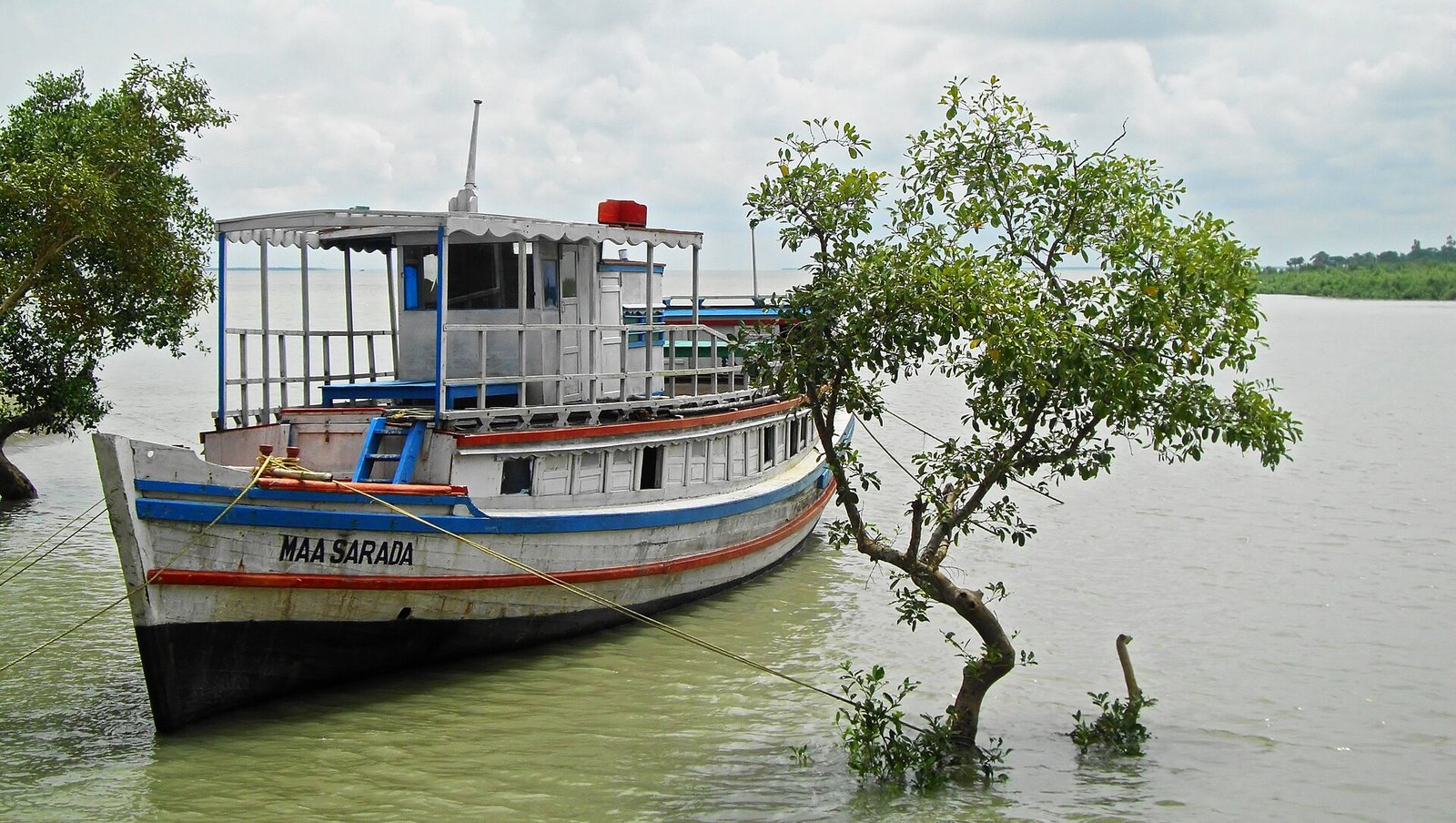
Foreign visitors enter the forest with licensed tour operators on boats that carry permits from the Bangladesh Forest Department, armed forest guards and guides. Trips usually last two to four days, sleeping on board, with cabins, meals and small boat excursions into narrow channels included. Short day trips to **Karamjal**, near Mongla, show a boardwalk, deer, monkeys and a crocodile breeding centre, but the real forest begins further south.
Longer trips reach **Kotka** and **Kochikhali**, ranger stations with grassy clearings where deer graze and walking trails lead to the beach, and sometimes **Hiron Point**. Expect early starts, quiet hours on deck and simple but generous Bengali meals.
Wildlife
Besides tigers, look for spotted deer, rhesus macaques, wild boar, estuarine crocodiles, monitor lizards and both Ganges and Irrawaddy dolphins in the wider rivers. Birders can find kingfishers, including the rare brown winged kingfisher, eagles and the masked finfoot.
Bagerhat
On the way, stop at **Bagerhat**, the fifteenth century mosque city of Khan Jahan Ali and another UNESCO World Heritage Site. The **Sixty Dome Mosque** (Shat Gambuj Masjid), with its forest of pillars, is one of the finest early mosques in Bengal. Nearby are the saint's domed tomb beside a pond of crocodiles and smaller mosques scattered among ponds and palms.
Khulna
Khulna, the third largest city in Bangladesh, is the usual base before a trip. Its riverside is busy with boats, and the roadside eateries of **Chuknagar** serve meat cooked with chui jhal, a fiery local vine.
Getting there
The Padma Bridge has cut road journeys from Dhaka to Khulna to a few hours. Trains also run, and flights reach Jashore, an hour or so from Khulna. Many operators collect guests in Khulna or Mongla.
Practical tips
Visit between November and February for calm water and cooler weather. Bring insect repellent, sun protection, binoculars and light long sleeves. Never wander off alone on shore excursions: tigers are a real danger and guards are there for a reason. Ask operators about life jackets and safety equipment before you book.
Choosing an operator
Compare several licensed operators and ask exactly how many nights the trip spends inside the forest, which ranger stations it reaches, how many guests share the boat, whether cabins have private bathrooms and what safety equipment is carried. Smaller boats reach narrower channels, while larger ones are steadier in open water. Reputable operators arrange all permits and guards and give clear written itineraries. Book a few weeks ahead for the winter peak and the busy holiday weekends.
Life on the forest edge
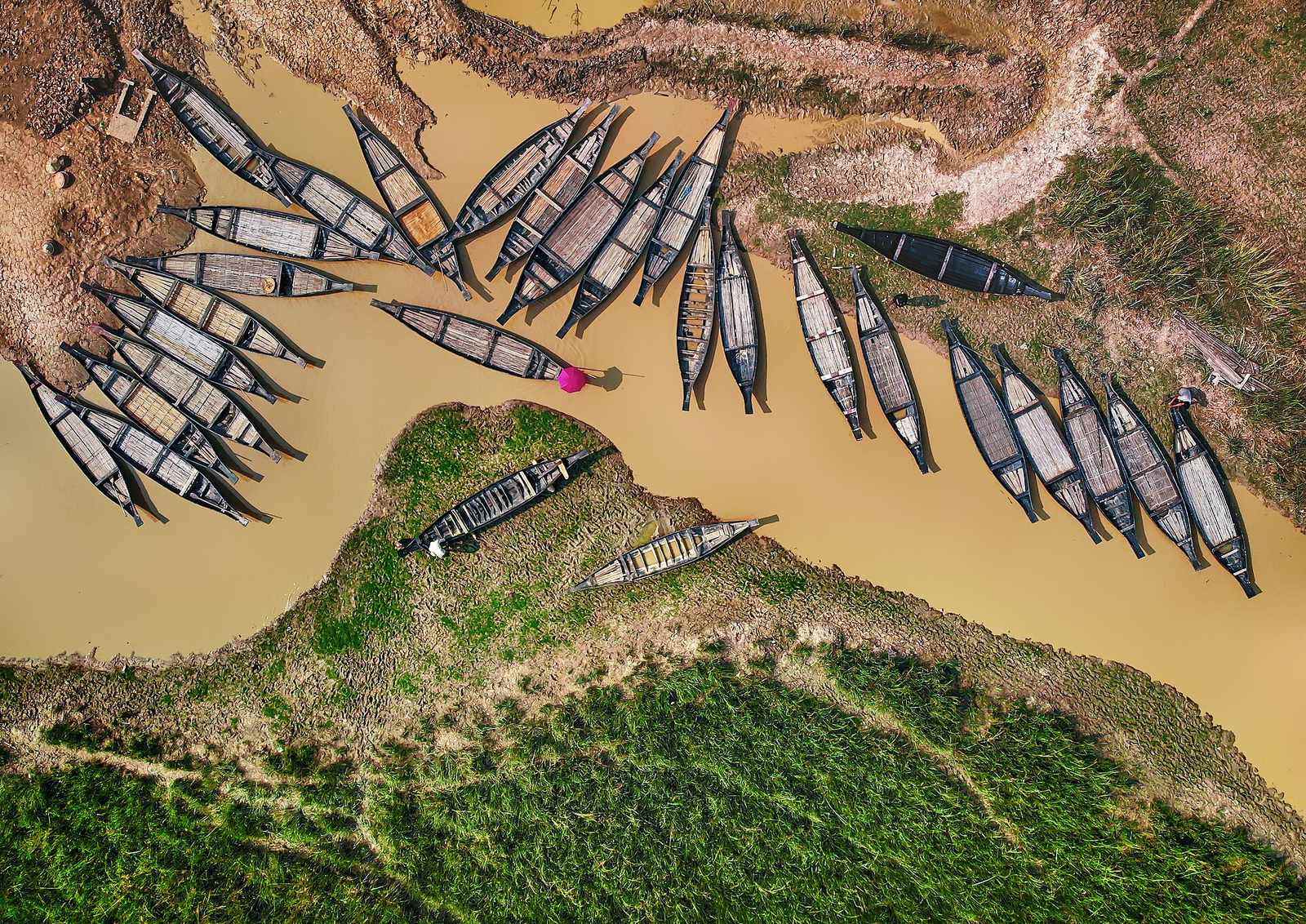
The Sundarbans supports thousands of families who fish, collect honey and gather leaves from the forest under permit, often facing danger from tigers and storms. Many trips visit villages on the edge of the forest. Be respectful, ask before taking photos and buy honey or crafts directly when offered.
Questions about the Sundarbans
Will I see a tiger in the Sundarbans?
Probably not. Sightings are rare because tigers are shy and the forest is dense, but you will see tracks, deer, crocodiles, monkeys and many birds.
Can I visit the Sundarbans independently?
Not really. Entry needs Forest Department permits and armed guards, so foreign visitors go with licensed tour operators on boats.
How long should a Sundarbans trip be?
Three days and two nights is the most popular length, reaching the southern ranger stations. Shorter trips only see the forest edge.
When is the best time to visit?
November to February, when rivers are calm and the weather cool. The monsoon brings rough water and many trips stop.
Is a Sundarbans trip safe?
With a licensed operator, armed forest guards and sensible behaviour, trips are generally safe. Follow every instruction on shore and choose boats that carry life jackets.
Facts checked . Fees, schedules and entry rules change, so always confirm the latest with the official source.