At a glance
- Best for
- History, food, river life and culture
- Airport
- Hazrat Shahjalal International Airport (DAC)
- Time needed
- Two to three days
- Best season
- November to February
- Language
- Bangla, with English in hotels and business areas
- Getting around
- Metro, ride apps, CNG auto rickshaws and cycle rickshaws
Why go
No city in South Asia feels quite like Dhaka. In Old Dhaka, the original Mughal city, cycle rickshaws painted with film stars and flowers jam lanes where the same trades have worked for centuries: conch shell carvers on Shankhari Bazar, spice sellers in Chawkbazar, boat builders on the river. To the north, the modern city has embassies, galleries, coffee roasters and a growing metro line. Seeing both halves shows you how Bangladesh lives today.
Old Dhaka highlights
Start early at **Lalbagh Fort**, the unfinished seventeenth century Mughal fortress with gardens, a mosque and the tomb of Pari Bibi. Then walk or take a rickshaw to the **Star Mosque** in Armanitola, covered in blue star mosaics, and the quiet **Armenian Church** nearby. **Ahsan Manzil**, the pink palace of the Nawabs of Dhaka, faces the river and is now a museum.
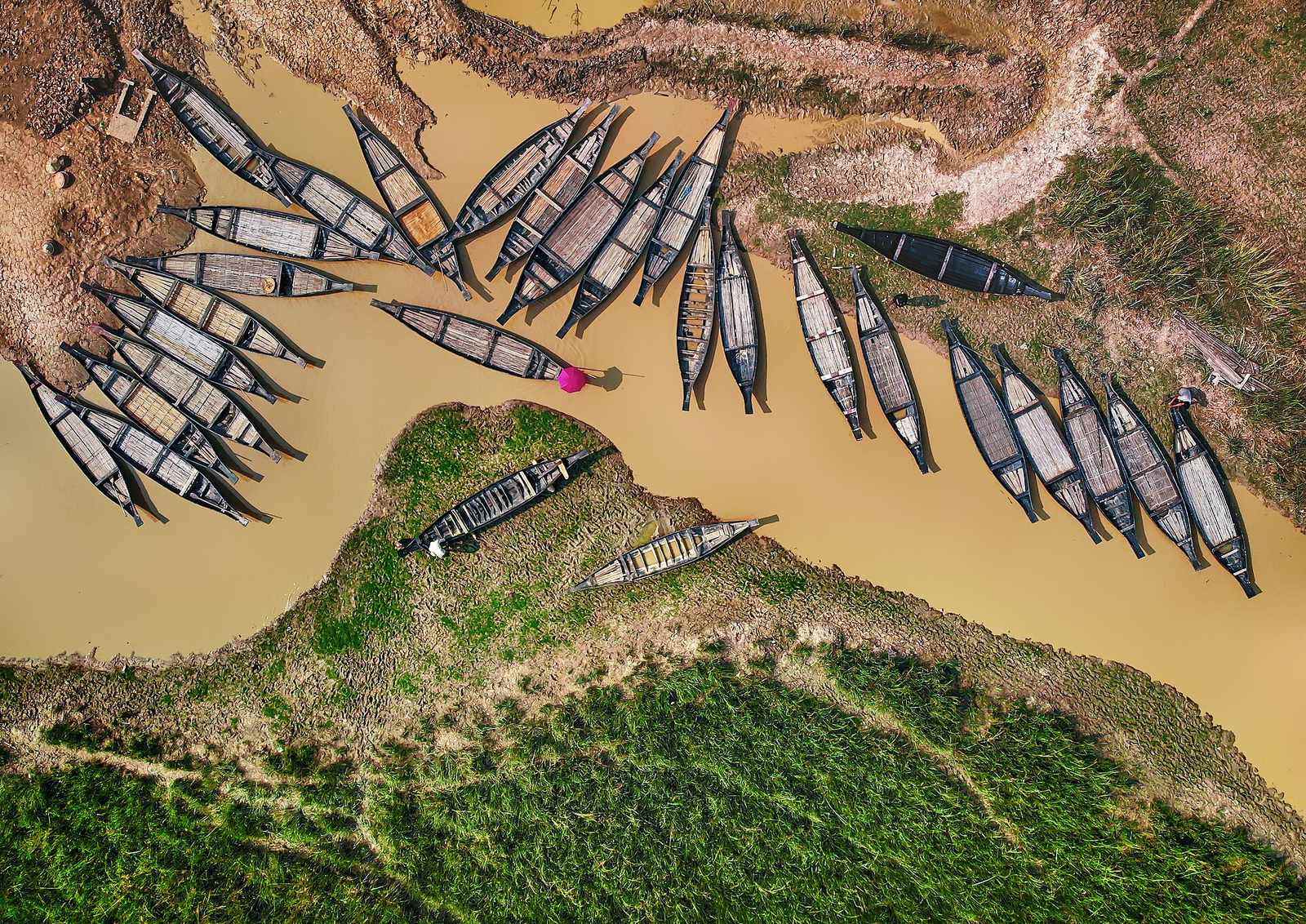
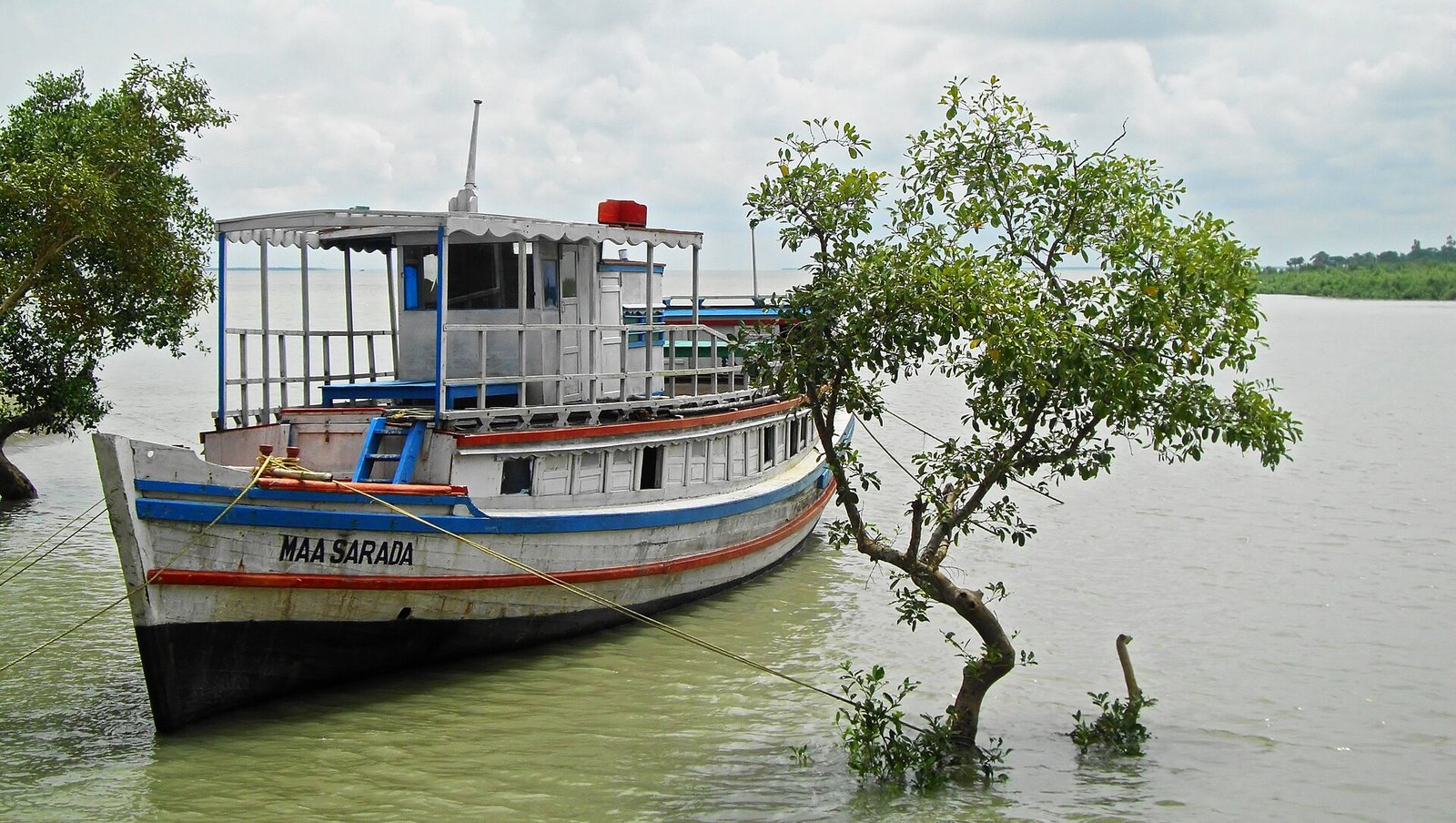
From there, head down to **Sadarghat**, the river terminal where huge triple deck launches leave for the south. Hire a small wooden boat for a short trip across the Buriganga: it is the single most memorable thing to do in the city. Finish with the **Dhakeshwari Temple**, the national Hindu temple, and a plate of biryani in Nazira Bazar.
Modern Dhaka
The **National Parliament House** in Sher-e-Bangla Nagar, designed by Louis Kahn, is one of the great buildings of the twentieth century; you can admire it from the surrounding lakes and gardens. The **Bangladesh National Museum** at Shahbag and the **Liberation War Museum** in Agargaon explain the country's history, from ancient terracotta to the war of 1971. Dhaka University's **Curzon Hall** and the **Central Shaheed Minar**, the Language Movement memorial, are a short walk apart. In the evening, join families strolling **Hatirjheel** or **Dhanmondi Lake**.
Day trips
**Sonargaon**, the old capital of Bengal, is a classic day out: the ghostly merchant houses of Panam Nagar and the Folk Arts and Crafts Museum. Jamdani weaving villages around Rupganj show the fine muslin that made Dhaka famous.
Food
Dhaka eats biryani with passion. Try mutton kacchi at the old Nazira Bazar houses, bhorta mashes and rice at simple canteens, and fuchka and chotpoti from street carts. In Ramadan, the iftar market at Chawkbazar is legendary. Gulshan and Banani have international restaurants and cafés for a break.
Where to stay
Gulshan, Banani and Baridhara are the calmest areas, with international hotels, embassies and cafés, and are closest to the airport. Karwan Bazar and Shahbag are more central for the museums and Old Dhaka. Old Dhaka itself has only basic hotels.
Getting around
Traffic is the defining fact of Dhaka life. The **MRT Line 6** metro runs from Uttara through Agargaon, Farmgate and Shahbag to Motijheel and is the fastest way to cross the city. Uber and Pathao work well for cars and motorbikes. CNG auto rickshaws are useful for medium trips (agree the fare first), and cycle rickshaws are ideal for short hops in Old Dhaka. Avoid planning more than two areas in a day.
Practical tips
Dress modestly, especially in Old Dhaka and at mosques, where women should cover their hair. Carry small notes for rickshaws. Keep phones and bags close in crowds and at Sadarghat. Avoid any political rallies or hartals (strikes), which can close roads with little warning.
Questions about Dhaka
How many days do I need in Dhaka?
Two full days covers Old Dhaka, the river and the main museums. Add a third day for Sonargaon or a slower look at the modern city.
Is Old Dhaka safe for tourists?
Generally yes in daytime. It is very crowded, so watch your bag and phone, dress modestly and use a rickshaw or guide if the lanes feel overwhelming.
What is the best way to get from the airport to the city?
Use a ride app, a prepaid taxi from the official counters, or the elevated expressway route. The metro does not yet reach the terminal directly, so check current links before you travel.
Where should I stay in Dhaka?
Gulshan or Banani for comfort and easy airport access, Shahbag or Karwan Bazar for museums and Old Dhaka.
Facts checked . Fees, schedules and entry rules change, so always confirm the latest with the official source.