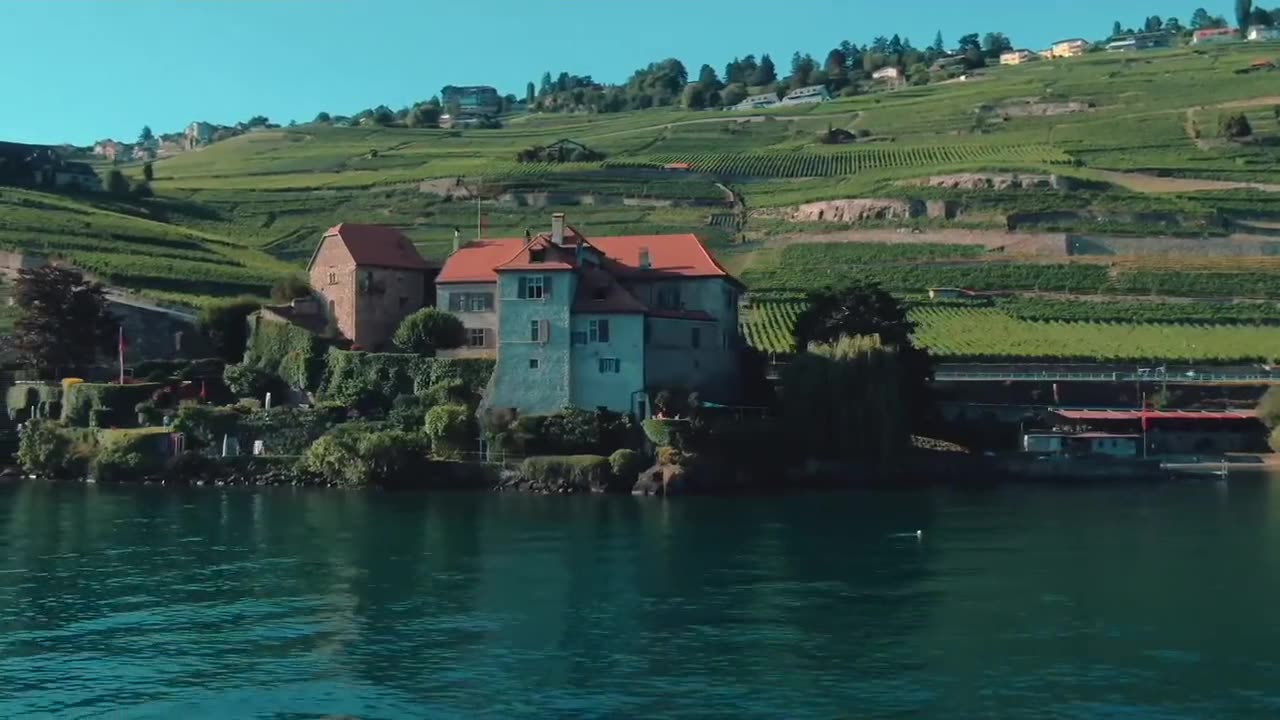
Lavaux, Lake Geneva, SwitzerlandVideo: JSery Films, CC BY 3.0, via Wikimedia Commons
Find your Bliss in Switzerland
Switzerland, made simple: glacier peaks, lakeside towns and trains that run like clockwork
Switzerland fits snowy summits, turquoise lakes, medieval old towns and four languages into a country you can cross by train in a few hours. It is safe, spotless and wonderfully organised, but high prices, mountain weather, Sunday closures and a confusing choice of rail passes can catch first-timers out. This guide explains how it all works so you arrive calm and ready to explore.
Your trip, step by step
- Before you goSchengen entry, the new EU border checks, seasons and insurance, answered
- ArrivingZurich and Geneva airports, trains from the terminal and your first night, explained
- Your days in SwitzerlandLakes, peaks, old towns and scenic trains, planned at a realistic pace
- Heading homeVAT refunds, airport timing and chocolate in your bag, so the last day is calm too
Where to go, eat and stay
- Plain answersClear, honest guidance on the questions first-timers actually ask.
- Official sourcesEntry, health and safety facts point you to the official pages to confirm.
- No price surprisesWe explain rail passes, mountain excursions, tipping and tourist taxes so costs never catch you off guard.
- Free to useEvery guide and the trip planner are free.
Our promise
Switzerland should feel like a quiet morning by a mirror-still lake, not a spreadsheet of train fares. We answer the questions about entry, passes, money, weather and etiquette before they start, so you arrive confident and ready to find your Bliss.
We are a travel guide, not a local agency. We do not run tours or transfers; we help you plan well and point you to official sources.
How to use this guide
Four steps from first idea to a trip that feels easy.
- Choose your SwitzerlandCities and museums, Alpine hiking, ski slopes or lakeside towns: start with the destinations that fit you.
- Sort the essentialsSchengen entry, the right season and current travel advice, checked against official sources.
- Pick your placesUse our places to visit list for fondue spots, lake swims, viewpoints, museums and stays in every region.
- Plan your routeUse the free trip planner to link Zurich, Lucerne, the Bernese Oberland and Geneva at a pace that suits you.
Everything your Switzerland trip needs
Free tools and guides for every stage of the journey.
Destinations
Zurich, Lucerne, Bern, Interlaken and the Jungfrau region, Zermatt and Geneva, each explained in depth.
Explore destinationsPlaces to visit
More than a hundred restaurants, cafés, viewpoints, museums, lake swims and stays, from classics to hidden corners.
See places to visitFlights and stays
Search flights into Zurich, Geneva or Basel and compare stays in each base.
Search travelFree trip planner
Tell us your dates and interests and get a realistic, stress-free Swiss route.
Plan my trip
Lakes and mountains
A lakeside old town by morning, a glacier by lunch
Switzerland's magic is how close everything sits. Trains, boats, cogwheel railways and cable cars link up so smoothly that you can leave Lucerne after breakfast, cruise across the lake and ride to a summit before lunch. Zurich to Interlaken takes about two hours, and from there the Jungfrau peaks are right above you.
- The Jungfrau region above Interlaken, Lauterbrunnen and Grindelwald
- The Matterhorn from car-free Zermatt
- Lucerne's Chapel Bridge, lake steamers and Mount Pilatus
- Bern's arcaded UNESCO old town
Start with the destinations
See how the cities, lakes and Alpine valleys fit together.
Switzerland destinationsPlan with confidence
Your route, without the worry
Switzerland rewards a little preparation: Schengen entry checked for your passport, the right rail pass or saver tickets chosen, mountain trips timed for clear weather, and bases picked so you are not changing hotels every night. Our free planner helps you shape it.
- Realistic travel times between cities and valleys
- Which pass or ticket suits your route
- Seasonal tips for snow, hiking and lake swimming
Where to go in Switzerland
Six bases that cover the country's cities, lakes and high Alps.
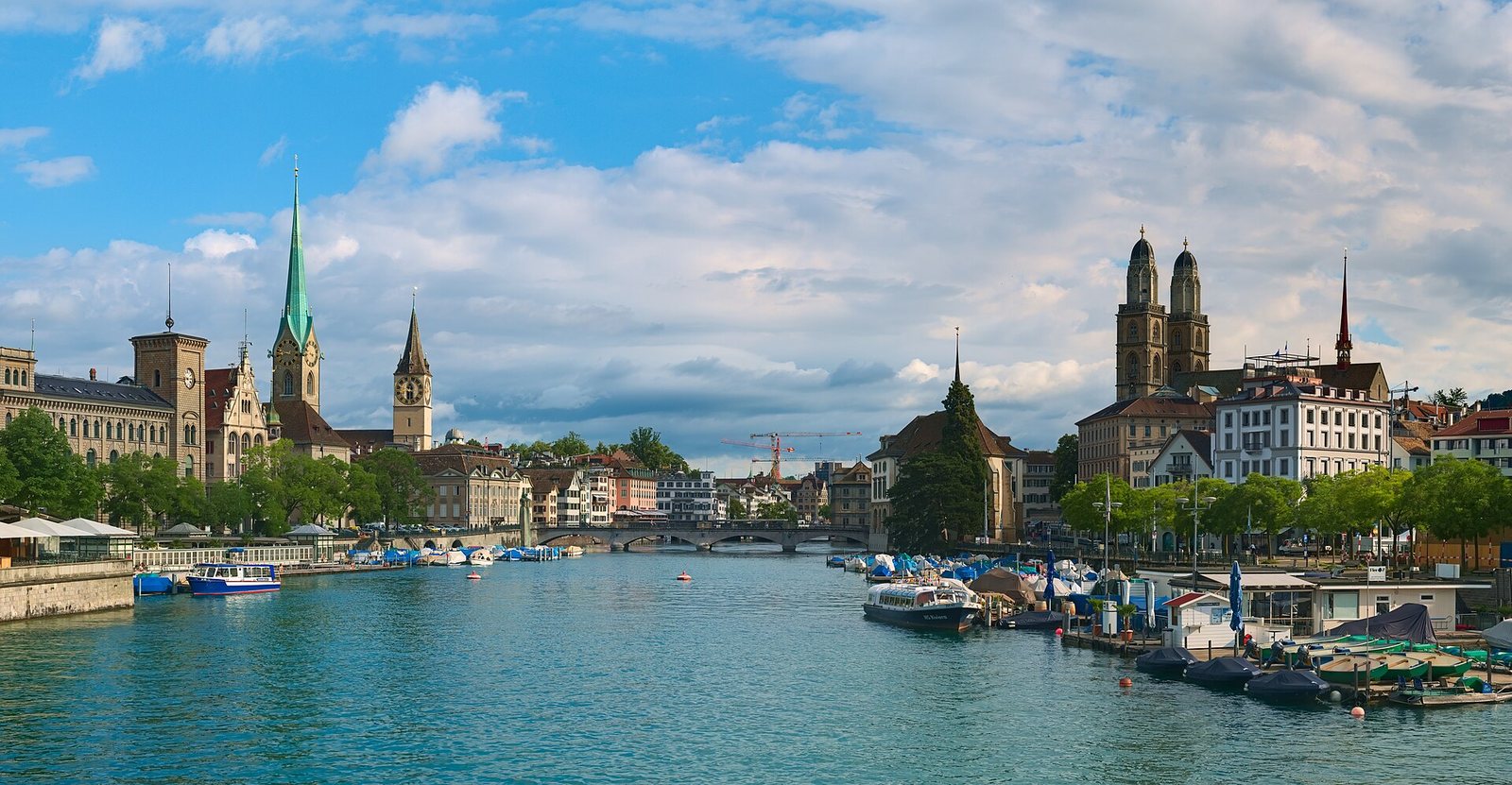
Canton of Zurich, northern Switzerland
Zurich
Switzerland's largest city and main gateway, with a medieval old town, a swimmable lake and river, and a lively food and arts scene.
Read the guidePhoto: Daniel Kraft, CC BY-SA 3.0, via Wikimedia Commons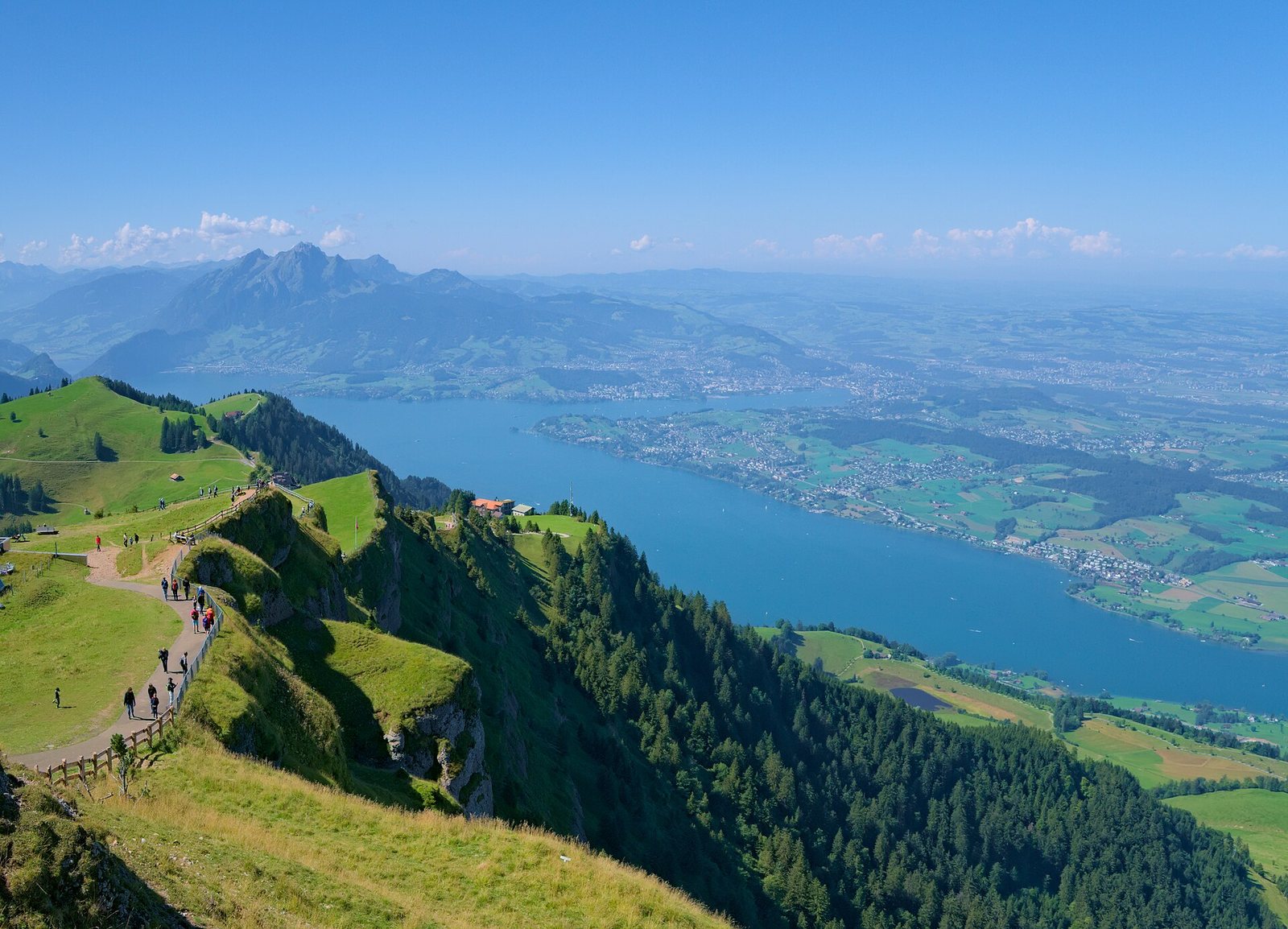
Central Switzerland
Lucerne
The postcard lake city of wooden bridges and painted squares, with boats and mountain railways to Pilatus, Rigi and Titlis.
Read the guidePhoto: Daniel Kraft, CC BY-SA 3.0, via Wikimedia Commons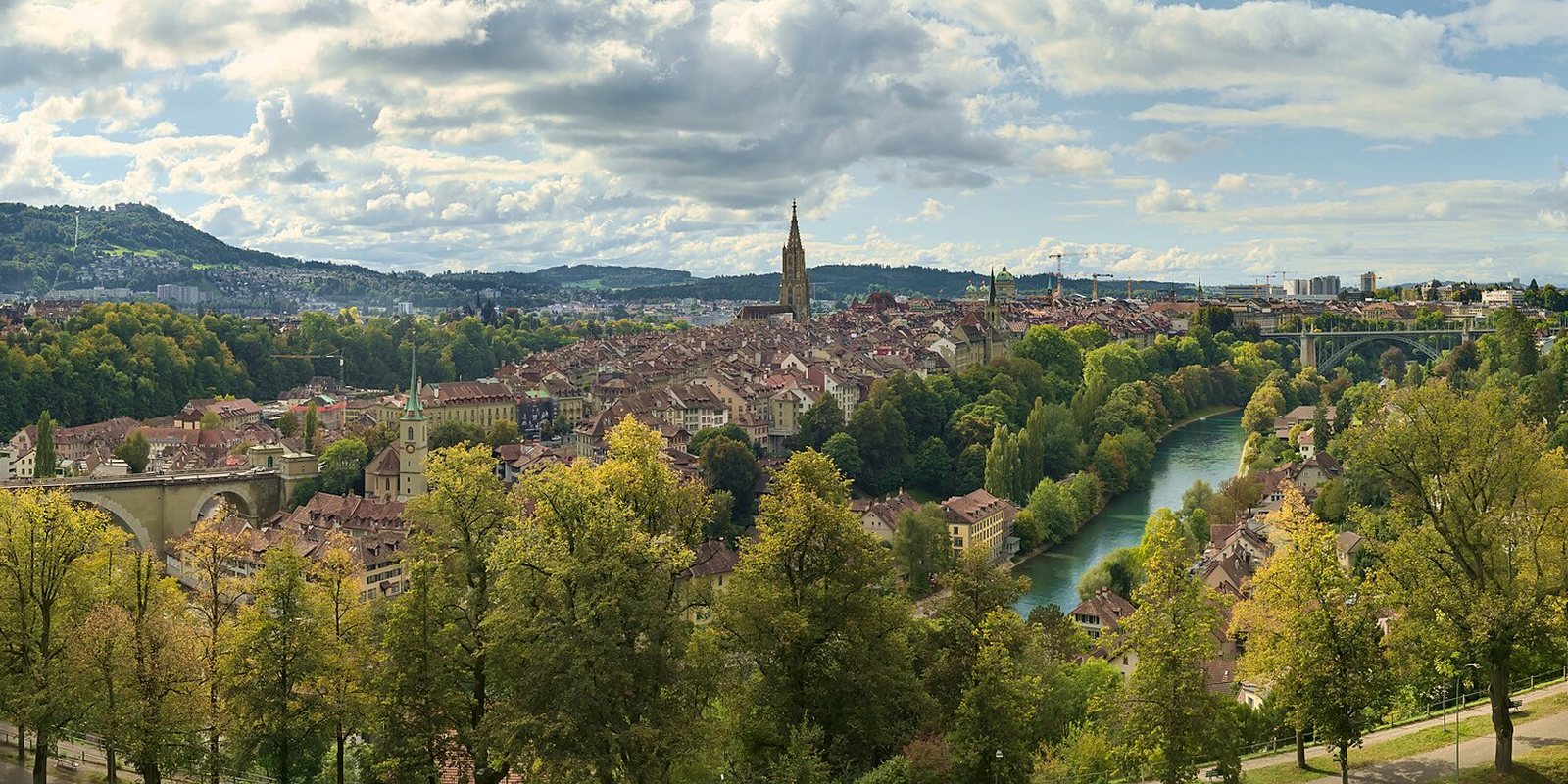
Canton of Bern, western central Switzerland
Bern
The relaxed federal city, with a UNESCO-listed old town of stone arcades and fountains wrapped by the bright green Aare river.
Read the guidePhoto: Daniel Kraft, CC BY-SA 3.0, via Wikimedia Commons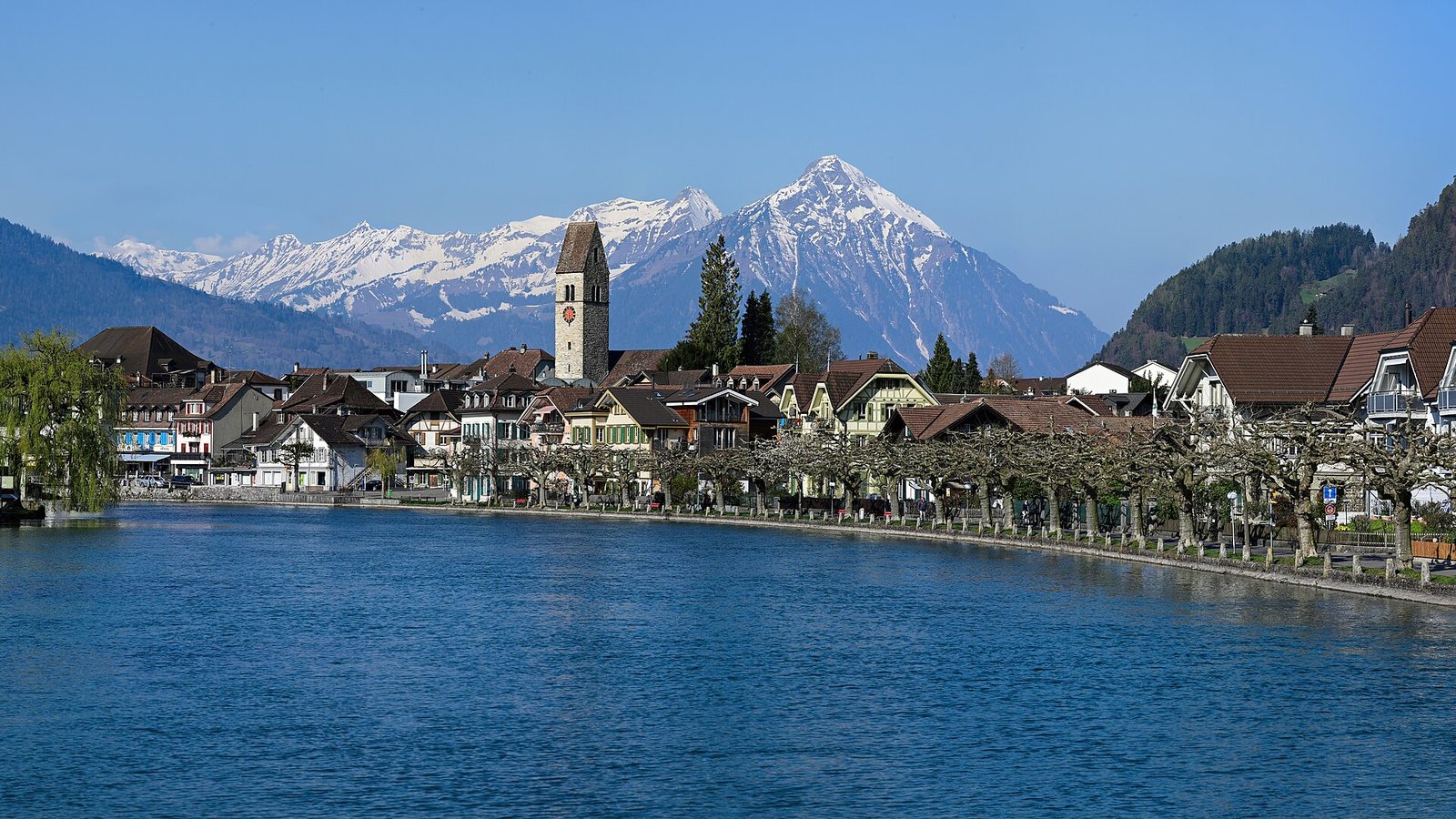
Bernese Oberland, central Switzerland
Interlaken and the Jungfrau
The heart of the Bernese Oberland: two lakes, waterfall valleys, car-free villages and the Eiger, Mönch and Jungfrau peaks.
Read the guidePhoto: NOTE: This image is a panorama consisting of multiple frames that were merged or stitched in software. As a result, this image necessarily underwent some form of digital manipulation. These manipulations may include blending, blurring, cloning, and color and perspective adjustments. As a result of these adjustments, the image content may be slightly different from reality at the points where multiple images were combined. This manipulation is often required due to lens, perspective, and parallax distortions., CC BY-SA 4.0, via Wikimedia Commons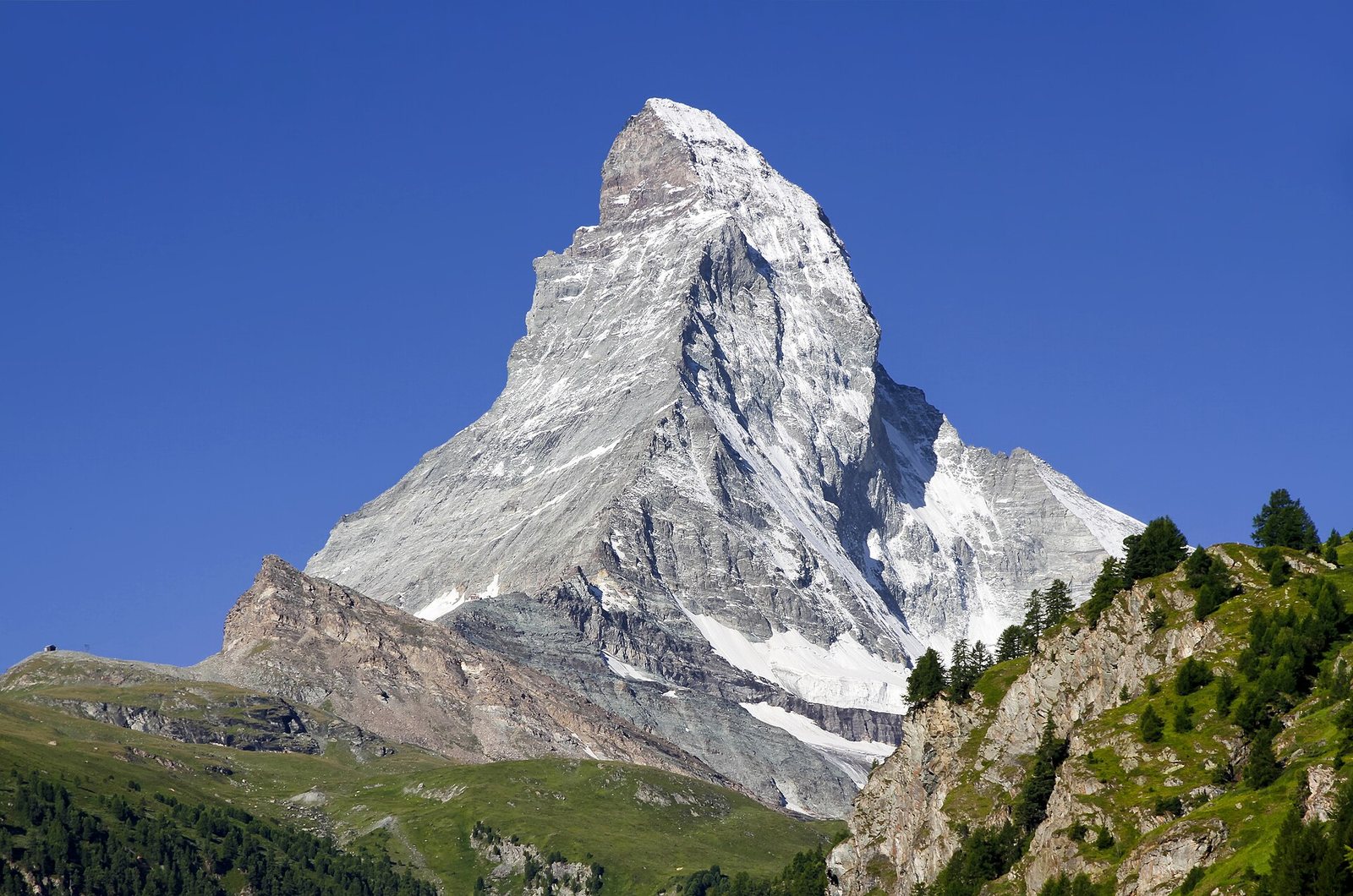
Canton of Valais, southern Switzerland
Zermatt
A car-free mountain village under the Matterhorn, with glacier lifts, year-round skiing and some of the best hiking in the Alps.
Read the guidePhoto: Ximonic (Simo Räsänen), CC BY-SA 4.0, via Wikimedia Commons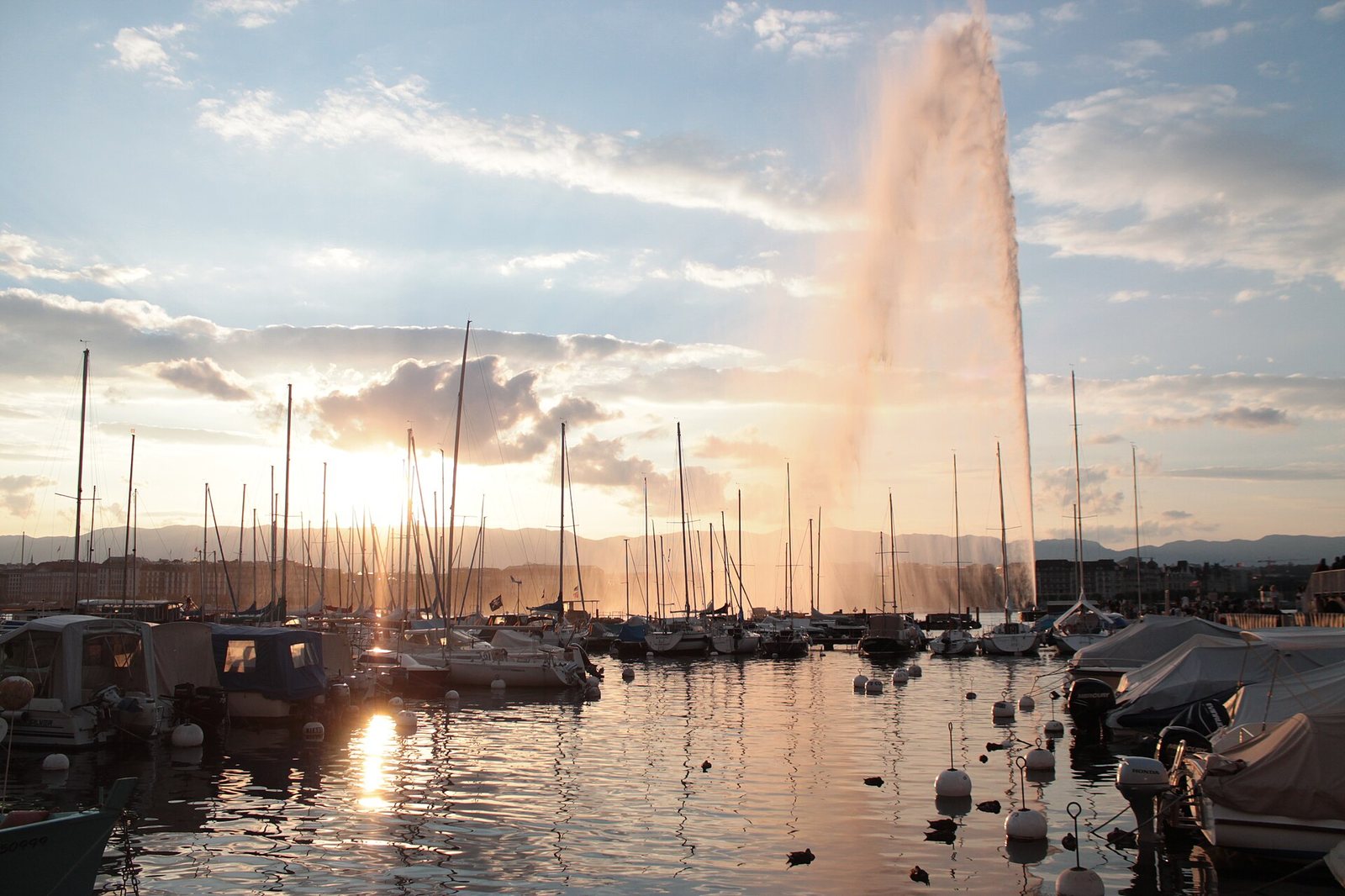
Canton of Geneva, western Switzerland
Geneva
The French-speaking city of diplomacy and watchmaking on Lake Geneva, with an old town, lakeside swims and vineyards nearby.
Read the guidePhoto: John Samuel, CC BY-SA 4.0, via Wikimedia Commons
A note from our founder
A note from our founder
My first time visiting Kenya, I was genuinely surprised with how fast it began feeling like home. The people are so friendly, the food is delicious and familiar, and the accommodations are modern and upscale.
During my travels throughout the continent, I commonly hear tourists share stories about being scammed or taken advantage of, which is both frustrating and disheartening.
Living in Kenya for the last 2 years, I have had the great fortune to meet a network of wonderful Kenyans who have continuously help guide my family's journey. Their shared knowledge has not only greatly enhanced our overall experience here, but it has also saved us tons of time, energy, and resources.
With BlissPoint Travel, my hope is to build a global community that is willing to share useful, uncommon knowledge so that we can all blissfully enjoy the wonders our world has to offer.
Questions we hear most
Do I need a visa to visit Switzerland?
Switzerland is in the Schengen area but not the EU. Many passport holders can visit visa-free for short stays, but rules depend on your nationality. Check the State Secretariat for Migration (SEM) before you book, including the EU Entry/Exit System and the planned ETIAS travel authorisation.
How many days do I need in Switzerland?
A week covers Zurich or Lucerne, the Jungfrau region and one more city comfortably. Ten to fourteen days lets you add Zermatt, Geneva and Lake Geneva or a scenic train like the Glacier Express without rushing.
Is Switzerland expensive?
Yes, it is one of the most expensive countries in Europe, especially for eating out and mountain excursions. Saver train tickets, picnics from supermarkets, free lake swims and walking keep costs under control.
Is Switzerland safe for tourists?
Yes, it is one of the safest countries in the world. Watch for pickpockets at busy stations and in Geneva, and take mountain weather and avalanche warnings seriously.
What is the best way to travel around Switzerland?
By public transport. Trains run by SBB and regional lines connect with buses, boats and mountain railways on one integrated timetable, so you rarely need anything else.
Which language is spoken in Switzerland?
German, French, Italian and Romansh are all national languages, depending on the region. English is widely spoken in cities, hotels and tourist areas.
Ready to plan your Switzerland trip?
Use the free trip planner to build a calm, realistic route, or contact us with any question.