The capital
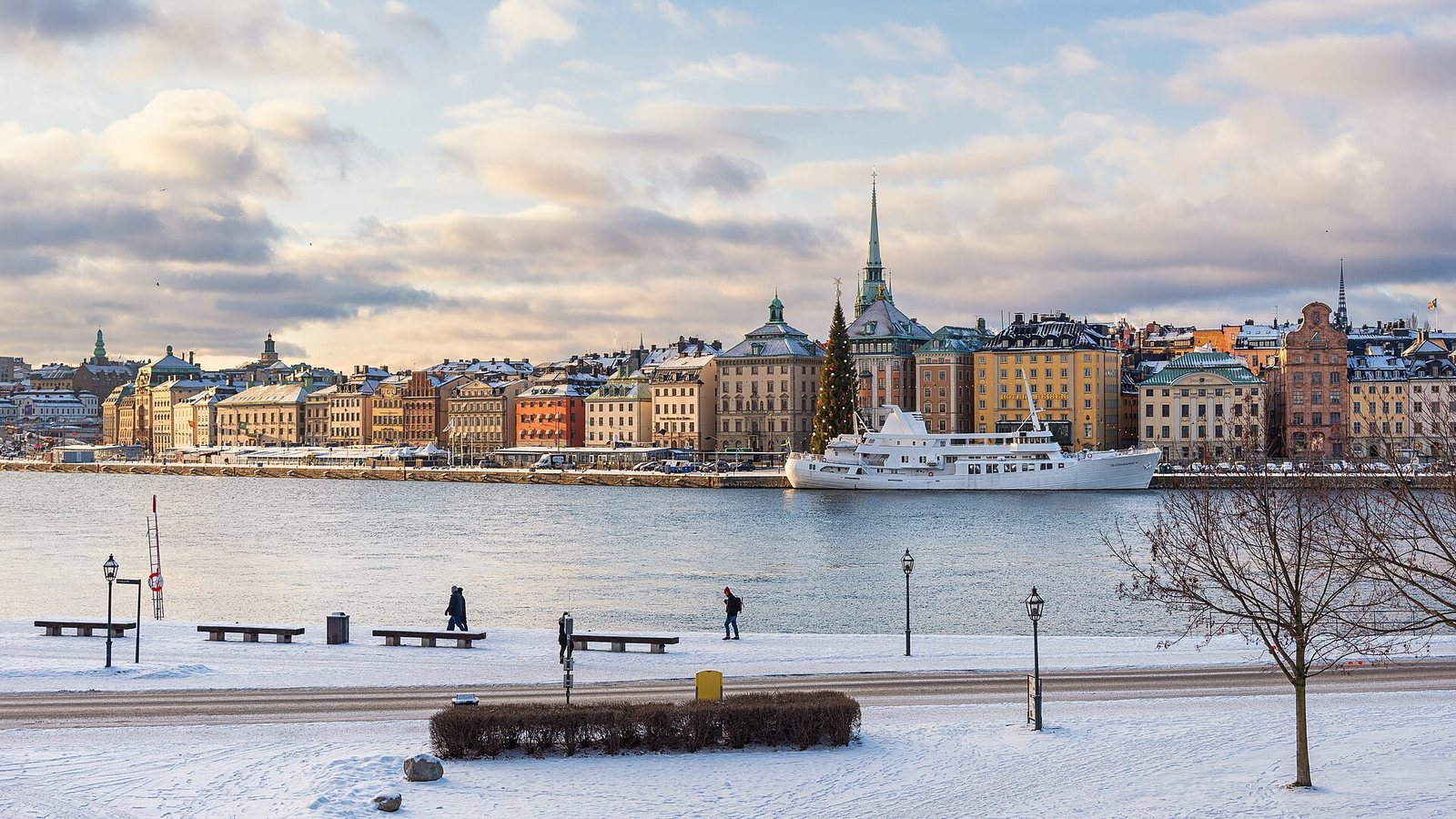
Most trips begin in Stockholm, a city built across fourteen islands where Lake Mälaren meets the Baltic. It has the medieval lanes of Gamla stan, the Vasa Museum, Skansen and a sprawling archipelago of some thirty thousand islands reached by public ferry. Give it three nights at least.
The west coast
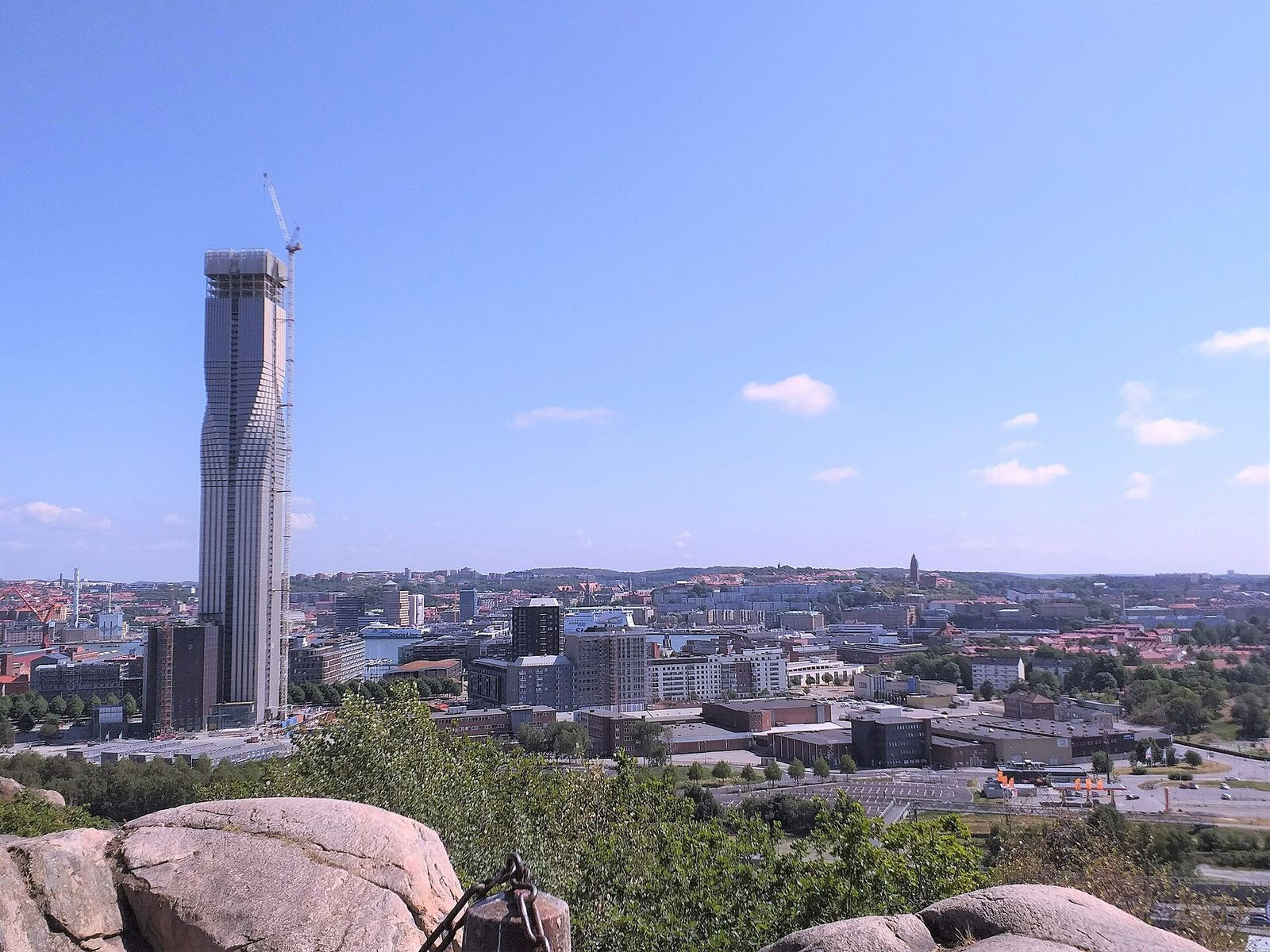
Gothenburg is the country's second city: relaxed, friendly and obsessed with seafood. It has canals, the Liseberg amusement park, the wooden houses of Haga and car-free islands a tram and ferry ride away. North of it, the granite Bohuslän coast is dotted with fishing villages that come alive in summer.
The south
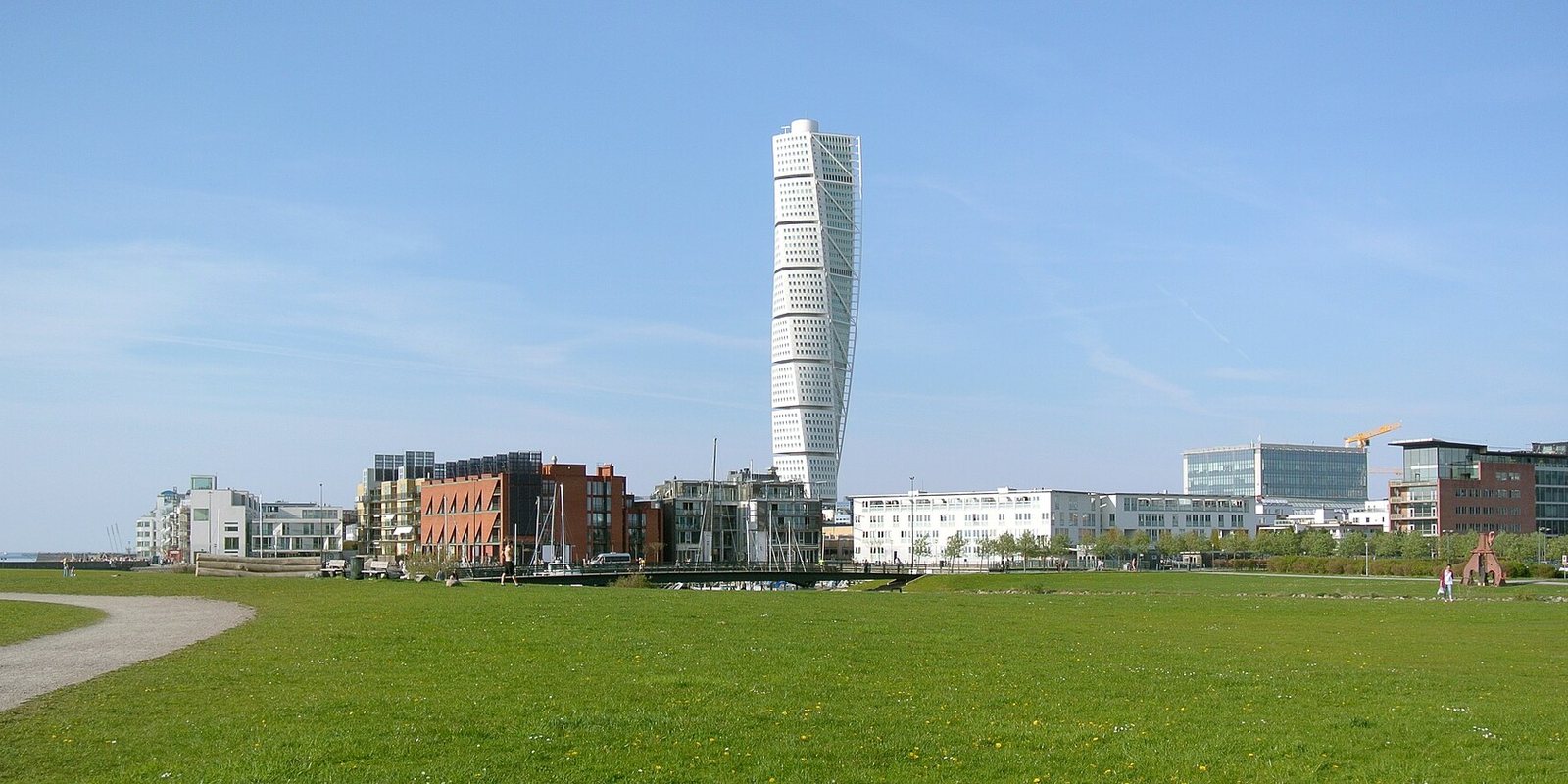
Malmö and Skåne cover the green, gentle south. Malmö is young and multicultural, with sea saunas and a city beach, and it sits just across the Öresund Bridge from Copenhagen. Around it lie the university town of Lund, castles, apple orchards and the white beaches and cliffs of Österlen.
The islands
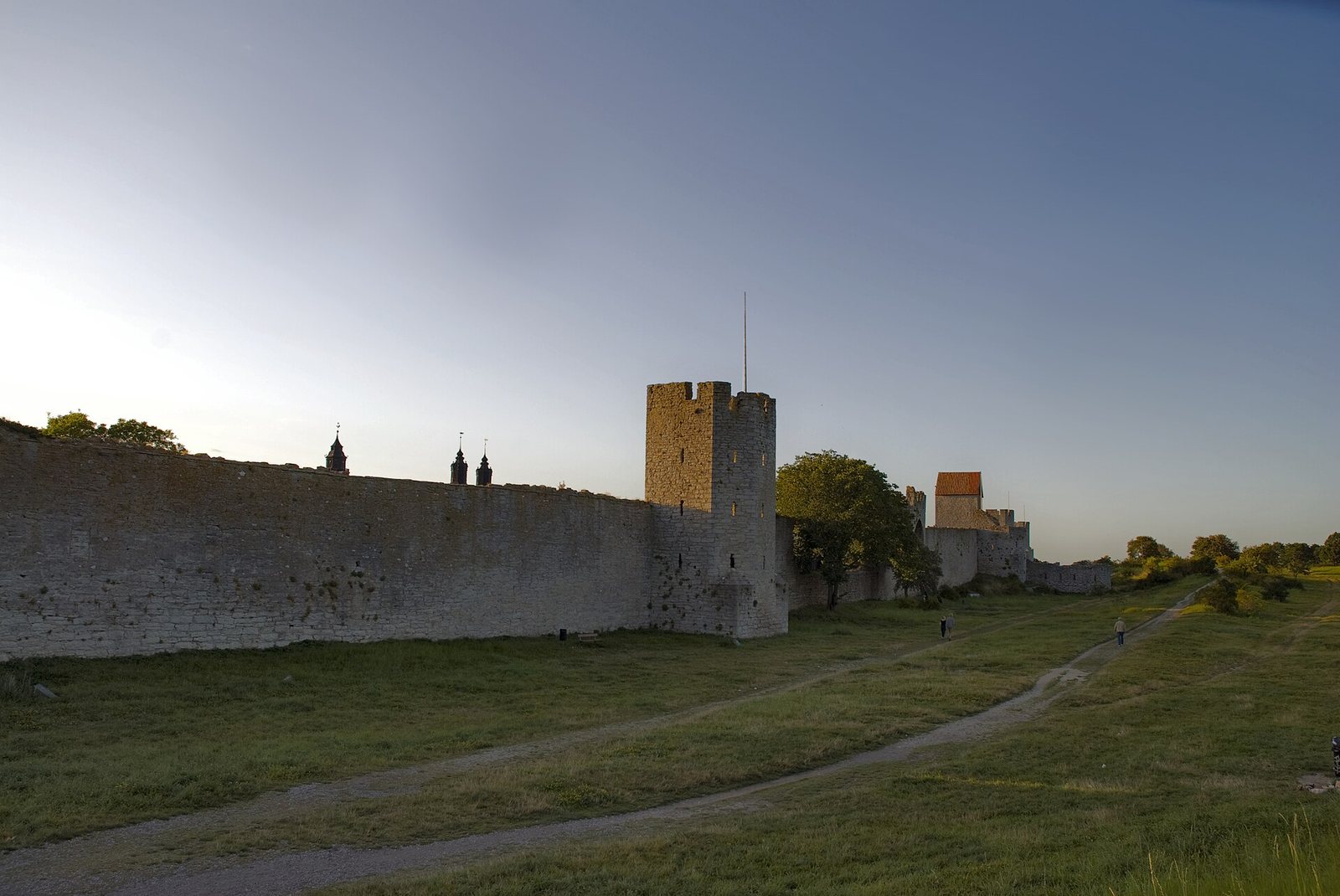
Gotland is Sweden's biggest island, out in the Baltic. Its capital, Visby, is a walled medieval town and a UNESCO World Heritage Site. In summer the island fills with Swedes on holiday, cycling between beaches, sea stacks and old churches.
The Arctic north
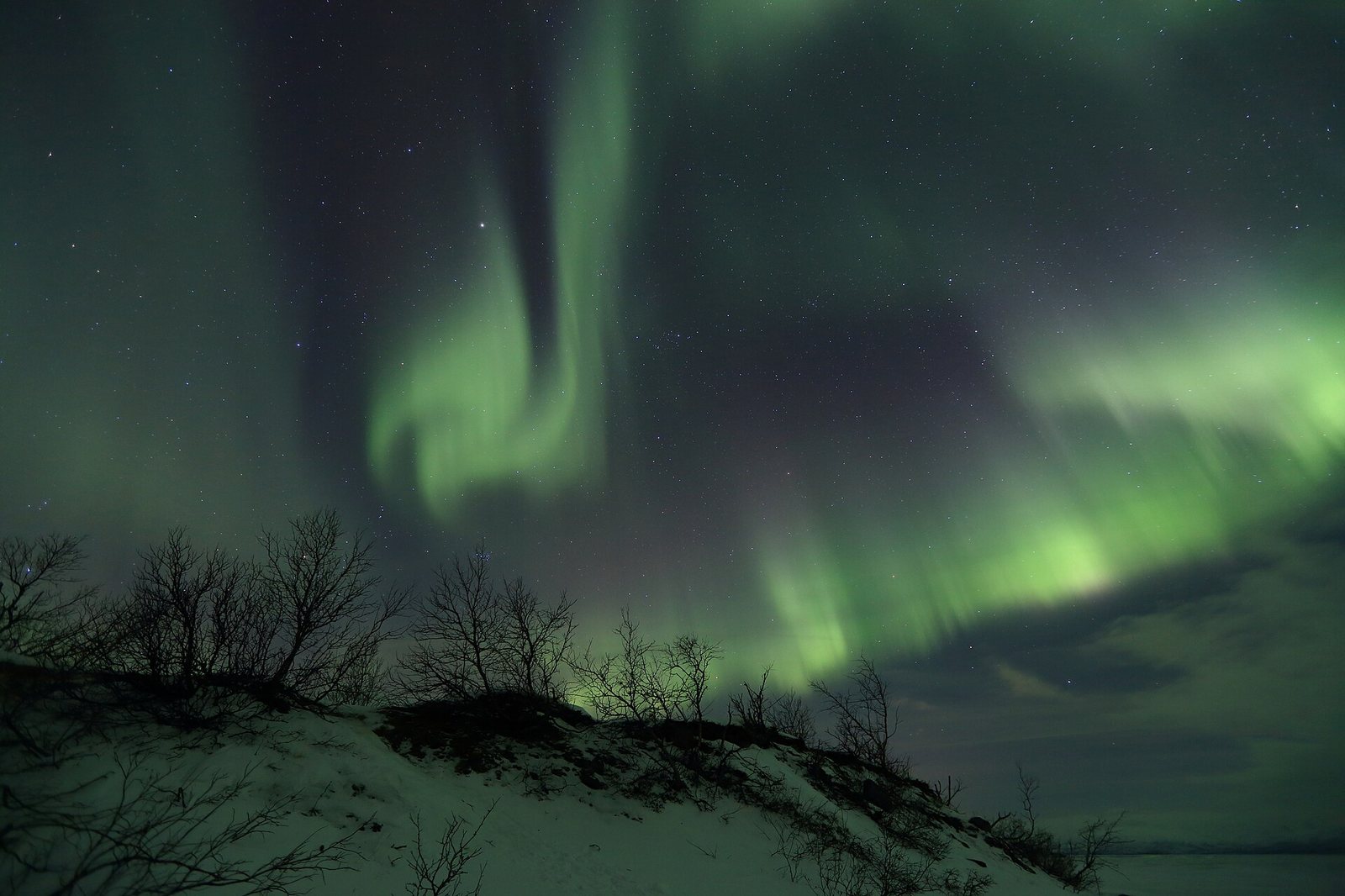
Swedish Lapland is the land of the Sami, reindeer, the Icehotel, the midnight sun and the northern lights. Kiruna and Abisko are the main bases, reached by a short flight or a scenic night train from Stockholm.
How to combine them
For a first week, pair Stockholm with Gothenburg or Malmö by fast train. With ten to fourteen days, add Gotland in summer or Lapland in winter. Trains link the cities well, and domestic flights or the night train save time going north.
When you have a shortlist, use the places to visit list and the free trip planner to shape the route.