At a glance
- Best for
- Museums, old town walks, design, food and island hopping
- Airport
- Stockholm Arlanda (ARN), about twenty minutes from the centre on the Arlanda Express
- Time needed
- Three to four days
- Best season
- May to September, plus December for Christmas markets
- Getting around
- Walking, metro, trams, buses and ferries on one SL ticket
- Good base for
- Uppsala, Drottningholm, Sigtuna and the archipelago
Why go
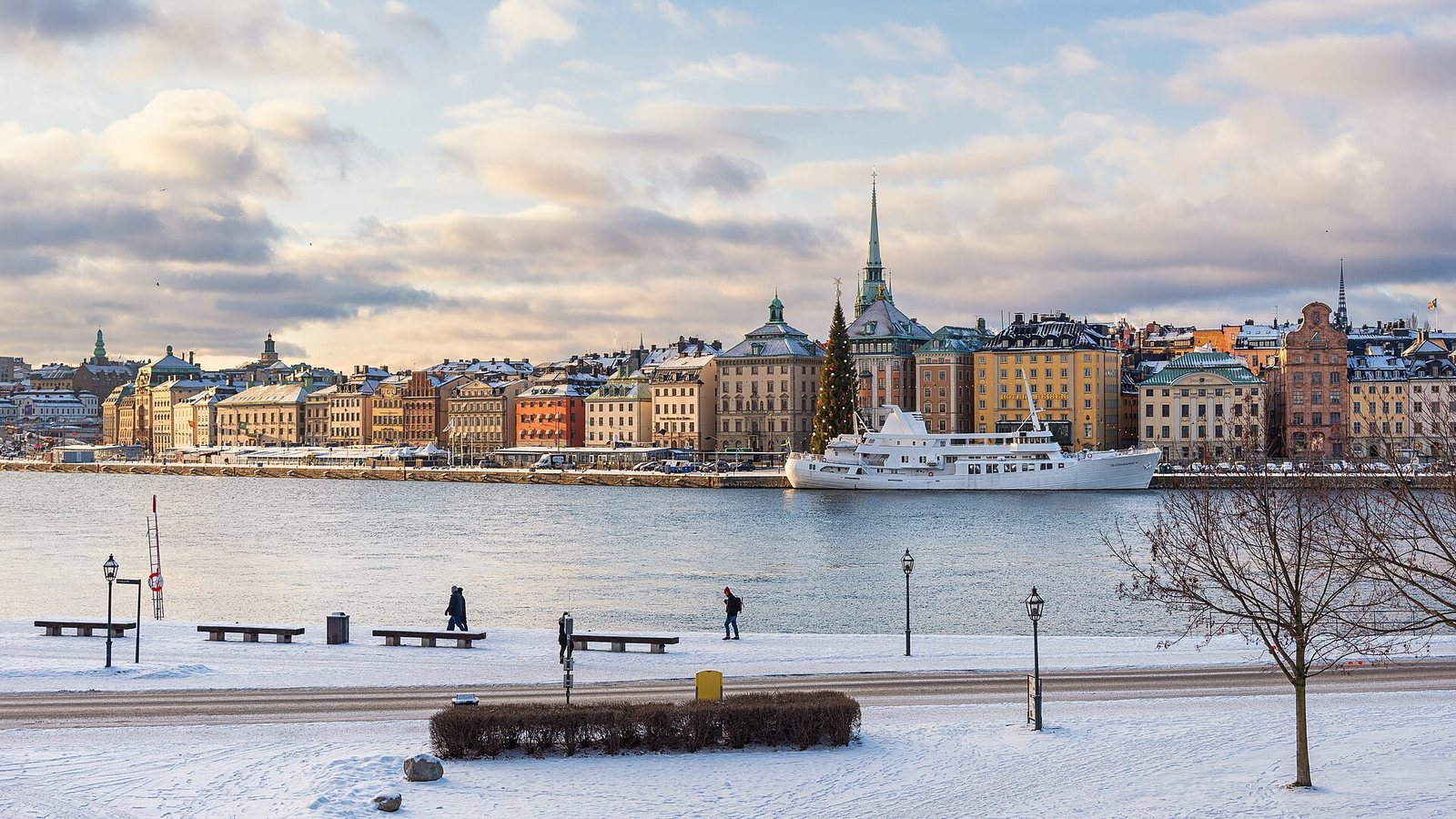
Few capitals mix history, design and nature as easily as Stockholm. In one day you can walk the medieval lanes of Gamla stan, see a seventeenth century warship raised from the harbour, take a public ferry to an island and swim from the rocks in summer. The city is compact, English is spoken everywhere and almost everything can be paid for by card or phone.
The main areas
**Gamla stan** is the old town, a small island of narrow cobbled lanes, ochre houses, the Royal Palace, Stockholm Cathedral and the Nobel Prize Museum on Stortorget square. It is lovely early in the morning before the crowds.
**Norrmalm** is the modern centre, with the central station, the shopping streets around Drottninggatan, the Kungsträdgården park and many hotels.
**Östermalm** is the elegant district of grand apartment blocks, embassies, smart restaurants and the restored Östermalms Saluhall food market.
**Södermalm**, or Söder, is the creative island to the south, with vintage shops in SoFo, cafés, bars, cliff-top views from Monteliusvägen and Fotografiska, the photography museum.
**Djurgården** is a green royal park island holding the Vasa Museum, Skansen, ABBA The Museum, the Nordic Museum and the Gröna Lund amusement park. You can reach it by tram, ferry or a pleasant walk along the water.
**Kungsholmen** is a calmer residential island with City Hall, waterside paths and good neighbourhood restaurants.
Top things to do
The **Vasa Museum** is the city's most visited sight for good reason: a warship that sank on its maiden voyage in 1628 and was raised almost intact. **Skansen** is an open-air museum of historic farmhouses, craft workshops and Nordic animals, wonderful for children and at its best during midsummer and Christmas. Take a tour of **City Hall** to see the Golden Hall and climb its tower. Ride the **metro** just to see the art in stations like T-Centralen, Kungsträdgården and Solna Centrum.
On a sunny day, take a **Waxholmsbolaget ferry** into the archipelago. Vaxholm is under an hour away, while Grinda and Sandhamn feel like proper island escapes. In summer, boats also run to **Drottningholm Palace**, the royal family's home and a UNESCO World Heritage Site.
Food and fika
Fika, the coffee and cake break, is a daily ritual. Try a cinnamon or cardamom bun at a bakery or an old konditori like Vete-Katten. For lunch, look for the dagens lunch, a set weekday lunch that is the best value meal in the city. Try Swedish meatballs, toast skagen with prawns, pickled herring and fried Baltic herring sold from stalls near Slussen. For dinner, Stockholm has everything from old beer halls to modern Nordic tasting menus.
Where to stay
Norrmalm is the most practical base, close to the central station and airport trains. Gamla stan is atmospheric but small and busy. Södermalm suits travellers who want cafés and nightlife, and Östermalm suits those who want quiet and elegance. Book early for summer and for major events.
Getting around
The SL network covers the metro, commuter trains, trams, buses and some ferries on one ticket. Pay with a contactless card at the gates or buy a travel pass in the SL app. Walking is often the quickest way between central islands, and city bikes and e-scooters are common in summer. The Arlanda Express train is the fastest link to the airport, and commuter trains and airport buses are cheaper options.
Day trips
**Uppsala**, under forty minutes by train, has Scandinavia's tallest cathedral and the royal burial mounds of Gamla Uppsala. **Sigtuna** is Sweden's oldest town, with rune stones and a pretty lakeside main street. The archipelago, Drottningholm and the lakeside castle of Gripsholm in Mariefred make easy summer outings.
Questions about Stockholm
How many days do I need in Stockholm?
Three days covers Gamla stan, Djurgården's museums and Södermalm. A fourth day lets you add the archipelago or Uppsala.
Is Stockholm expensive?
Yes, dinners out and alcohol cost a lot. Weekday lunch deals, bakeries, supermarkets, free sights like the metro art and Monteliusvägen, and a travel pass for ferries all help.
Can I use cash in Stockholm?
Barely. Many cafés, shops, museums and all public transport are card only. Bring a contactless card or phone wallet and keep a little cash only as a backup.
Is Stockholm safe?
Yes, the central areas visitors use are very safe. Watch for pickpockets around the central station, Gamla stan and busy trains, and follow your government's travel advice about wider security.
Facts checked . Fees, schedules and entry rules change, so always confirm the latest with the official source.