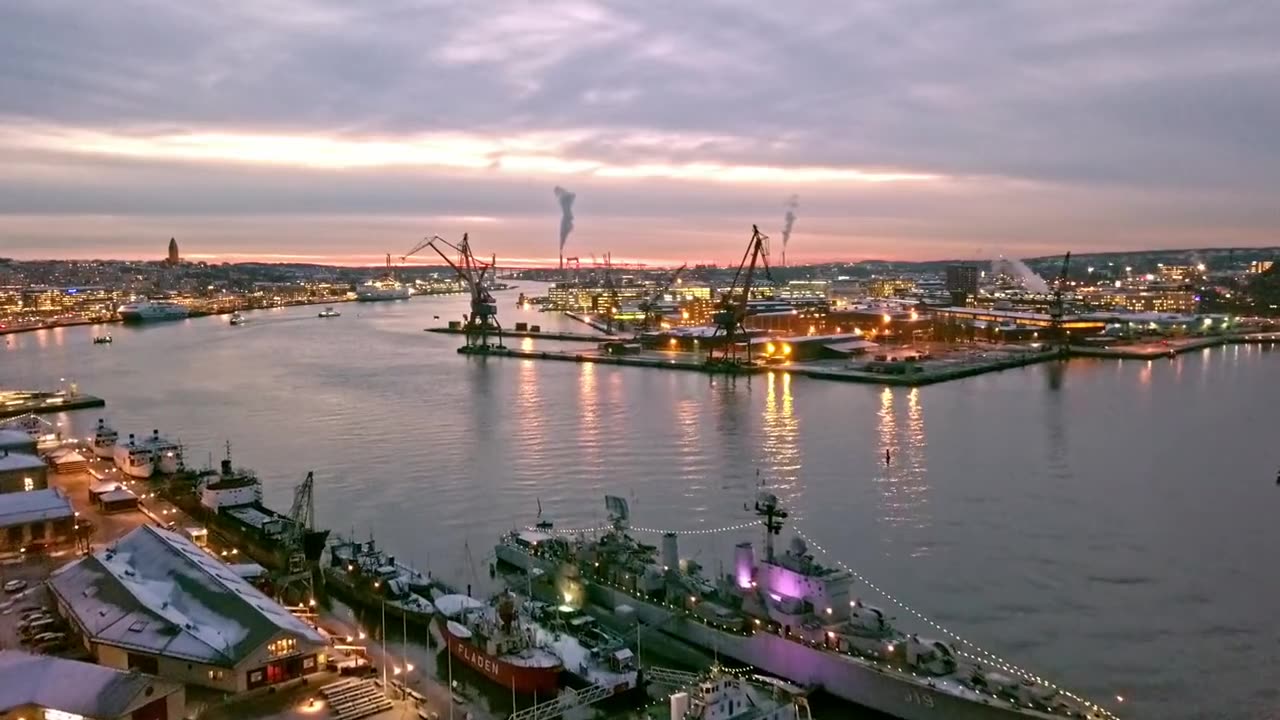
Gothenburg harbour at dusk, SwedenVideo: christian akerlund, CC0, via Wikimedia Commons
Find your Bliss in Sweden
Sweden, made simple: island cities, fika, forests, lakes and the Arctic north
Sweden is a long, forested Nordic kingdom of waterside cities, red wooden cottages, archipelagos and Arctic wilderness. It is safe, efficient and almost entirely cashless, but it is pricey, the seasons swing from endless summer light to dark winters, and distances are long. This guide takes the guesswork out of entry, money, transport and seasons so you travel with confidence.
Your trip, step by step
- Before you flySchengen entry, the new EU border checks, seasons and budgets, answered
- LandingStockholm Arlanda, the airport trains into town, cards and your first night, explained
- Your days in SwedenCities, archipelagos, lakes and Lapland, planned with care
- Home againDeparture tips so the last day is calm too
Where to go, eat and stay
- Plain answersClear, honest guidance on the questions first-timers actually ask.
- Official sourcesEntry, health and safety facts point you to the official pages to confirm.
- No price surprisesWe explain kronor, card-only payments, transport tickets, the Systembolaget alcohol shops and how to keep costs down.
- Free to useEvery guide and the trip planner are free.
Our promise
Sweden should feel like calm, not worry. We answer the questions about entry, money, trains, ferries, weather and costs before they start, so you arrive confident and ready to find your Bliss.
Coming back from Minnesota, Illinois or anywhere else to find the parish your family left, or meeting cousins in Småland and Värmland? This guide was written with you in mind too.
How to use this guide
Four steps from first idea to a trip that feels easy.
- Choose your SwedenCities, islands, lakes or the Arctic north: start with the destinations that fit you.
- Sort the essentialsSchengen entry rules, the right season and current travel advice, checked against official sources.
- Pick your placesUse our places to visit list for cafés, museums, saunas, markets and stays across the country.
- Plan your routeUse the free trip planner to link Stockholm, the west coast, the south and Lapland by train and short flights.
Everything your Sweden trip needs
Free tools and guides for every stage of the journey.
Destinations
Stockholm, Gothenburg, Malmö and Skåne, Gotland and Swedish Lapland, each explained in depth.
Explore destinationsPlaces to visit
More than a hundred cafés, museums, saunas, markets and stays, from classics to hidden corners.
See places to visitFlights and stays
Search flights into Stockholm, Gothenburg and Malmö and stays in every region.
Plan travelPlaces finder
Restaurants, sights and stays mapped around each base.
Find placesFree trip planner
Tell us your dates and interests and build a route that fits.
Plan your trip
The classic Sweden trip
Stockholm, the archipelago, the west coast and the Arctic north
Most first trips start with three nights in Stockholm for Gamla stan, the Vasa Museum, Skansen and a boat into the archipelago. Then take the fast train west to Gothenburg for seafood and the Bohuslän coast, or south to Malmö and the beaches and castles of Skåne. With more time, ferry to Gotland for medieval Visby in summer, or fly north to Kiruna and Abisko for the northern lights, dog sledding and the Icehotel in winter. A week covers two cities and an island day; ten to fourteen days adds Lapland or Gotland at an easy pace.
- Gamla stan and the Vasa Museum in Stockholm
- A ferry day in the Stockholm archipelago
- Seafood and islands on the west coast
- Northern lights over Abisko in winter
Start with the destinations
See how the capital, the coasts, the islands and Lapland fit together.
Sweden destinationsPlan with confidence
Your route, without the worry
Sweden rewards a little preparation: entry rules checked for your passport, a contactless card because many places refuse cash, the SJ and local transit apps, the right season for light or snow, and a budget that leans on lunch deals, fika, supermarkets and the right of public access. Our free planner helps you shape it.
- Realistic train and flight times across a very long country
- The right season for archipelago summers, autumn colour or northern lights
- How to keep a pricey country affordable
Where to go in Sweden
From the island capital of Stockholm and seafood-loving Gothenburg to Malmö and the farmland of Skåne, medieval Visby on Gotland and the snowy wilderness of Swedish Lapland.
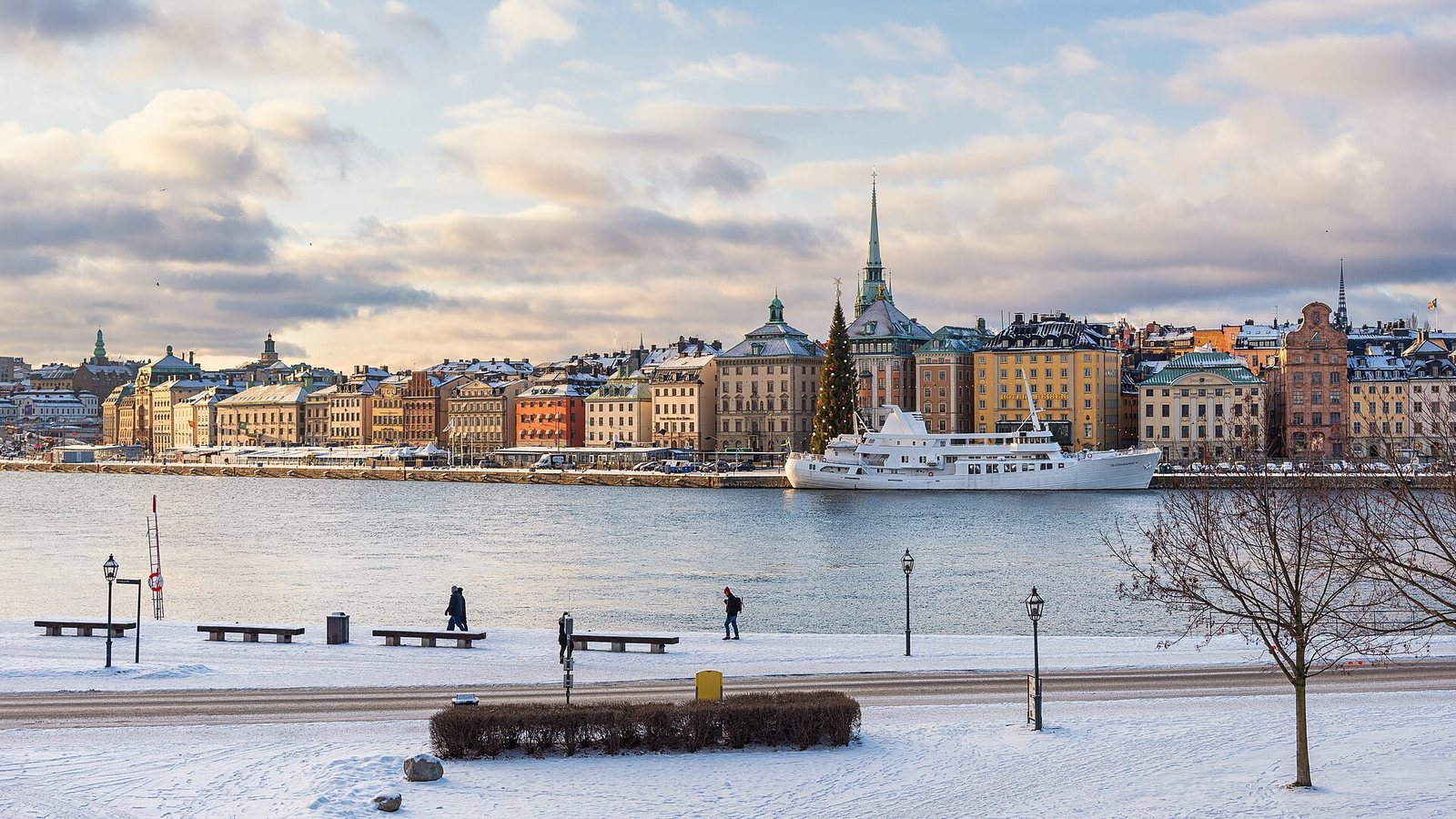
Eastern Sweden
Stockholm
A capital spread across islands, with a medieval old town, world-class museums and a vast archipelago at the end of the ferry line.
Read the guidePhoto: Julian Herzog (Website), CC BY 4.0, via Wikimedia Commons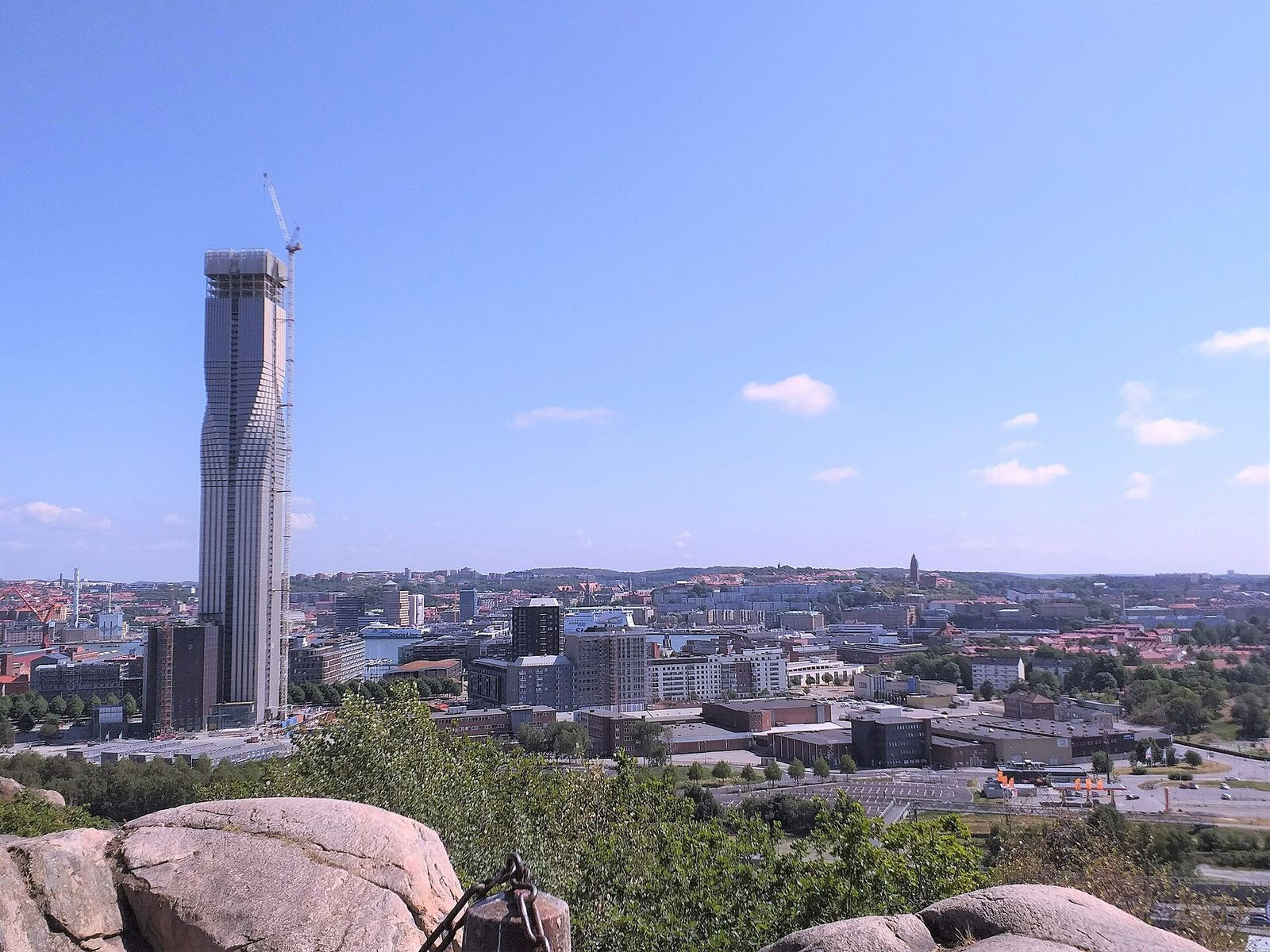
West Sweden
Gothenburg
Sweden's friendly second city, with canals, seafood, a famous amusement park and car-free islands a tram and ferry away.
Read the guidePhoto: Axadem, CC BY-SA 4.0, via Wikimedia Commons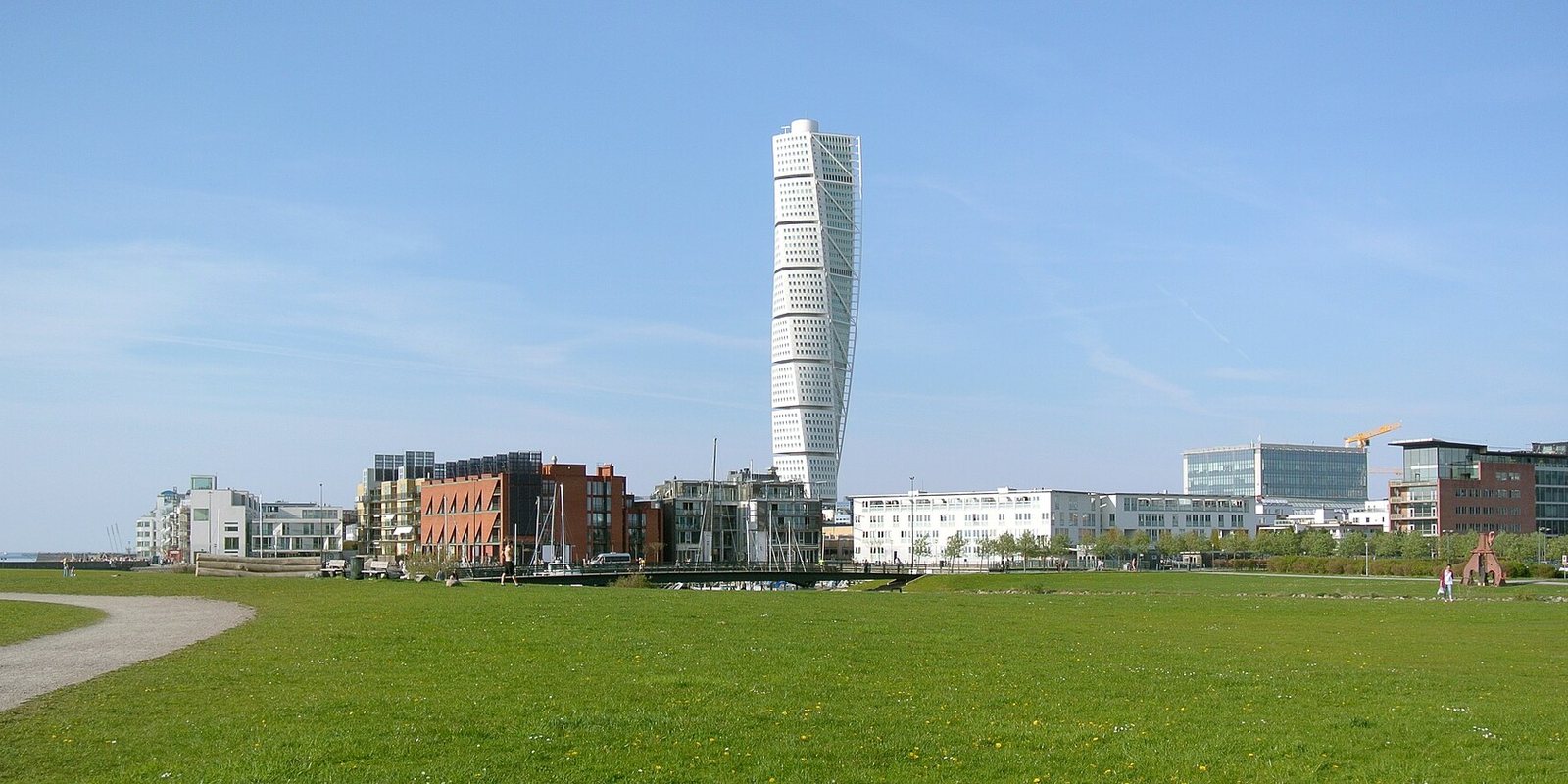
Southern Sweden
Malmö and Skåne
A young, multicultural city by the sea, surrounded by farmland, castles, beaches and the student town of Lund.
Read the guidePhoto: Adbar, CC BY-SA 4.0, via Wikimedia Commons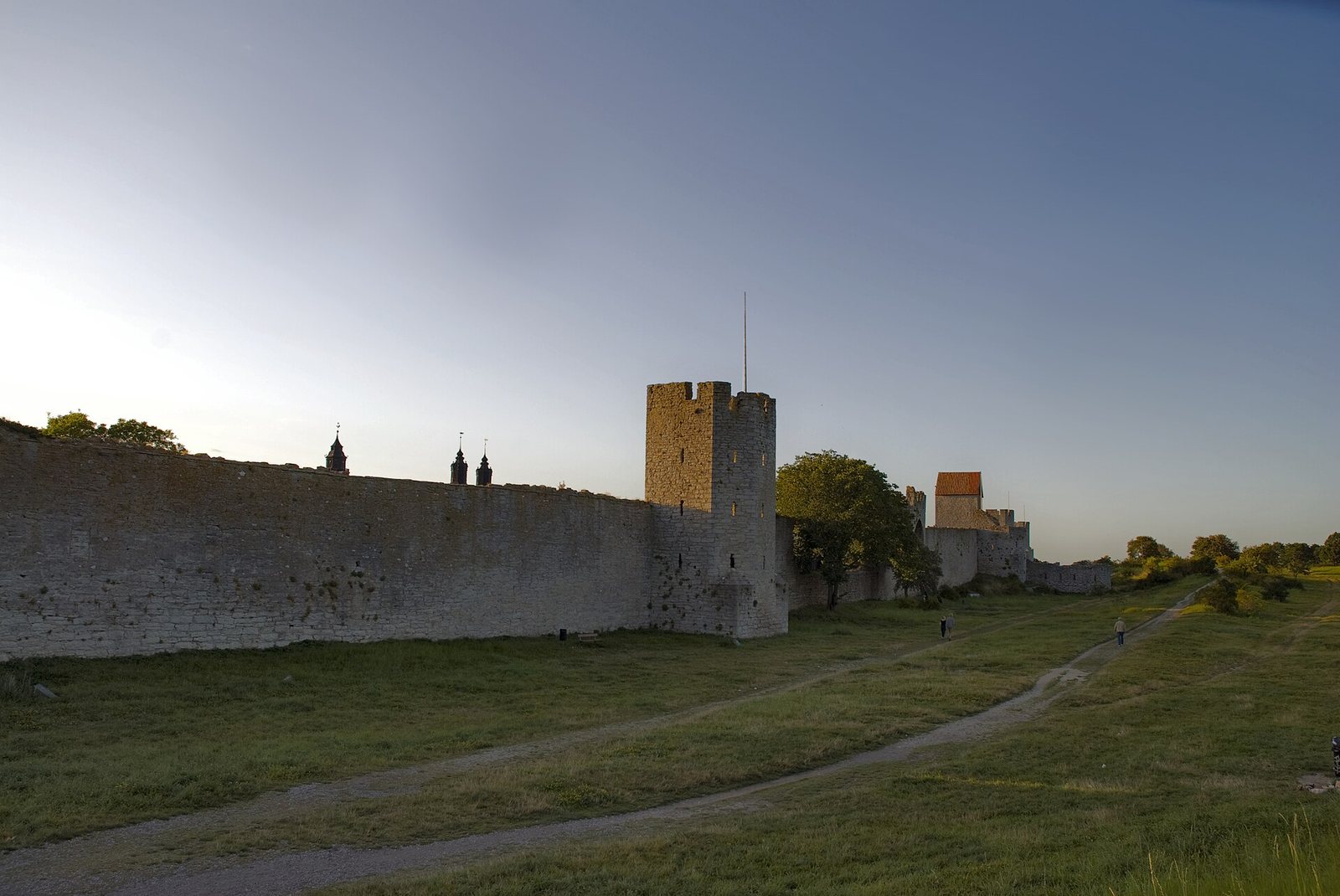
Baltic Sea
Gotland
Sweden's largest island, with a walled medieval town, limestone sea stacks, beaches and quiet country churches.
Read the guidePhoto: Berit from Redhill/Surrey, UK, CC BY 2.0, via Wikimedia Commons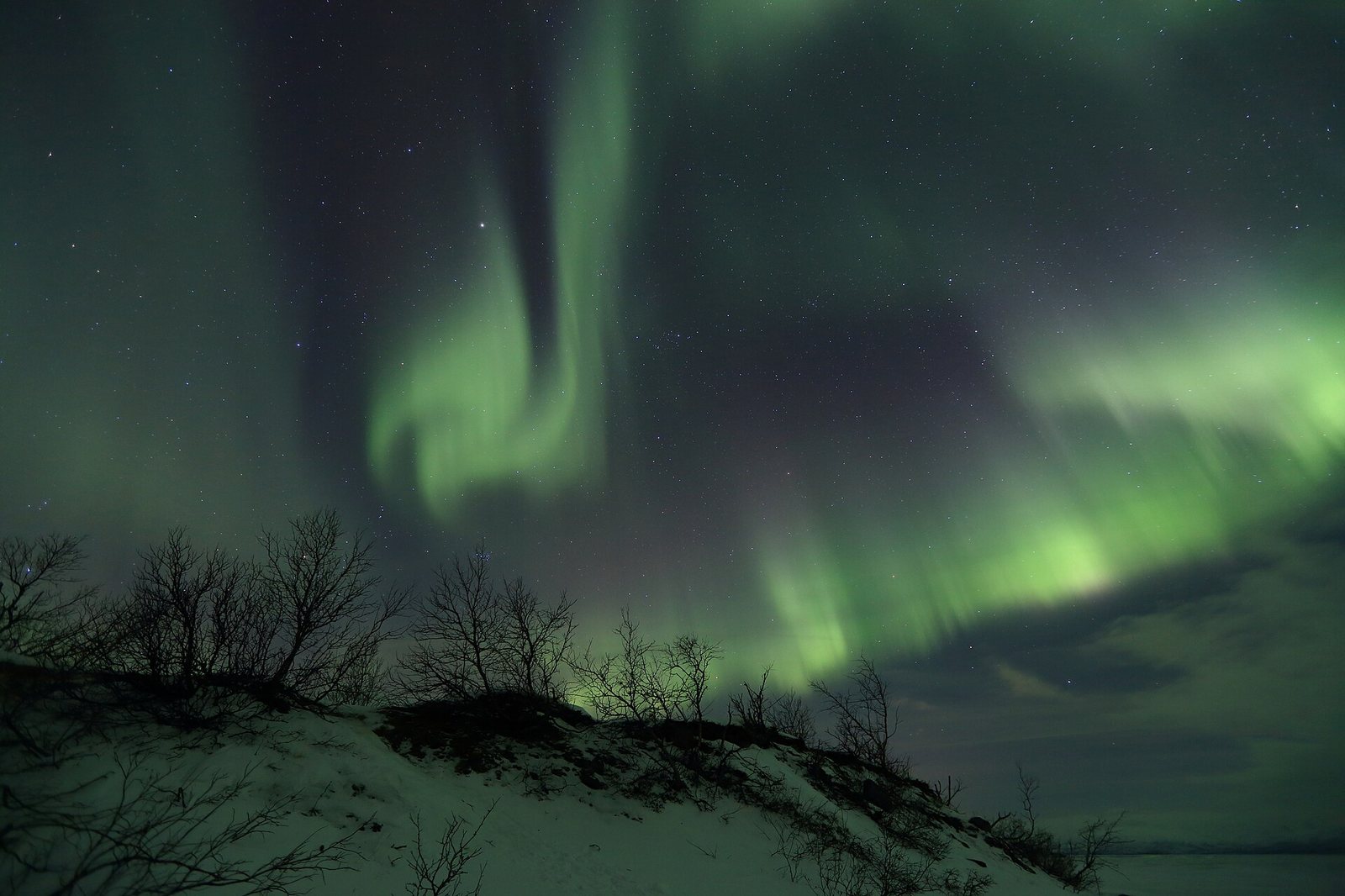
Northern Sweden
Swedish Lapland
Arctic Sweden: the land of the Sami, reindeer, the Icehotel, midnight sun summers and northern lights winters.
Read the guidePhoto: Pavel.shyshkouski, CC BY-SA 4.0, via Wikimedia Commons
A note from our founder
A note from our founder
My first time visiting Kenya, I was genuinely surprised with how fast it began feeling like home. The people are so friendly, the food is delicious and familiar, and the accommodations are modern and upscale.
During my travels throughout the continent, I commonly hear tourists share stories about being scammed or taken advantage of, which is both frustrating and disheartening.
Living in Kenya for the last 2 years, I have had the great fortune to meet a network of wonderful Kenyans who have continuously help guide my family's journey. Their shared knowledge has not only greatly enhanced our overall experience here, but it has also saved us tons of time, energy, and resources.
With BlissPoint Travel, my hope is to build a global community that is willing to share useful, uncommon knowledge so that we can all blissfully enjoy the wonders our world has to offer.
Questions we hear most
Is Sweden safe to visit?
Yes, Sweden is a safe country for visitors and violent crime against tourists is rare. Pickpocketing happens in busy city areas and there has been gang-related violence in some suburbs, which rarely affects visitors. Read your own government's travel advice and follow local guidance.
Do I need a visa for Sweden?
Sweden is in the EU and the Schengen Area, so the Schengen rules apply. Many passports can visit visa free for short stays, others need a Schengen visa. Check your passport on the Swedish Migration Agency site, Migrationsverket, before you book.
Does Sweden use the euro?
No. The currency is the Swedish krona, written SEK or kr. Sweden is one of the most cashless countries in the world: many cafés, shops and buses take only cards or phone payments, so bring a contactless card and choose to pay in kronor.
Is Sweden very expensive?
It is pricier than most of Europe, especially for dinners out, alcohol and taxis, though usually a little cheaper than Norway. Weekday lunch deals, bakeries, supermarkets, hostels and booking trains early keep costs down.
When can I see the northern lights in Sweden?
In Swedish Lapland, roughly from September to late March, on clear dark nights. Abisko and Kiruna are the best bases. In the far south the lights are rare.
Do people speak English in Sweden?
Yes, almost everyone does, and very well. Signs, menus and transport apps are usually in English too, though a friendly hej and tack go a long way.
Ready to find your Bliss in Sweden?
Use the free trip planner to shape a route through Stockholm, the coasts, the islands and Lapland.