The capital
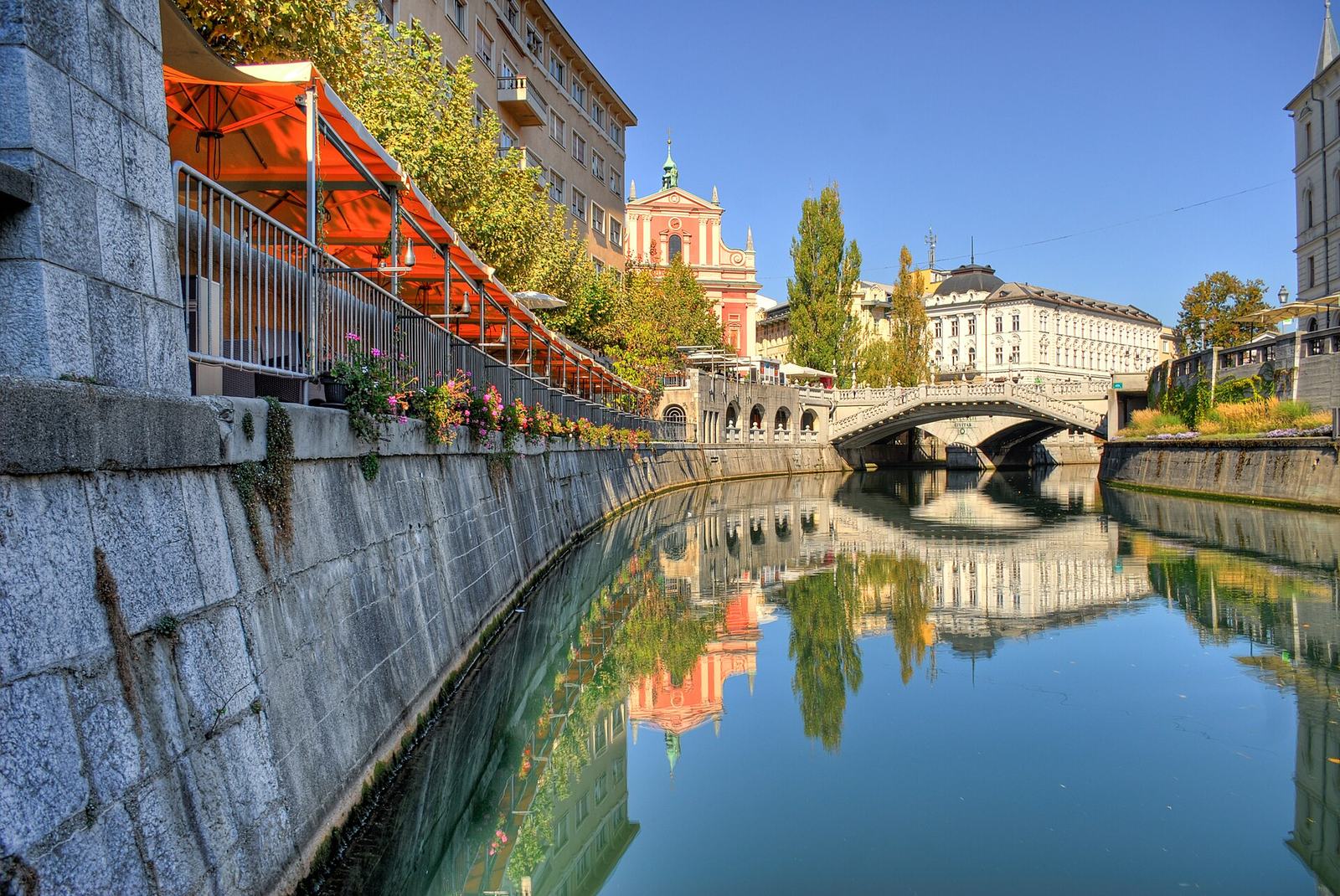
Almost every trip starts in Ljubljana, a small, green capital with a car free old town, a castle on a hill, riverside cafés and the striking architecture of Jože Plečnik. It is the hub for buses and trains, so it makes a good base for two or three nights and for day trips.
The alpine lakes
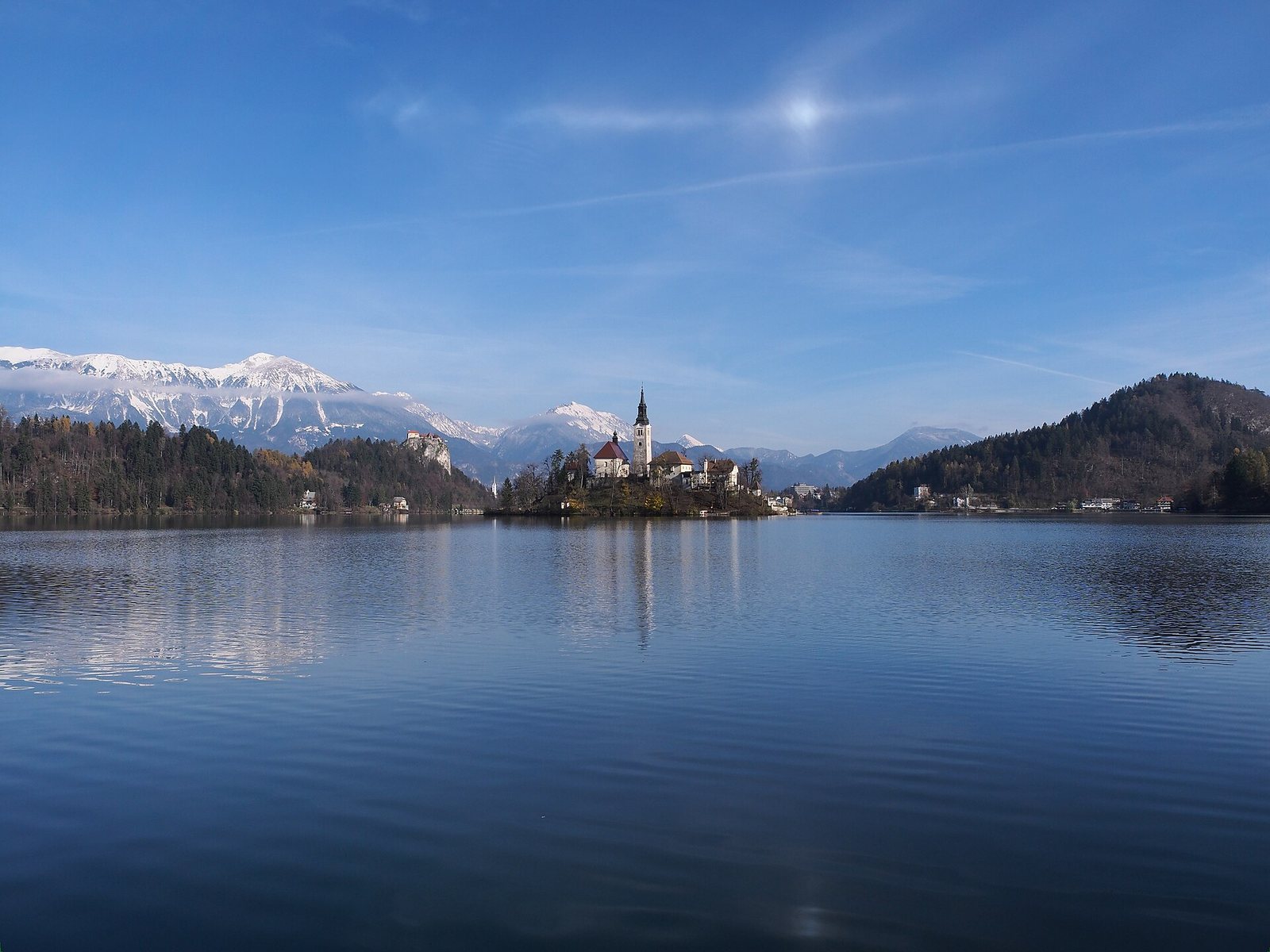
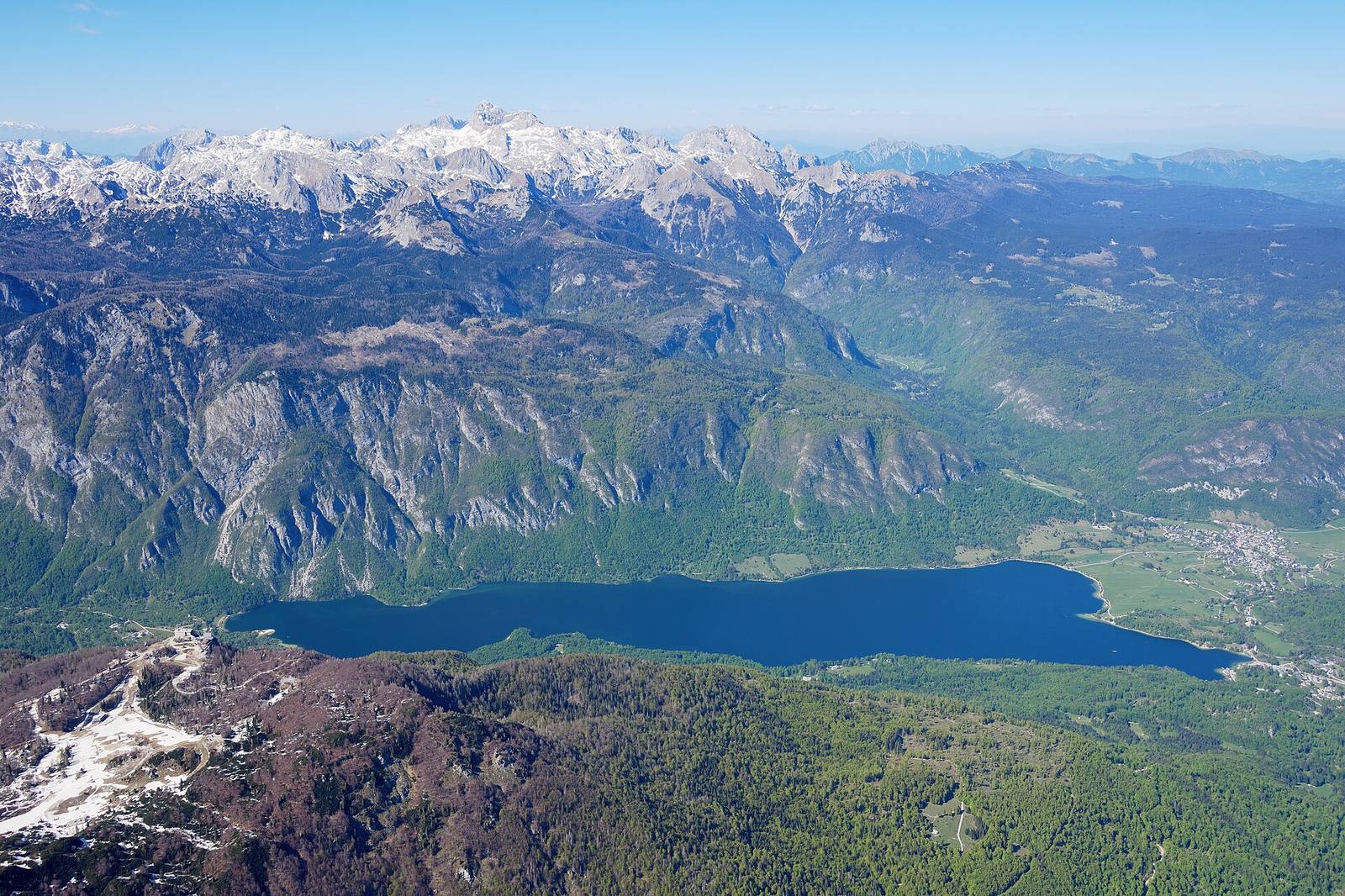
An hour north, Lake Bled is the postcard: a church on an island, a castle on a cliff and cream cake on the terrace. Half an hour further into the Julian Alps, Lake Bohinj is bigger, wilder and quieter, the gateway to Triglav National Park, the Savica waterfall and the Vogel cable car.
The Soča Valley
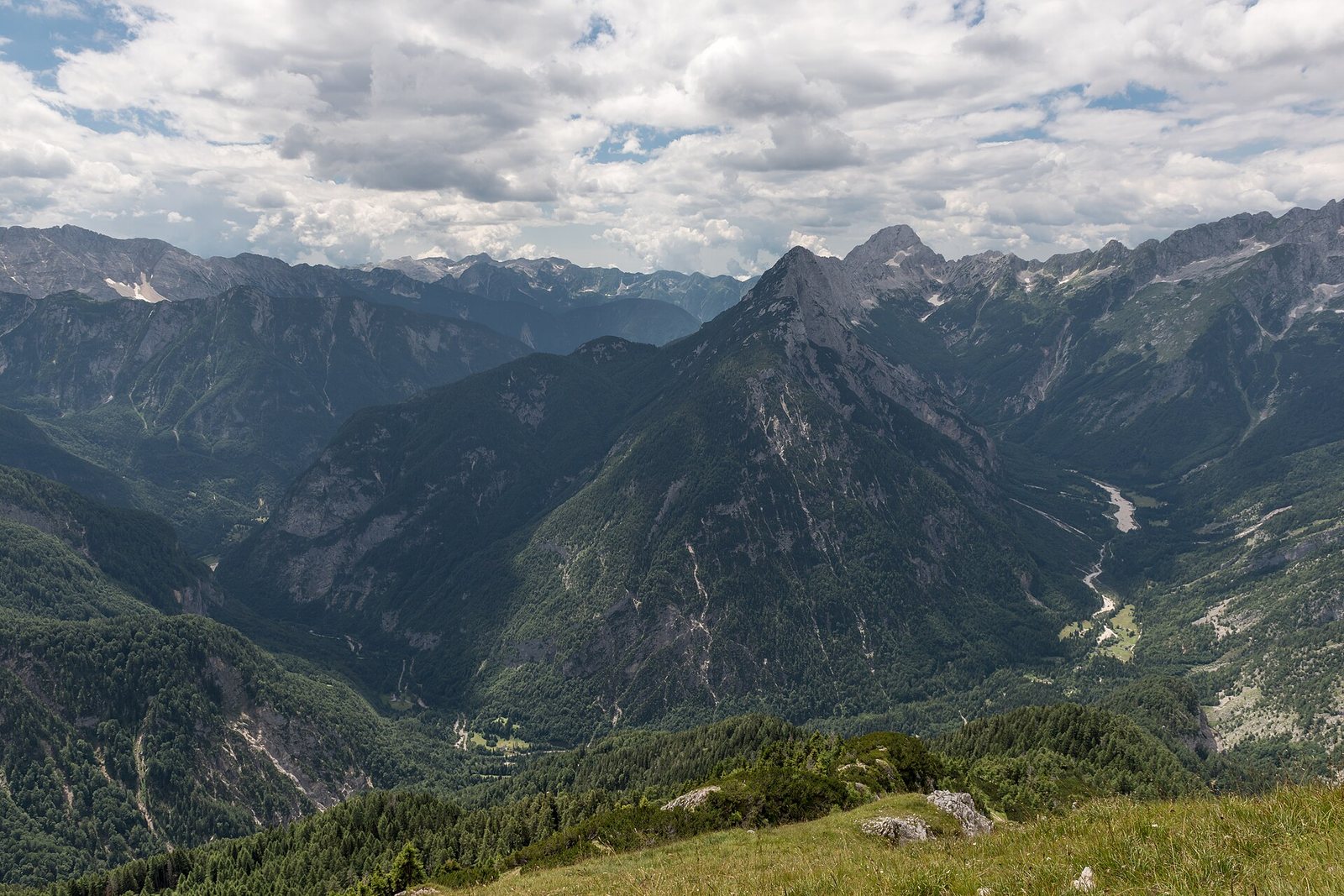
Over the mountains to the west, the Soča Valley follows an astonishing emerald river past Bovec, Kobarid and Tolmin. It is Slovenia's outdoor capital for rafting, kayaking, hiking and cycling, and the setting of moving First World War history.
The Karst and its caves
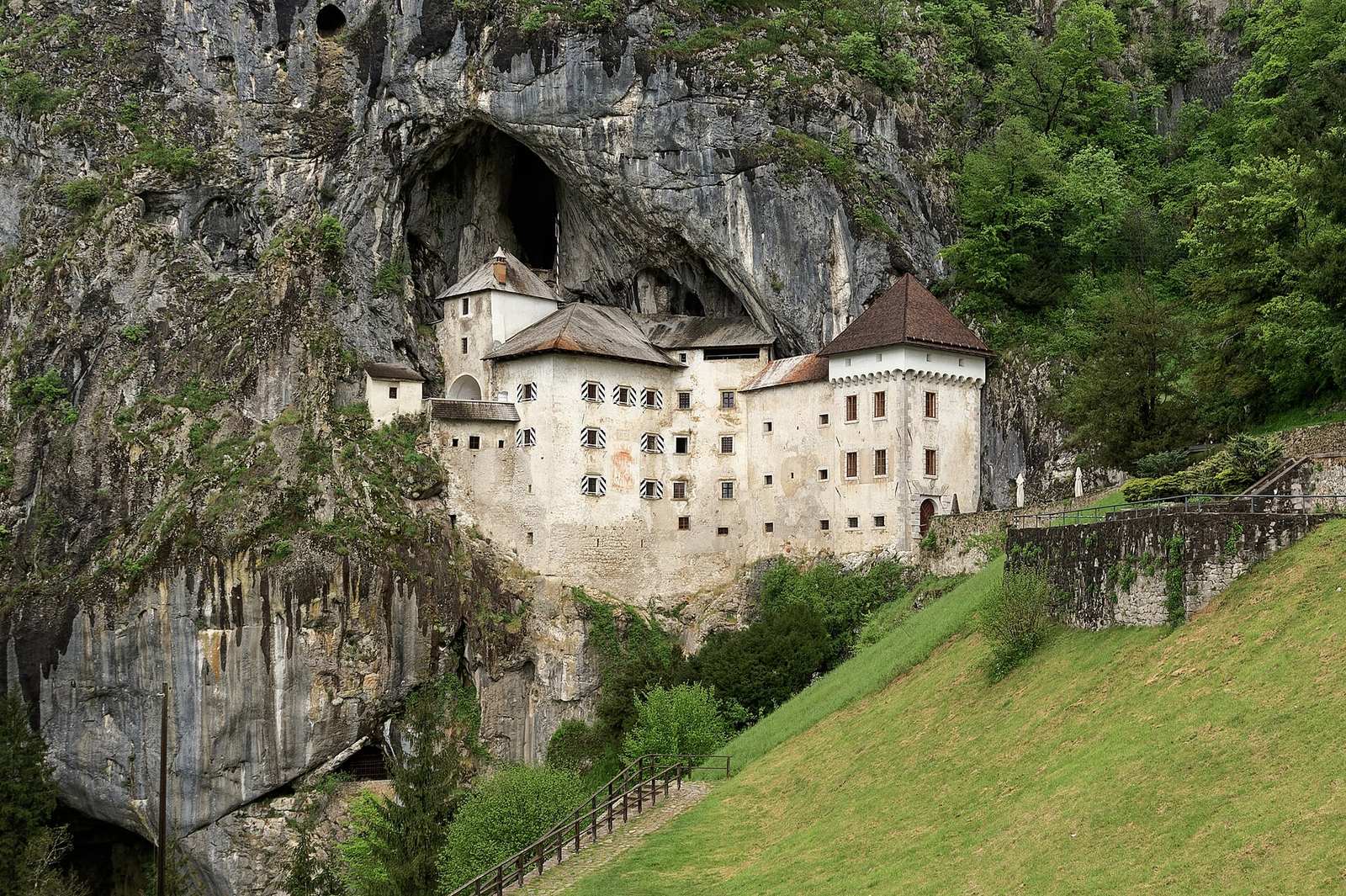
South west of Ljubljana, the limestone Karst hides some of the world's great caves: Postojna, with its underground train, and the UNESCO listed Škocjan Caves, with a vast canyon below ground. Predjama Castle, built into a cliff, and the Lipica stud farm sit nearby.
The coast
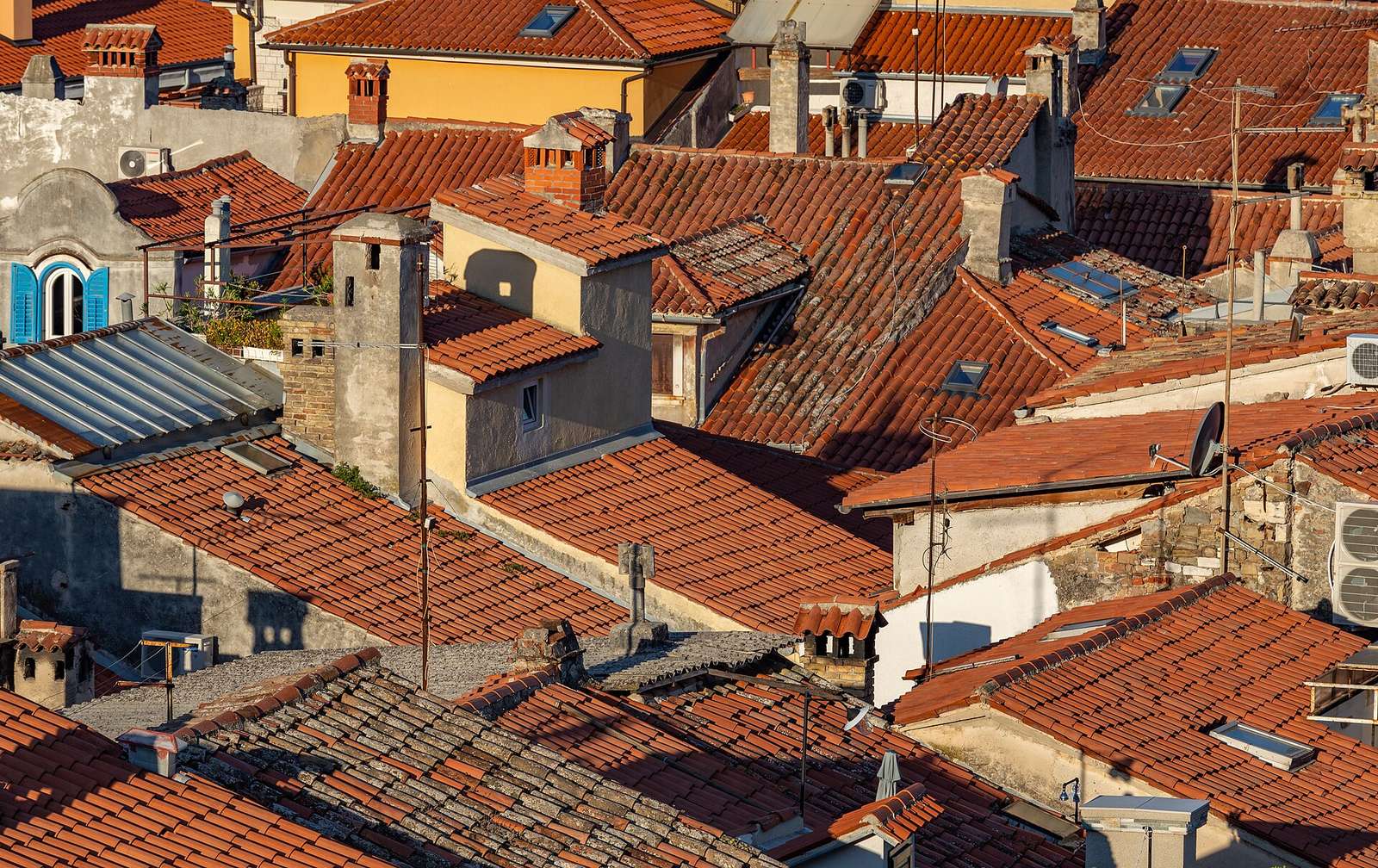
Slovenia's coastline is short but lovely. Piran is a Venetian old town on a peninsula, with neighbouring Izola and Koper, the salt pans of Sečovlje and quiet swimming spots along the shore.
How to combine them
A classic loop runs Ljubljana, Bled, Bohinj, over the Vršič Pass in summer to the Soča Valley, then south to the caves and the coast. Buses connect every stop, though the Vršič crossing and remote valleys are easier on a tour. Use the free trip planner to fit it to your dates, and the places to visit list to choose where to eat and sleep.