At a glance
- Best for
- Cafés, food, architecture, museums and relaxed city life
- Airport
- Ljubljana Jože Pučnik Airport (LJU), about half an hour away
- Time needed
- Two to three days
- Best season
- May to June and September to October, plus December markets
- Getting around
- Walking, city bikes and city buses
- Good base for
- Lake Bled, Škofja Loka, Postojna Cave and Velika Planina
Why go
Ljubljana feels more like a big, friendly town than a capital. You can walk across the centre in twenty minutes, students keep the bars lively, and the food scene punches far above the city's size. English is widely spoken, the streets are clean and safe, and the green spaces run right into the centre. The city was named European Green Capital in 2016, and it shows.
Top things to do
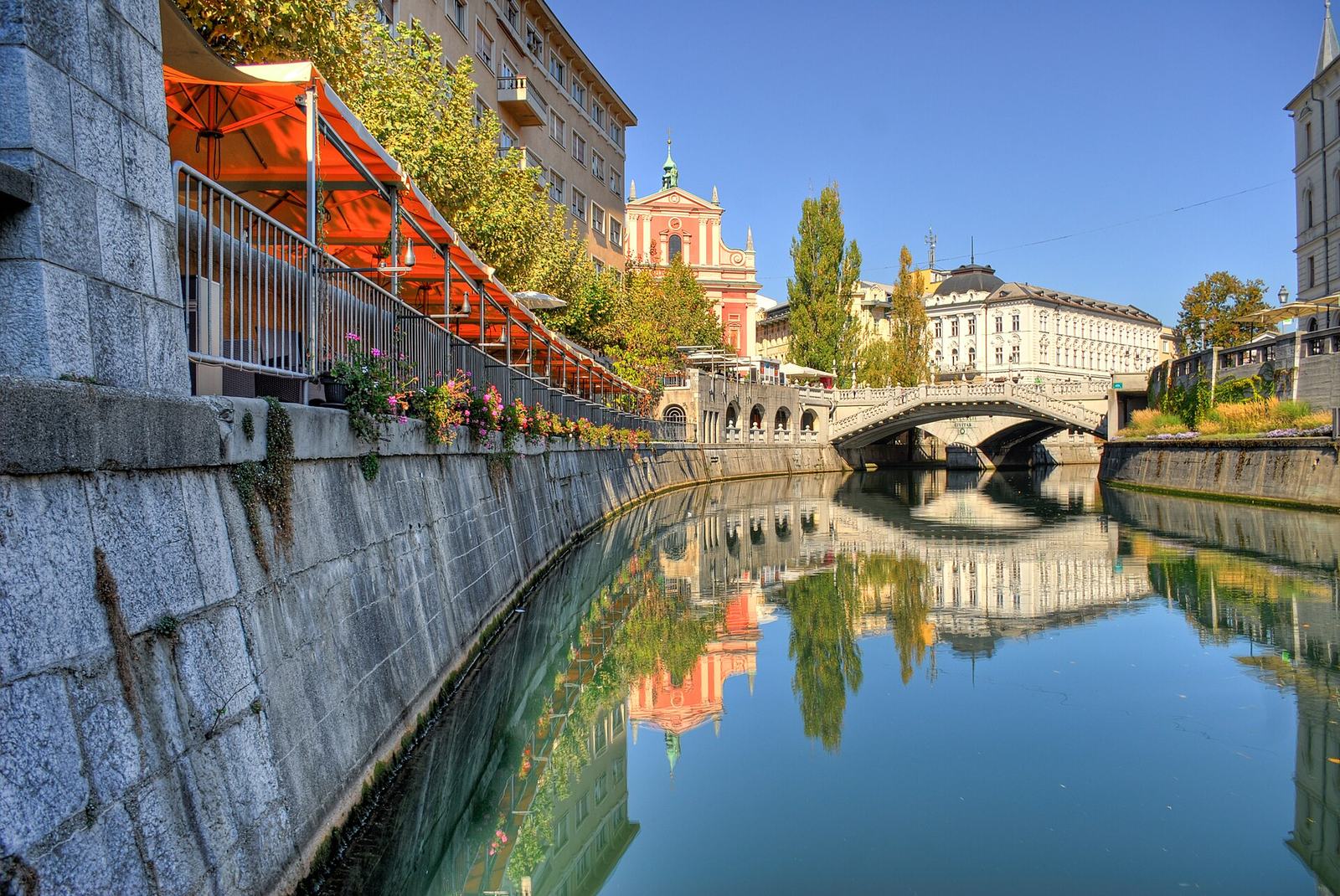
Start at **Prešeren Square**, with its pink Franciscan church and statue of the national poet, then cross the **Triple Bridge**, designed by **Jože Plečnik**, the architect who shaped much of the city. Follow the river past the **Central Market** and Plečnik's colonnade to the **Dragon Bridge**, guarded by the green dragons that are the city's symbol. The **Cobblers' Bridge** and the riverside terraces are perfect for coffee or an evening glass of wine.
Walk or ride the funicular up to **Ljubljana Castle** for views across red roofs to the Kamnik Alps. Back down, explore the baroque **Cathedral of St Nicholas** with its bronze doors, and **Old Square** and **Town Square** with the Robba fountain. **Plečnik House** in Trnovo shows how the architect lived and worked.
For something different, visit **Metelkova**, a former army barracks turned into a graffiti covered alternative culture centre, and the nearby museum quarter with the **Museum of Contemporary Art**. **Tivoli Park** stretches from the centre into wooded hills, and the **Rožnik** hill walk is a favourite with locals.
Food and markets
The **Central Market** is busiest on Saturday mornings. On Fridays from spring to autumn, **Open Kitchen (Odprta kuhna)** fills Pogačar Square with chefs from across Slovenia. Try **kranjska klobasa** sausage, **štruklji** dumplings and **prekmurska gibanica** layered cake, and a local wine by the glass.
Day trips
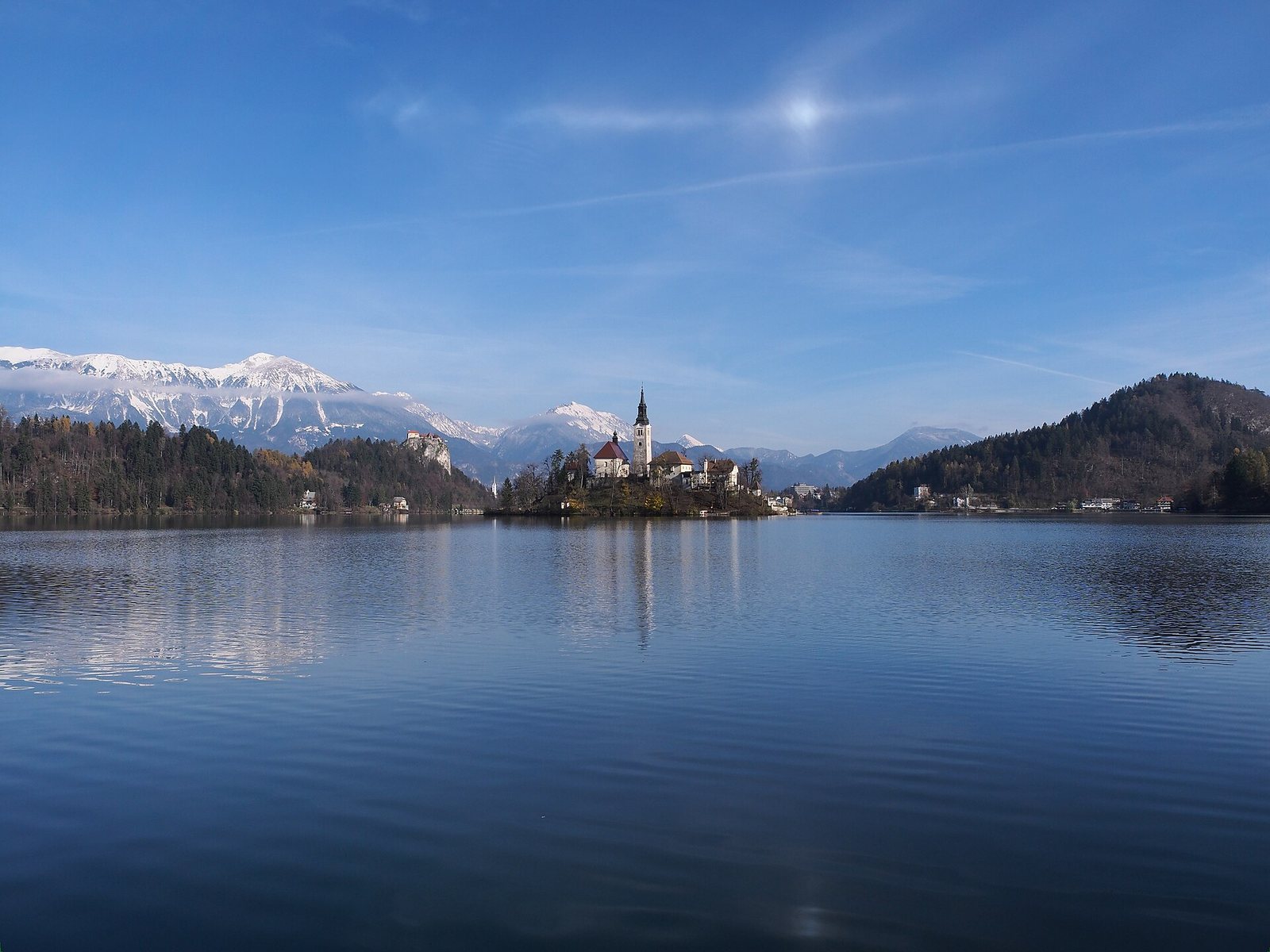
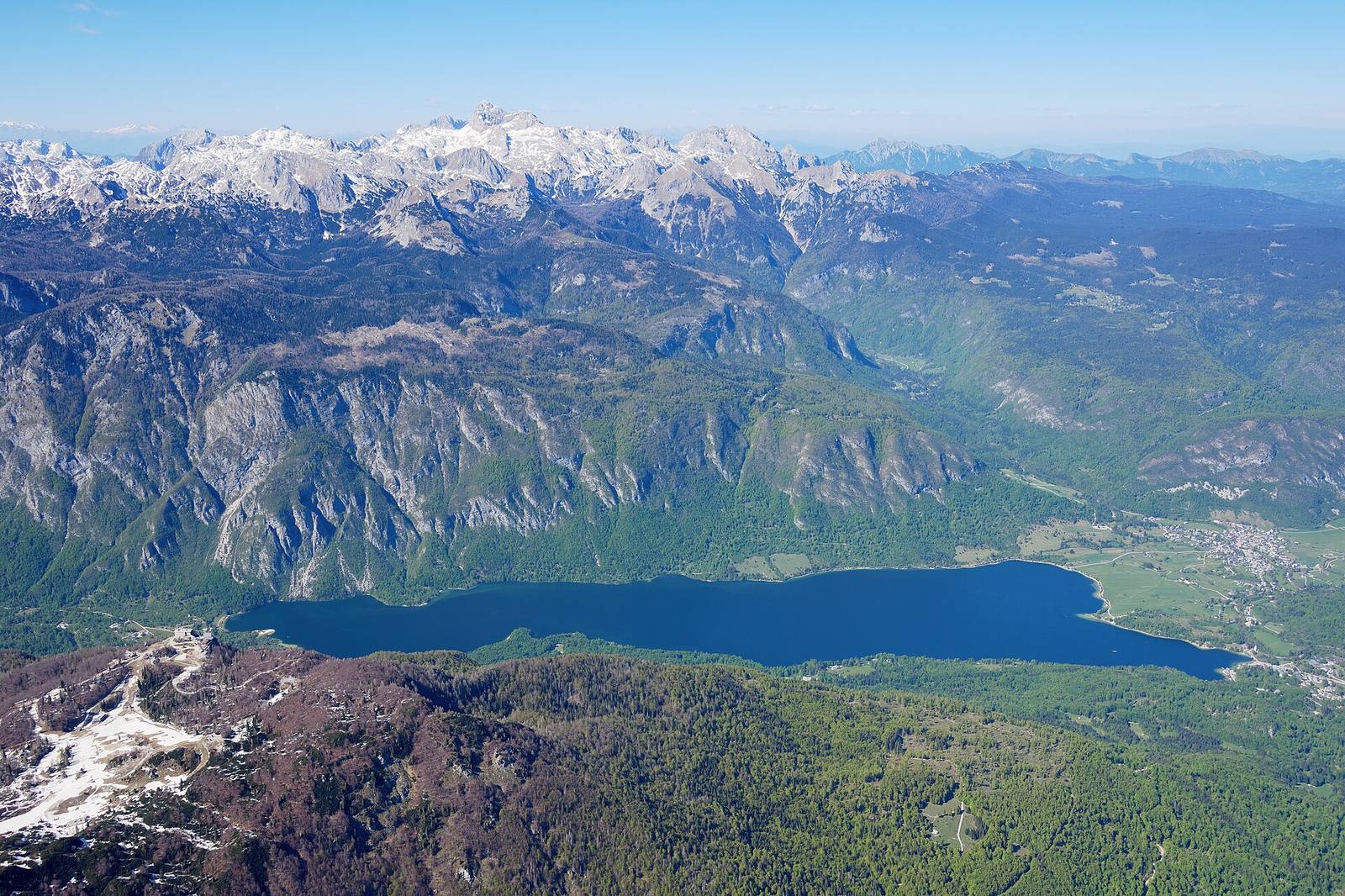
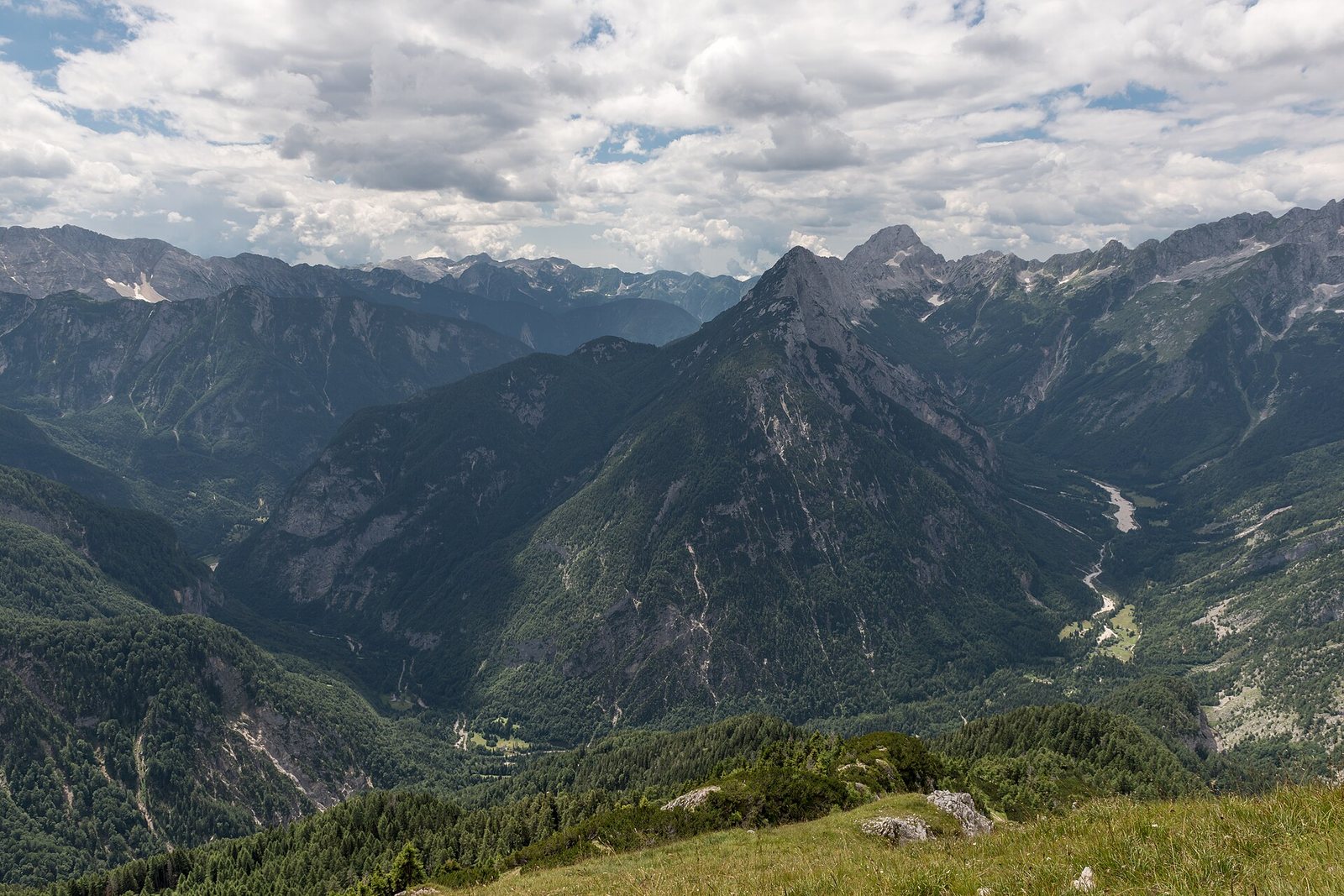
Ljubljana is a good base for **Lake Bled**, **Škofja Loka**, one of the best preserved medieval towns in the country, **Postojna Cave** and **Velika Planina**, a high meadow of shepherds' huts reached by cable car. Buses and trains make most of these easy.
Where to stay
Stay in or near the **old town** to walk everywhere. **Trnovo** and **Krakovo** are quiet, leafy and full of local restaurants, while the area around the **railway and bus stations** is handy for early departures. Book ahead in summer and for the December markets.
Getting there and around
Shuttles and buses run from the airport to the bus station. Trains and intercity buses leave from neighbouring stations north of the centre. Within the city, walk, use the **BicikeLJ** city bikes or take buses with an **Urbana** card. The electric **Kavalir** carts give free rides around the car free centre for anyone who needs them.
Practical tips
Most museums close on Mondays, so plan castle and market days around that. The old town is pedestrianised and largely flat, but the castle hill is steep; the funicular from Krekov Square saves the climb. Evenings by the river are lively on summer weekends, so light sleepers should choose Trnovo or Krakovo. Tap water is excellent, and you will find public drinking fountains around the centre. If you visit in December, the markets and lights are lovely, but hotels fill quickly, so book early. Cards are accepted almost everywhere, though small market stalls may prefer cash. Sunday is quiet, with many shops closed, which makes it a good day for Tivoli Park, Rožnik hill or a walk along the river to Trnovo.
Questions about Ljubljana
How many days do I need in Ljubljana?
Two days covers the castle, the old town, the market, Metelkova and Tivoli Park. Add a third day for a trip to Škofja Loka or Velika Planina.
Is Ljubljana a good base for day trips?
Yes. Lake Bled, Postojna Cave and the coast are all reachable by bus or train in an hour or two, so many visitors base themselves here.
Is Ljubljana expensive?
It is mid-range by Western European standards. Lunch menus, bakeries and markets keep costs down, while riverside terraces and hotels in the old town cost more.
Is Ljubljana walkable?
Very. The old town is pedestrianised and compact, and most sights are within a short walk of Prešeren Square.
Facts checked . Fees, schedules and entry rules change, so always confirm the latest with the official source.