At a glance
- Best for
- Caves, castles, food, wine and family days out
- Airport
- Ljubljana (LJU) or Trieste (TRS), about an hour away
- Time needed
- One to two days
- Best season
- All year, since caves stay cool and steady
- Getting around
- Trains and buses to Postojna and Divača, tours, cycling
- Good base for
- Postojna Cave, Predjama, Škocjan, Lipica and the coast
Why go
The caves are the main draw, and they are spectacular, but the Karst also rewards a slower visit: stone villages, red teran wine, wind dried **pršut** ham and quiet roads for cycling. It sits between Ljubljana and the coast, so it fits naturally into any route.
Top things to do
**Postojna Cave** is the classic. An electric train carries you deep into the cave, then a guided walk leads through halls of stalactites and stalagmites, including the white **Brilliant** formation. In the vivarium you can see the **olm**, a blind cave salamander nicknamed the baby dragon. Tours run all year at set times, and it stays cool inside, so bring a jacket.
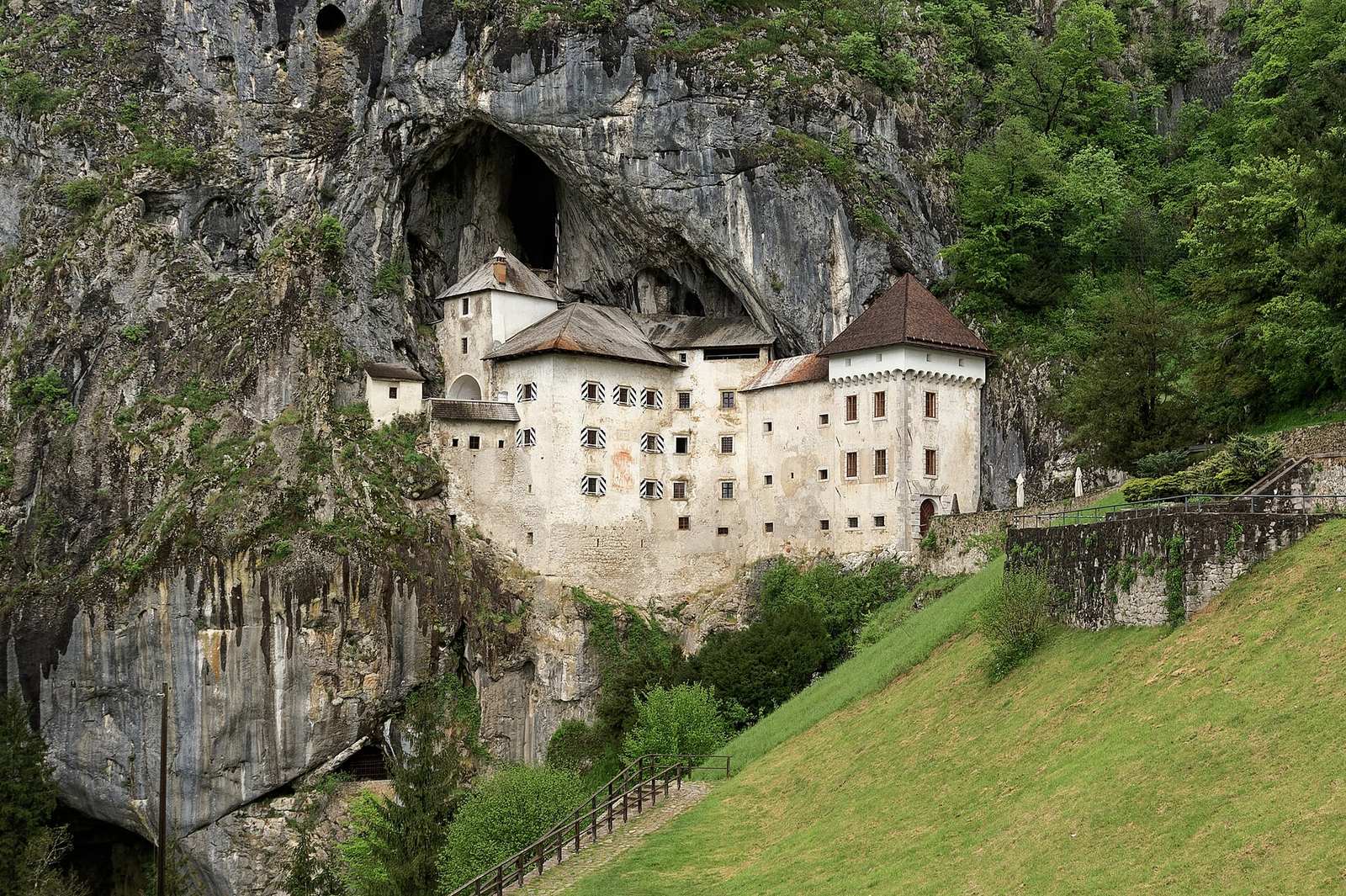
A short drive away, **Predjama Castle** is built into the mouth of a cave halfway up a cliff. It was the stronghold of the robber knight Erazem, and you can tour the rooms and, in summer, the cave behind. Combined tickets with Postojna are available.
**Škocjan Caves**, near Divača, are wilder and, for many, more impressive. The underground Reka river has carved a canyon so deep that a bridge crosses it high above the water. It is a UNESCO World Heritage site, with guided tours only and no photography in parts of the route. The walk involves many steps.
At **Lipica**, the original home of the **Lipizzaner** horses since 1580, you can tour the stud farm, watch training sessions and see the horses in their meadows.
Food and wine
The Karst is famous for **teran**, a deep red wine from iron rich red soil, and **Karst pršut**, ham dried by the bora wind. Small family **osmice**, temporary farm taverns that open for a few days at a time, serve home produce. Look for farm stays and wine cellars around **Štanjel**, a hilltop stone village with a lovely garden by the architect Max Fabiani.
Other caves and sights
**Rakov Škocjan**, a valley of natural bridges, and **Lake Cerknica**, an intermittent lake that appears and disappears with the seasons, are close to Postojna. **Vilenica**, one of the oldest show caves in Europe, is near Sežana.
Where to stay
Most visitors see the caves on a day trip from Ljubljana or on the way to the coast. To slow down, stay in **Postojna** town, at a **tourist farm** on the Karst, or in **Štanjel** or **Lipica**.
Getting there and around
Trains and buses run from Ljubljana to **Postojna**, and the cave is a walk from the town centre. For Škocjan, take the train to **Divača**; a shuttle or walk takes you to the caves. Seasonal shuttle buses link Postojna Cave and Predjama Castle.
Practical tips
Both main caves are visited on guided tours at fixed times, so plan your day around them and arrive at least twenty minutes early. Wear sturdy, non slip shoes: paths are wet in places, and Škocjan involves a long walk with many steps and a climb back out. Photography rules differ by cave, so ask on arrival. Children usually love Postojna's train and the olm, while Škocjan suits older children and adults. In summer, combine the caves with a swim on the coast an hour away. Restaurants on the Karst often close one day a week, and osmice open only for short periods, so ask locally which ones are open. The bora wind can blow hard in winter, so drive carefully if you have your own transport.
Questions about Postojna and the Karst
Postojna or Škocjan: which cave should I visit?
Postojna is easier, with a train ride and rich formations, and suits families. Škocjan is wilder, with a vast underground canyon, and suits keen walkers. Many people do both.
How cold is it inside the caves?
Both stay around ten degrees Celsius all year, and Škocjan can be damp. Bring a warm layer and good shoes.
Can I visit the caves without a car?
Yes. Trains and buses reach Postojna and Divača from Ljubljana, and seasonal shuttles link Postojna Cave with Predjama Castle.
Do I need to book cave tours?
In summer, booking online is wise because tours run at fixed times and fill. Check the official cave websites for the current schedule.
Facts checked . Fees, schedules and entry rules change, so always confirm the latest with the official source.