The royal city
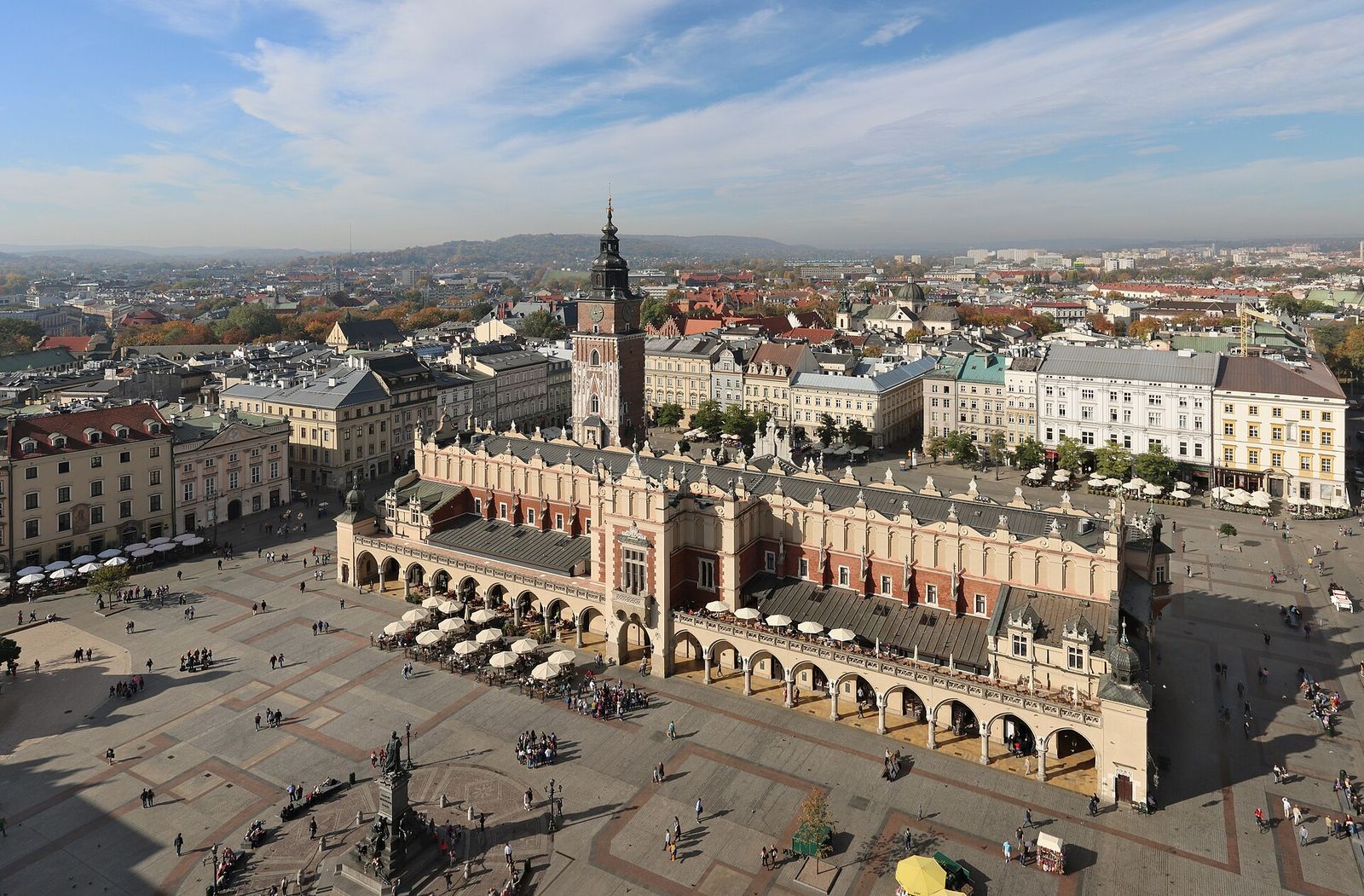
Most first trips begin in Kraków, the old royal capital, which came through the Second World War largely intact. Wawel Castle, the vast Main Square and the Jewish quarter of Kazimierz fill three days easily, and the city is the base for visits to the Auschwitz Birkenau Memorial and the Wieliczka Salt Mine.
The capital
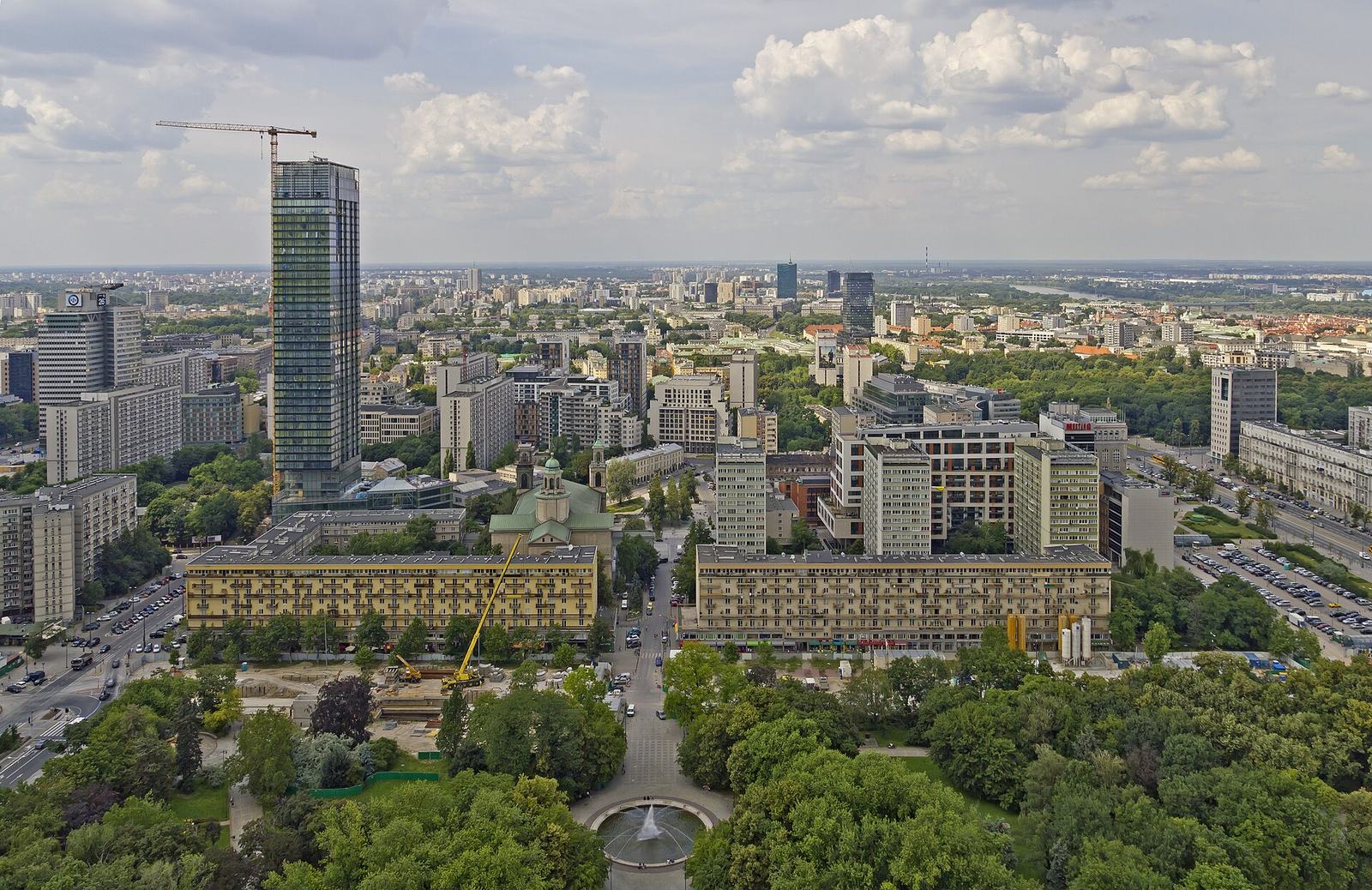
Warsaw was almost entirely destroyed in 1944 and rebuilt with extraordinary care. Today it pairs a reconstructed Old Town with glass towers, leafy royal parks, excellent museums and the best food scene in the country. It is about two and a half hours from Kraków by fast train.
The Baltic coast
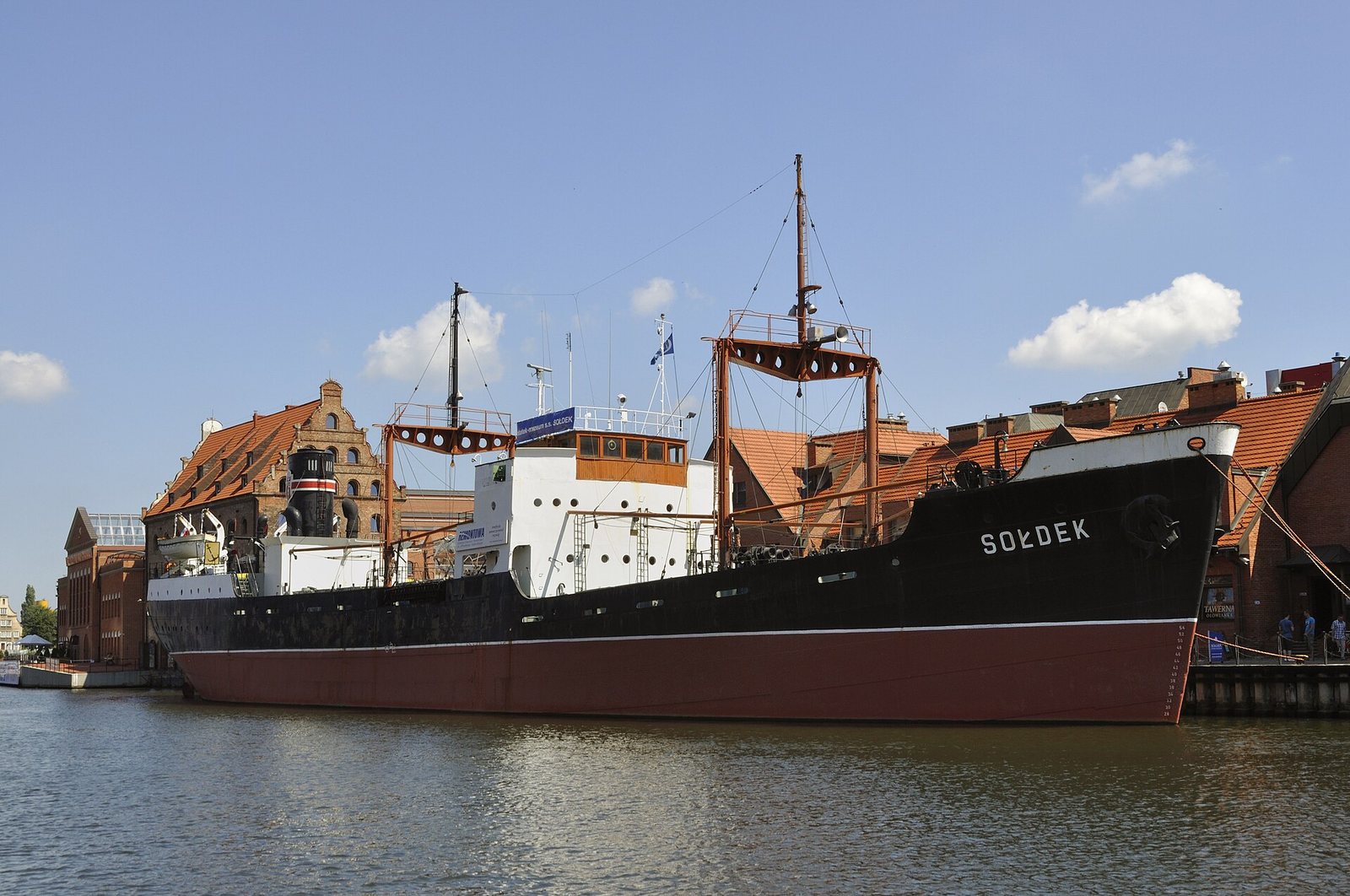
Gdańsk is a merchant city of tall painted houses, amber shops and shipyards where the Solidarity movement was born. With Sopot and Gdynia it forms the Tricity, so beaches, a long wooden pier and the castle at Malbork are all within easy reach.
The west
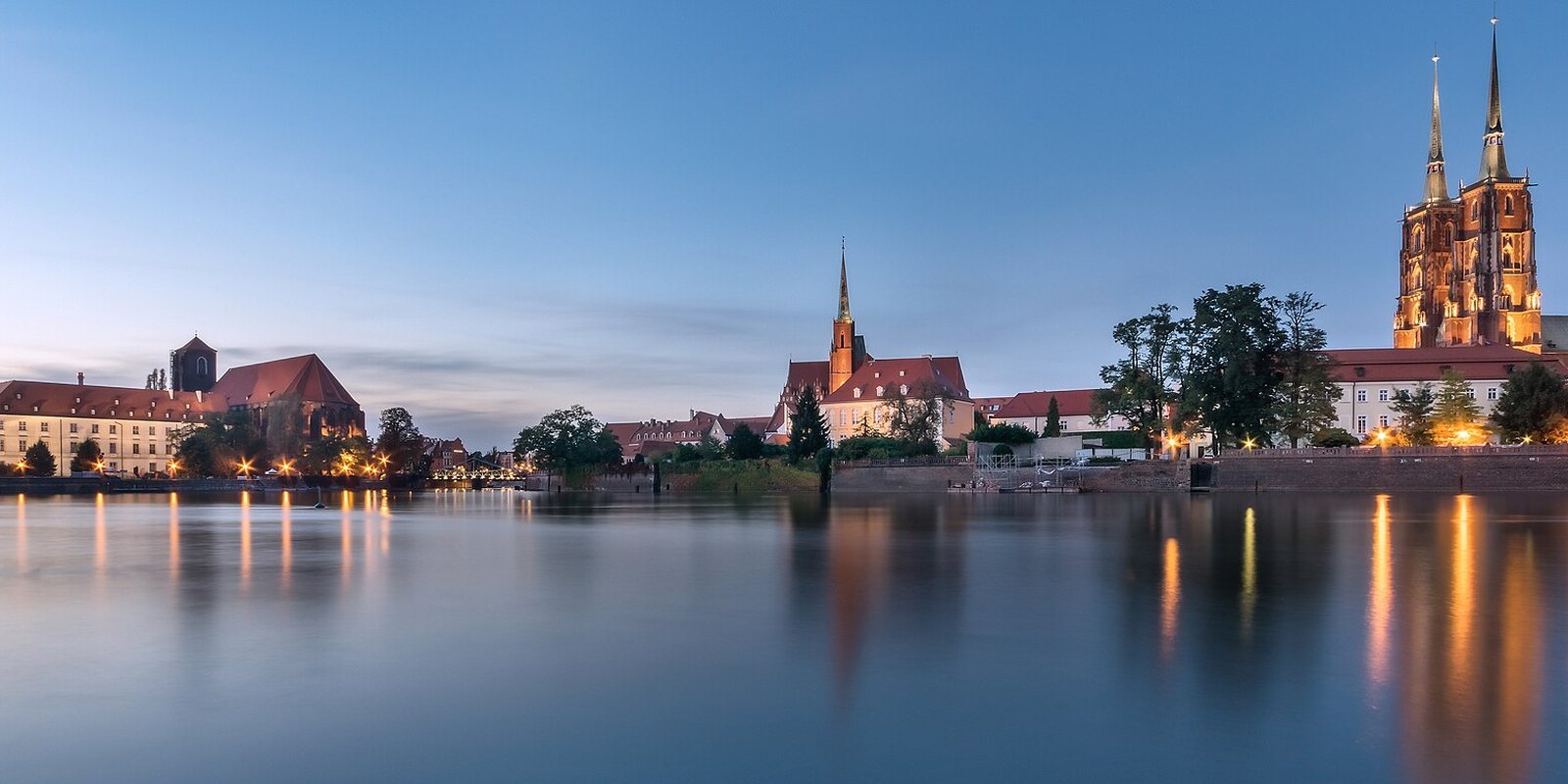
Wrocław sits on the Oder river across a dozen islands linked by bridges. Its colourful Market Square is one of the largest in Europe, and hundreds of small bronze dwarfs hide on its streets. It makes an easy link between Kraków and Berlin or Prague.
The mountains
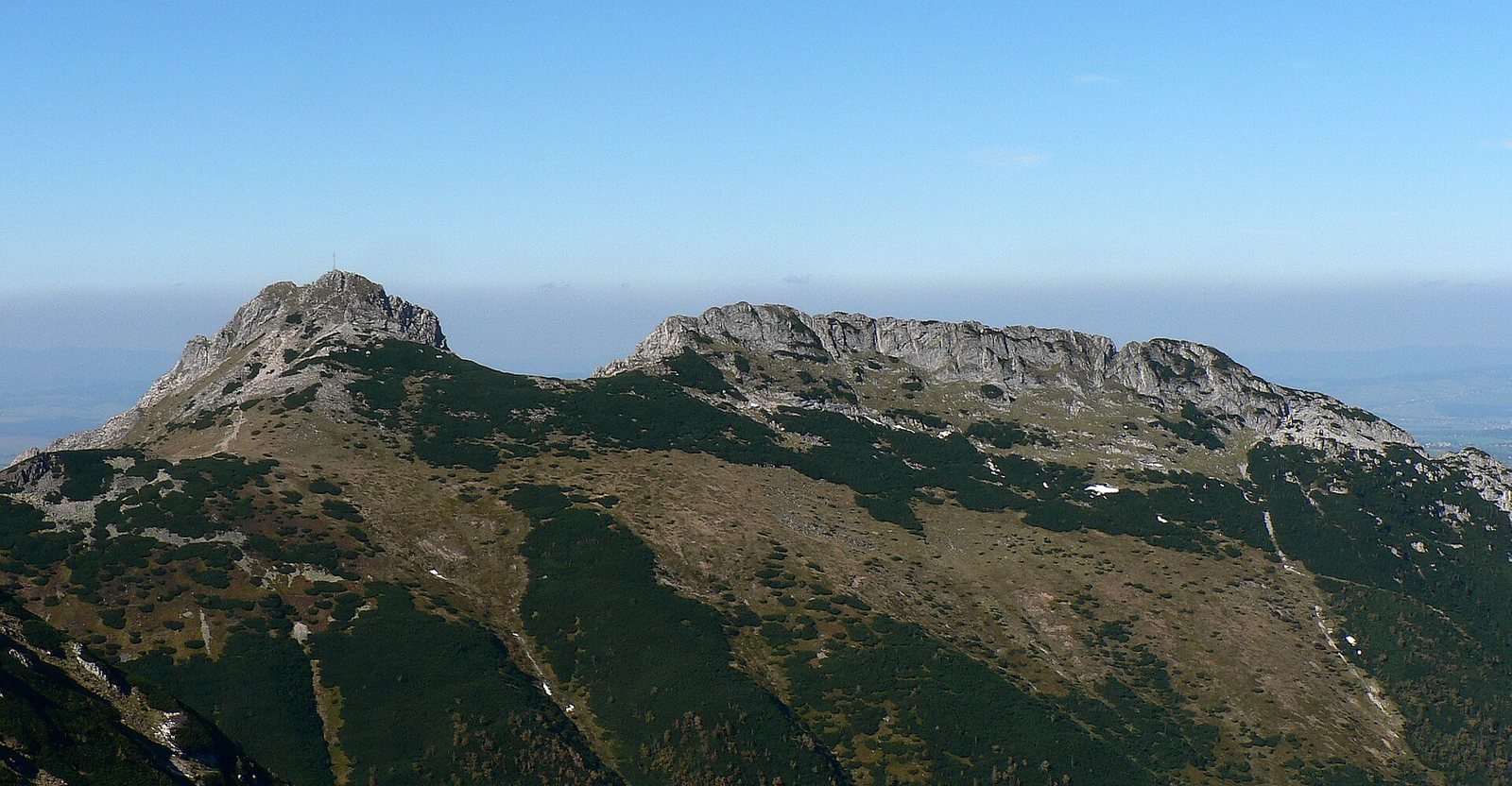
Zakopane and the Tatras are Poland's mountain playground: wooden villas, highlander food and music, and trails to glacial lakes such as Morskie Oko. Come for hiking in summer and skiing or thermal pools in winter.
How to combine them
For one week, try Kraków with a day trip, then Warsaw. For ten days, add Gdańsk on the coast. For two weeks, add Wrocław in the west or a few nights in Zakopane. Trains are comfortable and frequent, so you never need to drive. Our places to visit list and the free trip planner help you fill in the details.